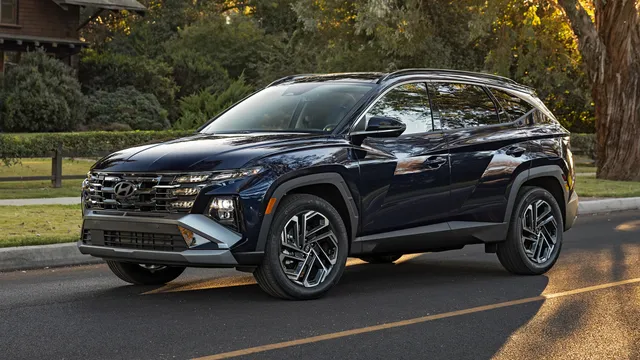
The question “What’s the best 2026 luxury SUV under $70,000?” sounds straightforward until you live with it for a moment. Because luxury, in 2026, isn’t only leather and chrome. It’s calibration—how sound behaves in the cabin, how the suspension interprets pavement, how driver-assist systems anticipate rather than merely react, and how the dashboard greets you with clarity instead of clutter.
Here’s a shift in perspective worth keeping: the most compelling luxury SUVs today aren’t always the most expensive ones. They’re the ones that deliver an experience with fewer compromises. Under $70,000, the goal becomes subtle—buy “almost everything” and pay attention to the handful of details that decide whether you feel satisfied after the first commute or restless after the first month.
To spark curiosity without dulling the edge of decision-making, consider this: the best picks for 2026 under $70,000 often share one trait—intentionality. They’re designed to feel upscale even when they’re not trying to be flashy. And once you know where to look, the segment stops feeling like a bargain hunt and starts feeling like a craftsmanship contest.
What “Luxury” Really Means Under $70,000 in 2026
Luxury is not a single ingredient. It’s a recipe. In the under-$70k zone, the recipe tends to focus on four areas: comfort, refinement, technology, and the manner in which the vehicle communicates control.
Comfort is where you notice “best” first. Seat geometry matters. So does noise insulation. In 2026 models, cabin acoustics are often tuned to reduce the high-frequency hiss that creeps into everyday driving. A quiet SUV doesn’t just feel serene. It makes long trips feel shorter, even when time says otherwise.
Refinement follows. That means smooth power delivery, confident steering feel, and braking that doesn’t act nervous when traffic decides to become chaotic. Technology, meanwhile, should be less about novelty and more about usability. The best interfaces minimize cognitive drag—less time interpreting menus, more time living the drive.
Finally, luxury is communication. Every upscale SUV should make you feel informed: tire traction status, gear selection rationale, and driver-assist behavior should be predictable and legible. When the vehicle “explains itself” in a calm, intuitive way, trust builds quickly.
The Value Equation: How Prices Behave in the 2026 Luxury SUV Segment
It’s easy to assume that dropping below $70,000 forces you to accept compromises. Yet prices in 2026 luxury SUVs often reflect trim strategy rather than diminished capability. Manufacturers can keep costs down by bundling equipment efficiently—then allocating spending to features that affect daily life most.
In this range, look for packages that deliver the biggest experiential upgrades: premium audio, heated/ventilated seats, advanced driver assistance, and a navigation system with real-world responsiveness. Sometimes the “best” deal is not the base model. It’s the trim that adds the right comforts while staying within budget.
Lease and financing incentives also matter, but the quiet truth is that ownership satisfaction depends more on fit than on math. The vehicle should align with your typical routes—highway miles, city congestion, suburban errands, or weekend escapes.
Top Contenders: The 2026 Luxury SUVs That Make a Case for Your Garage
Under $70,000, the best candidates tend to fall into two broad personalities: confident family cruisers and stylish, slightly sport-minded crossovers. The “best” for you depends on how you want the SUV to feel when nobody is watching—on the days you’re tired, impatient, or simply in a good mood.
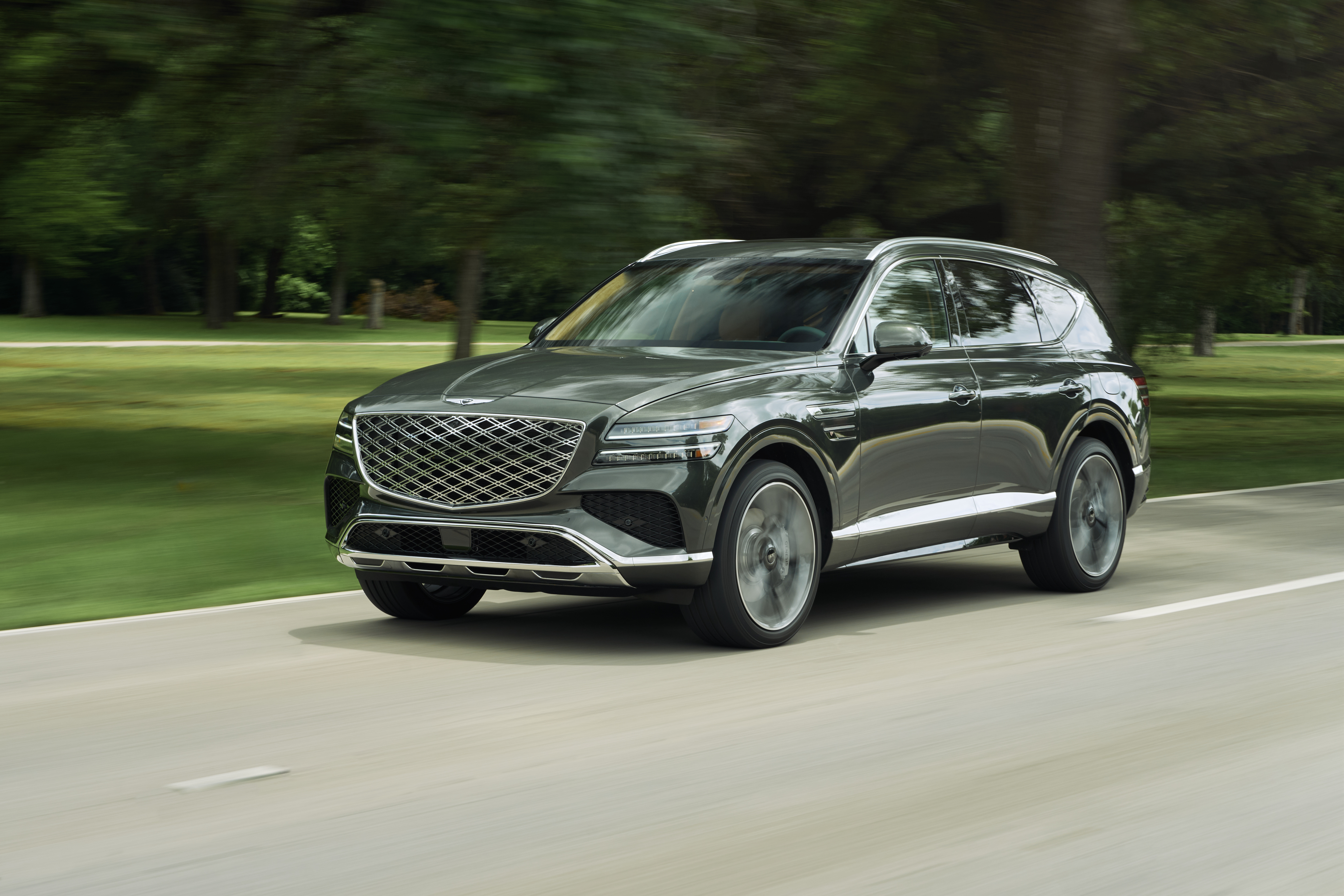
Genesis GV80 (2026): The GV80 has a particular kind of grace—quietly assertive, never desperate to prove itself. It leans into a luxury rhythm: composed ride quality, refined cabin materials, and a design language that feels intentional even at a stoplight.
What makes it interesting under $70,000 is the promise of near-premium presence without requiring premium-budget thinking. The GV80’s strengths often show up in how it handles everyday driving—smoothness over harshness, confidence over volatility. If you value a tasteful, gallery-like interior atmosphere, this is the direction your attention might want to linger on.

Toyota RAV4 Hybrid (2026): Not every shopper expects “luxury” from a hybrid crossover. That expectation is exactly where curiosity becomes useful. In 2026 trims, the RAV4 Hybrid can feel more premium than its badge suggests—especially when you factor in efficiency, drivability, and modern technology integration.
The shift here is perspective: luxury can also mean practical comfort refined into a smooth daily routine. A hybrid SUV that sips fuel while maintaining composure can feel like a premium feature because it reduces stress—at the pump, on long drives, and during those unpredictable weeks when schedules change.
For drivers who want sensible performance without sacrificing the everyday calm that luxury promises, the RAV4 Hybrid is a compelling counterpoint to the stereotype that luxury requires extravagance.
Performance and Handling: The Art of Not Feeling the Road
Under $70k, performance shouldn’t be measured only by horsepower. It should be measured by the sensation of control. A luxury SUV should make steering feel steady and predictable. It should accelerate cleanly without drama. It should brake with assurance, especially when traffic is unpredictable and timing becomes emotional.
Look for models that deliver smooth throttle response and stable cornering. Even if you never “drive hard,” the payoff arrives in the subtle moments—merging into freeway gaps, avoiding obstacles at the last second, or rounding a wet curve with confidence.
Suspension tuning becomes your quiet luxury indicator. The best setups absorb irregularities without transmitting them into the cabin like unwanted messages. You’ll feel it on broken pavement, rail crossings, and those curiously uneven roads you only discover after you commit to a route.
Interior Refinement: Where Luxury Becomes Personal
The interior is where luxury turns from marketing into lived experience. Check how seats support your posture during commutes. Notice how controls are arranged—buttons should be reachable without hunting. Touchscreens should respond quickly, and menus should not feel like labyrinths.
Materials should look upscale, but more importantly, they should feel durable and pleasant. Texture matters. The wrong surface can feel sticky or cheap in hot weather. The right one feels composed, even when you’re sweating through summer.
Lighting is also underrated. Ambient illumination can change the mood of the cabin, transforming a mundane commute into something more atmospheric. If you spend evenings in your SUV—dropping kids at practice, driving after work, crossing cities at night—lighting quality becomes part of the luxury equation.
Technology and Driver Assistance: The New Velvet Rope
In 2026, driver assistance isn’t a gimmick—it’s a kind of everyday concierge. The best systems reduce fatigue and help keep you from making small mistakes when your attention slips.
Pay attention to how these features behave: lane centering that feels smooth, adaptive cruise that maintains comfortable spacing, and blind-spot monitoring that’s confident rather than twitchy. The ideal system doesn’t overwhelm you. It supports you with discreet, dependable guidance.
Infotainment should be fast and understandable. Navigation should load quickly. Phone integration should be seamless. And voice commands—if offered—should actually understand the way people talk. If technology adds friction, it erodes the luxury feel.
Space, Practicality, and the Real Meaning of Versatility
Luxury SUVs are often sold as family vehicles, but their true versatility is measured in the small realities: how easily you load groceries, whether the cargo area swallows bulky items, and whether rear passengers enjoy comfortable legroom without feeling cramped.
Even if you don’t have kids, versatility still matters. Camping gear, sports equipment, office bags, and the occasional unexpected trip all demand a cabin that adapts without complaint. The best under-$70k luxury options deliver flexibility without making you feel like you’re driving a compromise.
Ownership Experience: Reliability Signals and Cost of Living
Luxury is not only how the SUV feels today. It’s how it behaves after months of use—cold starts, repeated highway runs, and everyday wear. Reliability signals often appear in the consistency of the vehicle’s performance and the durability of its materials.
Cost of ownership also includes fuel economy and maintenance expectations. Hybrid models can offer a quieter financial rhythm, while other luxury-focused SUVs may emphasize longevity through build quality and conservative engineering choices.
The best decision is the one that doesn’t only meet your budget—it respects your future self. A smart purchase anticipates how your needs might evolve, not just how they look on the test drive.
How to Choose the Best One for You (Without Second-Guessing)
When comparing the best 2026 luxury SUVs under $70,000, create a short checklist and stick to it. Start with comfort: do the seats fit your body? Second, evaluate sound: does the cabin stay calm at speed? Third, test technology: can you use the interface naturally? Fourth, confirm practicality: can you live with the cargo layout?
Then ask the most revealing question: Do you feel better after driving it? That question cuts through spec sheets. The best luxury SUVs don’t merely impress. They soothe.
Final Thoughts: Luxury That Fits the Real World
The “best” 2026 luxury SUVs under $70,000 are less about chasing status and more about claiming a better everyday experience. Whether you’re drawn to the poised elegance of an upscale SUV presence or the quietly elevated practicality of a hybrid crossover, the common thread is value that doesn’t feel thin.
Luxury, at its best, is an atmosphere. It’s the sense that your vehicle understands you. Choose the SUV that makes driving feel less like a task and more like a quiet reward—then watch how that shift in perspective becomes routine.