Luxury has a way of arriving quietly at first—polished surfaces catching light like a slow sunrise, a cabin that feels composed rather than crowded, and an unmistakable sense that every button was placed for a reason. In the Jeep Wagoneer and Grand Wagoneer, that philosophy becomes tangible. These aren’t simply large SUVs; they’re statement machines—full-size, full-comfort, and designed to make everyday travel feel like a guided tour of refinement.
For readers considering a premium, eight-seat-capable lifestyle vehicle, the names Wagoneer and Grand Wagoneer carry immediate weight. The Wagoneer sets a confident baseline with its upscale presence. The Grand Wagoneer, meanwhile, escalates the experience into something more ceremonious—where materials, proportions, and technology blend into a single, coherent rhythm.
Below, explore what you can expect from this class of luxury full-size Jeep: from design and interior craftsmanship to performance, capability, comfort features, and the practical details that matter once the excitement fades and real life resumes.
Luxury that Begins Before You Even Sit Down
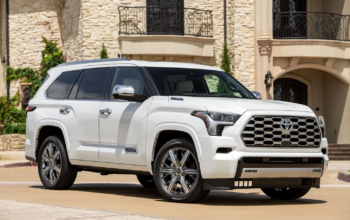
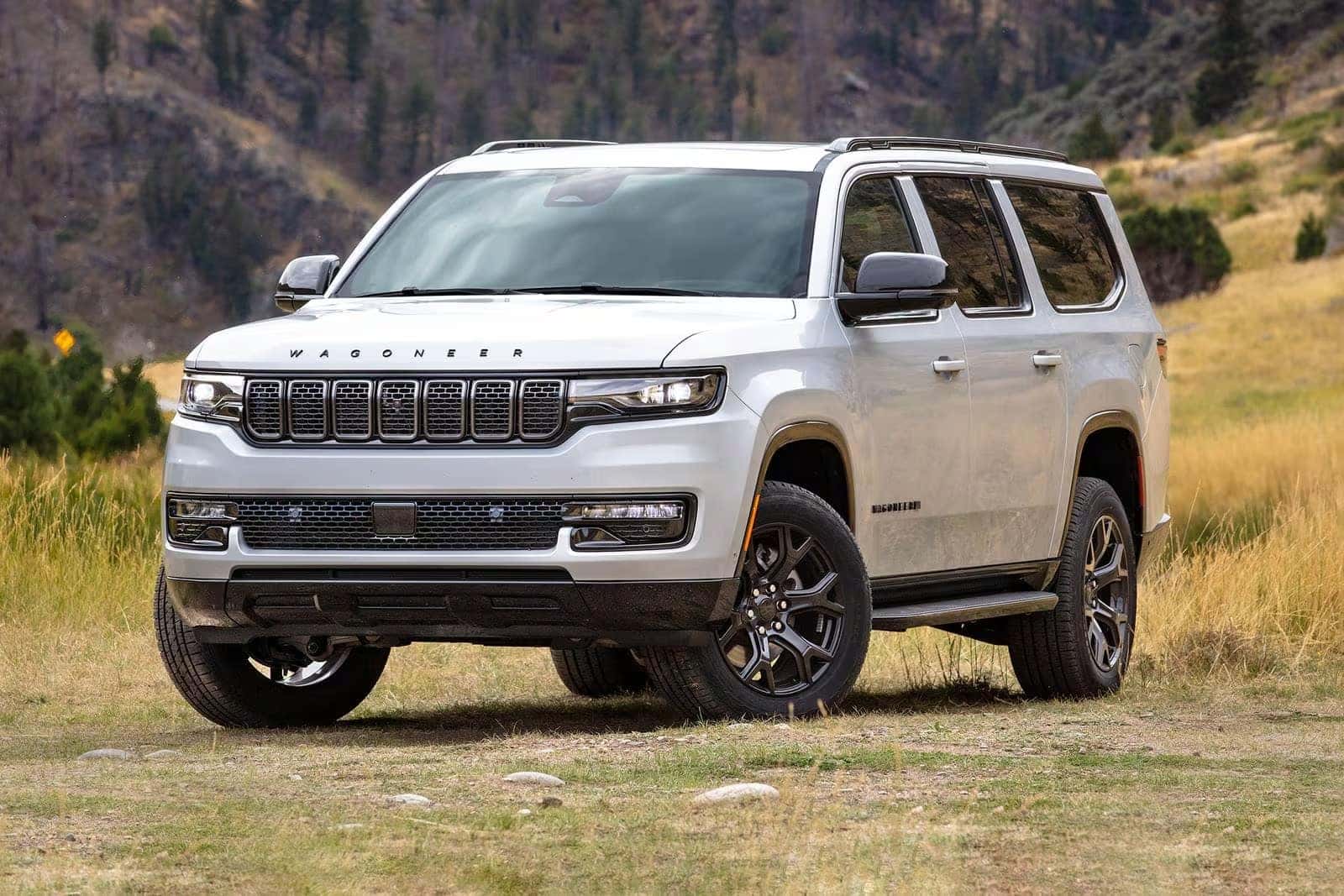
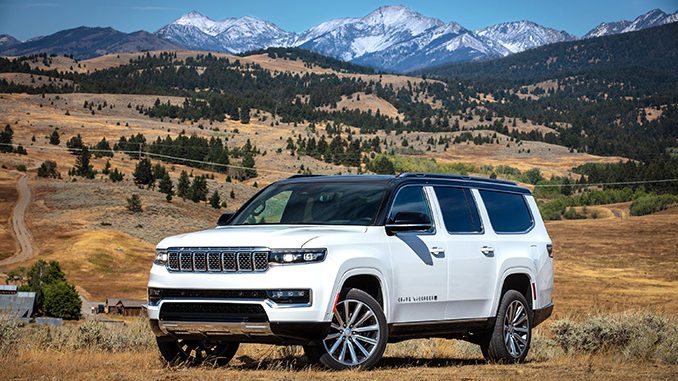
The exterior of a full-size luxury SUV is more than a silhouette—it’s a promise. The Jeep Wagoneer and Grand Wagoneer present a stance that reads as assured from a distance, with sculpted surfaces that manage to look both substantial and elegantly controlled. Body lines trace themselves across the front fascia and along the sides with a deliberate cadence. Even in still imagery, the vehicle’s proportions suggest a kind of solidity you can feel.
Expect a design language that favors grandeur without chaos. The signature lighting elements, grille presence, and overall stance create a familiar Jeep identity—refined for a higher tier. This is the type of styling that photographs well, yes, but more importantly, it makes an impression in motion.

Grand Presence: Full-Size Proportions and Seating for Real Life
Luxury becomes more meaningful when it solves actual problems: who rides with you, where luggage goes, and how comfortably everyone can coexist. The Wagoneer/Grand Wagoneer platform is built with generous interior volume and a family-and-friends mindset. Many trims are designed to support up to eight passengers, which transforms the vehicle from “transportation” into a mobile gathering space.
For travelers, that translates to fewer compromises. For daily commuting, it means more flexibility. Want to bring family members without downsizing? You can. Need space for weekend plans? The layout is intended to support that momentum.
Craftsmanship Inside: Materials, Texture, and a Sense of Order
Step into the cabin and the atmosphere shifts from automotive to architectural. Luxury vehicles often rely on glossy surfaces and visual tricks. Here, the emphasis is on composition—surfaces that feel thoughtfully integrated, materials that appear chosen rather than assembled, and design lines that guide the eye instead of scattering it.
In a Grand Wagoneer, the interior typically highlights upscale detailing with an elevated, gallery-like presentation. The cabin can feel expansive because it’s organized that way. Rather than overwhelming you with clutter, it allows space for calm. Even the way controls are positioned can seem like a quiet conversation: intuitive, reachable, and designed for habitual use.
Expect a premium atmosphere that remains comfortable for long drives. That matters. A luxury SUV should not only impress at the dealership—it should remain agreeable after hours on the road.
Infotainment and Technology: Navigating Modern Life Smoothly
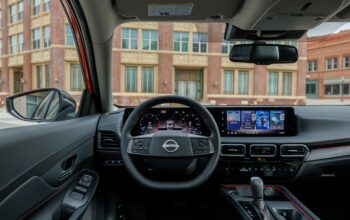
Modern luxury isn’t defined solely by materials. It’s defined by how effortlessly the vehicle helps you conduct your day. Readers can anticipate advanced infotainment features, a well-integrated interface, and the kind of connectivity that reduces friction. Pairing devices, finding routes, managing media, and adjusting cabin settings should feel like second nature.
In a Grand Wagoneer experience, the technology is typically presented with clarity—interfaces that prioritize legibility and reduce the mental load of driving. Expect an emphasis on usability: fewer hunting gestures, more direct control, and a dashboard layout that supports both driver and passenger confidence.
Comfort Engineering: Seating, Climate, and Quiet Confidence
Luxury comfort isn’t accidental. It’s engineered. For long journeys, the cabin’s comfort package becomes the difference between arriving energized or arriving exhausted. In this SUV class, expect seating designed to support extended rides, along with climate systems intended to keep temperatures stable across the cabin.
Long-wheel-base configurations often enhance rear-seat comfort. That extra space can make a notable difference for passengers—especially when a trip stretches beyond the “just a few errands” horizon.
Then there’s the auditory experience. Premium SUVs aim to dampen unwanted noise—so conversations don’t need to compete with wind and road sound. The result is a calmer cabin, which feels like luxury you can’t fully see, but you absolutely notice.
Performance and Driveability: Big SUV, Tamed by Refinement
Full-size luxury vehicles need to do more than look imposing. Readers should expect an approach to performance that balances power with composure. The goal is a drive feel that is confident at highway speed and steady in everyday maneuvers.
In the Wagoneer/Grand Wagoneer lineup, the driving experience is typically tuned to provide smooth acceleration and a composed ride. That doesn’t mean it feels generic. A refined SUV should still respond with purpose—steering that feels connected, braking that inspires trust, and power delivery that avoids harshness.
Whether you’re merging quickly or cruising steadily, the intent is clear: luxury must be functional, not ornamental.
Capability Beyond the Paved Road
Even when a luxury SUV primarily serves city and highway life, the underlying capability matters. Jeep branding brings an expectation of trail-ready readiness, and readers can typically find systems designed to support confident traction in varying conditions.
Capability can mean different things: weekend escapes on unpaved roads, seasonal weather, or simply having the reassurance that the vehicle can handle changing terrain. The Grand Wagoneer approach aims to keep that competence while preserving the comfort that defines true luxury.
Practical Details: Storage, Flexibility, and Everyday Convenience
Luxury isn’t only about what’s impressive—it’s about what’s useful. Expect to find thoughtful storage solutions that accommodate daily life: places for bags, containers, devices, and the everyday spill of essentials. With an eight-seat layout, the configuration becomes a strategy rather than a limitation.
For many buyers, the real question is how the vehicle performs when it’s actually carrying people and gear. The Wagoneer/Grand Wagoneer design philosophy generally supports that scenario with flexible seating arrangements and a cabin that feels ready for both school runs and road trips.
Choosing Between Wagoneer and Grand Wagoneer: What Changes the Experience
Readers often compare Wagoneer and Grand Wagoneer as if they were simply different sizes. They’re not. They represent different levels of indulgence. The Wagoneer tends to deliver a highly polished luxury baseline, while the Grand Wagoneer often elevates the experience further—especially in terms of interior atmosphere, refined presentation, and the sense of a more ceremonial cabin.
As you compare trims and configurations, focus on the elements that matter most: seating needs, preferred technology, desired comfort features, and whether you value long-wheel-base spaciousness for rear passengers. A luxury purchase is personal. The best choice is the one that aligns with your routines and your definitions of comfort.
Ownership Expectations: Value, Maintenance Mindset, and Longevity
Luxury vehicles can be wonderfully satisfying, but they also invite a different ownership mindset. Buyers should consider how the vehicle’s premium systems—technology, comfort features, and materials—fit into their maintenance plans. Regular service, timely inspections, and mindful care help preserve the “newness” of the experience.
Longevity is where well-engineered comfort shines. When a cabin is designed to reduce fatigue and when ride quality remains composed, ownership becomes less about worry and more about consistent pleasure.
Why This Luxury Full-Size Jeep Still Resonates
Some SUVs feel like products. The Wagoneer and Grand Wagoneer feel more like destinations—vehicles you choose not only for their specs, but for their atmosphere. They represent a blend of heritage and refinement: Jeep identity paired with a premium, human-centered cabin.
Whether your driving life is filled with family logistics, weekend journeys, or long highway stretches, the luxury full-size Jeep concept aims to meet you with poise. The design speaks. The interior welcomes. The technology supports. And the ride—quiet, controlled, and confident—turns travel into something closer to a ritual.
Final Thoughts: A Cabin Built for Your Next Chapter
Jeep Wagoneer and Grand Wagoneer are luxury full-size SUVs that treat comfort as a science and style as a language. From commanding exterior presence to an interior designed for calm, from modern tech integration to capability that doesn’t compromise refinement, these vehicles are built for people who want more than movement—they want experience.
If you’re looking for a premium SUV that can host a crowd, smooth the road, and elevate the ordinary into something memorable, the Wagoneer and Grand Wagoneer belong in the conversation. Step in, feel the order of the cabin, and let the journey begin—because luxury, at its best, is not a feature. It’s a feeling that stays with you.