The Chevrolet Suburban has always carried itself like a moving headquarters—equal parts family vehicle and freight-friendly platform. In this review, the spotlight falls on its most persuasive trait: the ability to swallow cargo with uncommon ease while still feeling composed on the highway. Whether you’re planning a weekend expedition, outfitting a small business, or simply hauling the detritus that life accumulates, the Suburban’s cargo versatility can turn routine errands into a well-orchestrated logistics exercise. And unlike many large SUVs that feel boxy and strained, the Suburban strives for a calm, controlled presence, even when the interior is packed to the brim.
What follows is a detailed tour of what readers can expect when evaluating the Suburban as an ultimate cargo hauler—covering interior space, practical storage strategies, seating configurations, usability features, and the subtle design choices that make packing less of a chore and more of a system.
Cargo Capacity That Feels Effortless
The Suburban’s cargo reputation isn’t built on marketing slogans—it’s reinforced by the way the cabin is shaped and how space is apportioned. With a generous cargo area behind the third row and meaningful room in the rear when seats are folded, the vehicle becomes less like an SUV and more like a mobile utility bay. The floor layout is designed to be practical rather than precious. Corners are usable, and loading sightlines generally make it easier to judge clearance and placement.
Readers exploring cargo capacity will appreciate that the Suburban accommodates both bulky items and neatly organized loads. Stack a set of suitcases and coolers for a family trip, or fit flatter, awkward cargo like moving boxes and equipment cases without needing a geometry degree. The point is not merely “how much,” but “how well” the space converts to real-world utility.

Third-Row and Second-Row Flexibility
Any serious cargo hauler lives or dies by its seating flexibility. The Suburban’s configuration options allow the rear compartment to transform in a relatively straightforward manner, letting you switch between passenger duty and cargo priority. When the third row is folded, the remaining space becomes a long, continuous zone—ideal for transporting larger items that don’t want to negotiate stairs and folds.
Switching between modes is where the Suburban’s personality becomes especially compelling. You can start the morning with passengers onboard, then pivot midweek to haul supplies. The second row’s adjustability further expands the available room, helping you manage cargo and people without playing constant interior Tetris.
In practical terms, this means families won’t have to choose between a comfortable ride and a fully loaded trunk. Meanwhile, jobsite-minded owners can keep the cabin arranged so they aren’t constantly juggling tools, bins, and personal belongings.
How the Interior Stores the “Stuff Between the Stuff”
Cargo capacity is only half the story; the other half is friction management—reducing the chaos of items that slide, rattle, or disappear into unreachable crevices. The Suburban’s interior includes multiple storage touchpoints, enabling drivers to segregate essentials from bulky loads. This matters more than it sounds. A cargo area that’s big enough but poorly organized can feel cramped the moment you add small items like chargers, cleaning supplies, sports accessories, or food containers.
Instead of treating the interior like one giant bin, the Suburban encourages compartmental thinking. Clear separation prevents clutter from spreading into your usable space and helps keep heavy items from becoming the loudest things in the vehicle. Short and long trips both benefit from this design philosophy.
Loading and Unloading: The Real-World Test
Even the largest cargo area becomes frustrating if loading is awkward. The Suburban addresses this with a practical approach to opening size, rear accessibility, and general usability. The opening is designed to accommodate common haul items—appliance boxes, luggage sets, and flattened packages—while still allowing a confident reach. When the vehicle is packed, the rear area’s shape remains favorable for positioning cargo without excessive maneuvering.
Readers will likely notice that unloading feels less like negotiating obstacles. You can pull items out in a more orderly sequence, which is particularly valuable when transporting groceries, gear, or anything that needs to stay intact. Long sentences and complex projects tend to crumble under small inconveniences; the Suburban aims to prevent that collapse through thoughtful everyday usability.
Roof-Ready Thinking and Bulkier Hauls
While the cabin handles a great deal, some cargo refuses to behave. Kayaks, ladders, oversized equipment, and long boards often require a different strategy. The Suburban’s overall hauling orientation typically supports roof-mounted solutions and towing arrangements, giving it flexibility for extended payload types.
This is where readers should view the Suburban as a platform rather than a single compartment. The vehicle can adapt to varied scenarios—improvised weekend escapes, structured jobsite runs, or even moving-day logistics—by distributing cargo across interior space, roof carrying solutions, and, when appropriate, towing.
Towing Capability and Cargo Synergy
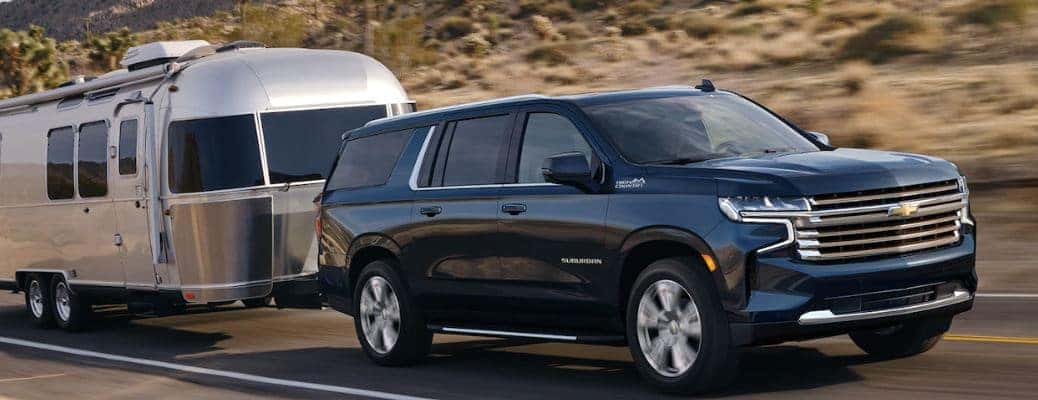
An ultimate cargo hauler rarely stops at the interior. The Suburban’s towing capability meaningfully complements its cargo utility, creating a two-part hauling system. For many owners, the combined concept is what transforms a large SUV into a full-time transport companion: tow the trailer, then use the cabin for tools, supplies, and personal items you need within reach.
When towing and cargo work together, the Suburban’s spaciousness becomes strategic. You can keep your essentials accessible while offloading bulk to a trailer. That prevents the vehicle from turning into a storage closet where nothing is easy to find. In other words, towing capability doesn’t replace cargo space—it amplifies it.

Ride Quality Under Load
Hauling is not only about capacity; it’s about composure. A loaded Suburban needs to feel stable, predictable, and grounded. The suspension tuning and overall vehicle dynamics aim to reduce the sensation of strain when the cabin is full and the rear is carrying heavier weight. It’s the difference between “we can transport it” and “we can transport it without dreading the drive.”
On winding roads, the Suburban’s large form can still feel controlled, provided load distribution is sensible. On highways, reduced buffeting and stable steering behavior become increasingly noticeable as cargo increases. Even when the drive is long, the vehicle aims to maintain a confident, composed rhythm.
Who Should Consider the Suburban as a Cargo Hauler?
The Suburban fits a distinctive profile. Families who frequently travel with multiple layers of gear—strollers, coolers, sports equipment, extra clothing—will find the storage layout aligns with real routines. Outdoor enthusiasts benefit from flexible seating and the ability to stage cargo systematically. People who run home businesses or handle trades work will appreciate the possibility of carrying both bulky materials and everyday tools without turning the cabin into a cluttered scramble.
Even those who don’t think of themselves as “haulers” may still value the Suburban’s cargo approach. It’s excellent for moving, seasonal stocking, and carrying large purchases home in fewer trips. It’s also ideal when life changes suddenly and you need space more quickly than you expected.
Potential Trade-Offs and Practical Considerations
Large vehicles are never free of compromise. With the Suburban’s cargo-focused strengths, buyers should still consider maneuverability in tight spaces and parking constraints. Loading can be simpler than expected, but the vehicle’s size means you’ll want a plan when space is limited—particularly in crowded lots or narrow driveways.
Weight distribution matters as much as volume. Thoughtful packing—heavier items low and forward, securing loose cargo, and maintaining a balanced setup—helps the Suburban deliver a more controlled, confident experience. The best hauling results come from using the vehicle as intended: spacious, versatile, and ready for serious transport tasks.
Final Verdict: The Suburban’s Cargo Identity
The Chevrolet Suburban stands out as an ultimate cargo hauler because its utility is integrated rather than incidental. The interior layout supports flexible seating, practical storage, and straightforward loading. Combined with its broader towing-and-carrying mindset, the Suburban becomes a logistics-capable vehicle that adapts to changing needs—without requiring constant compromise.
In the end, the Suburban doesn’t just offer room. It offers readiness. When cargo becomes a constant—whether for family adventures, work duties, or life’s unpredictable seasons—the Suburban is designed to meet the moment with composure and capability.