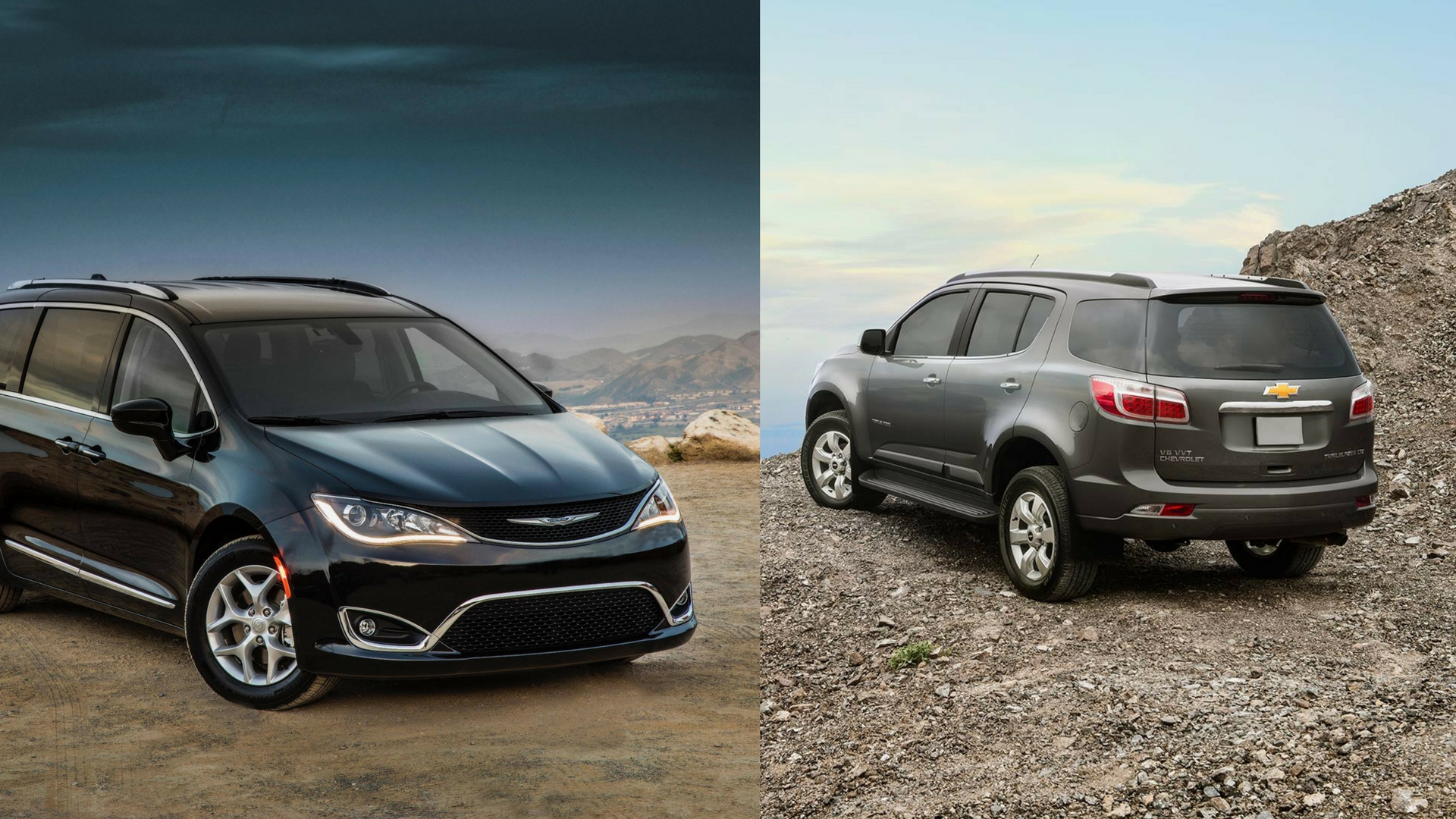
There’s a moment most families recognize—usually on a morning that starts with good intentions and ends with hurried decisions. The calendar is full, the trunk feels imaginary, and every trip asks for a new kind of flexibility. That’s when the debate arrives: should you buy an SUV, or should you commit to a minivan? On paper, both promises seem familiar: comfort, space, and peace of mind. Yet the real difference hides in subtleties—how a vehicle gathers a family into its orbit, how it handles daily friction, and how it transforms “just getting there” into something calmer.
This article asks you to shift perspective. Not from brand slogans to spec sheets, but from your routines to your lived experience. Because when you choose an SUV or a minivan, you’re choosing a daily narrative—one built from doorways, cargo geometry, seating choreography, and the quiet confidence of knowing you can do the next thing without wrestling the last one.
The first plot twist: What your “space” really means
“Space” is a word people throw around like confetti, but it’s rarely precise. In practice, space has dimensions—height for cargo, length for groceries, and width for the awkward bulges of real life. A minivan tends to offer a more conversational kind of roominess. The sliding doors glide open with minimal fuss, as if the vehicle anticipates your hands will be full. Loading feels less like a negotiation and more like a routine.
An SUV, on the other hand, is often the victor in perceived grandeur. Higher seating positions create an airy vantage point. The cabin can feel like a command center. But the trade-off can appear during the “reach and lift” moments: placing a stroller, settling a car seat, or pulling a cooler from the cargo area.

Here’s the perspective shift: ask yourself not just how much space you have, but how often you must access it while multitasking. When the frequency is high, convenience becomes a form of savings—of time, energy, and patience.
Seating choreography: how families actually live inside a vehicle
Seat layouts are where the emotional difference becomes tangible. Minivans typically emphasize ease of entry and exit. The sliding doors can reduce parking-lot stress, especially in tight spaces where car doors must behave like cautious neighbors. The third row—when needed—can feel reachable rather than remote.
SUV seating is usually more upright and expansive, which can feel empowering for drivers and passengers alike. Legroom can be generous, and many models offer a comfortable second row suited for longer drives. Yet third-row access can be more demanding depending on the vehicle height and seat design. Think of it as the difference between stepping into a room and climbing into a balcony.
Also consider child logistics. Car seats, boosters, and seatbelt routing require moments of precision. Minivans often win here with lower floor heights and fewer contortions. SUVs can still work beautifully—especially for families willing to fine-tune installation and using professional guidance—but the minivan’s geometry is often friendlier by default.
Comfort and ride feel: the softer science of suspension
Every family has its own definition of comfort. Some seek a smooth ride over imperfections. Others want reduced noise so conversations don’t constantly compete with road texture. Minivans frequently deliver an experience that feels composed—an almost effortless glide over uneven surfaces. The cabin can feel like a stable pocket of quiet.
SUVs vary widely by configuration, but many are engineered to feel confident on different terrains. That can mean firmer control, which some drivers interpret as “sportiness.” Yet that same firmness can translate into a more pronounced response to bumps—noticeable when you’re carrying children, groceries, or anything that doesn’t love sudden motion.
So ask yourself: do you want the vehicle to adapt to the road, or do you want to negotiate with the road? Neither approach is wrong. The key is matching your expectations with the vehicle’s temperament.
Versatility beyond the typical weekend trip
Families don’t only go to soccer. They also go to quick errands that become longer than planned. They transport backpacks, sports gear, blankets, and the kind of supplies that multiply without permission. This is where minivans tend to shine due to their flexible cargo access and practical interior layout.
Minivans often make it easier to switch from passenger mode to cargo mode quickly. A back row can fold to create a flatter, more usable space. The sliding doors also reduce the “you have to open everything like a stage production” feeling when loading in public.
SUVs can be incredibly versatile too—especially with roof racks, towing capabilities, and clever storage solutions. For families who chase outdoor adventures, camp setups, or frequent road-trips with bulky equipment, an SUV’s stance and available power can be compelling.
Here’s a useful mental experiment: imagine you’re loading the vehicle in one minute. Which vehicle makes that scenario feel plausible, not heroic?
Fuel economy and operating costs: the less glamorous truth
It’s tempting to chase headlines about performance. Yet family budgets live in quieter numbers—fuel usage, maintenance intervals, tire costs, and how often the vehicle feels expensive to run. Minivans often offer competitive efficiency, especially in configurations tuned for everyday commuting. Their weight and aerodynamics can align well with predictable usage.
SUVs can also be efficient, particularly with smaller engines or hybrid options where available. But larger, more powerful, and more elevated SUVs can climb costs faster, especially if you routinely drive in stop-and-go conditions.
Try not to obsess over a single spec. Instead, calculate your real pattern: your typical miles, your driving style, and your seasonality. Efficiency isn’t a trophy. It’s a long-term rhythm.
Technology and safety: the modern family shield
Safety features have evolved into a kind of invisible guardian. Advanced driver-assistance systems—like automatic emergency braking, lane-keeping support, and adaptive cruise control—help reduce fatigue and improve reaction time. Both minivans and SUVs offer modern safety suites, but the experience of safety matters.
Minivan visibility is often praised due to the upright cabin and wide glass. And because sliding doors and easier access reduce stress around children, safety becomes not only mechanical but behavioral. Less rushing means fewer mistakes.
SUVs can deliver strong sightlines as well, particularly with higher seating. Towing and off-road capability can matter for safety if your routes include uneven terrain or weather challenges. The best choice is the one that matches your environment.
When you should choose an SUV
Pick an SUV if your family’s lifestyle leans toward height, capability, and outdoor readiness. If you regularly transport larger items, tow equipment, or travel on rougher roads, the SUV’s structural confidence and stance can be the better companion.
Choose it also if you prefer an upright driving experience, enjoy a more commanding viewpoint, and want a vehicle that feels versatile for both family errands and adventurous detours.
When you should choose a minivan
Choose a minivan if your priority is daily ease, quick access, and a cabin designed for the choreography of family life. Sliding doors are not a novelty; they’re a practical reduction of friction. If your life includes car seats, frequent drop-offs, crowded parking lots, and constant “hands full” moments, the minivan often feels like the obvious solution—without needing to announce itself.
It’s also a strong pick for families who frequently carry multiple passengers plus luggage, where flexible cargo space and calmer loading routines can make every trip smoother.

The test-drive that reveals the truth
Specs can be persuasive, but a test drive can be decisive. Sit in each row. Try opening the doors—imagine your hands are full. Load and unload as if you’re running late. If possible, practice car-seat positioning or simulate the process of swapping between passengers and cargo.
Pay attention to sound levels, steering calmness, and how quickly you can get comfortable. Notice how the vehicle supports the family rhythm: getting in, settling down, and staying relaxed.
Final thoughts: choose the vehicle that respects your time
The SUV vs. minivan question isn’t really about preference. It’s about alignment—your priorities meeting the vehicle’s instincts. An SUV can feel like a sturdy promise of capability, especially when you need height, towing, and adventure-ready confidence. A minivan can feel like a quiet masterplan for daily convenience, transforming the chaotic parts of family life into something smoother and more predictable.
So let the decision come from your reality, not your imagination. Picture the week ahead: the errands, the school routines, the trips that arrive unexpectedly. Then choose the vehicle that makes those moments feel less like logistics and more like life—steady, comfortable, and ready for whatever comes next.