What happens when a crossover forgets to brag and instead chooses to pamper? The Nissan Murano answers that question with a quiet confidence—less “look at me,” more “feel this.” It’s a comfort-focused midsize SUV designed to glide through daily commutes, soften the chaos of errands, and make long stretches of highway feel less like a chore and more like a ritual.
But here’s the playful twist: if you fall for comfort at first touch, will you also accept the occasional tradeoff that comes with prioritizing softness? The Murano doesn’t try to win every contest. It prefers serenity, and that preference can create a potential challenge—one that becomes clearer the more you push beyond the usual routine.
First Impressions: A Cabin Built for Relaxation
Slide into the Murano and the mood changes immediately. The cabin feels intentionally composed, like someone ironed out the wrinkles of a hectic day. Materials are chosen with a focus on tactile satisfaction. Surfaces look purposeful rather than flashy. Even the seating position feels arranged for comfort, not contortion.
The overall design is roomy without becoming bulky. Sightlines are generally friendly, and the dash layout avoids the sensation of being buried in controls. Short trips feel effortless. Longer trips feel less draining. That’s the point. The Murano is a “settle in” kind of crossover.
Still, comfort can sometimes invite complacency. If you expect the firm, sporty sort of support that erases body roll like magic, the Murano’s temperament may feel more cushion-forward than corner-forward. It’s not wrong—it’s just different. And learning its rhythm is part of the ownership experience.
Seating and Ergonomics: Where Comfort Becomes Habit
Comfort isn’t only about soft cushioning; it’s also about ergonomics. The Murano’s front seats are designed to encourage longer wear without fatigue. Headroom and legroom create a relaxed sense of space. Even when the road gets busy, the cabin tries to keep you in a calmer psychological lane.
In the rear, passengers generally find seating that’s easy to live with. The back seat isn’t treated like an afterthought. It’s practical, supportive enough for everyday travel, and appropriate for families, friends, or the occasional “just one more stop” scenario.
Here’s a potential challenge worth considering: if you regularly transport taller passengers, pay attention to how headroom and seat contours match your body. A seat that feels ideal for one driver can feel merely “fine” for another. Comfort is personal, and the Murano leans toward the broadly welcoming side rather than the hyper-specific performance side.
Ride Quality: The Art of Smoothing the Road
The Murano tends to treat road imperfections like minor inconveniences rather than personal insults. The suspension tuning emphasizes compliance. That means potholes, rough pavement, and imperfect asphalt usually register as vibrations softened by the time they reach the cabin.
On highways, the ride grows steadier. The SUV feels composed over long distances, which helps reduce the mental load of constant corrections. You notice the quiet—how the vehicle seems to cushion your attention.
But if you’re the kind of driver who measures a car by how sharply it responds during quick lane changes, you may find the steering and suspension personalities less “eager.” Comfort-tuned suspension can reduce the crispness some drivers crave. The challenge, then, is aligning expectations with intention: the Murano is built to soothe, not to dominate.
Noise, Vibration, and Viscosity of Everyday Life
Quiet cabins are often described with broad strokes, but what matters is how noise behaves across conditions. The Murano aims to limit intrusion at cruising speeds, making conversations easier and music more immersive. Wind noise tends to be manageable, especially when compared with harsher-riding rivals.
Vibration control also plays a role in comfort. The less the cabin “talks back,” the easier it is to forget you’re driving. That effect can be subtle, yet it adds up—particularly during commute cycles that would otherwise feel monotonous.
Still, comfort-minded tuning sometimes means trading away a bit of feedback. Drivers who enjoy feeling every contour of the road may interpret reduced communication as dullness. The Murano chooses serenity, and serenity can feel like a muted instrument panel if you’re wired for stimulation.
Infotainment and Usability: Keeping Life Simple
A comfort-focused crossover must also handle daily friction: buttons that make sense, displays that don’t demand a second thought, and controls that are easy to operate while the car is moving. The Murano’s interface is designed to be approachable. Menus generally feel straightforward, and common functions are reachable without drama.
Connectivity options—such as smartphone integration—help the cabin become a mobile command center. Pairing and selecting audio should not require a ritual. When the system behaves predictably, your time is spent on driving rather than troubleshooting.
Here’s a playful caution: comfort can encourage longer journeys. If you often drive with multiple devices, passengers, and playlists, you’ll want to ensure the system’s behavior remains consistent for everyone. Smooth tech is part of comfort, even if it hides in the background.
Space and Cargo: Comfort That Extends Beyond Seats
Comfort isn’t only vertical. It also lives in storage. The Murano provides practical cargo capacity for groceries, weekend gear, and the everyday overflow that makes life feel lived-in. The cargo area is designed for usability—an important quality when you’re not traveling in a showroom fantasy.
Folding or accessing cargo space should feel logical, not cumbersome. When the SUV can swallow the extras without complaint, it strengthens the Murano’s “settle in” identity. This crossover doesn’t just carry people; it accommodates plans.
If you frequently haul bulky items, take note of how rear access matches your typical load. Comfort vehicles sometimes prioritize smooth handling and spacious cabins over boxy cargo geometry. The tradeoff may be minor, but it’s worth checking against your real-world routine.
Power and Efficiency: Smoothness Over Spectacle
Performance in a comfort-focused crossover often means throttle response that feels calm and traction that inspires confidence. The Murano’s driving character typically prioritizes smooth acceleration rather than aggressive thrust. It’s designed for everyday momentum—merging, passing, and climbing grades without forcing you to wrestle the vehicle.
On urban streets, the Murano feels composed, and the power delivery generally supports relaxed driving. On longer routes, it settles into a steady rhythm that reduces fatigue. That’s a major part of comfort: the sensation that the car won’t surprise you in a bad way.
Still, if your ideal driving includes frequent spirited acceleration or frequent high-speed overtakes, you may notice the limits of a comfort-biased setup. The challenge here is expectation management. The Murano is built for the journey’s tone, not for a stopwatch.
Safety and Confidence: A Calm Mind Starts with Control
Comfort is easier to enjoy when you feel secure. The Murano is equipped with safety technologies aimed at reducing driver workload. Driver-assist features can help with lane awareness, collision avoidance, and situational scanning, especially in traffic and during long drives.
When safety systems are integrated well, the cabin feels like a supportive space rather than a place where you must constantly compensate. It doesn’t eliminate attention—no vehicle can—but it can lower cognitive strain.
A potential challenge emerges if you rely too heavily on alerts. Many drivers experience a learning curve with driver-assist systems: sensitivity settings, alert timing, and how the vehicle behaves in odd conditions. Comfortable driving also means calibrating your relationship with the technology.
Design and Exterior Presence: Comfortable, Not Compromised
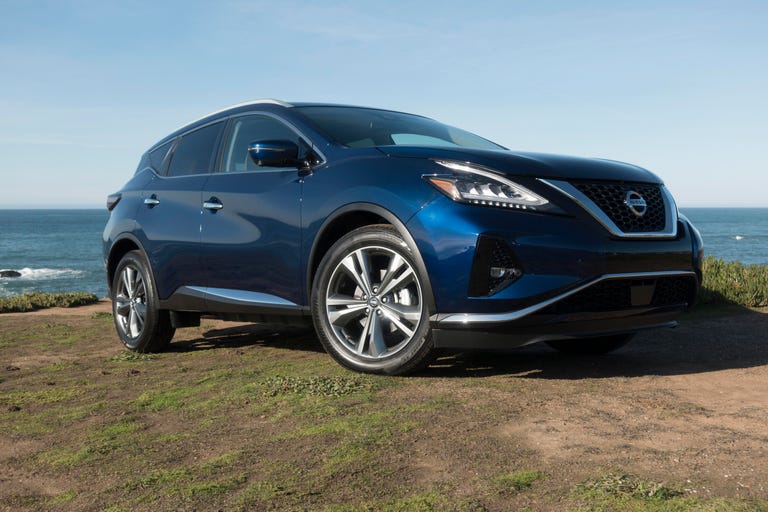
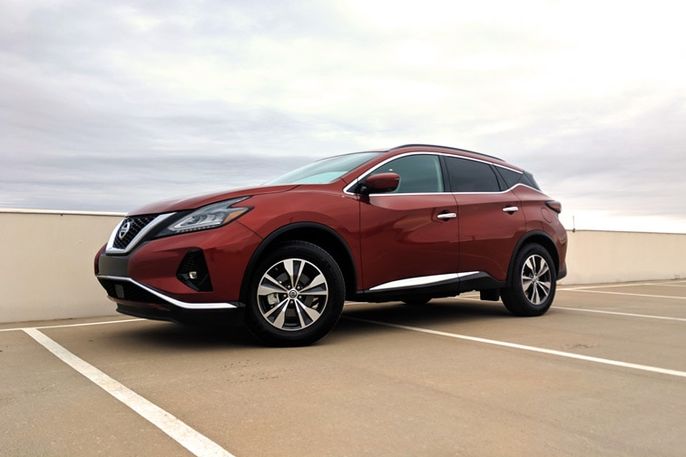
Outside, the Murano projects a modern identity. Its styling suggests refinement and ease. It doesn’t look like it’s trying to dominate the driveway; it looks like it belongs to people who value daily comfort.
The visual balance matters. A crossover’s presence influences how it feels to live with it. When the design is cohesive, you spend less time judging aesthetics and more time enjoying the experience.

Yet, style preference is subjective. Some buyers might want sportier cues—sharper lines, more aggressive stance, or a more performance-forward vibe. The Murano’s design leans toward tasteful composure.
The Verdict: Comfort-Focused, Expectation-Adjusted
The Nissan Murano is a comfort-first crossover that treats the everyday journey like something worth savoring. The cabin invites relaxation. The ride works to soften harsh surfaces. Noise levels tend to stay polite. The usability supports routine living, and the overall experience feels designed to reduce stress.
Now the earlier question returns, with a grin: if comfort captivates you, will you also accept that comfort has its own rulebook? The Murano’s potential challenge isn’t a flaw—it’s a philosophy. Expect calmness over sharpness. Prioritize serenity over sprint-like urgency. If your lifestyle matches that tone, the Murano can feel like the best kind of companion: steady, forgiving, and quietly confident.
In the end, the Murano doesn’t ask you to drive like a hero. It asks you to live like you have time. And for many drivers, that’s the most compelling feature of all.