There’s a particular kind of quiet thrill that settles over the cab when pavement ends. It isn’t only the dust in the air or the suspension learning the language of ruts—it’s the feeling that the horizon can be bargained with. Off-road SUVs in 2026 aren’t merely getting tougher. They’re becoming more considered: better at sipping time and fuel, steadier on washboard, and more capable of carrying comfort without compromising traction. Many drivers notice that modern off-road packages seem “over-engineered.” The deeper truth is simpler and more fascinating: engineering has caught up with the way people actually travel—longer routes, smaller margins for error, and a stronger desire to return with stories worth retelling.
Below is an extensive look at the best 2026 off-road SUVs for overlanding and trails—vehicles designed to turn uncertainty into a manageable variable. Some will impress with electrified ambition; others with proven off-road DNA. Either way, each option reflects a shared fascination: the belief that a well-prepared machine can make the wild feel navigable, even when it isn’t.
What “Best for Overlanding” Really Means in 2026
Overlanding has evolved. It’s no longer just a weekend escape with a tent. It’s a mobile expedition where the vehicle must be a campsite, a navigation hub, and a resilience system. The common observation is that off-road SUVs are judged by ground clearance and tire size. Those matter, but the deeper reasons are behavioral: the best overlanders reduce cognitive load. They make it easier to stay calm when traction drops, temperatures rise, or visibility becomes a sketchy suggestion.
In 2026, you’ll want to evaluate four pillars. First is off-road control—traction management, brake-based torque control, and dependable low-range behavior. Second is durability-minded comfort: suspension tuning that avoids fatigue, seating that supports long stints, and cabin insulation that doesn’t turn every rock strike into a headache. Third is power delivery: not just horsepower, but throttle mapping that behaves predictably on climbs. Fourth is logistics—storage volume, roof load practicality, and how easily the vehicle accepts accessories like awnings, recovery gear, and spare fuel solutions.
When those pillars align, the SUV stops being a compromise and becomes a facilitator. That’s why the most capable machines feel less intimidating than their specifications suggest.
Electrified Off-Road: The 2026 Scout SUV for Modern Expeditions
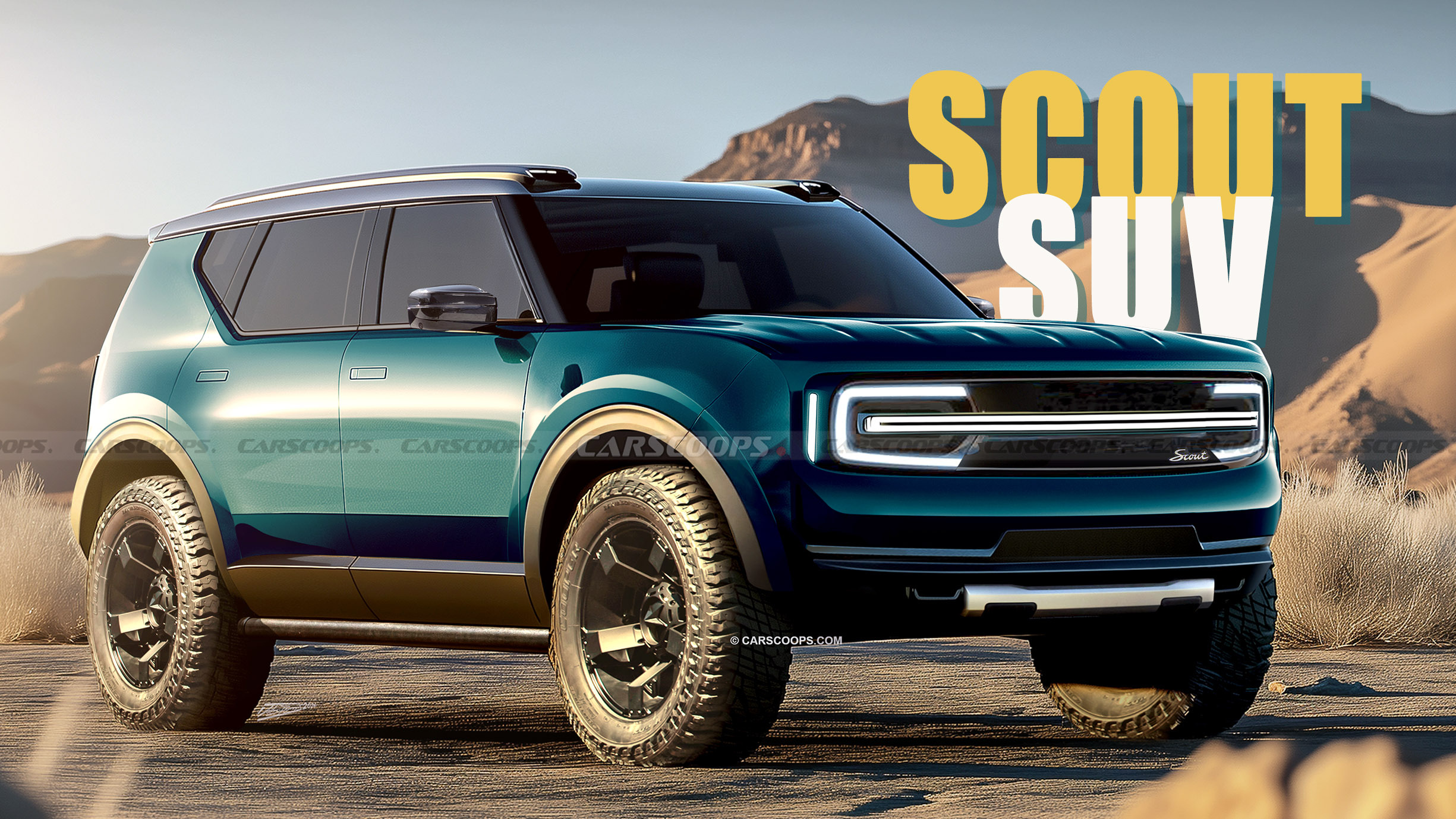
Some people expect electrification to be a tease for paved commutes. But in off-road circles, there’s a growing fascination with what electric torque can do when the trail turns moody. The 2026 Scout SUV leans into that idea with a focus on off-road readiness and an electrified mindset that prioritizes controllable power. Electric drivetrains can deliver instant torque with remarkable consistency, which helps when traction is patchy—think wet rock, loose gravel, or uneven sand where hesitation costs momentum.
What makes this SUV compelling for overlanding is not only its electrified character, but its off-road tone: a vehicle that seems designed to be used, not merely displayed. The emphasis on rugged capability signals a belief that expedition planning should be simpler. Less time wrestling the vehicle. More time reading the terrain.
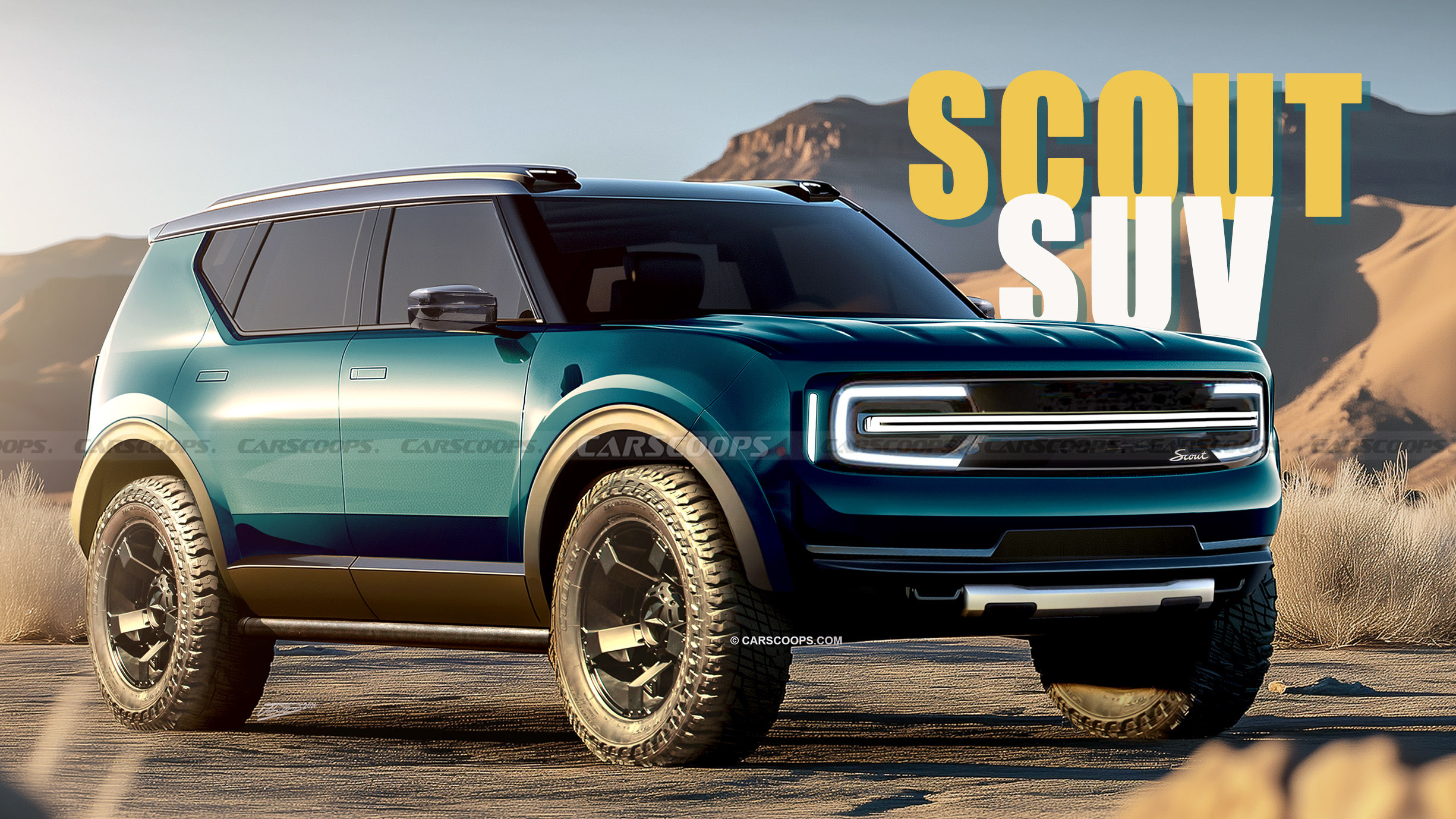
Of course, the real-world question is always range and charging strategy. Overlanders who choose electrified off-road vehicles tend to become more intentional planners. They map charging with the same focus some travelers reserve for campfire timing. That behavioral shift is part of the fascination. The journey becomes less improvisational—and somehow more immersive—because every stop has a purpose beyond convenience.
All-Terrain Confidence: The 2026 Honda Passport TrailSport
The 2026 Honda Passport TrailSport channels a different kind of authority: approachable ruggedness backed by refinement. Many drivers assume trail-ready SUVs have to feel harsh or overly complex. The TrailSport counters that with an identity centered on everyday habitability—capable for trails, comfortable for long drives, and easier to live with when the trip isn’t a dedicated expedition.
TrailSport variants typically emphasize suspension tuning and traction control systems that help manage varying surfaces. That matters because the trail rarely behaves like a textbook. You’ll encounter transitions: hardpack to loose dirt, dry dust to damp mud, smooth grades to step-like ruts. A capable SUV in these moments is the one that doesn’t demand constant corrections. It holds line. It stabilizes. It gives the driver confidence to focus on sightlines.

The deeper attraction here is psychology. A vehicle that feels intuitive encourages more off-road time. People tend to take routes they would otherwise avoid when they trust the platform. That trust grows not from sheer toughness alone, but from how the SUV responds when you’re tired—late afternoon, long climb, or after hours of concentration. TrailSport-style competence makes trails feel less like a gamble and more like a chosen path.
Traction Systems That Don’t Panic: Key Technologies to Look For
The best 2026 off-road SUVs share a subtle trait: they manage traction without sounding dramatic. Modern traction control and off-road modes increasingly blend multiple systems—engine torque delivery, transmission behavior, and brake modulation—so the vehicle can regain grip smoothly. The important detail is consistency. You want interventions that feel like steady hands, not frantic overcorrection.
Look for drivetrain modes that allow fine control. Low-range gearing is also essential for slow, technical sections, especially when you’re threading between rocks or crossing soft ground. A low-range setup should feel calm, with minimal hunting between gears. That calmness reduces driver fatigue and improves decision-making.
Another underappreciated detail is tire and wheel compatibility. Some SUVs are “capable” on paper but struggle with real-world tire variability. The best 2026 models are friendlier to common all-terrain sizes and accessory ecosystems, so your build can evolve with your preferences rather than fight the vehicle.
Suspension and Ground Clearance: More Than Numbers
Ground clearance is often treated like a scoreboard. But overlanding punishes more than low clearance; it punishes unpredictable motion. The best SUVs for trails in 2026 tune suspension to reduce bottoming on irregular terrain. That means improved bump travel, better damping, and geometry that supports stability when wheels drop or articulate.
Equally important is steering feel. On loose surfaces, a vehicle that tracks with confidence helps you steer smoothly rather than abruptly. Smooth steering reduces wheel slip and protects drivetrain components. It also helps when driving at night, when the trail’s shape becomes a series of inferred shadows.
In practice, suspension excellence turns obstacles into “moments” rather than “events.” That is the deeper reason it feels fascinating: you begin to treat obstacles like punctuation, not obstacles to survival.
Power Delivery and Climbing Behavior
Climbing is where vehicle character shows. Throttle mapping and transmission logic determine whether climbs feel controlled or stressful. For overlanding, you want predictable acceleration when traction is questionable. The best 2026 off-road SUVs deliver torque in a way that doesn’t shock the tires, especially on wet rock and loose gravel.
Whether the SUV is electrified or traditional, the goal is the same: maintain momentum without lurching. Electric torque can help when tuned properly, giving quick response without hesitation. Gas-powered drivetrains shine when their torque curve is strong and their off-road calibration is sensible.
A fascinating detail about great climbing SUVs is how they make the driver feel competent. The vehicle doesn’t steal attention; it supports it.
Cargo, Storage, and Recovery Readiness
Overlanding is partly about movement, but mostly about preparation. In 2026, the best off-road SUVs make it easier to carry recovery gear, tools, and essentials without turning the cabin into a cluttered warehouse. Look for usable cargo space, tie-down points, and accessory mounting options for roof racks and traction boards.
Recovery readiness isn’t glamorous. It’s also where good planning saves trips. A practical build should include a winch-ready setup or strong towing capabilities, rated shackles or compatible tow points, and traction aids. The SUV should also protect your gear during vibration and temperature swings.
When storage is well designed, the mind relaxes. Less time rearranging supplies. More time enjoying the landscape.
Comfort as a Capability: Long Trips, Real Wear
Off-road comfort isn’t softness. It’s endurance. Good seats, manageable cabin noise, and stable ride quality help you arrive less fatigued and more alert. Overlanding pushes time on task: long drives, intermittent stops, and late evenings when you’re tired but still need to cook, organize, and plan.
In 2026, the best SUVs blend rugged hardware with usability. That means intuitive infotainment, readable screens in glare, and navigation that encourages calm planning rather than frantic searching.
Comfort becomes capability because it improves performance indirectly. A less weary driver makes better choices. And better choices prevent minor problems from becoming major inconveniences.
Choosing Your Trail Personality
No two travelers want the same kind of freedom. Some chase technical trails with steep grades and tight lines. Others prefer remote roads with softer terrain, where range planning and cargo practicality matter more. The best 2026 off-road SUV is the one that matches your trail personality.
If you want electrified torque with modern expedition thinking, a vehicle like the 2026 Scout SUV can feel like a new chapter. If you prefer a balanced, approachable platform with rugged competence and day-to-day friendliness, the 2026 Honda Passport TrailSport stands out as a confident companion.
Either choice signals something deeper than fandom for specs. It reflects a fascination with preparation as a form of adventure—turning uncertainty into a system you can trust.
Final Thoughts: The Best SUV Is the One You’ll Take Off-Road
In the end, the “best” off-road SUV isn’t the one with the flashiest brochure language. It’s the one that makes you want to leave the paved world more often. In 2026, the most compelling SUVs—whether electrified like the Scout SUV or trail-leaning like the Passport TrailSport—share a quiet mission: reduce friction between you and the trail.
So when you’re deciding, look beyond ground clearance. Evaluate control, comfort, cargo practicality, and the way the vehicle behaves when you’re tired and the terrain is unpredictable. Because the real allure of overlanding isn’t only the destination. It’s the growing sense that the road less traveled can be navigated with confidence—and even curiosity—every single time.