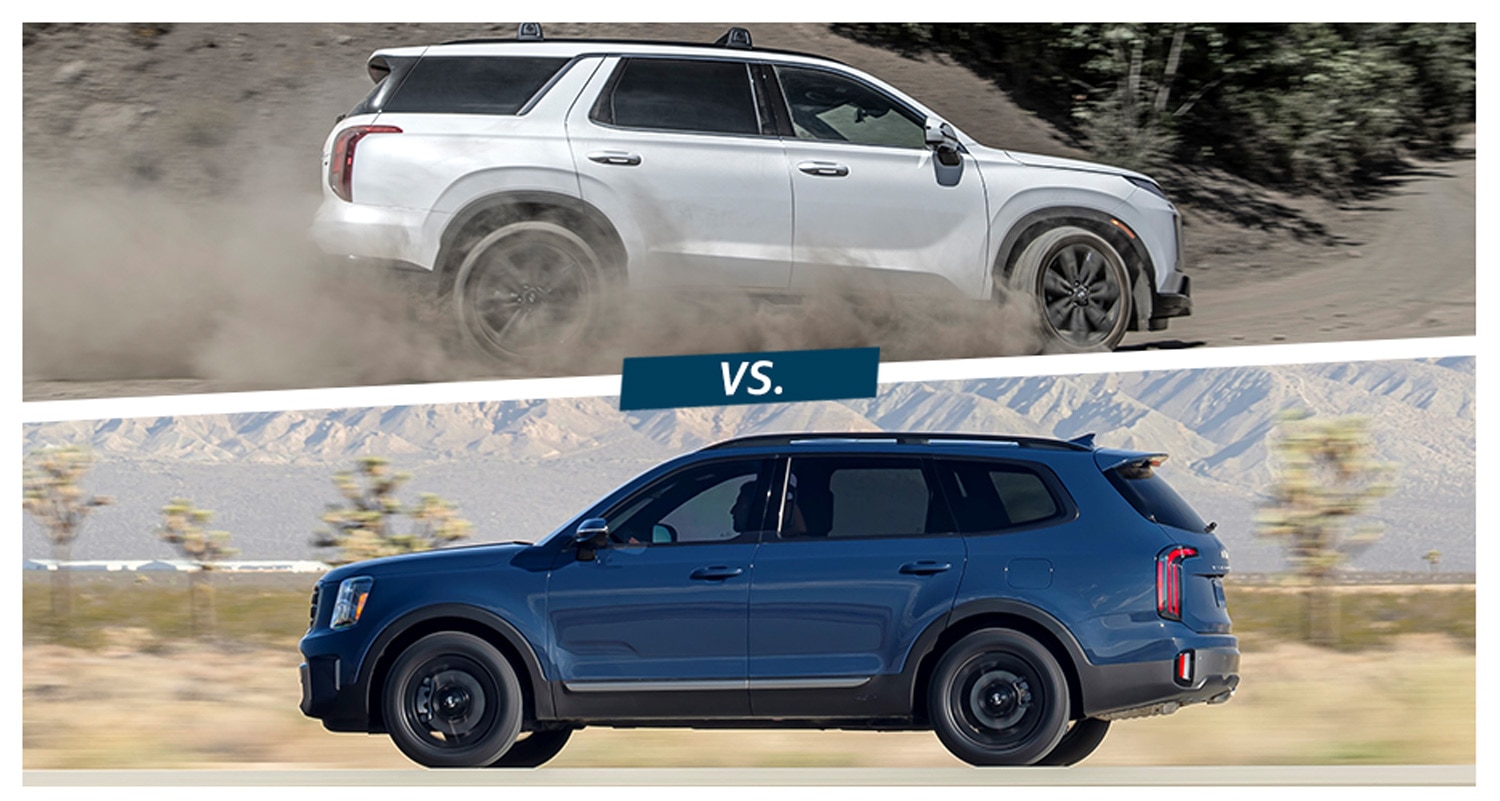
At first glance, the Kia Telluride and the Hyundai Palisade can feel like automotive mirror images—two midsize SUVs wearing remarkably similar intentions. Park them side by side and you may notice a shared philosophy: family-first packaging, a cabin designed to look expensive without being ostentatious, and a commitment to daily usability that doesn’t require a doctorate in vehicle systems. Yet the longer you linger—on the ride quality, the way controls are laid out, the subtle temperament of each engine tune—the more the “twins” comparison starts to feel less like a cliché and more like a small mystery worth solving.
Why do these two vehicles inspire such fascination in the same breath? The common observation is easy: they overlap in size, target audience, and even the vibe of their interior design. But the deeper reasons are more intriguing. Each brand approaches comfort, performance calibration, and value with its own rhythm. The result is a pair of SUVs that can look like siblings from a distance, while behaving like distinct personalities when you actually drive them.
Let’s take the long way around this comparison—through design, powertrains, technology, safety, ownership practicality, and the less obvious factors that often determine which one becomes your “default” choice.
Design Philosophy: Same Family, Different Temperament
The first impression often comes from proportions. Both the Telluride and Palisade aim for a confident, unforced stance: a wide grille presence, strong shoulder lines, and an overall silhouette that reads “solid” rather than “sporty.” They’re designed to feel authoritative in parking lots and calm on highways.
Still, the likeness stops being purely visual once you examine how each one handles details. The Telluride tends to emphasize a robust, chunky elegance—think of it as friendly sturdiness. The Palisade often leans into a smoother, more refined expression—its lines feel choreographed, as if the SUV were dressed for a specific occasion.
Both interiors follow the same genre: upscale materials, generous spacing, and a dashboard layout that tries to reduce friction between intention and action. Yet the “feel” differs. One may invite you to sit back; the other may encourage you to settle in. These are subtle impressions, but they matter because you spend most of your time inside the vehicle.

Interior Comfort and Space: Where the Twins Diverge
In the midsize SUV realm, space is the coin of the realm. Both models attempt to deliver a cabin that feels roomy for adults and forgiving for families. The second and third rows are where satisfaction is often either confirmed or quietly undermined.
The Telluride is typically praised for a straightforward usability advantage—easy ingress and egress, seats that don’t feel like afterthoughts, and a generally airy atmosphere even when the cabin is fully occupied. The Palisade, meanwhile, often shines with a more pampering aura. Its cabin design frequently makes passengers feel “placed” correctly, as though every surface and seam was chosen to soften the everyday.
Legroom and headroom matter, of course, but so does how the cabin absorbs small annoyances. Road noise, seat comfort over time, and the way climate airflow reaches passengers become defining variables on long trips. A vehicle can be technically “spacious” and still feel claustrophobic after an hour. That’s why these comparisons aren’t only about measurements—they’re about lived experience.
Powertrains and Driving Feel: The Same Class, Different Pulse
Both SUVs are engineered for everyday confidence rather than pure track-day drama. They tend to prioritize smoothness, adequate passing power, and predictable transmission behavior under normal conditions.
However, the sensation of acceleration, the way the throttle is calibrated, and how the transmission selects gears can create a noticeable divergence. One may feel slightly more eager at lower speeds, while the other can feel more composed when cruising. These differences don’t always show up in a headline spec sheet, but they surface in the micro-moments: pulling out of a driveway, merging into traffic, climbing a grade while fully loaded.
Handling also plays a role. The midsize SUV sweet spot is “confident but not stiff.” Both vehicles aim for that balance. Still, the suspension tuning and steering weighting can influence how you interpret bumps and lane changes. You might notice one SUV feels a touch more relaxed over uneven pavement, while the other feels more secure with tighter responses.
Technology and Infotainment: Comfort Meets Connectivity
Modern buyers don’t just want features—they want features that behave politely. The Telluride and Palisade both offer in-cabin systems designed to reduce friction: responsive touchscreens, smartphone integration, and connectivity options that support daily life.
Where the fascination deepens is in the user experience. Menu navigation, voice recognition clarity, the placement of physical controls, and the readability of screens in bright sunlight all determine whether technology becomes a helpful assistant or a minor daily nuisance.
Sound systems and cabin charging are also the quiet power players. Families often judge an SUV by how well it supports shared entertainment and how easily devices can be powered without arguments. When these systems work seamlessly, the SUV feels “effortless,” and that’s a kind of luxury money can’t fully capture.
Safety and Driver Assistance: Confidence as a Design Goal
Both SUVs aim to offer a broad suite of safety and driver assistance systems. This is where “twins” might look even closer, because the goal is similar: prevent collisions, reduce fatigue, and make highway driving less taxing.
But the real story lies in calibration. Driver assistance features are only as good as their behavior in the real world—how smoothly they intervene, how consistently they detect lanes and vehicles, and how naturally alerts are communicated. Some drivers prefer systems that feel conservative and unobtrusive; others want more proactive engagement. Your comfort with those nuances can sway the final decision.
Safety also includes physical design: impact structure, seat geometry, and how well the vehicle accommodates child seats. The most protective SUV is the one families can actually use confidently, every day.
Performance for Real Life: Towing, Terrain, and the Art of Being Ready
Many buyers choose midsize SUVs for their versatility: errands, road trips, weekend adventures, and the occasional need to haul. Even if you don’t tow often, you still want the vehicle to handle power delivery under load without drama.
When comparing the Telluride and Palisade, look beyond the idea of “capability” and focus on how the SUV behaves when it’s not empty. Acceleration with passengers aboard, braking confidence on descents, and stability while towing are often what you remember after the trip ends.
In everyday terrain—bumpy roads, sudden rainstorms, and uneven parking lots—traction control and stability systems become more than technical components. They become emotional reassurance, the kind that helps you stay calm instead of calculating.
Ownership Experience: Value, Maintenance, and the Long View
Buying an SUV isn’t a one-time transaction. It’s a relationship with maintenance schedules, warranty coverage, resale value, and the practicality of living with the vehicle.
Both brands tend to emphasize strong value propositions, and ownership costs often weigh heavily in the final verdict. Consider how each model’s service experience fits into your life: dealership availability, parts familiarity, and the simplicity of routine upkeep.
Resale value can also be a deciding factor, especially when families upgrade sooner than expected. A vehicle that ages well—visually and mechanically—holds appeal. That’s not just about design; it’s about engineering decisions made years earlier, including durability-minded component choices.
Which One Fits You Better: The Answer Isn’t Symmetry
If you’re looking for a direct conclusion, the temptation is to label one as “better” and the other as “second.” But the more honest approach is to match the SUV to your priorities.
The Telluride often appeals to drivers who want a comfortable, functional space with a friendly, grounded vibe—an SUV that feels practical without sacrificing a sense of occasion. The Palisade frequently attracts people drawn to a more polished, refined experience—an atmosphere that feels almost lounge-like, with tech and comfort integrated smoothly.
And then there’s the deeper truth: the “twins” comparison is fascinating because it highlights how near-identical categories can produce meaningfully different outcomes. Two SUVs can be comparable in size and capability, yet distinct in how they treat your time. One might reduce fatigue more effectively on long drives. The other might make everyday tasks feel slightly more organized.
Final Thoughts: Two SUVs, One Quest for Belonging
The Kia Telluride and Hyundai Palisade are twins in the sense that they share a target: family comfort, refined utility, and a confident presence. But they’re not identical characters. They approach the same promise through different styling choices, different driving calibrations, and different interior atmospheres.
When you finally close the door and sit down, you’ll feel the difference in the seconds that follow. That’s where the real comparison lives—not in how similar they look, but in how they make life feel. Choose the one that matches your rhythm, your routines, and the kind of calm you want to carry with you wherever the road goes.