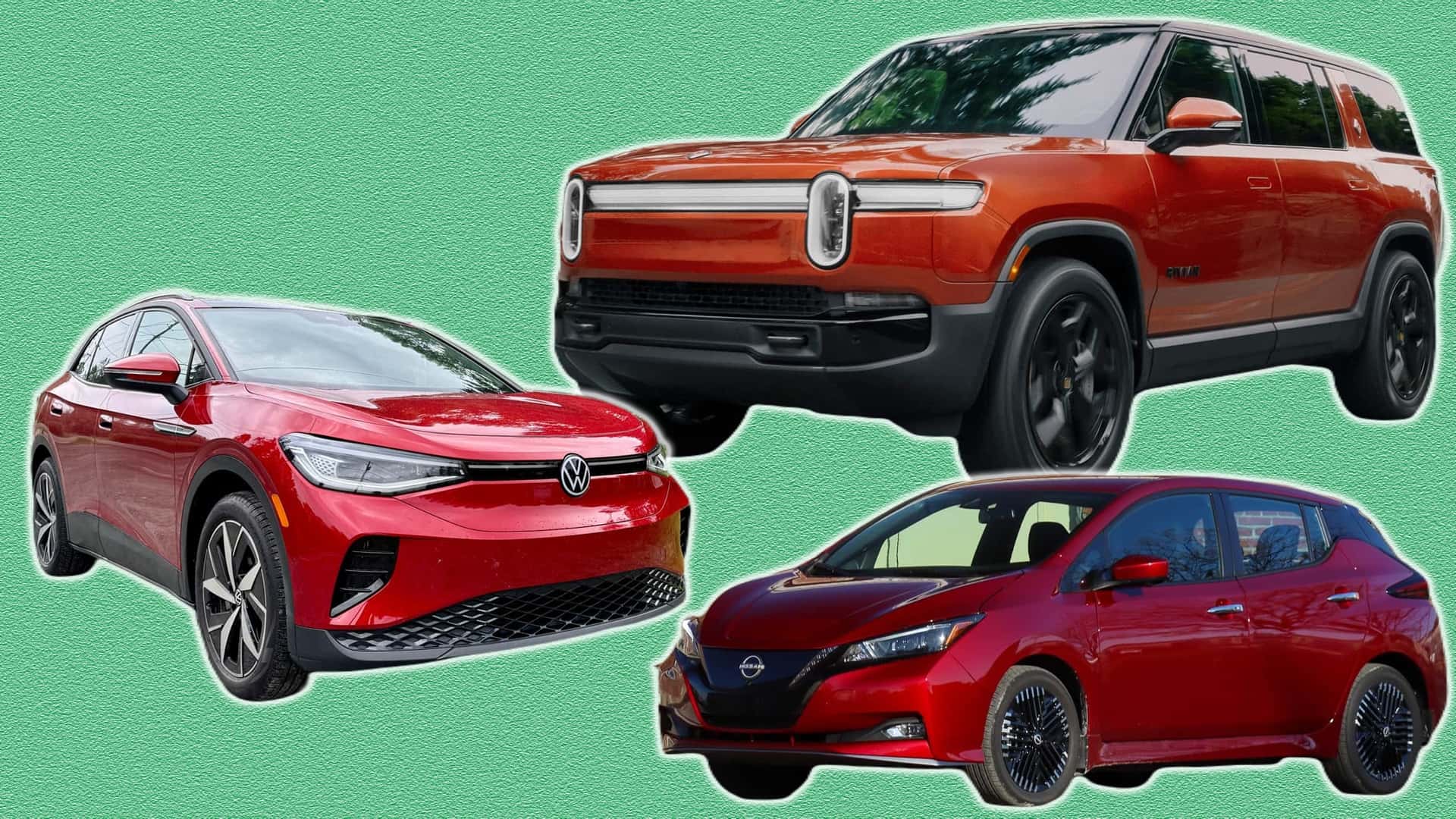
What if your next car could feel like a small act of rebellion—quietly efficient, unexpectedly capable, and surprisingly kind to your wallet? The year 2025 brings a new kind of enthusiasm for plug-in hybrid electric vehicles (PHEVs). They promise the convenience of charging at home, the flexibility of an onboard engine, and the sort of everyday practicality that turns “future-forward” into “now-forward.” But here’s the twist: can you find the best 2025 PHEVs under $35,000 once tax incentives are applied—without sacrificing the things you’ll actually notice every day?
Let’s walk through the potential challenge first. Under $35,000 after tax incentives sounds simple, yet real-world pricing is a moving target. Incentives, eligibility, trims, and availability can compress or expand your options faster than you can say “range anxiety.” Still, with the right approach, you can build a short list that feels less like a compromise and more like a clever strategy.
Why PHEVs in 2025 feel like a smart middle path
PHEVs are often described as “bridges,” but they’re more precise than that. They’re dynamic hybrids designed to let you live mostly in electric mode—then switch to fuel power when life gets busy. In 2025, the appeal sharpens because charging infrastructure continues to mature, even if it’s still uneven. Home charging remains the anchor. For commuters and weekend runners, a PHEV can quietly stack savings while keeping the freedom to drive longer distances without hunting for chargers.
And yes, there’s a lifestyle element. Plug in at night, wake up with a full battery, and enjoy the kind of effortless smoothness that makes traffic feel less oppressive. When the weather flips or your route stretches, the petrol engine steps in like an experienced co-pilot. The best PHEVs don’t just move you—they reduce the mental overhead.
The $35,000 “after tax incentives” puzzle: what to check before you fall in love
Before shopping, treat incentives like a map with missing legends. The price you see online may not match your reality at checkout. Incentives vary based on criteria such as model eligibility, purchase timing, and sometimes vehicle specifications. That means the “under $35,000” target can be achieved in different ways: higher initial MSRP offset by incentives, or a lower base price that simply remains under the threshold even after incentives are applied.
To avoid disappointment, confirm four things early:
1) Eligibility: Not every trim qualifies, and models can change eligibility rules.
2) Charging feasibility: You’ll likely rely on home charging for maximum benefit.
3) Warranty and service costs: Look beyond purchase price.
4) Real fuel economy potential: The best PHEVs deliver savings only if you actually use the plug.
Here’s a playful challenge: try doing your “commute math” for a week. Estimate how many kilometres you drive daily and compare that to the electric driving range. If the numbers look promising, you’re primed for the savings that make PHEVs genuinely satisfying.
Electric driving range: the real scoreboard for daily life
When people compare PHEVs, they often obsess over maximum headline range. That’s useful, but what matters most is how often you’ll drive within the electric envelope. For most owners, the electric portion is where the magic happens: smoother starts, reduced fuel burn, and less engine activity in city driving.
In 2025, a sensible benchmark for “everyday electric” is a range that comfortably covers your typical day. If your routine fits within the PHEV’s electric capability, you can treat the petrol engine as a backup plan rather than the primary strategy.

Ask yourself: would you feel confident driving to work, running errands, and returning home within the electric window? If the answer is “mostly,” you’re not just shopping—you’re optimizing.
Battery size and charging habits: where savings are won or lost
Battery capacity and charging speed influence how painless ownership feels. A larger battery can extend electric driving, while faster charging can reduce friction if you forget to plug in. But the real determinant of cost savings is consistency.
If you can charge at home, you’re already playing on expert difficulty—because you control the fuel economy conditions. Charging overnight typically provides a predictable start each day. If home charging isn’t feasible, you’ll want a PHEV with strong public charging compatibility and an electric range that still covers your commute even with less frequent charging.
Long sentences can blur; let’s simplify. Plugging in is not a chore—it’s the engine of savings. Miss the habit and the petrol engine becomes the main character. Keep the habit and you’ll notice the difference quickly.
Performance and drivability: the “feel” test
Under $35,000 after incentives, you may worry about performance. Yet many PHEVs deliver more than adequate torque for urban driving. Electric motors tend to make acceleration feel instant and controlled. That translates into confident merges, quiet hill starts, and a driving experience that feels more composed than traditional hybrids.
Look for traits that matter day-to-day:
• Smooth power delivery: Less jerkiness, more linear response.
• Regenerative braking behavior: A good system helps you slow down efficiently and reduces wear.
• Steering and suspension tuning: Comfort is not luxury—it’s fatigue prevention.
Consider this a second challenge: take a route that includes a roundabout, a stop-start section, and a short uphill. If the car feels awkward in any segment, your “saved money” may not compensate for the everyday irritation.
Interior, tech, and practicality: the hidden dealmakers
PHEVs in this price tier can surprise you with feature sets, but “best” is subjective. Some buyers prioritize driver assistance systems. Others want Apple CarPlay and Android Auto reliability, fast interface response, and a clear instrument layout.
Practicality matters too. Are the rear seats comfortable for real passengers? Is cargo space usable or compromised by battery packaging? These details don’t just affect convenience; they affect whether the car fits your actual life.

When you evaluate PHEVs, don’t just glance at the touchscreen. Sit down. Adjust the seat. Check visibility. Open the boot. Close it. Repeat slowly. Cars reveal themselves through small moments.
Costs beyond purchase: running expenses and long-term expectations
To truly compare PHEVs under the $35,000 threshold, consider total ownership. Electricity costs vary, charging tariffs differ, and service intervals can shift. Also, remember that incentives affect your upfront price, but maintenance and insurance live on after the purchase.
Here’s how to think about it: if you can charge frequently, your fuel costs typically fall. Your driving enjoyment rises. Wear-and-tear can improve because regenerative braking reduces friction brake usage. Still, confirm:
• Tyre type and expected replacement costs
• Brake service requirements
• Warranty coverage on the battery and drivetrain
Don’t ignore insurance quotes. A car that is affordable on paper can become awkward if premiums are dramatically higher. Get quotes early—before you commit emotionally.
Shortlisting the best 2025 PHEVs under $35,000 after tax incentives
Now we bring everything together. The best candidates typically share a few qualities: a realistic electric range for your routine, practical cabin space, comfortable drivability, and eligibility for incentives that bring the final price into your target zone.
When building your shortlist, consider this decision ladder:
1) Eligibility fit: Confirm the trim and incentive conditions.
2) Commute compatibility: Ensure electric range aligns with your daily kilometres.
3) Charging strategy: Home charging ideal; otherwise test feasibility.
4) Comfort and usability: Interior layout, visibility, and cargo practicalities.
5) Ownership costs: Insurance, tyres, service, and expected efficiency.
At this stage, test-driving becomes more than a formality. Drive like you actually live. If the vehicle supports your routine with minimal friction, it’s likely one of the best 2025 PHEVs for your budget.
Outro: plug in, plan smart, and make the savings real
Finding the best 2025 PHEVs under $35,000 after tax incentives is not just about price—it’s about alignment. Incentives may open the door, but your lifestyle decides whether a PHEV truly delivers. If you can charge consistently, choose a model whose electric range matches your typical days, and verify real eligibility, your shortlist can turn into a confident purchase.
So here’s the closing question to carry into your shopping: are you ready to make charging a habit, not a headache? If the answer is yes, 2025 could reward you with a vehicle that feels modern, drives effortlessly, and keeps more money where it belongs—inside your week, not inside the fuel tank.