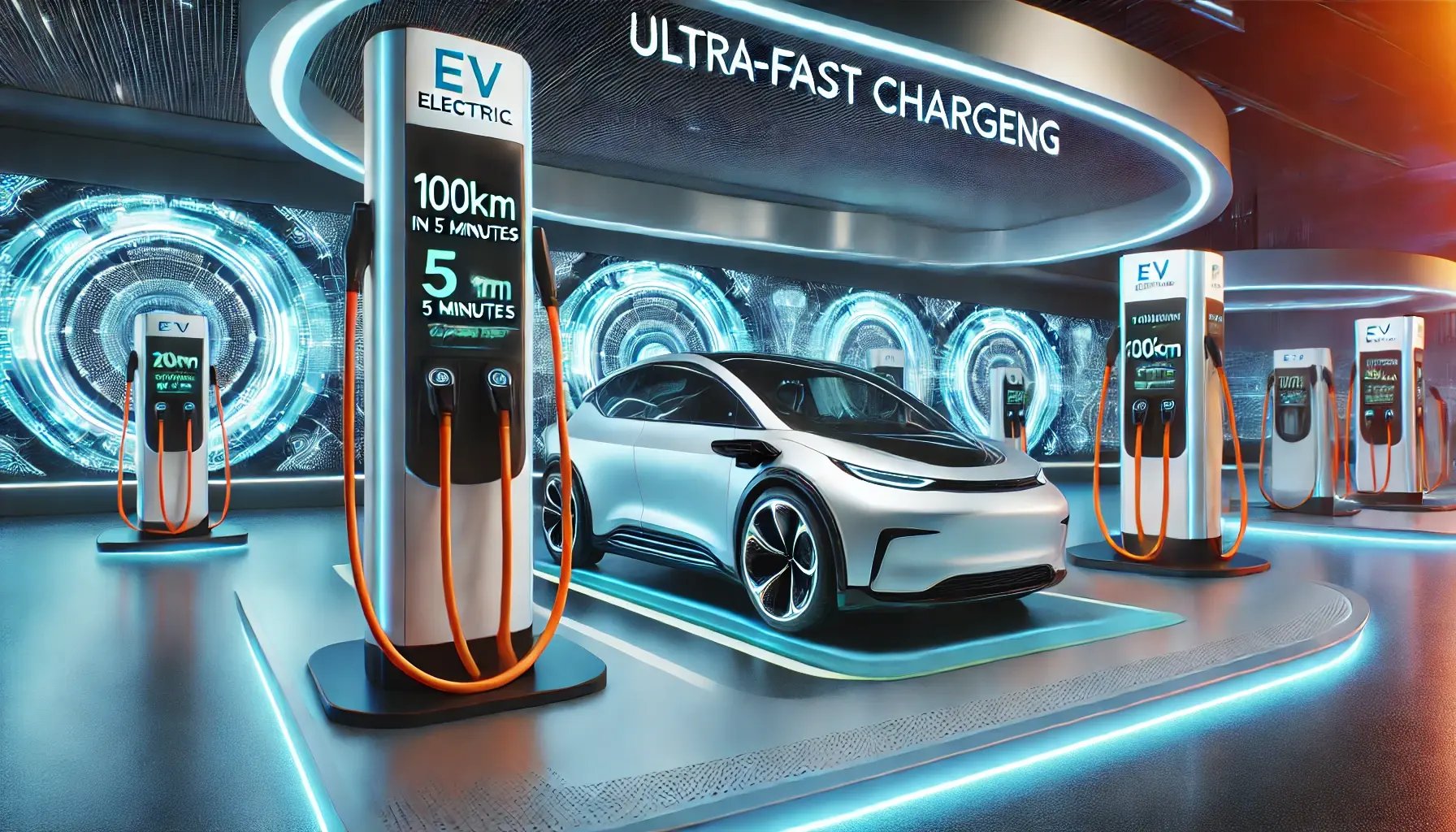
Choosing an electric vehicle as an apartment resident is no longer a niche decision—it’s a practical lifestyle upgrade. The challenge isn’t only picking the right model; it’s understanding how that vehicle will fit into a world of shared parking lots, public charging stations, and variable charger reliability. In 2025, EVs have matured in capability, efficiency, and user experience. Many now pair better battery management with smarter route planning and increasingly robust compatibility with public infrastructure. The result: a smoother charging rhythm, fewer “range anxiety” moments, and more predictable daily commuting.
This article explores 10 of the best 2025 EVs for apartment dwellers who rely on public charging. Each entry considers how the car behaves when it’s not “plugged in at home,” emphasizing fast-charging performance, charging network compatibility, cabin usability, and the everyday ergonomics of apartment life. Along the way, you’ll see what kinds of content to expect—specifications, charging scenarios, practical checklists, and decision guidance—so you can choose with clarity rather than guesswork.
What Apartment EV Owners Should Prioritize in 2025
Before naming the best EVs, it helps to define the constraints. Apartment living typically means you cannot install a dedicated charger at the door. That shifts your focus toward public charging: convenience, speed, availability, and predictable power delivery.
Start with these priorities. First, DC fast-charging capability matters. Cars that charge quickly reduce the “waiting tax,” especially when you’re using shopping-center chargers or commuter hubs. Second, look for efficiency—energy consumption per mile and real-world thermal management influence how far you can travel between sessions. Third, consider charging interoperability. In 2025, compatibility is broader than it used to be, but networks still vary. Finally, weigh driver experience: navigation that routes to available chargers, battery preconditioning, and intuitive charging dashboards can turn a stressful stop into a routine errand.
It’s also wise to think about charging etiquette and time budgeting. Apartment dwellers often charge on “semi-regular schedules,” not on a nightly timetable. So, your ideal EV should feel composed during partial charges and able to recover range without drama.
1) Tesla Model 3 (2025): The Familiar Pioneer of Fast Charging
The 2025 Tesla Model 3 remains a top pick for apartment residents who want straightforward public-charging reliability. Tesla’s ecosystem has historically simplified the charging experience, and modern models continue to emphasize usability: clear status indicators, seamless app integration, and navigation that favors charging stops intelligently.
For apartment dwellers, this matters. You’re often making real-time decisions—“Where is the next reliable charger?” and “How long will this top-up take?” The Model 3’s charging behavior is generally predictable, and its efficiency helps you stretch public sessions.
Best for: commuters who value a calm, low-friction charging workflow.
Content readers expect: scenario-based guidance such as “30 minutes while you shop” and “range budgeting for weekday trips.”
2) Hyundai Ioniq 5 (2025): Space-Efficient Comfort with Smart Charging
The Ioniq 5 earns fans for its practicality. It pairs a roomy interior with a battery design that performs well on fast-charging routes. In apartment settings, space translates into everyday convenience: groceries, moving-day clutter, and the kind of daily hauling that city life demands.
Charging-wise, the Ioniq 5 is designed to handle public infrastructure with confidence. Battery conditioning features can improve charging behavior when temperatures fluctuate—an overlooked detail that becomes important in shoulder seasons.
Best for: residents who want comfort plus competence at DC fast-charging stations.
Reader takeaway: look for how the vehicle manages heat and how quickly it reaches usable charge levels.
3) Kia EV6 (2025): Agile Handling Meets Public-Charging Practicality
The 2025 Kia EV6 brings a satisfying sense of steering feel without sacrificing charging efficiency. It’s a compelling apartment-friendly EV because it balances daily drivability with the kind of performance that makes long public-charging days less taxing.
When charging outdoors at public stations, the EV6’s behavior tends to remain consistent, and its charging experience is typically straightforward. This consistency reduces the mental overhead—an underrated factor when charging depends on external schedules and shared infrastructure.
Best for: drivers who prefer an engaging ride but still need predictable charging performance.
Content angle: guidance on “partial charge strategy” for frequent top-ups instead of one long session.
4) Volkswagen ID.4 (2025): Steady, Family-Ready Utility
For apartment dwellers who treat the car as a multi-purpose tool—school runs, weekend escapes, errands—an EV should feel stable and easy to live with. The 2025 ID.4 emphasizes usability: a practical cargo layout, comfortable seating, and a driver interface designed to reduce friction.
On public charging, it’s an EV that supports a realistic routine. While charging speeds vary by station, the ID.4’s overall efficiency helps you avoid “charge for the sake of charging.” Pair that with route planning that directs you to compatible chargers, and the experience becomes less about speculation and more about rhythm.
Best for: apartment residents seeking reliability and daily practicality.
Reader expectations: checklists for planning charger stops around grocery runs and commuting windows.
5) BMW i4 (2025): Premium Comfort for Charging-Day Serenity
Some people don’t want to think about the charging stop at all—they want to be comfortable while it happens. The BMW i4 leans into that philosophy. Its cabin quality and quiet ride make public-charging time feel less like waiting and more like a brief decompression break.
In 2025, premium EVs increasingly improve battery thermal strategies and charging interfaces. For apartment dwellers, these refinements reduce uncertainty: you spend less time hunting settings and more time focusing on your day.
Best for: drivers who want a refined experience while relying on public chargers.
Content angle: considerations like “comfort vs. charging speed” and “how to choose a charger location with minimal stress.”
6) Ford Mustang Mach-E (2025): Bright Efficiency and Network-Aware Planning
The 2025 Mach-E offers an energetic driving personality, yet it’s still built for real-world use. That means handling the unpredictability of public charging—occupied stalls, variable throughput, and occasional detours—without derailing the trip.
Modern navigation and charging integration help you align travel timing with charger availability. That’s crucial for apartment dwellers, who often charge in busy areas where peak usage can distort your schedule.
Best for: drivers who value spirited driving and practical charging intelligence.
Reader focus: understanding how the car’s software shapes route and charging choices.
7) Nissan Ariya (2025): Calm Range Management for City Living
Range management is a silent superpower for apartment EV owners. The 2025 Ariya is designed to deliver a steady, predictable driving experience. When public charging is your default plan, the goal is to avoid overdependence on any single charging session.
That steadiness can reduce stress on days where chargers are busy. If you can plan with a conservative buffer and still arrive comfortably, your charging stops become less urgent and more flexible.
Best for: those who prioritize smooth, city-friendly operation with sensible charging habits.
Content expectation: examples of how to plan “arrive with margin” rather than “arrive at the limit.”
8) Volvo EX90 (2025): Safety-First Technology with Charging Confidence
Volvo’s approach often centers on safety and composure. The 2025 EX90 continues that theme, pairing advanced driver-assistance features with a modern EV platform. For apartment dwellers, safety tech matters because parking lots and shared roads can be hectic and unpredictable.
Public charging benefits from well-designed route guidance and consistent battery behavior. While every station is different, newer EV architectures help deliver a more coherent charging profile—especially when drivers use navigation guidance rather than improvising.
Best for: those who want a premium, confidence-building EV lifestyle.
Reader takeaway: how to evaluate charging station selection based on reliability and access.
9) Mercedes-Benz EQE SUV (2025): Space for Apartments and Weekend Trips
An SUV format can be a blessing in apartments where you store less and move more. The 2025 EQE SUV balances passenger comfort with a practical stance—ideal for families, roommates, or anyone who values cargo flexibility.
On public charging, this model’s value comes from pairing comfort with smart charging integration. When charging is external and scheduled around your errands, the vehicle experience during those sessions matters as much as the charging curve itself.
Best for: drivers who need spaciousness without abandoning public-charging practicality.
Content angle: “what to do while charging” planning—seating comfort, nearby amenities, and pickup timing.
10) Audi Q4 e-tron (2025): Efficient Daily Use with Public-Charging Readiness
The Audi Q4 e-tron is a strong candidate for apartment dwellers who want a refined, efficient EV without complexity. In 2025, efficiency improvements and charging workflow design mean the Q4 e-tron can fit into a routine without demanding constant attention.
Public charging becomes easier when a vehicle provides clear guidance, stable charging behavior, and energy-efficient driving dynamics. Apartment residents often have limited “downtime slack,” so minimizing friction is a genuine advantage.
Best for: drivers who want a well-rounded EV that handles public charging with poise.
Reader expectations: guidance on selecting a charger based on location convenience and expected throughput.
How to Build a Public Charging Routine (Without Losing Your Mind)
After choosing an EV, the next step is creating a consistent charging system. Start by mapping frequent locations—supermarkets, transit hubs, and shopping centers—and identify which ones tend to have reliable availability. Then, choose a predictable charging pattern: either shorter top-ups during errands or a longer session periodically when your schedule is flexible.
Also pay attention to “charger behavior.” Some stations reduce power when multiple vehicles connect. Knowing this helps you interpret your charge time realistically. Battery preconditioning, where available, can improve outcomes when you arrive at higher or lower ambient temperatures.
Finally, keep a practical checklist: check connector type compatibility, confirm payment method, and save the charger to navigation before you leave the apartment parking area. Small steps compound into a smoother experience.

Choosing Your Best 2025 EV: A Decision Framework
Selection should feel like narrowing options, not starting a scavenger hunt. Consider your typical weekly mileage. If you drive less, prioritize efficiency and convenient charging spots. If your routine includes longer trips, prioritize fast-charging capability and robust charging integration.
Then consider your living reality. If your building has limited mobility options, choose a car with easy daily usability—good visibility, comfortable seating, and straightforward interfaces. If your commute is time-sensitive, prioritize predictable charging sessions and strong route guidance.
In 2025, the best choice is not always the fastest-charging EV. It’s the EV that matches your charging opportunities, makes public charging feel legible, and keeps your daily schedule intact.
Final Thoughts
Apartment dwellers can absolutely thrive with EV ownership in 2025. The key is choosing a vehicle that understands your constraints: public charging, variable station performance, and the need for a consistent routine. The 10 models above represent a wide spectrum—premium comfort, family-ready space, sporty handling, and efficiency-focused daily operation—yet all share a critical attribute: they’re built to make public charging feel manageable rather than mysterious.
When you select an EV with charging compatibility, efficient energy use, and smart navigation support, you don’t just buy a car. You build a charging rhythm that fits apartment life—quietly, reliably, and with far less uncertainty than the early EV years ever promised.