The idea of a pickup that can feel unexpectedly composed is no longer science fiction. In 2026, the Toyota Tacoma steps toward a familiar ruggedness, yet it carries a new kind of confidence—one shaped by electrification. A PHEV (plug-in hybrid) Tacoma isn’t merely an engineering update; it’s a change in how you might think about daily routes, weekend detours, and everything in between. The promise is subtle at first: quiet starts, smoother torque delivery, and the possibility of leaving the gas station feeling like an occasional stop rather than a ritual. Then, the bigger picture arrives—an altered perspective on capability, efficiency, and intention.
What follows is not a checklist of confirmed details. It’s a thoughtful expectation of where the 2026 Tacoma PHEV could go—what it might prioritize, what it likely must solve, and why this could be more than an incremental revision. Sometimes the most compelling transformations are the ones that make you reconsider your relationship with the vehicle you already know.
A Plug-In Tacoma Changes the Way You Measure “Distance”
Traditionally, pickups are judged by tank size and range confidence. With a PHEV, distance becomes a two-layer concept: what you can do on electricity, and what you can extend with the hybrid system. That duality matters more than it sounds. Imagine commuting in near-silence, then switching modes when the day turns rugged. The vehicle doesn’t just travel—it adapts.
On an electric-only basis, the Tacoma could deliver a daily driving experience that feels almost dissonant next to its off-road heritage. Short trips—school runs, errands, city errands—may become an exercise in restraint rather than constant acceleration and engine noise. Over time, that shift can be transformative. Fuel budgets feel less volatile. The mind becomes calmer.
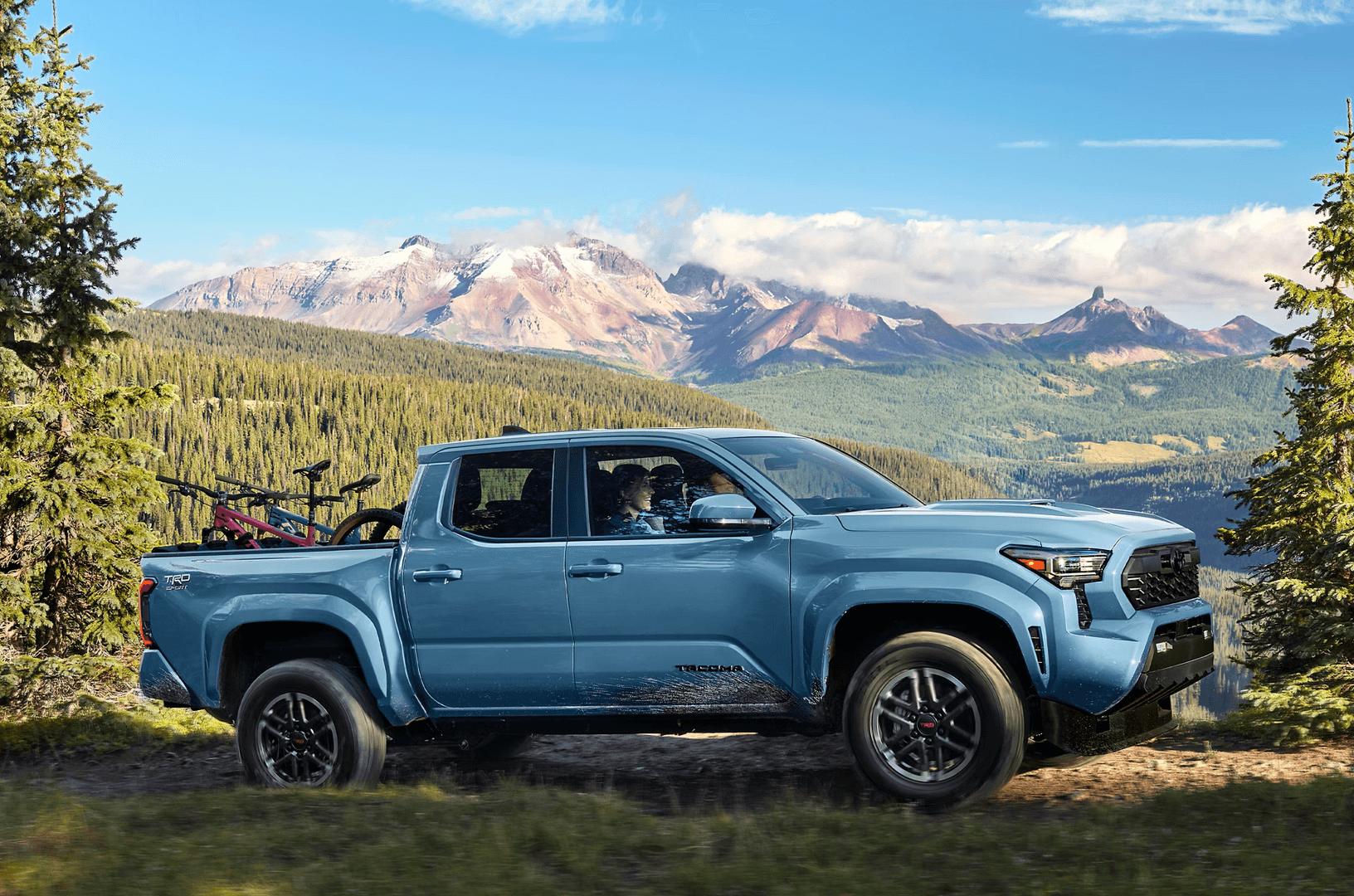
Electric Torque: The Quiet Advantage Beneath the Hood
Hybrid systems bring torque differently. Where a conventional engine often needs to rev to feel responsive, an electrified drivetrain can offer immediate thrust—especially at low speeds. That means smoother launches, steadier passing maneuvers, and a more graceful rhythm on grades. In off-road contexts, electric torque can feel like a secret weapon: controlled, predictable, and ready before traction demands become chaotic.
In a PHEV Tacoma scenario, the promise is not just power. It’s feathered control. When climbing uneven terrain, or when navigating loose surfaces, the ability to modulate drive output can matter as much as raw horsepower. Electric assistance could help keep wheel behavior calmer, reducing the tendency to lurch or surge.
Expect the driving character to shift from “engine-led” to “system-led.” That’s a subtle change, but it can be the difference between a truck that’s merely capable and one that feels intelligently synchronized with the driver.
Battery Packaging: Toughness Meets Practicality
A PHEV requires batteries, and batteries require space. The most crucial expectation is how Toyota could package the system without compromising what Tacoma owners care about: rear comfort, cargo utility, and an underbody that’s still oriented toward trail clearance. Even a small intrusion into bed geometry or interior space could change the truck’s everyday appeal.
The likely goal would be to tuck the battery in a way that preserves the truck’s silhouette and maintains structural integrity. That involves careful engineering—an exercise in restraint, not extravagance. The best battery placement also helps with weight distribution. Balanced weight can improve steering feel and reduce the “bowing” effect common in heavy front-end loads.
In other words, the battery should feel like it belongs—like it was always supposed to be there. That’s the standard a PHEV Tacoma must meet to earn trust.
Regenerative Braking That Actually Feels Useful
Regeneration is where hybrid technology can become more than a feature—it can become a habit. With stronger regen, the Tacoma could allow drivers to slow down with one pedal-like confidence, especially in stop-and-go conditions. That means less brake wear, less pedal fatigue, and a smoother transition between deceleration and acceleration.
The key expectation is tuning. If regen is abrupt, it can feel jarring. If it’s well calibrated, it becomes intuitive—like the truck is anticipating your intent. A PHEV Tacoma with thoughtfully mapped regen could feel oddly refined for a vehicle born to roam. And that refinement could extend to off-road: controlled deceleration is valuable when traction is inconsistent.
In the best-case scenario, regen doesn’t just recharge the system—it enhances the entire driving cadence.
Charging Reality: Plug It In, Then Forget It
For a PHEV to change behavior, charging must be accessible and straightforward. Expect the 2026 Tacoma to support practical charging infrastructure assumptions: home charging options, manageable charge scheduling, and clear driver guidance that reduces mental overhead.
It’s not enough for the battery to be capable. It must be usable. A well-designed energy interface could show how much electric range remains, whether charging is recommended, and how the vehicle plans to blend electric and hybrid power when you’re en route to somewhere unpredictable.
The “forget it” feeling is important. If the vehicle nags too much, or if range estimation is erratic, confidence erodes. But if the Tacoma communicates clearly, charging becomes a quiet ritual—like topping off a thermos for a long drive.
Fuel Economy and “Hybrid Strategy” as a Living System
When people hear “PHEV,” they often focus on electricity first. Yet the hybrid strategy is what determines long-term satisfaction. The Tacoma’s system would likely optimize based on battery state of charge, driving style, terrain, and temperature. That means it might choose electric assist more aggressively when conditions favor it, and conserve charge for moments when it’s most beneficial.
Here’s the perspective shift: you’re not just driving the truck—you’re collaborating with it. The hybrid brain makes decisions that shape your experience. When done well, it feels transparent. When done poorly, it feels like unpredictability.
The expectation is that the 2026 Tacoma PHEV would prioritize consistent behavior: a predictable blend that doesn’t swing between modes like a pendulum. Smoothness builds trust, and trust is what keeps drivers engaged instead of frustrated.
Off-Road Capability: Electrification Without Compromise
Off-road isn’t only about power. It’s about traction management, articulation, and confidence under imperfect conditions. A PHEV Tacoma must retain—perhaps even refine—its trail manners. Electrification could bring advantages: better low-speed torque control, steadier torque delivery, and potentially new control strategies that respond more quickly than traditional engine response alone.
But the core promise must be unwavering: the truck remains a Tacoma. That means it still respects ground clearance expectations, preserves durable underbody protection, and continues to deliver the practical toughness owners rely on.
If the 2026 Tacoma PHEV succeeds, it won’t feel like a city hybrid pretending to be off-road. It will feel like an off-road machine with a smarter internal temperament.
Design and Tech: The New Tacoma’s Personality
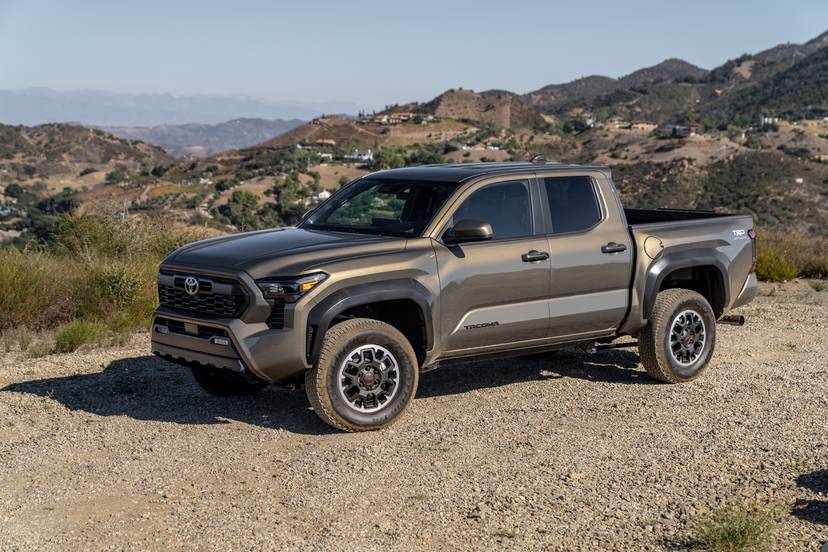
The visual language of the Tacoma often evolves with purposeful restraint—updated surfaces, modern lighting cues, and a presence that looks ready even when parked. The 2026 era likely continues that trend. Expect visual tweaks that signal modernity without diluting capability. A PHEV addition also often brings subtle branding cues or energy-related displays that make the invisible visible.
Inside the cabin, the key expectation is an interface that treats energy like a first-class subject. Drivers should easily understand: how much energy remains, what the vehicle is doing, and how to influence outcomes with intuitive controls. A truck that feels “tech-forward” is one thing; a truck that feels legibly intelligent is something else entirely.
Short and long trips both demand clarity. On a weekend adventure, you don’t want to hunt through menus. On a weekday, you want the system to behave predictably while still offering options.
What Ownership Might Feel Like: A Different Kind of Confidence
Perhaps the most compelling expectation isn’t raw specs at all—it’s ownership emotion. A Tacoma PHEV could make daily life smoother and create a new sense of control over costs and energy use. The truck becomes less about “range anxiety” and more about “range planning,” which feels calmer and more intentional.
Over time, that emotional shift matters. It changes how you plan errands. It changes how you approach detours. It changes how you measure the truck’s worth beyond the moment you pull away from the curb.
When an electrified pickup earns your confidence, it doesn’t replace your identity as a driver—it refines it. You keep the spirit of adventure. You just carry it differently.
The Road Ahead: Why 2026 Could Be a Turning Point
A 2026 Toyota Tacoma PHEV sits at a crossroads of tradition and transformation. It’s built on a legacy of capability, yet it could reframe what capability means in the modern era: efficiency without fragility, power without chaos, and technology that supports real life instead of competing with it.
The curiosity is justified. If Toyota nails the balance—battery packaging, electric torque behavior, regenerative smoothness, and an energy interface that feels intuitive—the result won’t be just a new variant. It will be a Tacoma that invites a fresh perspective every time you step on the accelerator.
And once you’ve driven something that blends quiet control with rugged intent, it’s hard to go back to the old arithmetic of fuel and noise. The 2026 Tacoma PHEV, if it delivers on its promise, could make the future feel less distant—and far more personal.