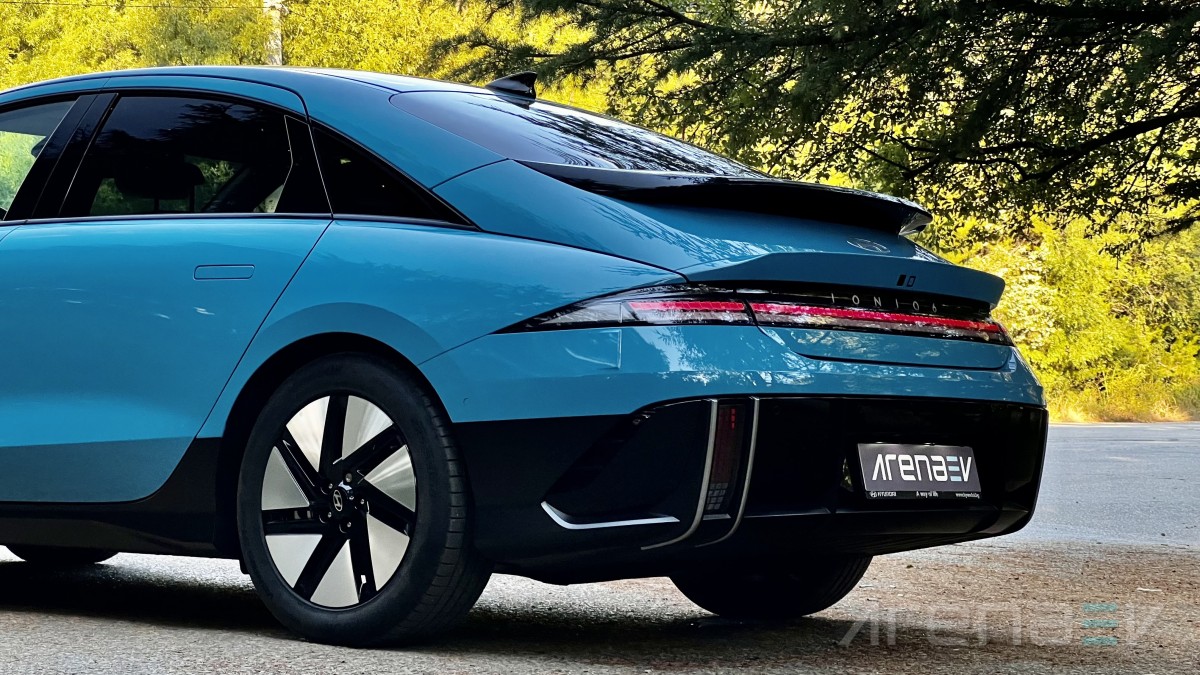
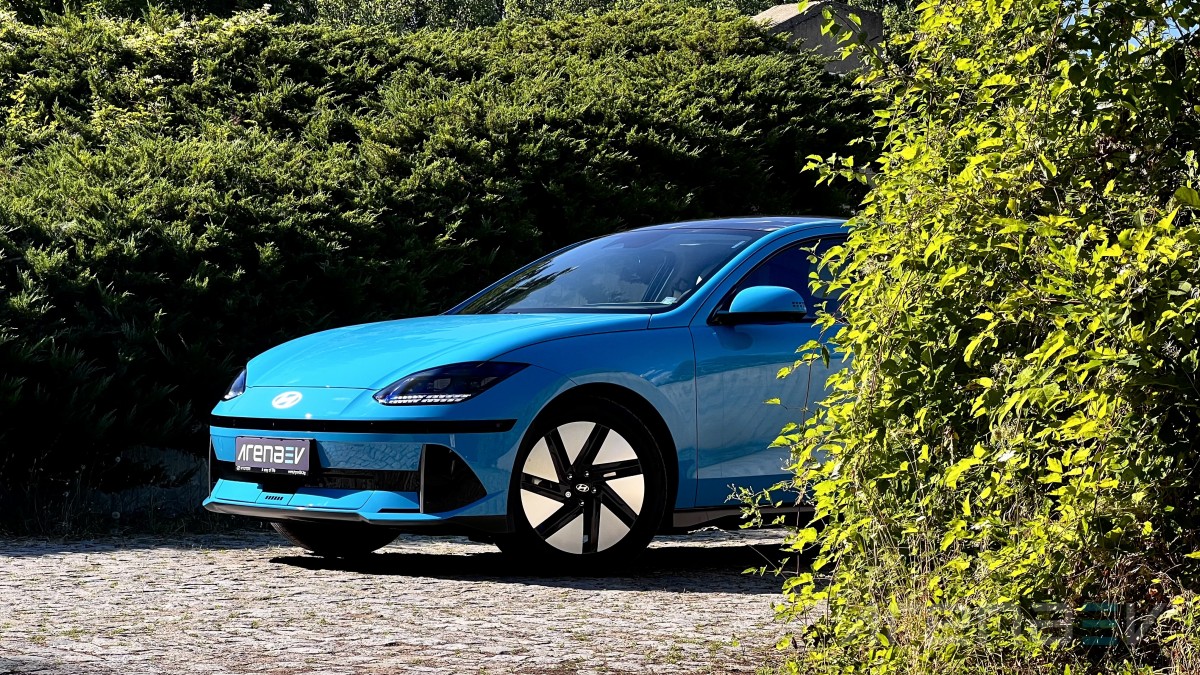
The Hyundai Ioniq 6 arrives wearing a kind of aerodynamic calm—an uncluttered silhouette that seems to glide even when it’s still. It’s the sort of sedan that invites a second look, not because it shouts, but because it refuses to blend into the background. Many observers quickly label it “sleek,” yet the real fascination sits deeper: this car feels engineered around one persistent idea—making efficiency look effortless. That becomes especially vivid during a real-world range test, where optimism meets reality on sunlit highways, ribboned backroads, and the stop-and-go tempo that exposes every compromise.
In this review, the Ioniq 6 isn’t treated like a brochure prophecy. Instead, it’s evaluated the way drivers actually experience it: in motion, with changing weather, varying traffic density, and the small decisions that add up—speed selection, HVAC use, tire temperature, and route profile. The common observation is that range numbers look impressive on paper. The deeper story is why the Ioniq 6 tends to keep its composure when conditions shift, and why that steadiness is so compelling.
Design That Feels Like Aerodynamics With a Pulse
At first glance, the Ioniq 6 is all surface tension and visual restraint. The fastback profile doesn’t just improve airflow; it also changes how the car appears in peripheral vision. It looks less like a traditional sedan and more like a single, continuous movement. That matters because wind drag is not a theoretical villain—it’s the silent tax you pay every time the road opens up.
There’s also a subtle optical trick at work. When a car’s proportions are tuned for low drag, it visually communicates stability. The Ioniq 6 seems planted, even at rest. Then, once you’re driving, that perception becomes behavioral: you tend to feel smoother inputs, and smoother inputs reduce the likelihood of unnecessary energy spikes.
Cabin Atmosphere: Quiet Enough to Hear Efficiency Thinking
Step inside and the tone shifts to something calmer—an atmosphere built on low noise, clear ergonomics, and a dashboard layout that avoids overstimulation. It’s not just about comfort. A quieter cabin can influence driving behavior in subtle ways. If the car doesn’t feel busy, your attention relaxes. That relaxation often translates into steadier acceleration and less frequent throttle correction.
During a range test, those micro-movements matter. Electric drivetrains respond quickly, but the energy cost of constant “pulse driving” becomes visible over time. A well-damped interior encourages a more measured rhythm, particularly at highway speeds where aerodynamic drag dominates the spreadsheet.
Powertrain Personality: The Balance Between Confidence and Restraint
The Ioniq 6’s driving character is one of controlled readiness. It doesn’t force urgency; it offers traction and torque on demand. That’s important in a range context because the easiest way to sabotage efficiency is to demand speed too aggressively. Many drivers chase the feeling of power without noticing how quickly energy consumption escalates as velocity rises.
With the LR AWD configuration, traction can feel almost effortless on variable pavement. But the deeper fascination emerges when you notice that “effortless” doesn’t have to mean “wasteful.” When you match throttle to road conditions—using momentum instead of repeated surges—the car’s efficiency outlook becomes surprisingly consistent. In other words, the drivetrain can be both expressive and economical, depending on how it’s invited to perform.
Real-World Range Test Setup: Where Numbers Become Narrative
A range test is rarely clean. Roads have personalities. Wind changes mid-route. Temperatures shift with cloud cover. Even elevation can turn the day into a moving puzzle. The most honest tests account for these variables rather than pretending they don’t exist.
For the Ioniq 6, the key is how it handles the steady-state portion of travel while still accommodating the unpredictable bits: a late merge, a speed adjustment for traffic, a brief stint in stop-and-go congestion. The car’s regenerative braking behavior becomes a major character here. Regeneration is not magic; it’s recovery with limits. Yet when the car smoothly transitions between driving and deceleration, it can reclaim more energy than you’d expect from a casual glance at its efficiency meter.
Some drivers assume EV efficiency is purely about constant speed. The deeper reason the Ioniq 6 performs well in real-world conditions is that it supports consistent decision-making. It encourages you to think ahead. When you do, the car’s efficiency ecosystem—power delivery, regen calibration, and thermal management—begins to feel like a coordinated system rather than a pile of components.
Highway Behavior: Aerodynamics as the Main Plot
On the highway, drag takes center stage. You can feel it, almost like a subtle resistance that grows the faster you go. This is where sleek shapes earn their credibility. The Ioniq 6’s aerodynamic form reduces the “wind fight,” and that reduction becomes more valuable as speed increases.
During the test, maintaining a calm cruising pace produces an outcome that feels more believable than many competitors—less drama, more predictability. That predictability is a rare form of comfort. It helps drivers plan without constantly second-guessing the next charging decision.
In practical terms, the Ioniq 6 tends to keep consumption within a narrow band when the route stabilizes. That’s the kind of steadiness that makes range feel usable rather than theoretical.
City Efficiency: Regeneration Meets the Human Factor
In town, the range story becomes about rhythm. Start, stop, creep forward, pause again. Here, regenerative braking can transform energy losses into recoverable momentum. The Ioniq 6’s AWD traction also contributes by keeping grip stable through transitions, which can reduce unnecessary correction.
But there’s a hidden factor beyond hardware: driver anticipation. A car with an efficient regen strategy rewards early easing off the accelerator. If you drive like you’re constantly surprised, you’ll lose more energy than the system can recover. This is where the Ioniq 6’s smoothness becomes a performance enhancer. It supports a gentler tempo that naturally aligns with regen recovery.
Many people are initially fascinated by the sleek exterior. Yet the true charm reveals itself when city driving feels less taxing—because you’re not repeatedly paying for the same acceleration in different forms. The Ioniq 6 feels like it’s conserving not just electricity, but attention.
Thermal Management: The Invisible Guardrail
Range is not only about aerodynamics and speed. It’s also about thermal behavior—how the battery and drive system maintain optimal operating conditions. Thermal management acts like a guardrail: it doesn’t create efficiency out of thin air, but it prevents efficiency from collapsing when temperatures swing.
When battery conditions are well managed, the car can sustain performance without resorting to heavy power limiting. That means your range remains steadier through the day. In a range test, steadiness is everything. A car that starts strong but fades quickly makes planning stressful. A car that holds its tone makes the route feel navigable.
Charging Reality: Planning With Less Anxiety
Range tests often end with the same question: “How stressful is this to live with?” The answer doesn’t come from maximum range alone. It comes from the spacing between charging stops, the reliability of consumption estimates, and the confidence to adjust speed without panic.
The Ioniq 6’s efficiency character helps reduce charging anxiety. When the car’s consumption remains consistent, drivers can treat the remaining percentage like a tool rather than a guess. That’s a subtle but profound improvement in day-to-day usability.
Common Observation—And the Deeper Reason It Hooks You
The common observation is that the Hyundai Ioniq 6 looks like a concept vehicle made street-legal. The deeper reason people become fascinated is that the efficiency isn’t merely displayed—it’s embedded. The design reduces drag, yes, but the real allure emerges when the whole experience nudges you toward efficiency-friendly habits: smoother acceleration, earlier anticipation, and calmer highway pacing.
It’s easy to dismiss such benefits as “driver influence.” Yet driver influence is part of the system. The Ioniq 6 doesn’t just measure efficiency; it cultivates it. That makes the range test feel less like a contest and more like a steady conversation with the car.
Verdict: A Sleek Sedan That Treats Range as a Living Metric
The Hyundai Ioniq 6 stands out because it turns aerodynamic ambition into something practical. In a real-world range test, it doesn’t rely on ideal conditions to look good. It behaves with composure. It rewards thoughtful driving. It keeps energy usage readable, which is the difference between “possible” range and “usable” range.
After the test, the fascination lingers. Not just because the Ioniq 6 stretches a battery’s potential, but because it makes efficiency feel intuitive—like the car is quietly teaching you how to move through the world with less waste. That’s the kind of design philosophy that endures: sleek on the surface, disciplined underneath, and surprisingly human in how it shapes the drive.
Outro: The Quiet Satisfaction of Getting There
There’s a specific satisfaction that comes when the destination feels inevitable. The Hyundai Ioniq 6 delivers that feeling with an understated elegance—one that doesn’t demand attention, yet still earns it. Range, after all, isn’t only a number. It’s a promise. And in this sedan, the promise holds up better than many expect, especially once the road stops cooperating.