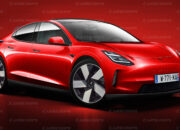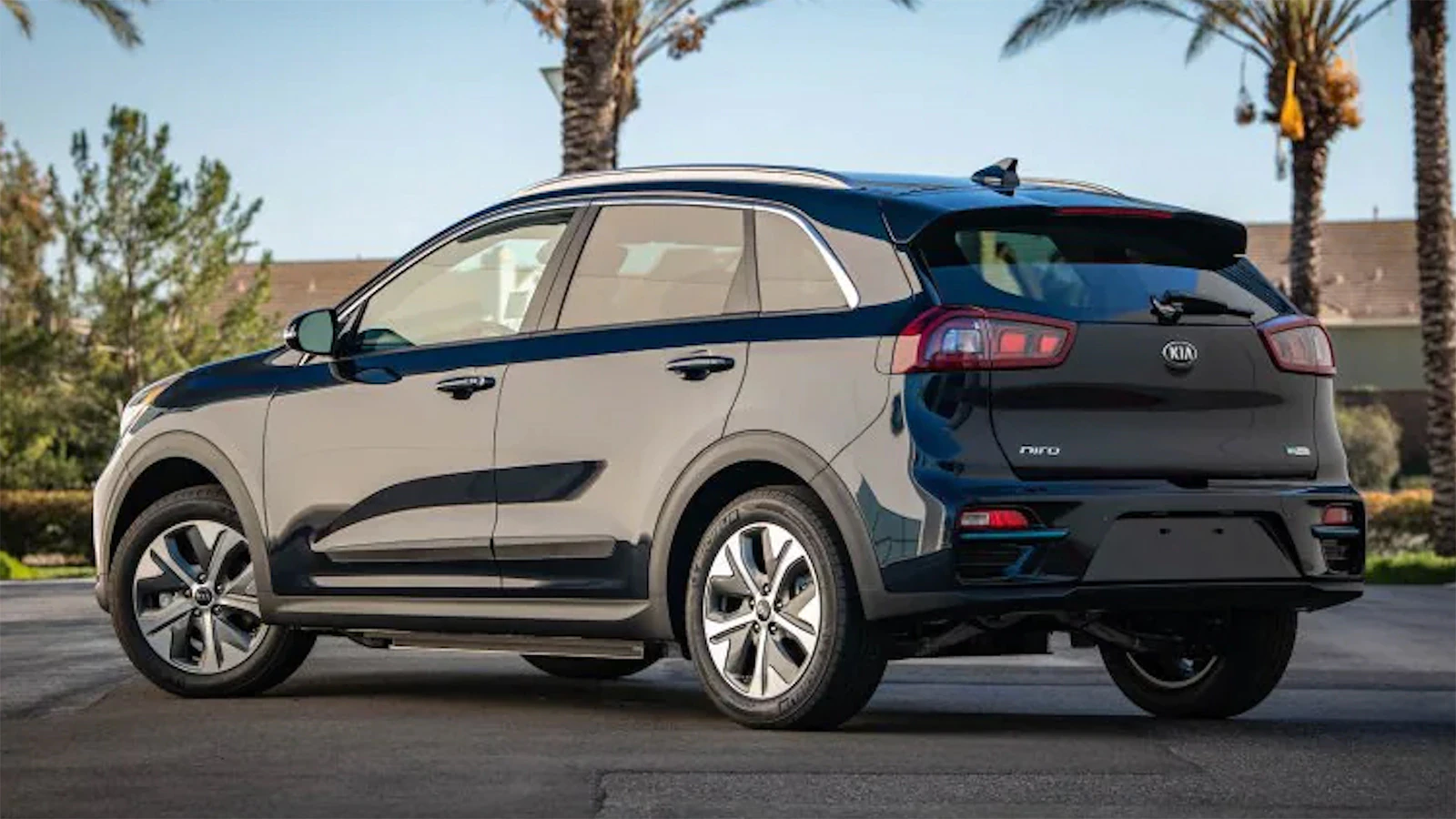
Picture this: it’s 6:45 p.m., the city is glittering, your passenger hops in with that “Where are we headed?” energy, and your app pings again. Now ask yourself—what if your next EV refuses to play nicely with your schedule? Not in an ominous way. More like a practical, real-world problem: a dwindling buffer of range, a seat that turns a long night into a static marathon, or a climate system that sips energy like it’s running for mayor.
For 2025 Uber and Lyft drivers, the best electric vehicles aren’t simply the ones with impressive spec sheets. They’re the ones that feel composed after hours of stop-and-go, offer comfortable rear seating, and keep charging anxiety from becoming a recurring character in your evening. Let’s walk through the range-and-comfort essentials, then spotlight smart picks that match how you actually drive.
Why Range Isn’t Just a Number—It’s a Routine
Range is the headline, but routine is the truth. Your real mileage depends on temperature swings, traffic density, average speed, tire pressure, and whether you run heat or A/C like it’s a survival tool. An EV that manages energy gracefully—especially during frequent acceleration and regenerative braking—tends to outperform its neighbors on busy driving nights.
In 2025, “good range” for rideshare usually means you can cover typical shifts while preserving margin for detours, waiting time, and the occasional detour to beat surge pricing. A comfortable buffer matters because your day won’t always follow the plan. Sometimes you’ll chase demand. Sometimes demand chases you.
Comfort That Doesn’t Quit: Seats, Noise, and Posture
Rideshare is a long-form performance. Even if you’re not on stage, you’re holding a driver’s posture for hours and shaping the cabin into a welcoming space. Comfort is not a luxury add-on; it’s an operational advantage. A supportive seat reduces fatigue. Quiet cabin design helps you think clearly when you’re navigating tricky pickup spots.
Look for seats that offer consistent support across different body types. Adjustable lumbar is a small feature that becomes a big deal after midnight. Then there’s noise: wind and road noise can turn a “short drive” into a sensory grind. EVs often feel smoother than gas cars, but tire choice and suspension tuning still influence how serene the ride feels for your passengers.
And yes—passenger comfort matters too. Many riders are doing their own emotional math: they care about legroom, headroom, and whether the ride feels stable during turns. A vehicle that stays composed under everyday stress makes people happier, and happier riders tend to remember to tip.
Charging Reality: The Difference Between “Possible” and “Practical”
Charging isn’t just about max output; it’s about cadence. Consider where you’ll top up: home charging, workplace charging, or public chargers near your usual pickup corridors. The best EV for Uber and Lyft drivers is the one that aligns with your timing rather than fighting it.
Fast charging can be useful, but it’s not always your daily hero. Many drivers will rely on overnight home charging plus occasional public top-ups. In that scenario, EVs with efficient energy use and predictable charging behavior reduce stress. You want the ability to “recover” between shifts, not gamble on charging availability like it’s a roulette wheel.
2025 EV Shortlist for Rideshare: Range & Comfort Priorities
Below are the kinds of 2025 EVs that tend to work especially well for Uber and Lyft drivers. The common thread? A focus on efficient drivability, welcoming interior comfort, and manageable charging logistics.
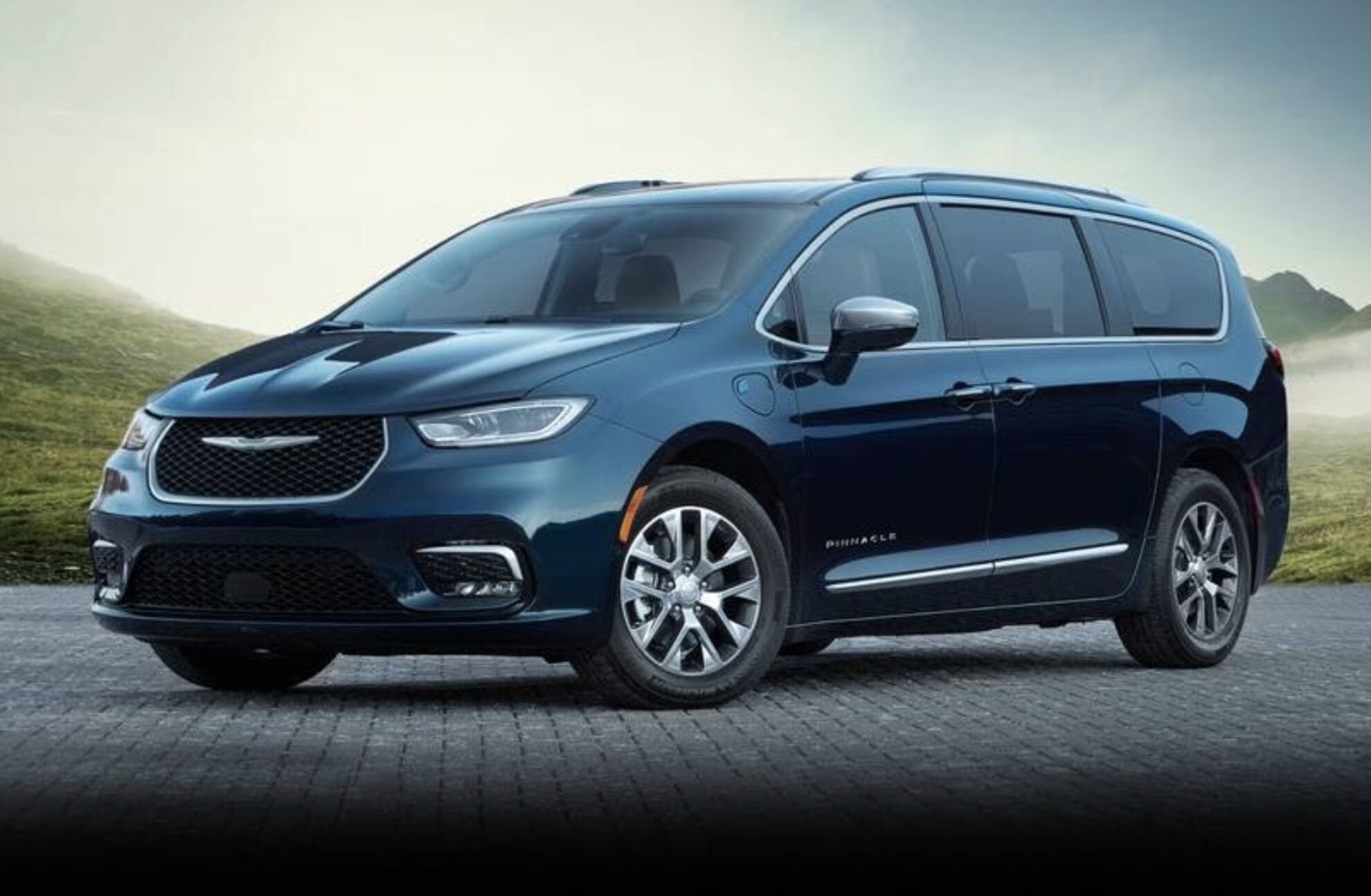
1) Spacious Plug-In Hybrid Experience (If You Need Versatility)
Some drivers want an EV that can handle uncertainty—long days, unpredictable detours, or nights that run longer than expected. A plug-in hybrid can be a clever compromise. It offers the electric-friendly start for city runs while maintaining a safety net for extended mileage when charging options are limited.
For comfort, prioritize cabin space and easy ingress/egress—sliding into a tight seat repeatedly through hundreds of pickups can be a surprisingly exhausting routine. A vehicle with a thoughtfully designed second row can make passengers feel less cramped, especially on longer rides.
2) Efficient Commuter EVs for High-Frequency Cities
If you spend most of your time in dense urban grids, efficiency becomes king. Look for an EV that performs consistently in stop-and-go driving. Regenerative braking can smooth your energy consumption, and a responsive powertrain can keep the car feeling lively without wasting energy.
Comfort here often means effortless suspension tuning and seat ergonomics. A cabin that doesn’t feel jittery over uneven pavement helps both you and your passengers. It also makes the drive feel “expensive,” even when you’re just trying to make it to the next pickup with momentum.
3) Family-Oriented EVs for Higher Rider Comfort
Not every night is solo. Some riders bring friends, luggage, or kid-bags filled with mystery snacks. Family-oriented EVs tend to offer more rear-seat room, better access, and a calmer ride experience. When your goal is to reduce passenger complaints, space is an underrated tool.
Range is still crucial. But family-oriented EVs can be worthwhile if they provide stable comfort and efficient energy use. A smooth ride also reduces the “constant re-adjustment” that riders do when seats or suspension feel unsettled.
Comfort for You: Features That Make Long Shifts Easier
Let’s talk driver comfort—because you’re the one performing the driving craft. Seek out these practical features:
• Seat ergonomics: adjustable support, breathable materials, and good visibility reduce fatigue.
• Climate efficiency: an EV that warms and cools efficiently helps manage range without freezing or sweltering.
• Controls that are easy at speed: haptic or intuitive controls prevent distraction while you’re pulling up to pickups.
• Smooth pedal behavior: predictable throttle and regenerative braking tuning help keep the ride gentle and consistent.
Small changes compound. Comfort that starts as “nice” becomes “necessary” after your third consecutive hour.
Passenger Experience: The Comfort Checklist That Gets You Compliments
Passenger comfort is a subtle performance layer. Riders evaluate your car through mood, not just metrics. A clean cabin matters. Lighting matters. Temperature matters. Even how quickly you can get up to a comfortable climate matters.
Also consider ease of entry. Doors that open widely and seats that allow easy movement can make a major difference for elderly passengers or riders with mobility limitations. Stable handling during turns and smooth starts reduce motion sickness complaints, which is a quiet but meaningful part of rideshare success.
If you want a playful but practical challenge: try this tomorrow—pick one passenger and imagine their comfort needs before they even step inside. Then adjust your climate and cabin comfort like you’re setting the stage for a short premiere.
Managing Range Without Losing Your Mind
To keep range from evaporating like a mirage, aim for energy-savvy driving habits. Accelerate smoothly, maintain steady speeds when possible, and use regenerative braking actively. Tire health matters more than most drivers think. Proper inflation can help reduce energy waste.
Then plan your shift like a strategist. Charge when your schedule allows, not only when you’re at the brink. Building a buffer transforms range from a threat into a tool.
Picking Your Best 2025 EV: Match the Car to Your Workday
So, which EV is “best”? The answer hinges on your usage pattern. If you’re mostly driving local city routes, efficiency and comfort during stop-and-go will dominate your decision. If you often work long stretches with limited charging access, versatility and predictable driving feel become more important. If you regularly carry multiple passengers or riders with luggage, a roomier cabin and smoother rear-seat experience can make your nights better.
Ask one question: Does this car reduce friction between pickups? The best EV for Uber and Lyft isn’t the one with the highest theoretical range. It’s the one that feels reliably hospitable—quiet, comfortable, and ready—so you spend less time thinking about the battery and more time earning.
Final Thoughts: Comfort Wins When the City Won’t Slow Down
In 2025, the best rideshare EVs are the ones that treat your routine like it deserves respect. Range matters, but comfort is what your passengers remember. Smooth driving, a supportive seat, a calm cabin, and charging that fits your schedule will turn every shift into something closer to momentum than endurance.
Next time your app pings, let your EV respond like it’s already in sync with your rhythm. Because the real goal isn’t just to drive electric—it’s to drive like you’ve mastered the night.