There’s a quiet moment every parent, every caregiver, and every frequent traveller eventually meets: the rear door swings open, a child seat clicks into place, and the questions arrive with the weight of everyday reality. Will it fit without wrestling? Will the latch geometry cooperate? Will the seat swallow space from behind? And when you glance in the mirror, will the view feel permissive—or cramped, tense, and time-consuming?
For 2025 electric vehicles, the conversation is changing. Not because EVs are suddenly kinder to child occupants, but because designers are beginning to treat rear-seat usability as a first-class feature rather than an afterthought. The result is a new kind of promise: a shift in perspective from “Can it carry batteries?” to “Can it carry families comfortably?” Keep reading, because the answers are often hiding in the details—measured in latch reach, cushion shape, and how effortlessly the back row invites you to move.
Why rear-seat space feels different in EVs
EVs can be the great enablers of interior design, largely due to their packaging. With fewer components required under the floor and a different approach to powertrain layout, manufacturers have more freedom to tune the cabin. That freedom can translate into more legroom, improved footwell clearance, and a lower “seated-in” sensation for rear passengers.
But space isn’t just a number. It’s ergonomics, geometry, and the subtle choreography of getting a child seat installed. A wide cushion can reduce the need to brute-force an alignment. A flatter seat base can improve how the harness webbing behaves. And a taller seatback might provide a firmer anchor for top-tether placement.
In 2025, the most family-friendly EVs tend to share a particular ethos: they treat the rear bay as a workshop you should enjoy using. That means fewer awkward angles, fewer tight clearances, and a cabin that’s more forgiving when you’re moving quickly between destinations.
Latch access: where installations succeed or stall
Even the best rear-seat space can be undermined by latch accessibility. LATCH systems (and their regional cousins) are only as easy as their reach and visibility. If the anchors are tucked too deep, obscured by seat contours, or positioned too close to the seat belt path, installation becomes a sequence of careful finger gymnastics.
Look for vehicles where latch points are clearly located and accessible without contortions. A practical marker is whether you can align the child seat connectors smoothly on the first attempt. Another is whether the connectors “seat” securely without needing to press the base to an uncomfortable depth.
Curiously, latch-friendly designs often feel less “engineered” and more “cooperative.” That’s the sensation families want: you open the door, you attach, you tighten, you verify. Nothing should feel like a negotiation.
Recline angles, seatbacks, and the harness reality
Child seats don’t exist in isolation. They interact with the vehicle’s seatback recline and the trajectory of the child’s seating position. Some rear seats are upright by default, which can help maintain stability. Others offer more recline, which may be useful for younger passengers but can complicate installation in certain child-seat configurations.
The harness path matters too. If the vehicle’s seatback contour creates tension on the child seat shell, you may notice changes in how the harness sits. It’s not always visible at first glance. It’s the difference between “tight and correct” versus “tight but slightly off,” the latter of which can be more frustrating to correct than it should be.
In 2025 EVs with strong rear-seat usability, the seatback profile tends to support the child seat base with less shifting. The best setups keep the child seat stable during the final check—so your verification feels like reassurance rather than repeated adjustments.
Rear legroom that doesn’t vanish when the front seats move
Rear seat space is a promise that can disappear the moment the front passengers slide backward. Some cabins preserve legroom even with the front seats in a practical driving position, while others trade away rear comfort for a grander driver’s area.
The family-friendly EV approach often includes a more considered rear floor design and a footwell that doesn’t punish smaller travellers. When the rear floor is broad and the transmission tunnel is minimal, it becomes easier to place the child seat base and still allow room for a passenger behind.
Pay attention to how far the front seatback can move before the rear space begins to shrink noticeably. This is where “best” becomes subjective—two different families may want different trade-offs. However, the vehicles that consistently earn praise are the ones that maintain usability across a range of front-seat positions.
Door openings, seat ingress, and the art of making space
Child seat installation is one part. Living with the setup is the other. Rear door opening size, the threshold height, and the seat-to-door clearance can make daily routines feel effortless or mildly exhausting.
Some EVs offer wide, flat door openings that encourage confident movement. Others have narrower access that forces you to rotate awkwardly to tighten a tether or check the angle. Even the shape of the door pocket and the placement of armrests can influence how comfortably you can reach into the cabin.
Here’s a perspective shift worth remembering: rear-seat usability isn’t only for the moment of installation. It’s also about how quickly you can handle daily changes—seatbelt guidance, snack retrieval, quick buckle checks, and the inevitable “one more adjustment” that happens when a child settles into a new position.
Top tether positioning: the quiet anchor point
Top tether anchors are often treated as minor details, but they can be surprisingly decisive. The best locations are reachable, well-defined, and positioned to create an easy, clean line from the child seat to the anchor point. If the anchor is hidden behind trim or awkwardly angled, tethering can become a slower task.
In a family setting, speed matters. Not because anyone wants to rush safety, but because practical systems reduce friction. A tether setup that allows a straightforward strap path encourages correct tightening and verification.
When you compare 2025 EVs, consider the “whole installation” experience: latch connection, base stability, and tether access. Vehicles that score well here feel like they were designed with real-world carers in mind.
Two 2025 Kia examples: imagining the fit before you buy
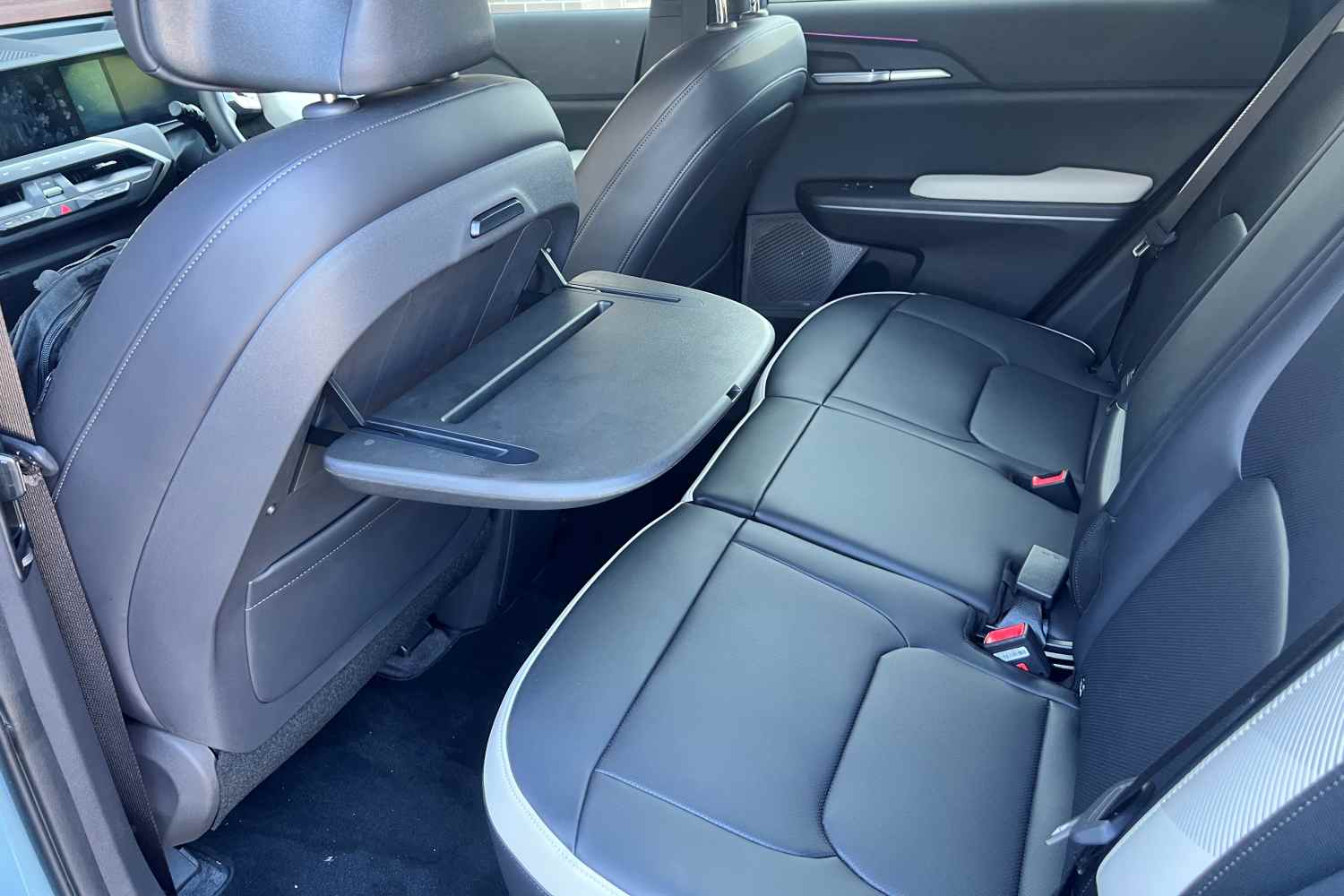
To appreciate how design intent becomes lived reality, it helps to look at the kind of modern rear cabins 2025 Kia EV models aim for. In the GT-Line and other trims, the overall emphasis often leans toward a clean, uncluttered interior and rear seating that tries to stay practical without sacrificing style.
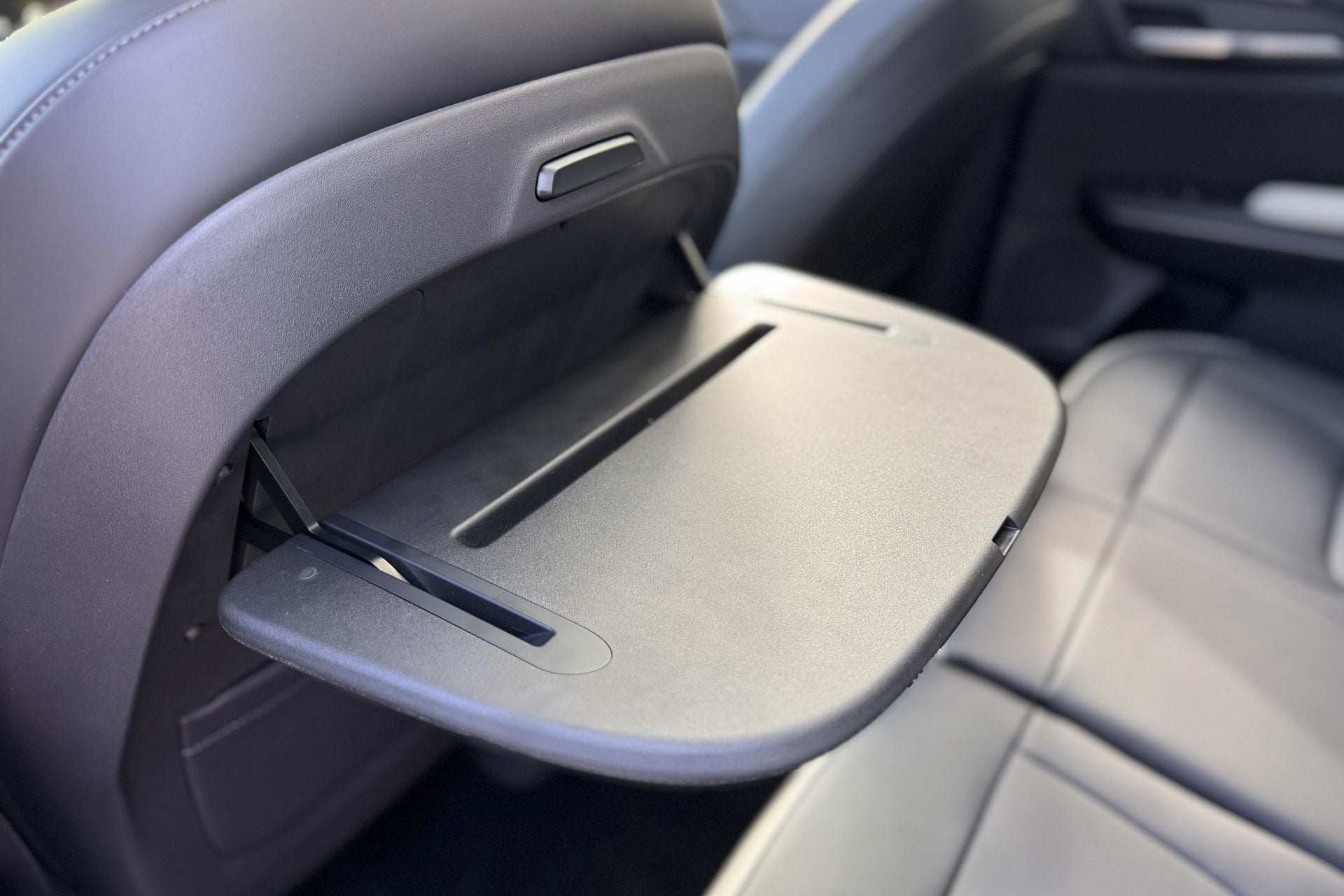
What you should look for in these cabins is less about the aesthetic—and more about the functional outcomes. Are the latch anchor points easy to access? Does the seat base remain stable when the child seat is pressed into position? Is the rear door opening forgiving enough that you can finish the installation without wrestling your arms around trim?
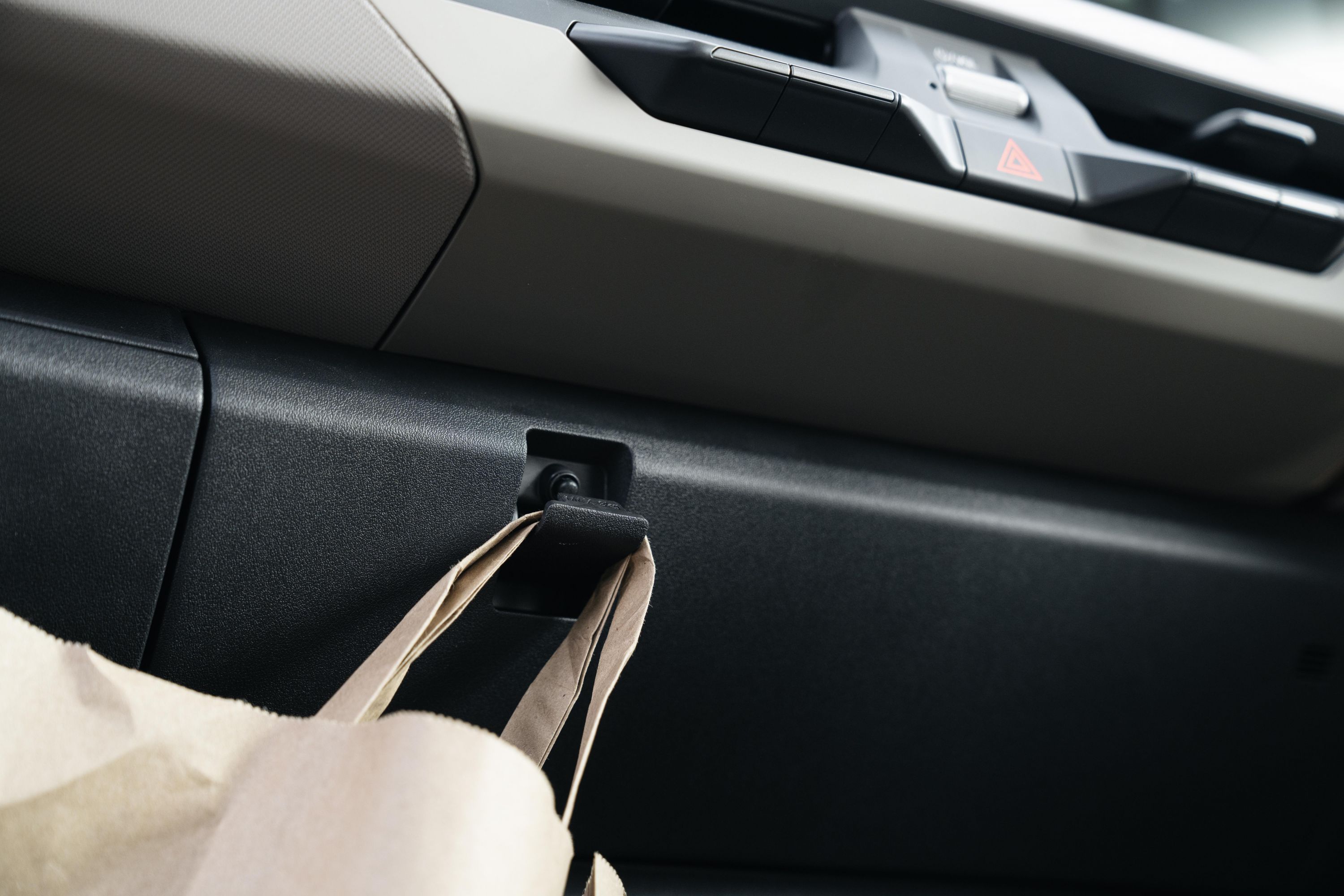
Curiosity can be practical here: imagine the installation in your head. Picture the angle of the connector, the pressure needed to seat the base, and the reach required to verify the harness tightness. If your imagination finds the process smooth, that’s a strong signal. If it feels like a puzzle, it’s worth investigating further before committing.
How to evaluate an EV for child seats in under 10 minutes
When you’re in a dealership or testing a rental, a method turns uncertainty into clarity. Start with latch access: locate anchors quickly and check whether you can reach them comfortably. Next, assess base stability: press down and see if the seat shifts excessively. Then, check the tether path: confirm that it doesn’t require strange strap routing.
Finally, perform a “life test.” Adjust the front seats into a realistic driving position. Sit behind as a second-row occupant and imagine a child seat already installed. Do your knees feel boxed in? Does the footwell feel usable? And—often overlooked—does the door open enough to allow easy daily access?
Short and long sentences both matter here: you’re looking for quick wins, but you’re also confirming the deeper comfort promise.
The best 2025 EVs don’t just fit seats—they fit routines
Ultimately, “best” is more emotional than it sounds. It’s the relief of a correct installation without endless re-tightening. It’s the absence of worry when you catch a glimpse of the child seat’s angle through the rear window. It’s the moment you realise you’ve stopped thinking about the back row altogether because it simply works.
The EV shift in perspective is real: rear-seat space is being treated as a system, not a leftover. Latch access is being designed for actual hands, not diagrams. And the result is a quieter kind of confidence—one that doesn’t announce itself, but shows up the next time you take the keys, open the door, and buckle in.
Outro: a smarter kind of curiosity
When you’re choosing among the best 2025 EVs for car seats, don’t limit your imagination to sales brochures. Let curiosity do its job. Ask to try the seat. Check latch reach. Verify tether alignment. Look for stability that feels inevitable rather than precarious.
Because the most impressive EVs aren’t only the fastest or most efficient. They’re the ones that make family life feel less like logistics and more like motion—smooth, assured, and ready for whatever the day brings.