The first time you step into a full-size electric sedan, you expect quiet. Still, the Tesla Model S does something more interesting than simple silence. It rearranges expectations. It asks you to reconsider what “luxury” means when the engine bay is an absence rather than a centerpiece. And it does so with a restraint that feels almost deliberate—like a promise written in glass and software.
From the outside, the Model S presents itself as sleek and composed. From the inside, it becomes something else entirely: a cockpit that turns commuting into a small ritual. It’s not merely transportation. It’s a shift in perspective—one delivered through immediacy, efficiency, and a technological sensibility that keeps teasing what comes next.
Design Language: Elegance with an Electric Spine
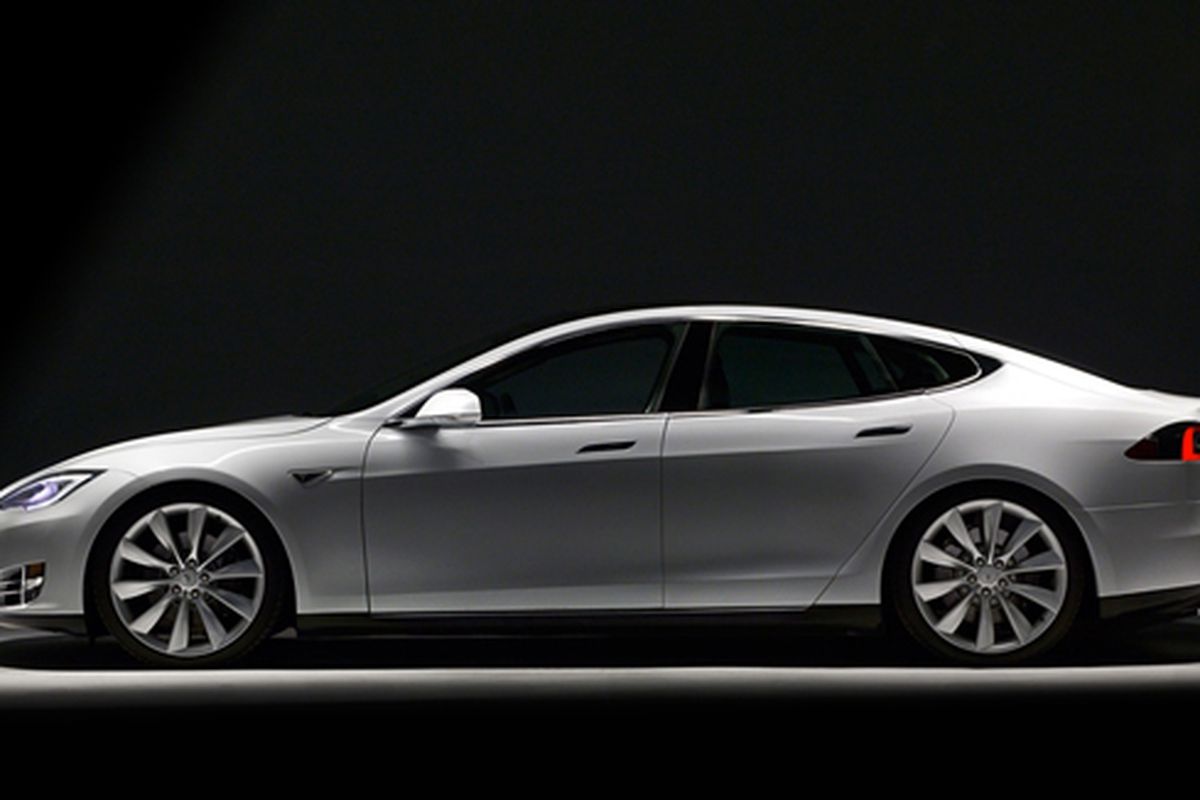
The Model S is designed with a long, confident silhouette. Its proportions suggest motion even while stationary. The body lines don’t shout; they glide. This is the kind of exterior styling that rewards slower looking, the way you might notice details in architecture after multiple visits.
Up front, the car feels aerodynamic in the literal, engineering sense. The surface tension of the design—smooth transitions and integrated elements—reads as purposeful. Turn it to different angles and it stays coherent, a rare quality in a segment where styling can sometimes fragment into compromises.
Inside, the visual language continues. Materials feel chosen, not assembled. Surfaces exhibit a tactile calm. Even the layout suggests that the cabin was composed with the driver’s attention as the central theme.
/cdn.vox-cdn.com/uploads/chorus_asset/file/13895176/tesla_model_s_sedan_640.1419963884.jpg)
Cabin Atmosphere: Minimalism that Feels Expansive
Open the door and the first sensation is openness. Not emptiness—openness. The cabin seems to widen your sense of space. This effect comes from the interplay of clean surfaces, purposeful storage, and a driver-centric layout.
The minimalist approach isn’t sterile. It’s a kind of clarity. Without the clutter of traditional instrument clusters, the car’s interface becomes the narrative engine. When you glance at the screen, the information arrives with an editorial calm: speed, energy, navigation, and vehicle status arranged like chapters rather than a chaotic index.
Long drives become easier to inhabit. There’s a sense of ergonomics that anticipates fatigue: reachable controls, sensible seating angles, and enough adjustability to accommodate different postures. Even the soundtrack of the ride—wind noise, tire character, the ambient hush—feels tuned.
Performance: Instant Torque, Quiet Authority
The Model S is frequently defined by its acceleration, but acceleration isn’t the full story. The sensation is how rapidly it bridges the gap between intention and motion. Press the accelerator and the car responds without hesitation. It’s a directness that can feel almost theatrical, especially in brief bursts from city speeds.
Yet the driving experience also contains restraint. The car doesn’t simply fling forward; it stabilizes the moment. Power arrives with control, and grip feels confident. The suspension and chassis tuning work together to reduce drama—so the speed feels composed rather than frantic.
At highway velocities, the Model S leans into its role as a long-distance machine. It tracks smoothly, and steering feedback remains informative. The result is authority at pace, the kind of composure that makes merging, passing, and sweeping curves feel less like tasks and more like decisions.
Charging and Energy Strategy: The Real Ownership Story
Electric cars often get judged by range charts and battery figures. The Model S shifts the focus toward energy strategy—how you plan, how you live, and how you recharge without turning the process into a chore.
Charging convenience is where the Model S’s promise becomes visceral. When charging is fast and planning is intuitive, distance stops being a psychological barrier. Instead of “Can I make it?” the question turns into “How quickly can I resume?”
The car’s efficiency helps, too. The way it manages energy influences everything—from stop-and-go commutes to steady highway cruising. You begin to sense consumption as a form of feedback. Drive more smoothly and the car rewards you. Drive aggressively and it doesn’t punish you with panic; it simply clarifies reality.
Technology and Software: A Car That Feels Alive
Where many vehicles treat software as an accessory, the Model S treats it as infrastructure. The interface updates, features evolve, and the car’s behavior can change over time. This creates a subtle but meaningful psychological effect: ownership becomes less like a closed chapter and more like an ongoing story.
Navigation isn’t just directions. It’s a planning companion that takes timing, routes, and charging context into account. You don’t merely find a destination—you orchestrate the journey. That orchestration extends to driving modes and vehicle settings, allowing the car to tailor the experience to mood and weather.
Even in day-to-day driving, the vehicle feels responsive in a way that resembles a well-designed digital device. Menus are generally navigable. Feedback is quick. Control feels less like wrestling with switches and more like interacting with a system.
Ride Quality and Handling: Comfort with Purpose
Full-size sedans must balance two competing truths: comfort for the long haul and composure when the road tilts. The Model S aims for both, achieving a ride that can feel supple without becoming vague.
Over pavement imperfections, the suspension absorbs without turning every bump into a sharp intrusion. The cabin maintains a quiet dignity. This is the kind of ride quality that keeps you feeling fresh instead of merely tolerating distance.
Handling performance contributes to confidence. The chassis feels cohesive, and the car communicates grip through subtle cues. It’s not a track weapon pretending to be a sedan. It’s a sedan that understands precision, then chooses not to overindulge it.
Safety and Driver Assistance: Confidence, Not Certainty
Driver assistance systems can be a double-edged sword—helpful, yet often misunderstood. The Model S presents assistance as a supportive layer rather than a replacement for attention. That distinction matters, because real safety arises from a human mind actively supervising a machine.
When used appropriately, features can reduce fatigue on repetitive stretches: maintaining lane position, managing speed, and supporting situational awareness. The best moments are the quiet ones—when the car helps you remain steady, not when it tries to impress you.
Even beyond active assistance, safety engineering in the cabin and structure contributes to the sense of security. The car feels solid in how it shields occupants, and that solidity becomes especially reassuring when roads grow unpredictable.
Practicality: Space for Real Life
A full-size sedan earns its keep through usability. The Model S offers ample room for passengers, with seating that supports longer journeys comfortably. Rear-seat space is genuinely usable, not merely adequate for short rides.
Cargo capacity remains practical for weekend errands. And because the vehicle architecture centers on electric components, interior packaging can feel surprisingly efficient. It’s the kind of design where you don’t have to contort your habits to fit the car.
In daily life, the Model S rewards organization. Storage areas are logically placed. The cabin feels less like a collection of compartments and more like a deliberate environment.
The Verdict: A Full-Size Sedan with a Future-Forward Mindset
The Tesla Model S isn’t only fast, quiet, and technologically advanced. It’s persuasive. It nudges your understanding of what a sedan can be when engineering and software operate as a single organism.
It promises a shift in perspective: fewer compromises between performance and efficiency, fewer interruptions between planning and driving, fewer moments where technology feels bolted on. There is curiosity in that promise, because it suggests the car will keep changing—quietly, continuously—long after you’ve driven off the lot.
If you’re looking for a full-size electric sedan that treats ownership like an evolving experience rather than a static purchase, the Model S is difficult to ignore. It doesn’t just transport you. It reorients the way you think about the road ahead.
And once that perspective settles in, it becomes hard to return to a conventional rhythm. The Model S doesn’t demand admiration. It invites it—one calm drive at a time.