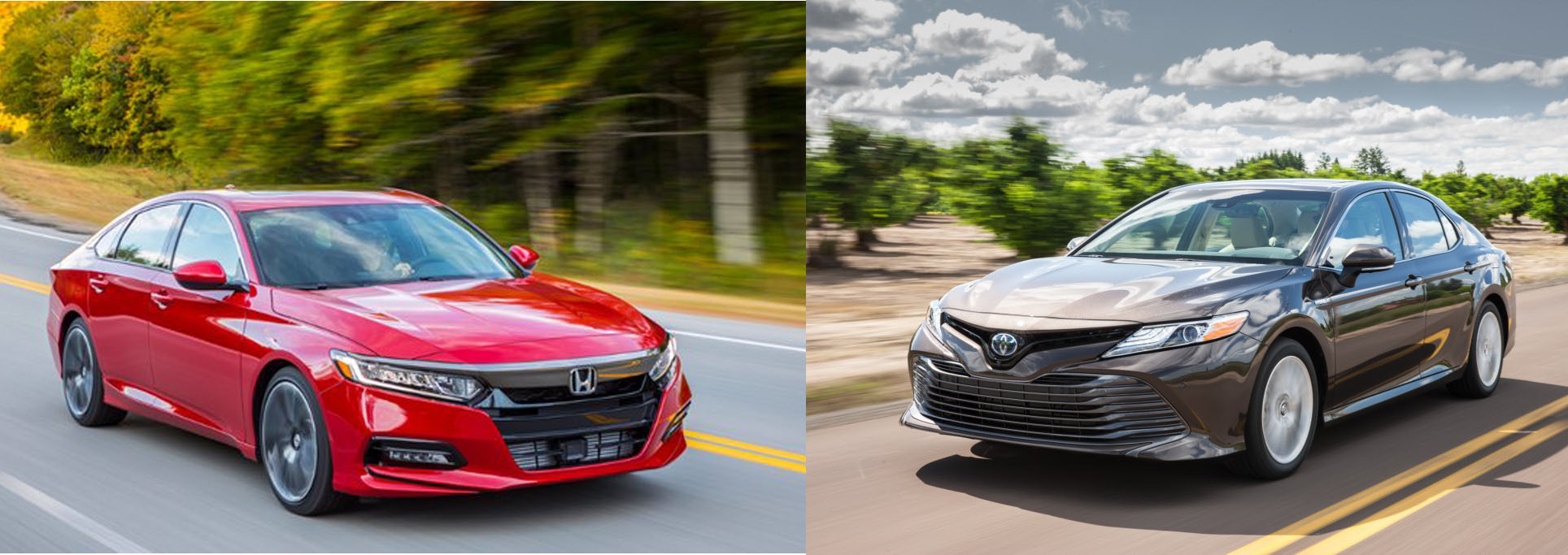
Picture two rivers running side by side: one carries the familiar assurance of Honda, the other flows with Toyota’s long-earned steadiness. Both rivers promise the same destination—years of dependable transportation—but resale value is where the current reveals its character. In the long run, the Honda Accord and the Toyota Camry can look like mirrors. Yet after the leases of time, mileage, and changing tastes have done their work, subtle differences emerge. This is a resale value comparison with an almost poetic undertone: the way each car’s reputation hardens into market confidence, and how that confidence becomes money.
Resale value isn’t merely a number. It’s an atmosphere. It’s the invisible handshake between the next owner and the used-car market—an agreement shaped by durability narratives, parts availability, brand loyalty, and the quiet logic of depreciation curves. Let’s walk through the landscape that makes the Honda Accord and the Toyota Camry stand out, and why their resale trajectories often feel like two different flavors of reliability.
Why Resale Value Feels Like a Reputation Currency
When a vehicle is sold years later, it arrives with a “backstory” written in buyer expectations. Some models carry a reputation like a well-tailored suit—already pressed, already ready. Others come with question marks, like a suitcase full of maybes. Resale value largely tracks that reputation. Buyers don’t just purchase metal and rubber; they buy reduced risk.
Consider depreciation as weather. The first years are storms—intense, unpredictable, and fast-moving. Later years become seasons—still changeable, but more forecastable. The question is whether a car’s reputation shields it from the harshest winds, and how evenly that protection holds as the years roll on.
The Accord’s Appeal: Efficient Confidence and Familiar Craft
The Honda Accord’s reputation often reads like a promise kept. It is engineered to feel coherent—controls that don’t fight the driver, ride comfort that avoids drama, and powertrains that aim for smooth continuity rather than theatricality. This “no-nonsense” vibe becomes valuable later. Used buyers frequently want a car that explains itself quickly.
In the marketplace, that translates into demand. The Accord tends to benefit from broad mainstream recognition, which can help reduce the anxiety factor for shoppers comparing options. When shoppers feel they understand the car—its comfort profile, its durability image, its typical ownership experience—they are more likely to pay closer to expected resale pricing.
The Camry’s Appeal: Long-Range Trust and the Weight of History
The Toyota Camry has spent decades becoming synonymous with “safe choice.” Its identity is built on consistency—powertrains that are widely discussed as steady performers and a brand aura that suggests fewer surprises. That history doesn’t fade with time; it matures.
Resale markets respond to maturity. Buyers often perceive the Camry as a known quantity—an instrument with predictable tuning. Even when competitors attempt to rewrite the rules with aggressive styling or tech-first marketing, the Camry’s traditional strengths remain legible. It’s the kind of car that feels like a well-worn map: not flashy, but reliable when the road gets complicated.
Five-Year Resale Value: The “Hold” Factor
Five years is a meaningful window. It’s when depreciation stops being merely about the newness premium and starts reflecting real ownership outcomes. At this stage, a car’s resale value is shaped by three forces: market demand, condition tolerance, and the strength of its brand story.
Both the Accord and the Camry typically perform well here because both models have a broad customer base and strong awareness. Yet their “hold factor”—how confidently they maintain value—can differ depending on the trim lineup, the popularity of specific configurations, and local market preferences.
In a resale value race, think of the Accord and Camry as two runners with different training regimens. One may accelerate into demand through broad appeal and modern comfort. The other may maintain a steady pace through deep-seated trust. Either strategy can produce strong results at the five-year mark, but the texture of the outcome matters: how reliably value remains resilient when the market shifts.
Trim Strategy: Where Choices Become Economics
Resale value isn’t only about the nameplate—it’s also about the trim. Buyers gravitate toward the versions they believe have the best balance of equipment and long-term satisfaction. That’s why some trims become “sticky,” easier to sell and priced with a premium relative to less desirable spec combinations.
For the Accord, mid-to-upper trims often benefit from buyer enthusiasm for comfortable daily-driving features, intuitive infotainment, and a generally well-rounded package. For the Camry, trims that offer strong value perception—especially those with widely appreciated drivability and efficiency characteristics—can retain desirability, particularly in markets where shoppers favor proven mainstream configurations.
If you’re contemplating ownership with resale in mind, consider this: choosing a trim is like choosing the language your future buyer will speak. The more universally understood the “dialect” of your options, the easier it is for the next owner to say yes.
Condition Matters: Resale Is Written in Details
After five years, buyers don’t interpret vehicles through spreadsheets alone. They read them through signals: tire tread quality, maintenance records, the absence of body blemishes, and the story told by the interior. Resale value is a courtroom. Condition is evidence.
Both the Accord and Camry tend to invite confident ownership behavior—meaning owners are more likely to keep them clean, maintained, and properly serviced. That behavioral tendency can indirectly support resale outcomes because well-kept cars attract faster sales and stronger offers.
It helps to think of resale like a bouquet. The base is the brand’s reputation. But the freshness is delivered by the care you give it—oil changes on schedule, fluid health, tire rotation, and a diligent approach to wear items.
Maintenance Reputation: The Quiet Engine Behind Pricing
Resale value is strongly tied to maintenance expectations. When a vehicle is perceived as straightforward to own—parts that are accessible, repair processes that are familiar, and maintenance intervals that don’t feel like calendar ambushes—buyers price in that reduced hassle.
Honda and Toyota both enjoy reputations for mainstream reliability. That matters. It reduces the “fear discount” some buyers apply to uncertain models. Over time, these perceptions often harden into market behavior: when shoppers trust the upkeep story, they’re willing to pay closer to the car’s fair value rather than negotiating as if future problems are guaranteed.
Market Dynamics: The Geography of Demand
Resale value is never only the car. It’s also the region. Climate impacts tire and brake wear. Local commuting patterns influence usage profiles. Even preferences for certain body styles and engine types can vary dramatically from one market to the next.
Because both the Accord and Camry are widely recognized, they often benefit from a broad network of buyers across many regions. Still, the exact strength of resale can shift depending on what trims sell fastest locally and how aggressively dealers compete for inventory.
In one city, an Accord might hold appeal because shoppers value practical comfort above all. In another, the Camry might attract more attention due to perceived longevity and the comfort of a known ownership script. Resale value is the sum of global reputation plus local taste.
Ownership Experience: The Subtlety That Buyers Remember
Drivers remember how a car behaves at ordinary speeds—the way it settles into corners, the calmness of the ride on uneven pavement, the ease of living with controls, and whether the cabin feels like a place to exhale. These experiences translate into reviews, word-of-mouth, and ultimately buyer confidence.
That’s why resale value comparisons can feel emotional. They are about whether the car feels forgiving—emotionally, not mechanically. A vehicle that makes everyday life smoother tends to be cared for more carefully and described more positively later.
Numbers, But Also Meaning: What Resale Value Really Signals
Strong five-year resale value suggests that the car’s core strengths remain legible over time. It means the market continues to believe in the vehicle’s usefulness and durability. It implies a smoother transition to ownership beyond the original buyer.
When comparing the Honda Accord and Toyota Camry, consider resale value as a signal flare. The Accord’s signal often reads “efficient confidence,” while the Camry’s reads “long-range trust.” Both are valuable. The better choice can depend on which story feels more like your daily rhythm.
Choosing Between Them: A Practical Compass
If you prioritize a balanced mainstream experience with broad everyday comfort and easy mainstream recognition, the Accord can feel like a smart default. If you prioritize the gravitas of proven brand history and a sense of certainty about long-term ownership, the Camry often feels like the familiar lighthouse.
To maximize resale potential regardless of choice, focus on what the market rewards: choose widely desired trims, keep meticulous service records, maintain tire and brake health, and protect the exterior and interior from preventable wear.
In the end, you’re buying more than transportation. You’re buying continuity—an expectation that the car will remain understandable, sellable, and financially sane when it’s time to move on.
Whether your path leads you toward the Accord or the Camry, the five-year resale value story is less about rivalry and more about two distinct kinds of reassurance. One offers the steady competence of Honda’s modern practicality; the other delivers Toyota’s deep-rooted trust in dependable longevity. Both can hold their value impressively, but each does so with a different emotional signature—like two dependable friends who show care in their own ways.