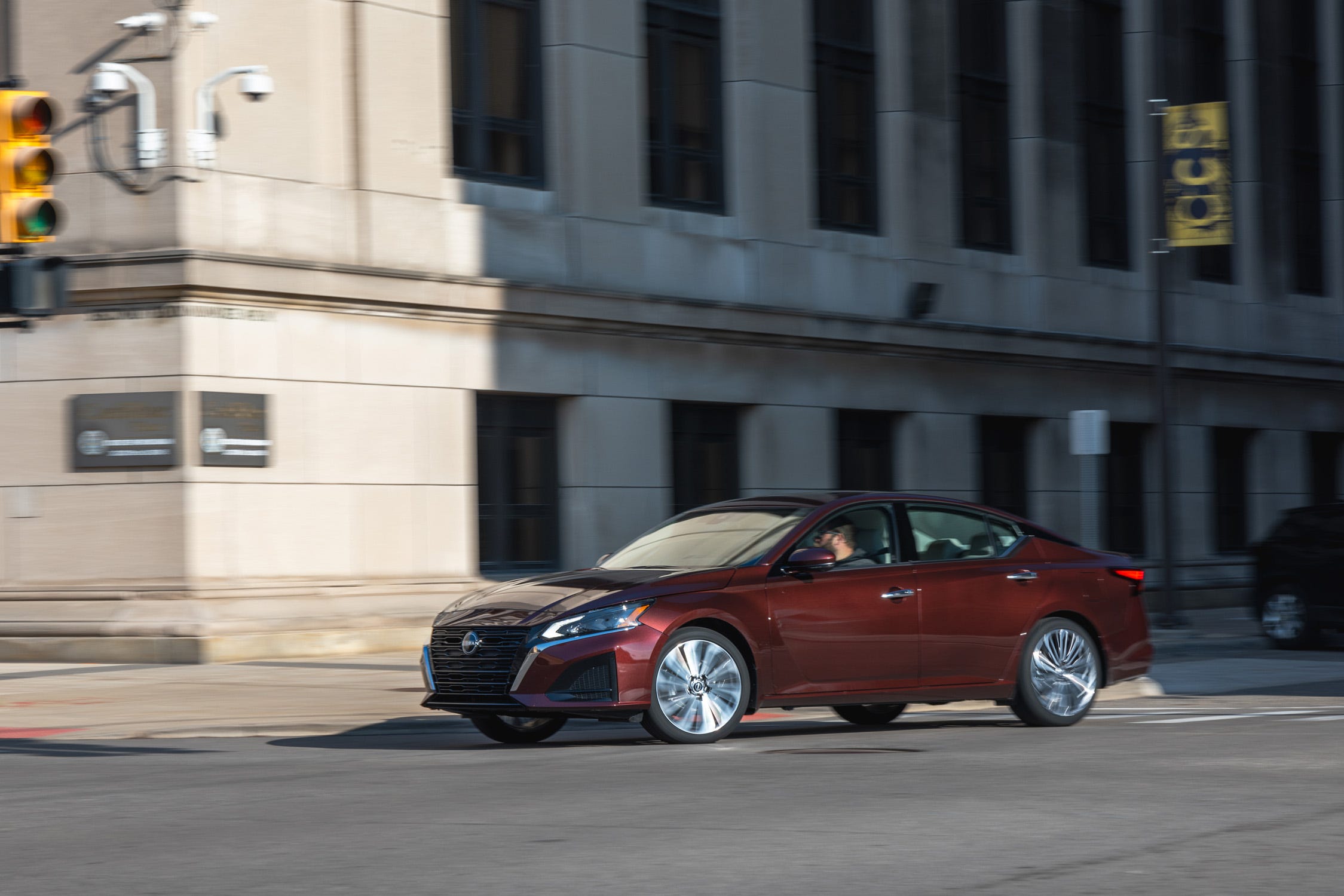
The 2019 Nissan Altima has long carried itself with the quiet confidence of a midsize sedan that understands the assignment: comfortable daily travel, reassuring road manners, and a cabin that feels put together rather than merely “adequate.” Yet there’s a specific detail that can quietly transform the ownership experience—an available all-wheel-drive (AWD) option. It’s the kind of choice that doesn’t always announce itself in flashy brochures, but one that shows up when the weather turns capricious, when rain stitches slicker seams into the asphalt, or when roads demand more than gentle persuasion.
In this review, the AWD Altima isn’t treated as a checkbox. Instead, it’s examined as a living system—how power is distributed, how traction is moderated, and how the car communicates grip through steering feel and throttle response. Along the way, readers can expect a roadmap of practical considerations: performance, comfort, drivetrain behavior, fuel economics, technology, and the real-world factors that shape whether AWD is a smart investment or unnecessary ballast.
Why the AWD Option Changes the Altima’s Character
Traditional front-wheel-drive sedans can be perfectly fine for dry commutes, but AWD introduces a different kind of steadiness. When traction is uneven—think shallow puddles, frosty mornings, or gravelly shoulders—the vehicle’s ability to shuffle torque between axles matters. The Altima’s AWD option is designed to mitigate slip and stabilize forward motion, helping the car maintain composure instead of chasing momentum like a startled animal.
This shift is subtle at first. The car doesn’t feel dramatically “sportier,” yet it feels more certain. Short inputs to the steering wheel are translated with a more planted demeanor. In everyday terms, it can feel easier to trust the car when visibility is imperfect and the road surface is doing something unpredictable.

Traction and Grip: The AWD System in Motion
AWD is not just about driving in bad weather. It’s about traction management—how the vehicle identifies loss of grip and responds before the driver has to intervene. In wet or low-friction conditions, the system works like a discreet stage manager, ensuring that torque delivery doesn’t overwhelm the tire contact patch.
What drivers typically notice is the reduction in wheelspin. Launches feel more linear. Corner exit feels less tentative. The car is still a midsize sedan with everyday priorities, but AWD helps it behave like a more composed version of itself—one that resists the urge to wander when the road is slippery.
In more severe weather, AWD can also reduce driver workload. That doesn’t mean the laws of physics vanish; it means the vehicle offers a broader margin for error. The result is confidence that feels practical rather than theatrical.
Handling and Steering Feel: Confidence Without Overstatement
Some AWD systems change the handling personality dramatically. The Altima’s approach is more refined—aimed at smoothing out the transitions between traction states. The steering remains accessible, not overly weighted, and the car’s ride quality is kept intact.
When navigating curves, the AWD option contributes to stability, particularly when road conditions vary mid-turn. For example, if one side of the lane is damp and the other is less so, the drivetrain can help prevent the car from feeling uneven or reluctant. That’s where the value hides: not in dramatic maneuvers, but in the everyday geometry of real roads.
Even on borderline winter surfaces, the Altima’s balance is designed to avoid the “uneasy correction” sensation. The vehicle feels more like it’s cooperating with the driver rather than reacting to an unexpected lack of traction.
Ride Comfort: Secure Comfort in the High Country
Comfort is where the Altima’s personality becomes most obvious. The cabin aims for calmness—an atmosphere where long drives don’t feel like a negotiation. With AWD engaged in the right conditions, the ride isn’t disrupted; it remains focused on cushioning occupants from the harshness of imperfect pavement.
Road noise is managed with a deliberate mix of structural tuning and insulation choices. Texture from asphalt is communicated, but not exaggerated. That’s a subtle difference between a car that “feels nice” and one that feels consistently civilized.
On varied elevation and temperature swings—common during road trips—the AWD option can be especially helpful. The tires may behave differently as temperatures fluctuate, and the drivetrain’s traction moderation helps maintain continuity in how the car moves.

Power and Drivability: How It Feels Day-to-Day
The Altima’s AWD option is built to support drivability rather than turning the sedan into a performance instrument. Acceleration remains smooth. Throttle response doesn’t feel artificial, and the car continues to prioritize predictable behavior.
In traffic, the AWD system doesn’t announce itself. It simply contributes to traction where needed, allowing the driver to focus on spacing, mirrors, and the flow of the drive. In other words, the car feels effortless—composed rather than busy.
On the highway, stability becomes the headline. Passing maneuvers feel steady, and lane changes remain confidence-inspiring because the vehicle maintains traction with a consistent attitude.
Fuel Economy Considerations: AWD’s Tradeoffs
No review of AWD is complete without addressing efficiency. All-wheel drive typically adds mechanical complexity and can affect fuel economy, particularly in stop-and-go driving where traction control works more frequently. That doesn’t mean the Altima becomes a fuel miser, but drivers should anticipate a modest reduction compared with front-wheel-drive versions.
The good news is that AWD is usually most active when it’s needed. The car doesn’t continuously fight for traction in dry conditions. Instead, it stands by—ready to step in when surfaces demand more. For many owners, the efficiency hit becomes an acceptable price for reliability and confidence.
For readers who are assessing value, the real question isn’t just “How many miles per gallon?” It’s “How often will the car face slippery weather where traction matters?” If the answer is frequently, AWD becomes more than an upgrade—it becomes a lifestyle adjustment.
Technology and Driver Assistance: Modern Safety, Calm Operation
While the drivetrain is the headline feature, the Altima’s value is amplified by its technology ecosystem. Driver assistance systems help reduce fatigue during long drives. They can also provide reassurance in moments when attention slips, such as during late-afternoon glare or monotonous highway stretches.
Expect a package designed to support everyday situational awareness. Features related to collision prevention and lane guidance contribute to a driving experience that feels less stressful. The cabin becomes a cockpit of sorts—not for racing, but for maintaining vigilance without constant manual correction.
In wet conditions, technology and AWD complement each other. AWD helps maintain traction, while driver assistance helps manage space, speed, and lane boundaries. Together, they craft a more forgiving driving environment.
Interior Quality and Practicality: A Sedan That Works
The Altima’s interior is meant to be lived in. Materials and fit create a solid impression, and the seating and controls are arranged to support routine use. On longer drives, comfort is more than softness—it’s ergonomics, visibility, and the ability to settle into a posture that doesn’t punish the body.
Cargo practicality remains central to the midsize sedan equation. Grocery runs, road-trip bags, and weekend equipment all find a home. AWD doesn’t change the fundamentals here; it simply adds confidence to the journey that those items accompany.
Who Should Choose the Altima AWD?
AWD makes the most sense for drivers who regularly encounter uncertain weather or variable surfaces. That includes regions with winter precipitation, areas with frequent rain, and commuters who traverse shaded roads where ice appears earlier and disappears later.
It also fits drivers who value stress reduction. Even if the roads aren’t consistently harsh, the occasional storm or slick morning can justify AWD because the benefit arrives exactly when you need it.
Conversely, readers who live in consistently dry climates—or who rarely drive in hazardous conditions—may find front-wheel drive perfectly adequate. For them, AWD could be an indulgence rather than a necessity, adding cost without delivering frequent, tangible advantages.
Ownership Experience: Maintenance, Longevity, and Peace of Mind
Any AWD system introduces additional components compared with simpler drivetrains. That can influence maintenance planning, tire wear monitoring, and long-term budgeting. However, AWD can also be part of a broader peace-of-mind strategy: the car is better prepared for conditions that punish less capable setups.
Tires deserve special attention. All-wheel-drive vehicles rely on consistent traction behavior, and mismatched tire wear can influence how the system performs. Regular rotations and adherence to recommended tire specifications help ensure the drivetrain operates as intended.
When the vehicle is maintained properly, the AWD Altima can become a dependable companion—one that doesn’t require dramatic driving habits to deliver confident everyday performance.
Final Verdict: AWD Adds Meaning, Not Noise
The Nissan Altima with AWD is best viewed as a practical upgrade with emotional payoff: the quiet assurance that the car will respond intelligently when conditions are less than cooperative. It doesn’t transform the sedan into something it isn’t. Instead, it sharpens the baseline—enhancing stability, reducing slip, and supporting a more assured sense of control.
For drivers who prioritize consistency across seasons and surfaces, the AWD option aligns with real-world needs. And for those who simply want a midsize sedan that feels composed under pressure, the Altima’s AWD presence makes every drive—rainy, chilly, or bright—feel a little more secure.