The automotive world has a way of moving like weather—fronts gather quietly, pressure shifts, and suddenly the horizon changes. For many enthusiasts, the question isn’t whether the Kia K4 Hatchback is real. It’s whether it will arrive in the United States soon enough to feel like a genuine turning point rather than a brief, curiosity-sparking detour. A hatchback, after all, is more than a body style. It’s a promise: practicality with a pulse, flexibility with design intent. And when that hatchback wears Kia’s modern sensibility, the idea begins to feel like an invitation left on your windshield.
So what does “coming to the US market” actually mean? It means alignment—between engineering philosophy and consumer appetite, between global product strategies and local regulations, between brand identity and the American love affair with value. If the K4 Hatchback truly makes its way stateside, it could become the kind of car people don’t just drive, but defend in conversation.
A Hatchback as a Street-Level Theater
Think of a hatchback as a small stage with doors. It’s where everyday errands turn into choreography—grocery runs become quick scenes, road trips become montage sequences, and shifting cargo is less “feature” and more rhythm. The K4 Hatchback’s concept fits that rhythm. Hatchbacks carry an energy that sedans often lack: a sense of openness, a visual practicality, and a tailgate stance that feels ready for the next chapter.
In metropolitan life, that matters. In suburban routines, it matters more. And in the quieter moments—when you load up weekend gear or adjust seating to match the day—the hatch becomes an adaptable tool. It’s the kind of vehicle that doesn’t demand justification. It simply performs.
Design Language: Modern, Crisp, and Slightly Unrepentant
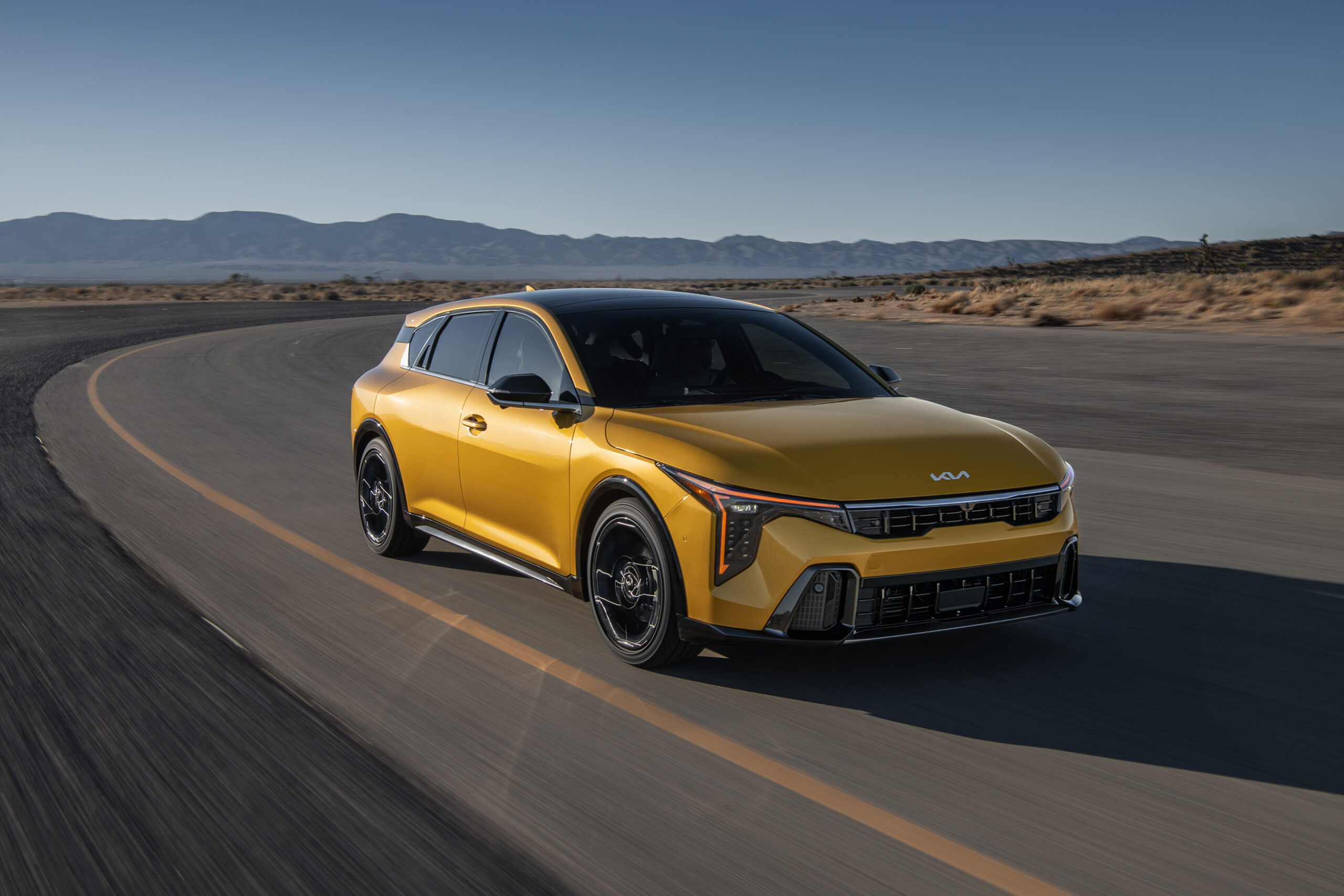
When manufacturers translate a global look into a market like the U.S., the design has to do double duty. It must be unmistakably contemporary, but it also has to read well at American speed—on wide roads, in bright sun, and across longer sightlines. The K4 Hatchback’s visual appeal leans into this idea. Its proportions suggest a purposeful compact footprint while keeping the stance confident rather than timid.
The front end, the way the body lines flow, and the overall hatch silhouette create a sense of momentum even while stationary. It’s the automotive equivalent of a well-cut suit: clean geometry, purposeful surfaces, and enough character to avoid blending into the background.

Why the US Would Care: Value Meets Verve
America’s mainstream market rarely chooses on emotion alone. It wants a spreadsheet that doesn’t lie. Yet it still wants delight—something that feels satisfying to own, not merely affordable to purchase. A hatchback like the K4 could thread that needle.
Hatchbacks tend to attract buyers who are practical but not resigned. They’re often the kind of people who want clever storage without compromising style. They also represent a demographic that treats cars as mobile ecosystems: commuting during the week, escaping on weekends, and ferrying life’s detours along the way.
If the K4 Hatchback lands in the US, it would likely appeal to shoppers searching for a blend of everyday utility and a design that doesn’t look like it was assembled from committee compromises.
Trims, Pricing, and the Art of the Sweet Spot
Pricing will be the real weather system. Launching a new hatchback into a competitive American arena means battling established names and an endless stream of crossovers. The K4 will need a “sweet spot”—a trim ladder that offers meaningful steps without forcing buyers into expensive tiers.
In an ideal scenario, the entry trim would feel complete. Not bare-bones. Complete. Then, mid-level variants could add comfort and tech that people actually use: driver assistance, infotainment polish, connectivity, and convenience features that turn ownership into an ongoing minor relief.
Higher trims, meanwhile, should be for those who want the car to feel like a daily companion with upscale touches. Even then, the best trims are not just about luxury. They’re about coherence—when every added feature makes the vehicle better in a way that’s obvious, not ornamental.
U.S. Regulations and the Hidden Complexity of “Coming Soon”
“Coming to the U.S.” isn’t merely a marketing phrase. It’s an engineering handshake with safety standards, emissions requirements, crash testing realities, and certifications that demand time and documentation. This is where many promising global models stall.
But when a brand considers a US launch for a hatchback like the K4, it signals intent. Intent is a kind of momentum. It means the product isn’t simply being observed; it’s being prepared.
For buyers, this matters because it changes the odds of long-term support—service availability, parts logistics, warranty clarity, and the ability to maintain the car without feeling like you’re keeping a rare bird alive in your garage.
Practicality That Feels Personal
Let’s talk about the lived experience. A hatchback transforms how you pack. You can set groceries down quickly, access cargo with less fuss, and rearrange life without wrestling with awkward trunk openings. That flexibility is particularly persuasive in a country where road trips are nearly a cultural reflex.
The K4 Hatchback’s “personal practicality” could show up in how easily it adapts to different roles: commuter, city runabout, and weekend transporter. It’s the sort of car that can feel smaller than it is when navigating traffic—then feel larger than expected when you open the hatch and realize how much you can bring along.
Engagement Beyond the Badge
In America, brand loyalty is real. But so is buyer skepticism. People want cars that don’t just look good on day one—they stay satisfying after weeks of use. That’s where the K4’s appeal could become intriguing.
If the driving feel matches the design confidence—if steering has clarity, if the chassis behaves predictably, if acceleration feels responsive without turning everything into noise—then the K4 Hatchback could earn repeat admiration. The best cars don’t merely impress; they settle into your routine and become a dependable rhythm.

The Intrigue Factor: A Car That Could Change Habits
Here’s the metaphor worth keeping: some cars are keys, others are doors. If the K4 Hatchback reaches the U.S., it could be a door for buyers who want more than transportation. A door to smaller footprints with bigger usefulness. A door to a daily drive that doesn’t feel like a compromise.
The hatchback category has always been a little rebellious—not in a loud way, but in a quietly determined one. It tells the world you’re not chasing trends for their own sake. You’re choosing function without surrendering style.
What to Watch Next
For the K4 Hatchback, the path to U.S. arrival will likely hinge on timelines, trim announcements, and official confirmations that move from rumor to reality. Buyers should watch for details that affect real ownership: feature availability by trim, drivetrain specifics, safety packaging, warranty terms, and how the car positions itself against similarly priced rivals.
Also watch the “market story.” A successful launch isn’t just about the car—it’s about the pitch, the incentives, and the credibility of dealer support. If Kia approaches the U.S. with clarity, the K4 Hatchback could quickly turn into a compelling alternative rather than a niche curiosity.
Outro: Waiting for the Right Signal
The idea of the Kia K4 Hatchback arriving in the United States carries a particular kind of anticipation. It’s not only excitement about a new model. It’s hope for a product that respects daily life—storage, flexibility, commute practicality—while still offering aesthetic confidence and a sense of modern momentum.
If the K4 lands, it will feel like more than a new entry in the hatchback lineup. It could become a quiet pivot point for shoppers who are ready for something fresh without giving up the fundamentals they rely on. And in the end, that’s the best kind of arrival: one that doesn’t just enter the market, but makes people look at their choices differently the moment they open the hatch.