There’s a particular moment when you first sink into a luxury car interior—when the cabin feels less like a space and more like a carefully staged atmosphere. Most people notice it as comfort. Others call it style. But underneath that first impression is a quieter fascination: the way premium materials seem to choreograph light, sound, and touch into something almost theatrical. It’s the reason a dashboard can feel like architecture rather than equipment. It’s why a door closing can sound like ceremony. And it’s why, even after years, the most luxurious interiors still pull people back toward them—like gravity with a softer, more indulgent pull.
For 2026, luxury car interiors lean into that deeper seduction. The new designs aren’t only about expense. They’re about harmony—between hand and surface, between sightline and stance, between silence and signal. The result is an interior that invites lingering, even when the journey itself is short.
Materials That Don’t Just Look Premium—They Behave Like It
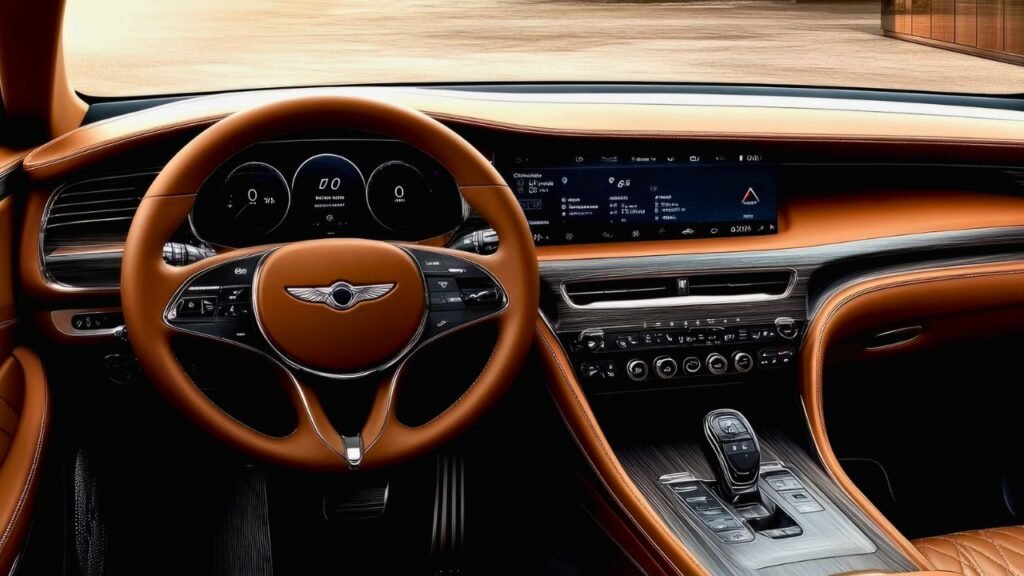
Luxury materials have always been part of the allure, but in 2026 the emphasis shifts from mere appearance to tactile behavior. The finest leathers don’t simply cover surfaces; they modulate contact. They warm quickly, resist that cold shock many cheaper cabins deliver, and develop a subtle patina that feels personal rather than worn out. The grain is selected not only for beauty, but for how it catches ambient light along curves.
Across high-end interiors, you’ll also see premium textiles that mimic the visual depth of natural materials while maintaining durability. Alcantara-like micro-suede finishes, for instance, create a “soft-focus” effect under cabin lighting. That softness visually reduces glare and makes the entire dashboard feel calmer, like a well-composed room.
And then there are advanced composites—materials engineered to feel solid and refined without weight bloat. They contribute to that “tight” sensation when you touch trim pieces. Nothing feels wobbly. Nothing feels like it’s been assembled from compromises.
Leather, Suede, and Beyond: The Texture Layering Philosophy
A common observation is that luxury interiors are filled with premium finishes. The more revealing truth is that they’re layered. A luxurious cabin is rarely one material doing all the work. Instead, it’s a deliberate stack of textures that create contrast at the right moment.
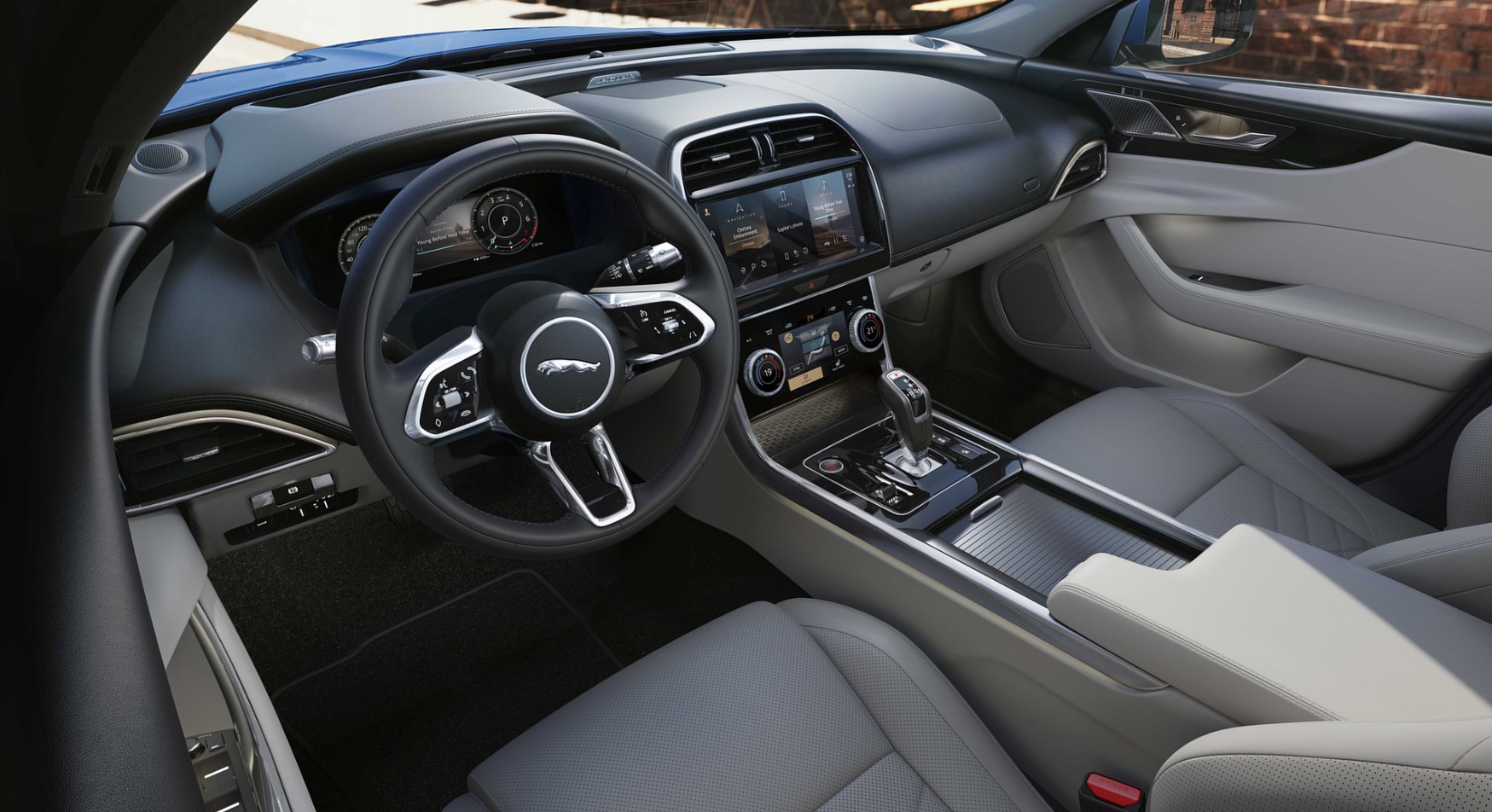
Imagine the steering wheel: leather for grip, stitched for hand guidance, with a surface that balances smoothness and traction. Now imagine the surrounding surfaces: brushed metal accents that add crispness, and textile panels that soften the overall visual rhythm. That mix of “quiet” and “sharp” is what keeps the interior from feeling monotonous. It’s also why luxury doesn’t look loud—it looks intentional.
In many 2026 cabins, contrast stitching plays a subtle role too. It doesn’t only decorate. It acts like a visual metronome, guiding the eye across the cabin’s geometry. Short stitches tighten structure. Long lines elongate perspective. The result can feel almost sartorial, like the interior has been tailored to the driver.
Ambient Lighting as Emotional Engineering
People often describe ambient lighting as “mood.” That word is true, but it’s also incomplete. In 2026 luxury interiors, lighting is used as emotional engineering—shaping perception so the cabin feels more spacious, more intimate, or more focused depending on conditions.
Lighting zones are typically segmented: soft glows under the dash, gentle contour lines around controls, and brighter highlights for key touchpoints. That segmentation prevents light from flattening the cabin. Instead of washing everything evenly, it “sculpts” surfaces, emphasizing edges and hiding minor irregularities that would otherwise stand out.
Under night driving, ambient systems reduce visual fatigue. At the same time, they increase perceived quality. A faint halo around the cupholders, or a subtle light trail across the center console, tells the brain that the design team didn’t treat the interior as an afterthought. The cabin feels like it was designed to be experienced, not simply occupied.
Design Language: Minimalism With a Pulse
Another common observation is that modern luxury interiors look minimal. But minimalism doesn’t mean emptiness. In 2026, the most successful cabins use minimal surfaces to create focus while adding a pulse of detail through materials and geometry.
Instead of busy dashboards, you’ll find purposeful spans—clean lines that lead the eye from instrument cluster to infotainment, then to vents and controls. The steering wheel often acts as a visual anchor. Even when the layout is simple, proportions remain exacting. Corners are radiused. Gaps are measured. Button layouts respect muscle memory.
There’s also a new confidence in negative space. Vacancies in design can make luxury feel calmer and more expensive. They allow light to travel without interruption and give the cabin a sense of breathing room—even when technology crowds the dashboard.
Technology Integration: Screens That Disappear Into Architecture
Luxury interiors no longer treat screens as separate objects. In 2026, the goal is fusion. Interfaces are embedded into the dashboard like instrument panels from aviation—still technological, but calmer and more coherent.
High-resolution displays are paired with refined controls, so the driver doesn’t have to hunt. Haptics and tactile feedback help reduce reliance on constant visual scanning. That matters because luxury is partly about reducing friction—not only physical friction, but cognitive friction.
The deeper fascination comes from how seamlessly technology respects human rhythm. The best cabins feel like they anticipate needs. The screen doesn’t demand attention; it supports it. When it changes, it does so with purposeful clarity, not frantic animation.
Soundproofing and Silence: A Wealth Detail People Feel Before They Notice
Silence is an expensive luxury. Yet most people can’t point to the exact cause. They simply experience it as smoothness—less wind noise, fewer vibrations transmitted through the body, and a more controlled acoustic environment.
In 2026, luxury interiors often use multi-layer sound attenuation strategies: damping materials within doors, refined seals around openings, and structural tuning that reduces resonance. Add in upgraded sound systems calibrated for cabin geometry, and the result becomes a private theater of audio.
This is where deeper reasons for fascination emerge. Humans interpret quiet as safety and comfort. It signals refinement even before the driver consciously understands why. The cabin feels protective—like an insulated cocoon for both driver and passengers.
Steering Wheel and Driver-Centric Ergonomics
Comfort isn’t only softness. It’s posture. In 2026, driver ergonomics are engineered for micro-adjustments: seat bolstering that holds without pinching, armrests that align with natural reach, and control placement that reduces unnecessary movement.
Steering wheels are increasingly shaped to match grip anatomy. Surface materials combine with subtle contours so hands find their position effortlessly. Some designs incorporate tactile zones where textured grips meet smoother trim, guiding finger placement while maintaining visual cleanliness.
Even the instrument cluster’s orientation is considered. It’s not only about visibility; it’s about reducing eye travel. When controls are intuitive and sightlines are stable, the cabin feels intelligent. That intelligence is part of the luxury appeal—quiet competence rather than flashy spectacle.
Luxury as Craftsmanship: Seams, Gaps, and Finishing Discipline
Luxury is also in what you don’t notice. You notice it when it’s missing. In 2026 interiors, craftsmanship is expressed through seam alignment, consistent panel gaps, and finishing discipline at transition points—where leather meets plastic, metal meets composite, or surfaces curve into corners.
Stitch quality and seam straightness contribute to a perception of longevity. Even when the interior is new, the best craftsmanship implies a future. It suggests the cabin will age gracefully, not just visually, but structurally. When panels don’t rattle and trims remain firmly seated, the interior feels like it’s made to endure.

Passenger Experience: The Interior as a Shared Sanctuary
Luxury cabins are increasingly designed for all occupants, not only the driver. In 2026, rear seating often receives special attention: supportive contours, refined climate delivery, and ambient lighting patterns that extend comfort into the back of the vehicle.
Some interiors incorporate features that reduce disturbance between passengers—quiet venting, tailored airflow distribution, and well-managed sound isolation. When rear passengers feel as insulated as the front, the whole cabin feels premium.
Even the placement of charging ports, tray surfaces, and control locations is treated like choreography. Convenience becomes a form of respect. The deeper fascination is subtle: luxury makes people feel considered.
Choosing Luxury: Why These Interiors Keep Reappearing in Imagination
It’s easy to assume people love luxury interiors because they’re expensive. That’s partially true. But the more interesting reason is sensory literacy—the interior teaches the body how to relax. Materials respond. Lighting calms. Sound surrounds. Technology integrates. Everything works together so the driver doesn’t have to think about comfort.
That is why these cabins linger in memory. They don’t just demonstrate wealth; they demonstrate control—over details, over perception, over emotion. A luxurious interior becomes a reference point for what “well-made” should feel like.
Final Thoughts: The Cabin as a Living Artwork
In 2026, luxury car interiors evolve into living artworks—dynamic in how they shift between day clarity and night softness, between active driving and passenger repose. The most luxurious materials and designs aren’t merely selected to impress. They’re selected to harmonize with human senses.
So when the door closes and the cabin settles into silence, it isn’t just a mechanical event. It’s the start of a curated experience. And that’s the real enchantment: luxury doesn’t ask for attention. It earns it, quietly—through craft, comfort, and an atmosphere that feels unmistakably, deliberately crafted.