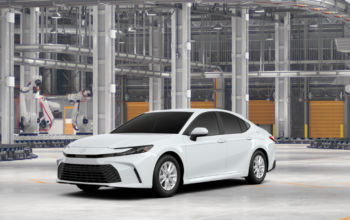
There’s a particular kind of silence that arrives when a luxury car rolls into view—like the world pauses to recalibrate its expectations. Most people assume the fascination is purely visual: the sculpted grille, the lacquered paint, the cadence of the engine note. But the deeper pull is rarely that simple. It’s the promise embedded in the object—of craftsmanship, of engineered comfort, of control. In 2026, buying one is less about guesswork and more about informed orchestration. A luxury purchase can be exhilarating, yet it also demands discernment, because the right car can feel like a tailored suit, while the wrong deal can become an expensive lesson.
This step-by-step guide walks through the practical path to purchasing a luxury car in 2026—without losing the romance of the process. Short sentences will keep things crisp; longer ones will give the reasoning the room it deserves.
Start With the Real Definition of “Luxury”
Before browsing inventory, pause and define what “luxury” means for you. Some buyers want quietness so profound it feels like insulation from the city’s noise. Others prioritize performance—cornering composure, braking confidence, responsive steering. There are also buyers whose luxury is about belonging: driver-assistance confidence, ergonomic seats, ambient lighting that turns a commute into a ritual.
A common observation is that “luxury equals brand.” Yet the truer answer is often experiential. A brand can be a shortcut, but it can’t replace a test drive. Consider the small details: the tactile weight of the door handle, the way the dashboard communicates status, the sound profile at highway speed. These are not marketing flourishes; they are design decisions shaped by buyer psychology and the engineering philosophy behind the vehicle’s intended mood.
Set a Budget That Survives the Numbers
Luxury vehicles are frequently budget-breaching for one reason: the listed price is only the beginning of the ledger. In 2026, you’ll also encounter costs that tend to arrive like aftershocks—insurance premiums, maintenance packages, tires with premium supply chains, and occasional out-of-warranty expenses that can feel startling.
To build a budget that holds, break it into categories. Calculate your total monthly payment ceiling, then add a buffer for unexpected service needs. If you plan to finance, request the full amortization details and confirm what happens at the end of the term. If you plan to lease, read the mileage clauses carefully. If you’re paying cash, still budget for “continued ownership,” because ownership is where value either matures or evaporates.
Many buyers also forget taxes and registration fees, along with any dealer add-ons that appear as “standard.” The deeper reason this is common isn’t greed—it’s cognitive overload. When you’re emotionally attached to a model, the mind can gloss over the fine print. Stay methodical, even if the car feels inevitable.

Research Models Like a Connoisseur, Not a Browser
In 2026, the luxury market is crowded with trims and option packages that complicate comparisons. Two cars that share a badge can differ dramatically in suspension tuning, infotainment hardware, safety sensor configurations, and even the driving feel at low speeds.
Approach research with a tiered mindset:
First: choose a driving profile (commute, road trips, city navigation, long-distance comfort, or performance runs).
Second: shortlist models that match that profile.
Third: compare trims for features that you’ll actually use—heated/ventilated seats, advanced driver assistance, adaptive cruise behavior, camera quality, and sound system clarity.
Look for pattern-based information: repeated complaints about brake wear, known software quirks in certain infotainment generations, or recurring issues with specific wheel/tire configurations. Singular reviews are noise; repeated narratives are signal.
Understand the New Reality: Tech, Subscriptions, and Updates
Luxury cars increasingly function like mobile systems on wheels. That’s fascinating—and occasionally perplexing. Some features may require software activation, connectivity subscriptions, or periodic updates that change functionality over time.
Ask pointed questions: Will driver-assistance features require ongoing subscriptions? Are navigation and traffic services included for a period? Is there a warranty for software components? Does the car support over-the-air updates, and how often are major releases delivered?
The deeper reason buyers find this confusing is that “ownership” becomes less absolute. In a traditional sense, you bought a machine. Now you may also be purchasing a platform. Clarify what is included at purchase, what changes later, and what you can control.

Choose Between New, Certified Pre-Owned, and Private Sale
Each path has its own temperament.
Buying new offers the cleanest setup: no prior wear, the latest safety and software baseline, and fresh warranty coverage. Yet new can depreciate quickly in the first years.
Certified Pre-Owned (CPO) can be a sweet spot. CPO programs often provide extended warranties, verified maintenance histories, and manufacturer-backed inspections. The fascination here is practical: you get much of the luxury experience with a gentler financial impact.
Private sale can be cost-effective, but it demands a tougher due-diligence approach. Without strong inspection standards, you assume more uncertainty.
In 2026, the “best” option depends on your comfort with risk. Some buyers want certainty more than savings. Others prefer savings and are willing to verify everything meticulously.
Inspect Condition Beyond the Polish
Luxury cars can look perfect while hiding issues beneath the surface. A glossy finish doesn’t reveal tire micro-cupping, misaligned panels, or electronic fault codes that only appear after deeper diagnostics.
Before agreeing to anything, schedule a professional inspection—especially if the vehicle is used. Ask for a vehicle history report when applicable. Check service records, confirm recall completion, and examine wear patterns. Pay attention to brake feel, steering alignment, and uneven tire wear.
If possible, test the systems that most people ignore. Do the windows operate smoothly? Does the sunroof seal without noise? Does the climate control maintain stable temperatures across vents? These questions are not obsessiveness; they are shortcuts to understanding how well the car was lived with.

Test Drive With a Purpose—Not Just Pleasure
A test drive can be romantic, but it should also be diagnostic. Drive in the environments you actually encounter: city traffic, highway merging, a few potholes or rough patches, and steady-speed cruising.
Evaluate comfort and control in motion. Listen for rattles. Feel for steering vibrations. Notice how the car transitions between acceleration and deceleration. Engage driver-assistance features and see whether they behave predictably—or whether they hesitate with odd timing.
Try the cabin for ergonomics. Adjust the driver seat, mirrors, and steering wheel. Do controls fall naturally under your hands? Does the infotainment interface reduce frustration or create it? Luxury is partly sensory, partly psychological. If the car’s interface feels like friction, the experience will erode over time.
Negotiate With Intelligence and Boundaries
Negotiation isn’t about squeezing; it’s about aligning value. Determine a target price before conversations begin. Then anchor negotiation around verifiable points: vehicle condition, service history, comparable listings, and any needed repairs or reconditioning.
Watch for add-ons that inflate the deal without improving your ownership experience. If a dealer adds ceramic coating, extended protection, or “market adjustments,” ask what it includes, whether it’s optional, and whether it can be removed to match your budget.
Strong buyers keep boundaries. They don’t negotiate under pressure, and they don’t accept vague promises. If a sales representative can’t provide clear details in plain language, the deeper reason is often uncertainty—not confidence.
Secure Financing and Insurance Early
In 2026, financing approval and insurance terms can vary significantly by credit profile, vehicle value, and even usage patterns. Get insurance quotes early—before finalizing the purchase. Many people discover the real cost only at the last moment, when there’s less leverage to adjust.
Compare lender offers if financing is needed. Confirm whether the dealership rate includes markups. Ask about prepayment penalties and how payments change if you refinance later. For insurance, ensure coverage includes repair facilities capable of handling luxury parts and technology.
Finalize Paperwork Without Rushing the Fine Print
When you’re ready, the paperwork stage can feel anticlimactic. Still, this step protects your future self. Review warranty coverage, maintenance plans, and any service contracts. Confirm that the vehicle identification details match the documents. Verify return policies if you’re dealing with a dealer offer.
If buying used, ensure disclosures are complete and that any repairs promised in writing are documented. Some issues only emerge after the initial transaction is complete. Proper documentation reduces the odds that a problem becomes a dispute.
Plan the First 90 Days of Ownership
Luxury ownership is a relationship. In the first 90 days, monitor tire wear, brake behavior, and system stability. If something doesn’t feel right, address it early under warranty. Familiarize yourself with software settings, driver profiles, and essential safety features. Update infotainment if prompted, but keep an eye on notifications and confirmation screens.
Schedule a follow-up service check if the vehicle is CPO or previously maintained lightly. The deeper reason this matters is simple: early interventions prevent small issues from hardening into expensive ones.
Outro: Let Fascination Become Informed Satisfaction
Buying a luxury car in 2026 is both art and engineering. The fascination—the allure of design, sound, and presence—is real. Yet lasting satisfaction comes from disciplined steps: defining luxury, budgeting honestly, researching with nuance, inspecting thoroughly, and testing with intention.
When the process is treated like a careful orchestration, the car becomes more than a status object. It becomes a daily sanctuary of comfort and control. And that’s the kind of luxury that doesn’t fade after the novelty does.