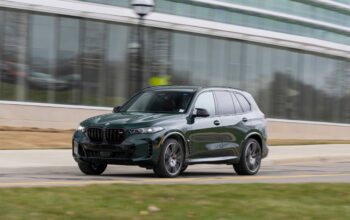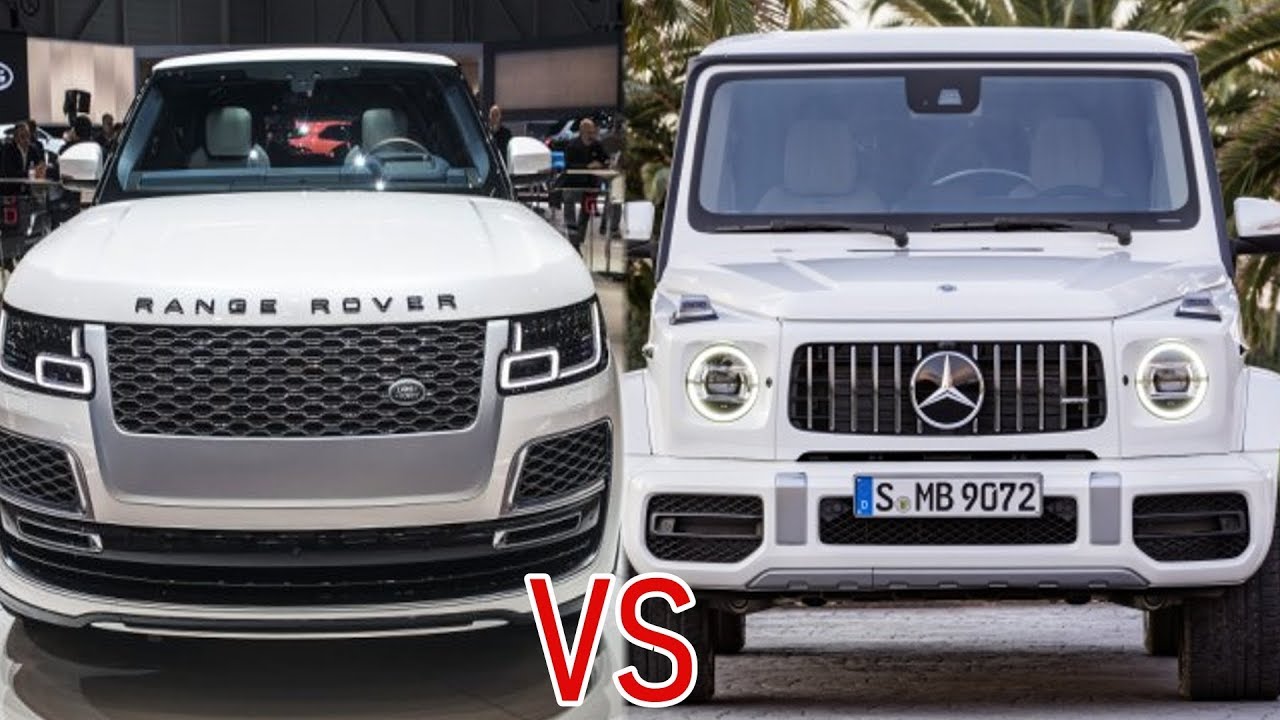
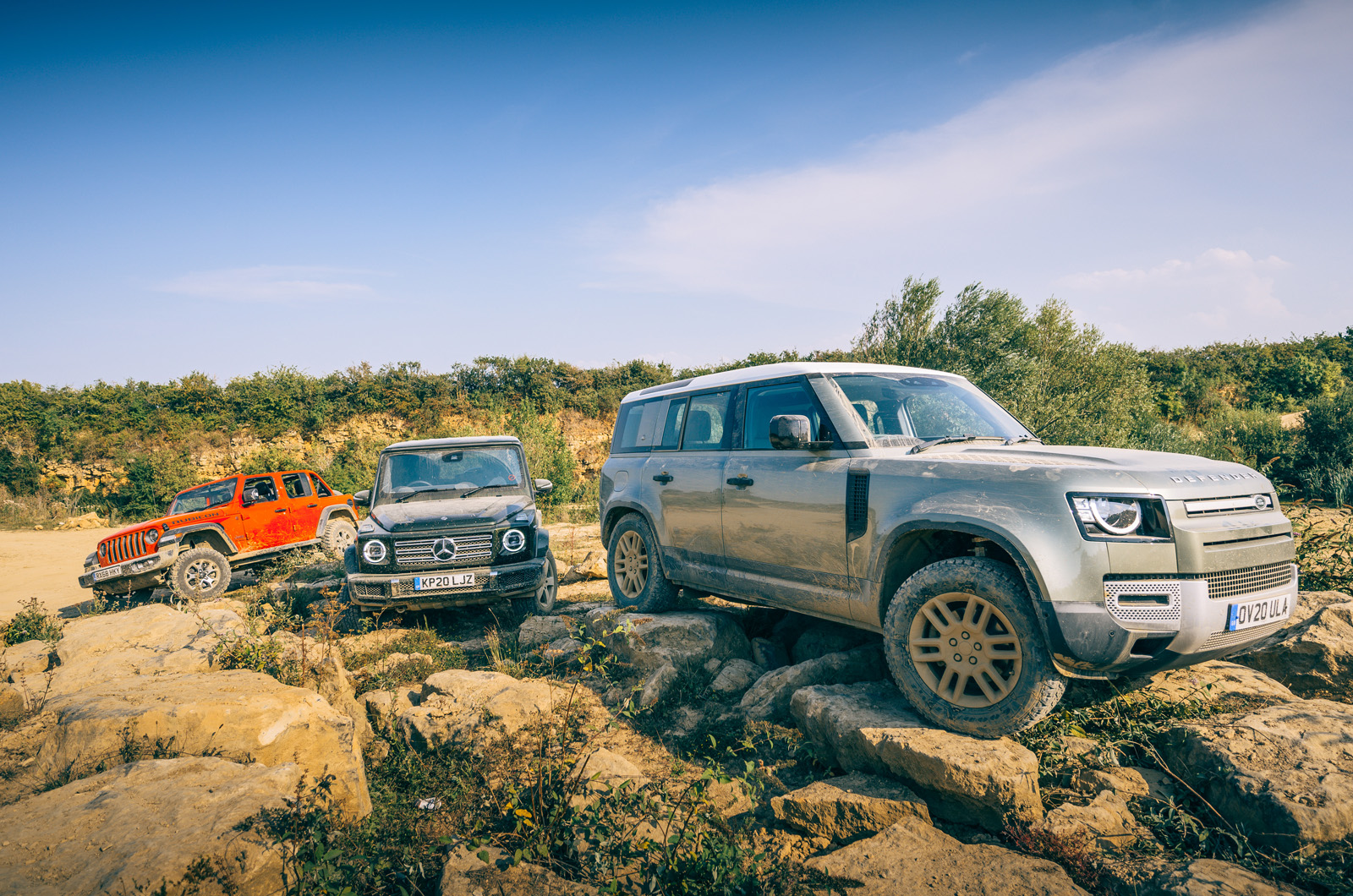
Picture it: you’re rolling down a windy track that looks more like a sketch than a road. The sky has that late-afternoon drama, the kind that makes even mud glisten. And then—two legends arrive on cue. On one side, a 2026 Range Rover with its effortless poise. On the other, a Mercedes G-Class that seems carved from stubbornness. Now the playful question lands with a grin: which one would you trust to look luxurious while doing something deeply un-luxurious?
Here’s the potential challenge, too—let’s make it interesting. Not a showroom promenade, not a polite gravel cul-de-sac. We’re talking uneven ruts, sharp cambers, and that moment when a trail gets narrow enough to test your confidence. Off-road luxury isn’t just about comfort. It’s about how composure survives chaos. So, are these two machines friends of the trail—or are they simply actors wearing the costume of capability?
First Impressions: Presence as a Form of Capability
The Range Rover’s charisma arrives like velvet. It doesn’t announce itself; it regards you. Even at a standstill, it seems to float on the idea of traction rather than rely on physics alone. The stance suggests adjustable confidence—an SUV that feels ready to glide from boulevard to byway without breaking its own narrative.
The G-Class, meanwhile, approaches like a brick that learned to dance. Boxy and unmistakable, it offers visual stubbornness—almost a medieval fortitude. Its upright posture and iconic grille make it feel as if it expects resistance and intends to negotiate with it through sheer persistence.
In a contest of presence, both win. But the vibe differs. The Range Rover feels like an invitation to comfort. The G-Class feels like a promise to endure.
Chassis Mindset: Who Thinks Differently When the Road Ends?
Off-road performance isn’t only about ground clearance and tires. It’s about how the vehicle “thinks” once grip becomes a suggestion. The 2026 Range Rover typically leans into an advanced, integrated approach—sophisticated suspension tuning, traction management, and a strong emphasis on smoothing out the unpredictable. The goal is to keep the body calm, the steering communicative, and the passengers unaware that reality has become irregular.
The G-Class tends to embody a different philosophy: stability through geometry and engineering heritage. Its off-road character often feels more mechanical in the best way—less about tricking the terrain and more about confronting it. That can translate into a reassuring sense of directness, as if the drivetrain and chassis are speaking the same language.

Suspension & Ride: Luxury That Survives the Ruts
Here’s where the “luxury” part becomes real. Suspension tuning determines whether washboard surfaces feel like polite bumps or a rolling percussion section. The Range Rover’s approach generally aims for serene damping, absorbing small chaos so efficiently that time seems to slow down. Even with aggressive tire clawing through loose terrain, the cabin tends to maintain an air of civilized detachment.
The G-Class, famously rugged in demeanor, can feel more composed in a different manner. Instead of disappearing the roughness, it often filters and transmits it in a controlled way—still capable of delivering comfort, but with a more unmistakable sense of mechanical honesty. It’s the difference between a whisper and a low rumble.
Challenge idea: find a patch of uneven stones, where one wheel rides higher than its twin. Then ask yourself which vehicle keeps the body steady without turning the steering wheel into a message-board for vibrations. Both can do well, but they feel different doing it.
Traction Systems: When Electronics Become Trail Partners
Modern off-roaders increasingly rely on electronic guardians—traction control strategies, differential behavior, and adaptive stability logic. The 2026 Range Rover typically brings a layered system: sensing wheel slip, modulating power delivery, and coordinating suspension responses to maintain momentum. It often feels like it’s reading the track ahead and adjusting in near real time.
The G-Class also uses advanced traction management, but the personality can be more decisive. It often conveys a “go-forward” mindset—encouraging movement with a blend of driveline composure and traction control that doesn’t hesitate when grip disappears.
Uncommon question: Do you want a vehicle that masks your mistakes, or one that teaches you discipline? The Range Rover may soften the consequences. The G-Class may demand you respect the terrain.
Power Delivery: The Sound of Confidence
Off-roading is a torque ballet. It’s not only about maximum output; it’s about how smoothly power arrives at low speeds, how patiently it climbs, and how effectively it modulates during throttle transitions.
The Range Rover’s powertrain behavior usually prioritizes finesse. It aims for a fluid, controlled pull, reducing jerky moments that can upset traction. The experience often feels progressive—like accelerating through a thought rather than a demand.
The G-Class tends to feel more direct, with a distinctive drive character that suits steep attempts and deliberate crawl speeds. It can feel like it has a “hold steady” instinct, especially when the trail turns into a test of patience.
Either way, both chase the same dream: keep the wheels from spinning too freely while maintaining momentum. But the emotional texture differs—one feels like elegance, the other like determination.
Visibility & Driver Interface: Seeing Like an Off-Roader
Off-road luxury includes something subtle: the ability to see. Cameras, sensor overlays, and responsive displays help translate terrain into confidence. The Range Rover’s cabin tends to feel futuristic and composed, with controls designed to reduce distraction. It’s about maintaining a calm mental state while your tires negotiate a slope.
The G-Class also values driver awareness, though its interior attitude may feel more classic in its approach. The essentials remain prominent: sightlines, intuitive controls, and a clear sense of where the vehicle is in relation to the trail.
If you’re serious about the challenge, pick a section with a steep descent and a sharp turn. Then watch how quickly the vehicle helps you anticipate rather than react. Luxury isn’t just comfort—it’s clarity under pressure.
Capability Features: Ground Clearance, Angles, and the Art of Not Scraping
Trail success often hinges on the boring numbers: approach angles, departure angles, breakover clearance, and how quickly a vehicle can regain traction after an obstacle. The Range Rover typically aims to excel with its off-road posture and careful packaging—often allowing confident line selection across uneven ground.
The G-Class is historically associated with off-road competence, and its form factor supports a confident stance. It’s built to tackle obstacles with a mindset that treats obstacles as routine paperwork rather than dramatic plot twists.
Cabin Luxury: Comfort as a Strategy
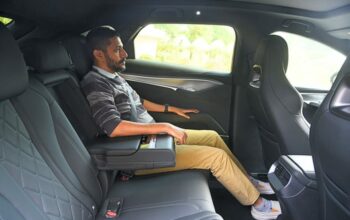
On the road, luxury is mostly about silence. On the trail, luxury becomes about endurance. Wind noise matters, yes. But so does how quickly the cabin settles after body movement—whether passengers feel jostled or gently guided through the chaos.
The Range Rover often emphasizes a cocoon-like experience. Materials feel carefully curated, and the overall cabin demeanor is serene. Its comfort seems designed to keep you speaking in complete sentences even when the trail gets unruly.
The G-Class, with its rugged soul, can still be remarkably comfortable, though it often feels more connected to the driving act. It’s luxury with a pulse—less “floating lounge” and more “robust companion.”
So, which is better for long off-road days? The answer might depend on whether you want your adventure to feel like a retreat or like a ritual.
Practical Ownership: Costs, Repairs, and Real-Life Convenience
Let’s keep it real. Off-road luxury doesn’t come cheap, and the maintenance realities can be different between brands. The Range Rover often appeals to those who prioritize versatility—daily drive comfort plus trail competence. That may come with a more tech-forward footprint, which can influence long-term service planning.
The G-Class can be simpler in spirit, though still not inexpensive. Its reputation can attract owners who appreciate durability and iconic engineering. Parts and servicing will vary by region, but its heritage tends to create a distinct kind of ownership confidence.
Ask yourself: Do you want a vehicle that’s a do-it-all lounge, or a do-it-all artifact? The costs and expectations often follow that emotional choice.
Verdict: Off-Road Luxury, Two Different Dialects
In the end, the 2026 Range Rover and the Mercedes G-Class both pursue off-road luxury with genuine commitment. The Range Rover tends to win the argument for elegance—absorbing terrain like it’s smoothing creases in fabric. The G-Class often wins the argument for character—its rugged demeanor reassuring you that it expects hard work and refuses to flinch.
The playful question returns, now sharpened by the imaginary trail test: Which one would you choose if your adventure demanded comfort and competence at the same time? If you want composure that hides the rough edges, the Range Rover likely feels like the smarter seduction. If you want luxury that doesn’t just endure obstacles but embraces them, the G-Class may be the more satisfying rebel.
Choose carefully—and then take the road less behaved. That’s where luxury stops being a label and becomes a lived experience.