There’s a particular kind of expectation that gathers around a name like 750S. It’s not just about horsepower charts or lap-time bragging rights. It’s about the sensation that arrives a split second before the speed does—an almost theatrical anticipation, like the car is quietly clearing its throat before delivering the punchline. And when that punchline lands, it doesn’t feel like a reboot. It feels like a continuation, a deliberate evolution of everything that made the 720S so magnetically compelling.
Sure, some people casually label it as a “successor review” and move on. But the more revealing question is why the 720S still casts such a long shadow. What is it about that era’s design language and driving architecture that refuses to become irrelevant? The 750S doesn’t merely chase that magic. It studies it. It refines it. And then, with a grin you can’t quite place, it turns the fascination into something sharper, more focused, and—at speed—more persuasive.
Why the 720S Still Feels Like a Benchmark
Before getting swept up in newness, it helps to understand what made the 720S such an icon. The car didn’t just perform; it communicated. Every input felt logically connected to the next consequence. Even the way it looked seemed to imply competence, like it was engineered with the confidence of someone who already knows the outcome.
There’s a common observation among enthusiasts: the 720S was “fast in every direction.” That’s not wrong. But the deeper fascination is why it felt fast. The car’s balance, its response cadence, and its aero efficiency created a kind of stability that didn’t feel like compromise. It felt intentional—an equilibrium with attitude.
People often stop there, as if speed alone explains the devotion. But devotion doesn’t come from speed alone. It comes from coherence. The 720S had a personality that didn’t require explanation. You could learn it quickly. Then, you could exploit it. That’s a rare combination.
So, What Does the 750S Change—Beyond the Numbers?
The “750S – 720S successor” conversation typically begins with the familiar rhythm: power, aero, performance. Yes, those elements matter. But the more interesting shift is how the 750S tightens the loop between intention and outcome.
A successor isn’t supposed to be a stranger. It’s supposed to be a familiar song performed with upgraded instrumentation. In the 750S, the driving experience feels recalibrated for a slightly different kind of thrill—less about surprising you and more about seducing you into consistent confidence.
That doesn’t mean it becomes tame. Quite the opposite. It becomes more legible. The chassis reads the road with a cleaner cadence. Responses arrive with less delay, and transitions feel less like a negotiation and more like a verdict.
Design: A Continuing Conversation in Carbon and Light
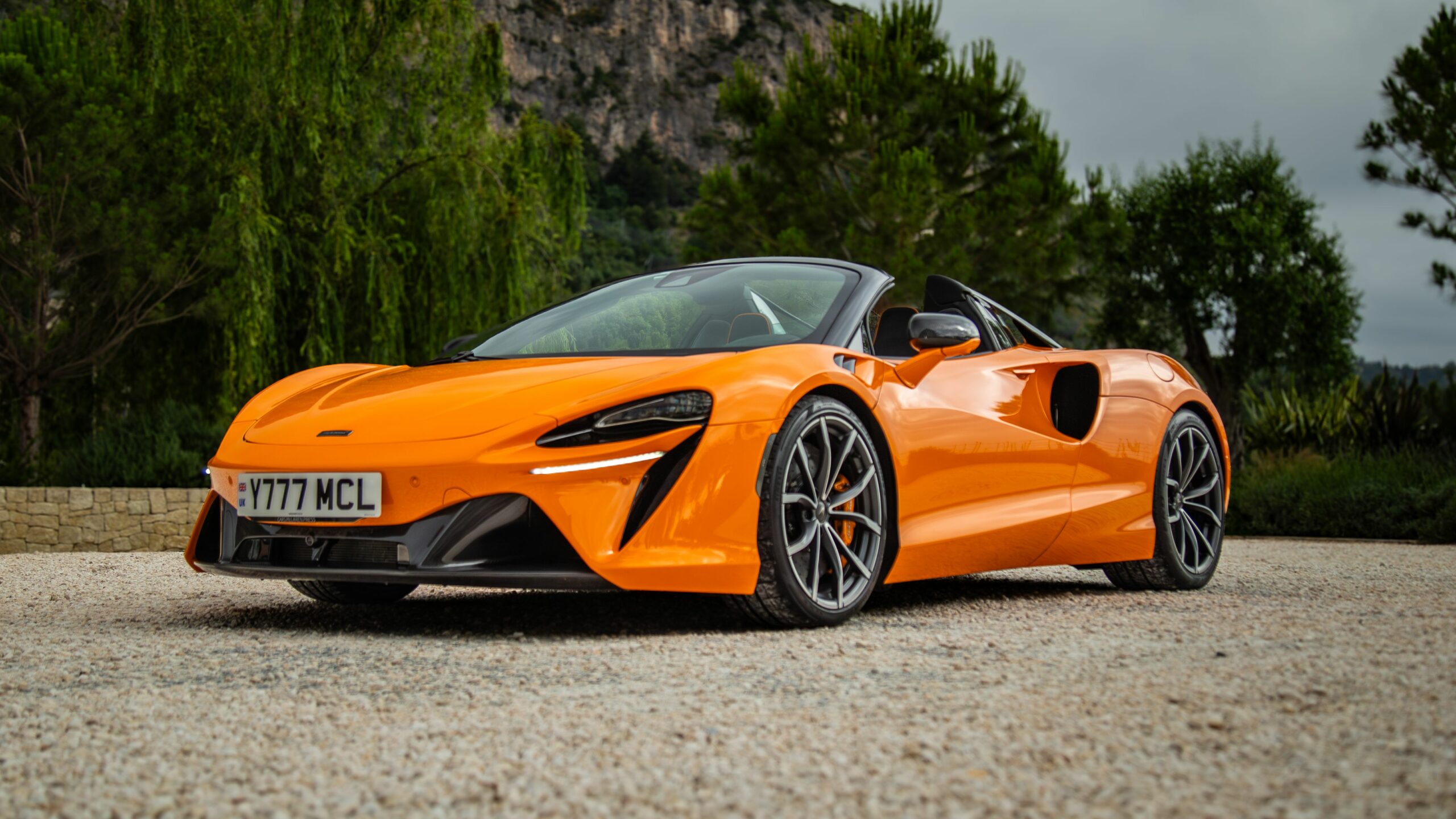
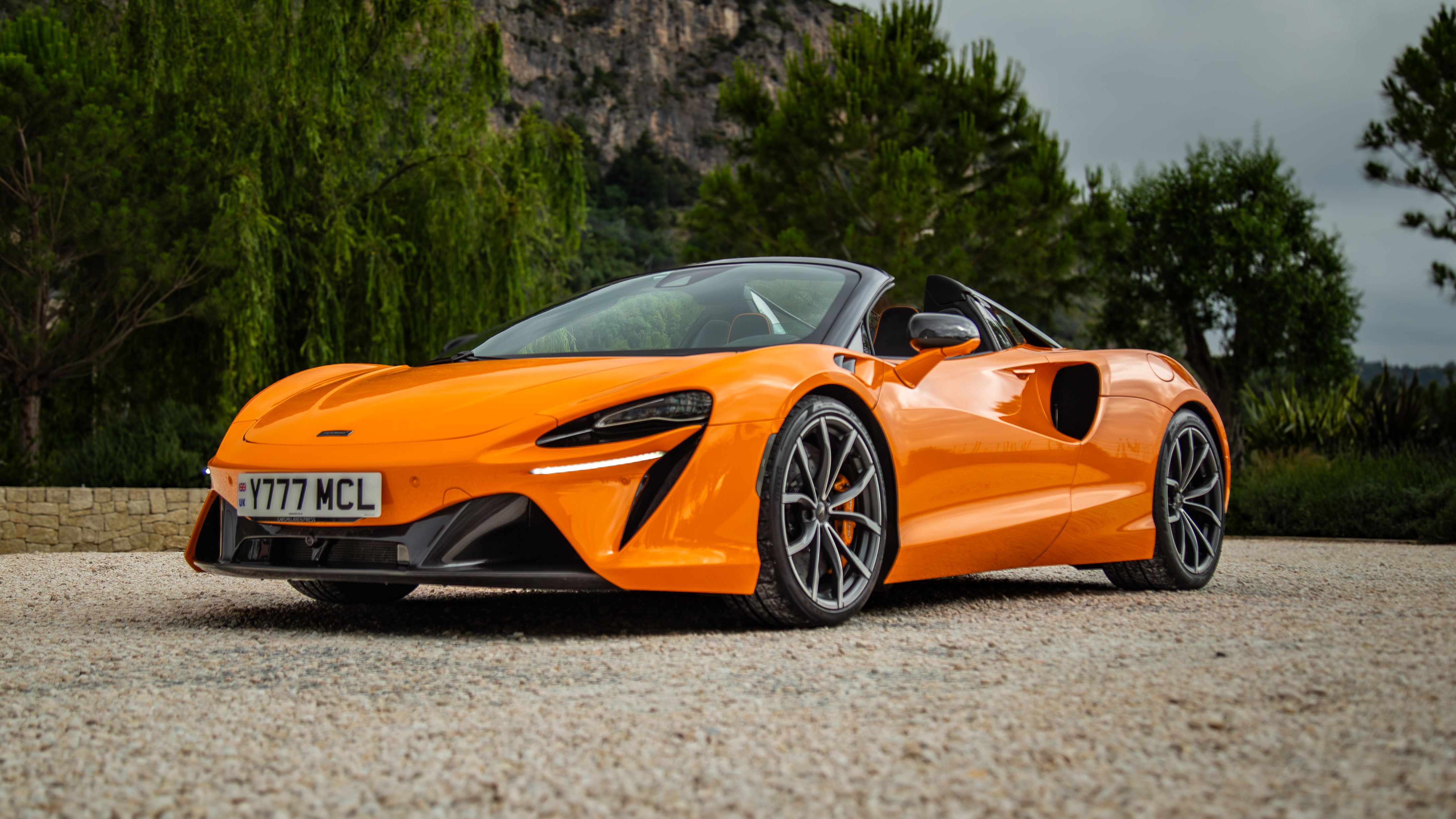
McLaren’s design philosophy has always been less about ornament and more about aerodynamic truth. The 750S carries that philosophy forward with a more assertive stance. Surfaces look sculpted for airflow management, not just visual drama. The shapes feel inevitable—like they were waiting to be discovered.
Look closely and you’ll notice that the car’s aggression isn’t loud. It’s precise. That precision extends to how the bodywork frames the airflow, guiding it with a sort of disciplined theatricality.
And then there’s the stance. The 720S could feel like a rocket in a tuxedo. The 750S feels like a rocket in a tailored suit designed specifically for track day at midnight. Still elegant, but with sharper intent.
Powertrain and Throttle Character: Where “More” Feels Different
The most common observation regarding the 720S power delivery is that it pulls with relentless authority. Many drivers describe it as tireless. The 750S aims to keep that authority while making the throttle character feel even more tuned to nuance.
In practice, that means smaller actions can produce more meaningful outcomes. The throttle isn’t simply about speed—it’s about timing. It encourages a more delicate kind of driving, one where you can modulate without losing momentum.
There’s a deeper fascination here: performance that allows precision invites artistry. When the car responds cleanly, you’re not just going fast—you’re shaping acceleration like a brushstroke. The result feels less like brute force and more like engineering poetry.
Ride, Handling, and the Art of Staying Composed
Supercars often have a reputation for feeling “busy.” The best ones don’t. The 720S struck a balance that let you stay calm even when the world outside the windshield became a blur. The 750S continues that promise, but with a refinement that makes the stability feel even more deliberate.
Cornering behavior becomes an exercise in composure. There’s less impression of scrambling for traction and more impression of traction arriving because it’s been invited. The chassis communicates grip early, so the driver can make decisions before the car makes them for you.
Short sentences, long consequences: brake into a corner too aggressively and the car still feels protective. Ask for grip mid-corner and it responds with a steadiness that feels almost reassuring.
Aero: Downforce That Doesn’t Feel Like a Trick
Aero can be deceptive. Some systems add downforce but also create draggy, compromised sensations. The 750S feels like downforce is present in a functional way, not as a gimmick. It supports the car’s balance rather than masking weaknesses.
At speed, the body seems to settle into its own argument. That sensation—of the car becoming flatter, more confident, and more glued to the trajectory—is a key reason the 720S had such a loyal following. The 750S carries that legacy forward, and then sharpens it.
This is where the fascination becomes deeper than “it’s fast.” It’s “it stays fast without drama.” In high-performance terms, that’s the difference between adrenaline and mastery.
Braking and Confidence: The Quiet Power of Consistency
When braking is good, drivers don’t think about the brakes. They think about the next corner. That’s the real test. The 720S established a reputation for powerful, predictable stopping. The 750S doesn’t merely inherit that trait—it enhances the feeling of repeatability.
Repeated hard stops on spirited drives shouldn’t feel like a gamble. They should feel like a routine. The 750S carries that routine quality forward, making it easier to push without turning every deceleration into a question mark.
Interior and Usability: Track Energy, Daily Reason
The interior of a supercar can sometimes feel like a cockpit built solely for drama. The 720S was already a step toward usability, and the 750S continues that refinement. Controls feel arranged with intention. Visibility and ergonomics invite you to stay focused, not just entertained.
It’s not just about comfort. It’s about frictionless engagement. You want the car to feel like an extension of the driver’s thought process. When that happens, the experience becomes immersive rather than merely impressive.
The Deeper Reason People Fall for McLaren Successors
Here’s the part many reviews gloss over: successors aren’t only judged by the lap times they chase. They’re judged by the emotional continuity they preserve. The 720S didn’t become beloved because it was the fastest thing. It became beloved because it was readable.
The 750S continues that readability while intensifying the car’s sense of purpose. The result is a vehicle that feels both familiar and freshly dangerous—like a well-known song played at a higher tempo, with new harmonics that make you realize you’ve been listening to it wrong all along.
Final Thoughts: The 750S as a Focused Evolution
In the “McLaren 750S – 720S successor review” framing, it’s tempting to treat the story as incremental. But the 750S isn’t merely an update. It’s a tightening of the equation—performance, composure, and engagement aligned with a sharper editorial hand.
The 720S remains a benchmark because it struck the delicate balance between ferocity and clarity. The 750S inherits that equilibrium and then refines it into something more precise, more confident, and more enthralling in the long arc of a drive.
If the 720S was a revelation, the 750S is the follow-up that feels inevitable. It doesn’t ask for applause. It earns fascination—quietly at first, and then all at once, when the road becomes a corridor and the car turns that corridor into a destination.