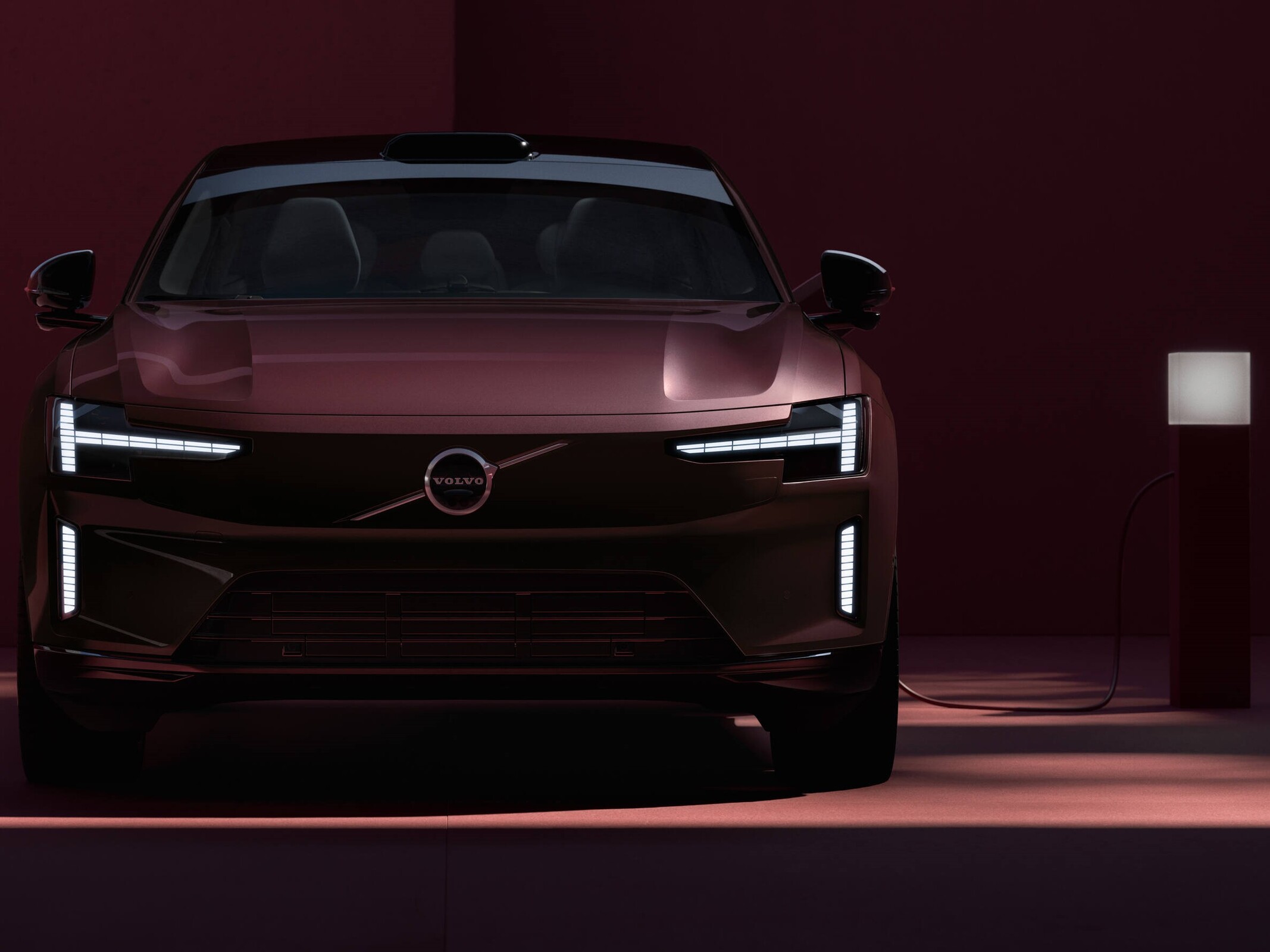
The Volvo ES90 Electric Sedan arrives like a carefully tuned instrument entering an already crowded concert hall—confident, composed, and quietly certain it belongs. The question hovering over every headline is blunt: Tesla rival? Yet the more interesting question is subtler. What kind of rival is it—one that chases numbers, or one that redefines the feeling of driving?
In an era where electric sedans often sound the same technological notes, the ES90 is poised to offer a different chord. Think of it as a modern Scandinavian lighthouse: not always the brightest beacon in the storm, but unmistakably directional—signaling calm intention, safety-minded engineering, and a design philosophy that treats the passenger as the primary character, not the afterthought.
What follows is a preview—part specification-minded, part atmosphere-focused—of what the Volvo ES90 Electric Sedan could mean for the market, and for anyone who wants their future to feel less like a gadget and more like a place.
A Flagship With a Distinct Personality
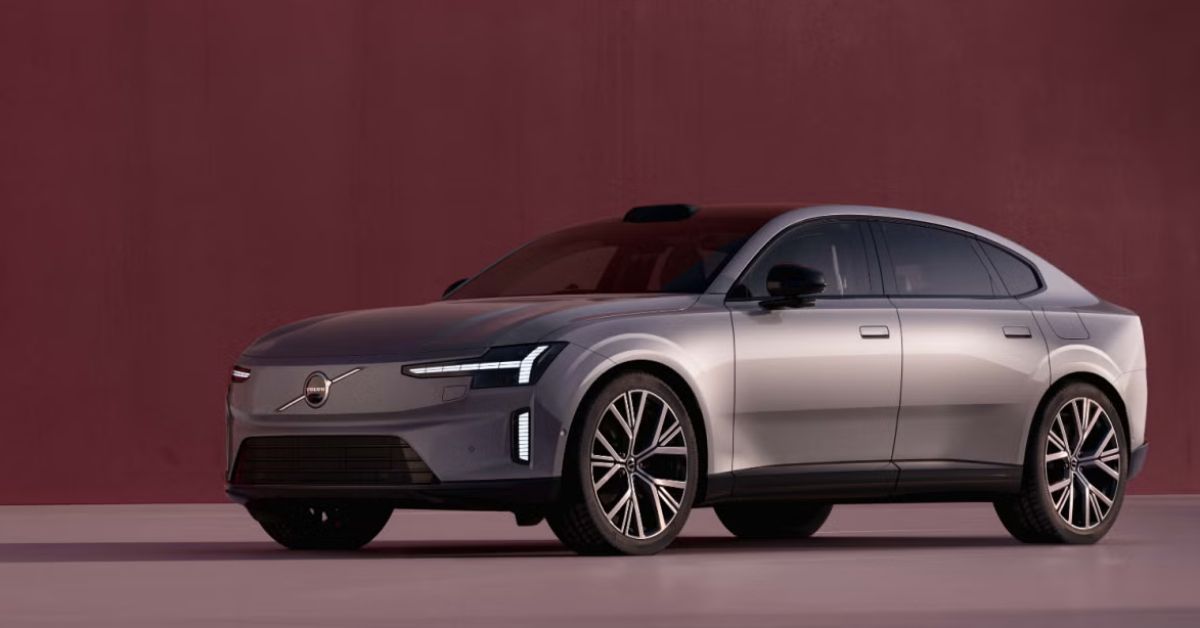
Flagships are rarely about being first. They’re about being unmistakable. The ES90 enters the spotlight not as a paint-by-numbers attempt at electric dominance, but as a deliberate statement—sleek, long-lined, and visually assured. Its profile reads like a promise: streamlined surfaces that don’t just reduce drag, but visually glide, as if the car is already moving even when parked.
Some vehicles look fast; others look inevitable. The ES90 leans toward the second category. Its stance feels planted, and its proportions suggest confidence rather than aggression. The overall impression is modern minimalism with just enough drama to keep the gaze lingering. Even from a distance, it’s the kind of sedan that makes observers slow down—not out of curiosity alone, but because it feels curated.
Design Language: Scandinavian Clarity Meets Futuristic Ease
Volvo has long been associated with clarity—clear typography, clear intentions, clear safety priorities. The ES90’s exterior design appears to carry that same ethos into a new era of electrification. Lines flow with restrained confidence. Surfaces are neither cluttered nor aggressively sculpted; instead, they act like quiet choreography.
There’s a particular kind of elegance in restraint. The ES90 seems to understand that a futuristic car doesn’t need to scream for attention. It can simply hold the frame—a calm silhouette, precise reflections, and details that reward closer inspection. In that sense, the ES90 doesn’t merely look modern. It looks emotionally legible.
When electric sedans prioritize spectacle, the interior can become an aquarium of screens. But Volvo’s approach has often been the opposite: make the interface feel human, make the experience feel safe, make the cabin a sanctuary. The exterior hints at that philosophy—like the front porch of a house designed for long conversations.
Cabin Philosophy: A Sanctuary, Not a Control Room
If the exterior is the promise of motion, the cabin is the promise of comfort. For many buyers considering an ES90-class vehicle, the car is more than transportation—it’s daily habitat. And daily habitat demands a certain emotional temperature.
Volvo has historically excelled at designing interiors that feel composed, not chaotic. That matters now because EVs can tempt manufacturers into over-automation and over-screening. Instead, the ES90 is expected to lean toward a cabin layout that guides attention naturally. The driver remains the conductor; the vehicle remains an attentive co-pilot.
Expect materials and ergonomics to emphasize tactile reassurance. Touchpoints should feel substantial. Lighting should flatter faces rather than glare off plastics. Quiet competence—an undercurrent, not an afterthought—should define the experience. The ES90 isn’t just competing for lap times. It’s competing for the daily feeling of being taken care of.
Performance and Power: The Tesla Question, Reframed
To call the ES90 a Tesla rival is to acknowledge the market’s gravitational pull. Tesla has set benchmarks for acceleration, software velocity, and the perception of “future-now.” But rivalry doesn’t have to mean mimicry.
The ES90 likely aims to deliver performance that feels smooth and confident rather than theatrically aggressive. Think of power delivery as velvet rather than thunder—strong, yes, but also controlled. EV torque is inherently instantaneous; what differentiates cars is how that power is harnessed into motion that feels intuitive.
Handling will matter. A flagship sedan must avoid the trap of being fast in a straight line but vague in real-world driving. Steering feel, brake modulation, and suspension composure will define whether the ES90 feels like a benchmark or a brochure. Volvo’s reputation suggests the focus will be on stability and predictable behavior—qualities that make everyday driving less exhausting.
In a sense, the ES90 doesn’t need to “beat” Tesla by raw metrics alone. It needs to win the buyer who cares about how it feels to live with the car—how it moves through rain-slick roads, how it settles in highway traffic, how it behaves when the day gets messy.

Technology and Software: Innovation With Restraint
Electric vehicles are no longer only machines—they’re rolling computers. But the most successful systems are the ones that disappear into usability. The ES90’s technological direction should aim for an interface that supports the driver without turning driving into a software demo.
Swiftness, connectivity, and intelligent features will be expected. Yet the key is integration. Does the system anticipate needs, or does it demand attention? Does it reduce friction, or add it? A true flagship should choreograph technology around the driver’s life.
Volvo’s advantage may be its ability to fuse modern capability with a safety-first mindset. If driver-assistance features are tuned toward trust rather than spectacle, the result can feel less like “assistance” and more like assurance. In that scenario, software becomes a guardian—quiet, persistent, and never overly intrusive.
Range, Charging, and Everyday Feasibility
In the EV world, range is not a number—it’s a confidence index. The ES90 will need to earn that confidence through realistic expectations: how far it can go in varied conditions, how quickly it can recharge, and how seamlessly charging fits into routine.
Battery efficiency isn’t only about engineering; it’s also about calm logistics. The best electric cars make charging feel less like an errand and more like a natural part of the day. If the ES90 delivers efficient consumption paired with dependable charging behavior, it could become the type of vehicle people stop thinking about—because it simply keeps moving.
That’s the dream for daily life: fewer planning anxieties, more spontaneous drives. A flagship should be a facilitator, not a schedule manager.
Safety and Driver Confidence: Volvo’s Signature Edge
Safety is where Volvo often speaks its most persuasive language. The ES90’s potential advantage over rivals is likely to be less about flash and more about consistency. Safety systems that feel reliable—especially in unpredictable weather, dense traffic, and late-night fatigue—are the real luxury.
Metaphorically, think of safety tech as scaffolding around your life. It doesn’t steal the spotlight. It holds everything steady when the environment gets turbulent. For a sedan positioned against market leaders, that steadying power can be a decisive differentiator.
Driver assistance that avoids harsh interventions and communicates intent clearly can transform the ownership experience. It’s not about replacing the driver; it’s about reducing the burden of constant vigilance.
Who the ES90 Is For: A Specific Kind of Buyer
The Volvo ES90 Electric Sedan may appeal to people who want futuristic capability without losing the human softness that makes commuting tolerable. It’s likely to resonate with buyers who value safety culture, refined comfort, and technology that supports rather than dominates.
If Tesla represents speed of evolution, Volvo may represent steadiness of evolution. One company pushes the future forward like a sprint. The other could be building it like a long, deliberate road.
In that comparison, the ES90 doesn’t just compete with a brand. It competes with a lifestyle assumption: that “progress” must feel aggressive. Volvo’s approach suggests progress can also feel thoughtful—like a well-lit room where your thoughts land easily.
Final Thoughts: Rivalry Without the Imitation
So, is the Volvo ES90 Electric Sedan a Tesla rival? It certainly steps into the same arena, aiming at the same buyers who want an electrified flagship with modern expectations. Yet the ES90’s deeper intent may be different. It seems designed to offer rivalry through character—through calm design, driver confidence, and a cabin experience that treats comfort as engineering.
Ultimately, the most compelling EVs aren’t just faster; they’re more livable. If the ES90 succeeds in delivering performance that feels controlled, technology that feels intuitive, and safety that feels dependable, it won’t merely challenge the competition. It will invite drivers to rethink what they want from the future.