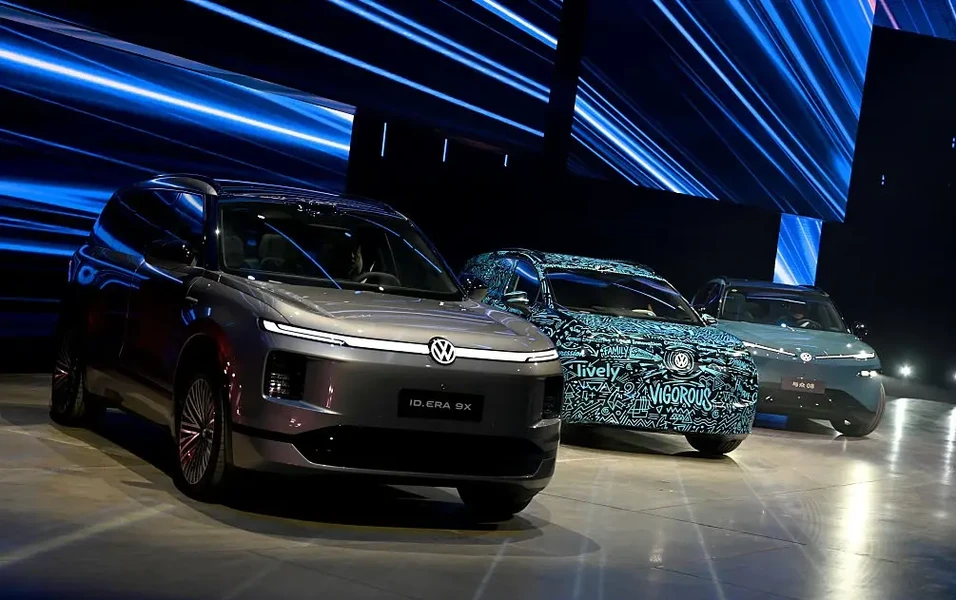
The Volkswagen ID.4 has always felt like a promise with momentum—an all-electric SUV designed for the daily choreography of American life. Yet its story is no longer confined to range estimates and trim levels. Behind the scenes, U.S. production decisions are reshaping the vehicle’s availability, cost structure, and—quietly—its long-term character. This review threads together what drivers care about now and what production updates signal for what’s coming next.
If you’re considering the ID.4, you’re probably weighing practical questions: Can it handle errands without drama? Does it feel composed on the highway? And, increasingly, what does where it’s built mean for serviceability and supply? Let’s walk through the experience, then expand outward to the manufacturing signals that are beginning to define the model’s next chapter in the United States.
Design and First Impressions: A Familiar Shape, Electrified Presence
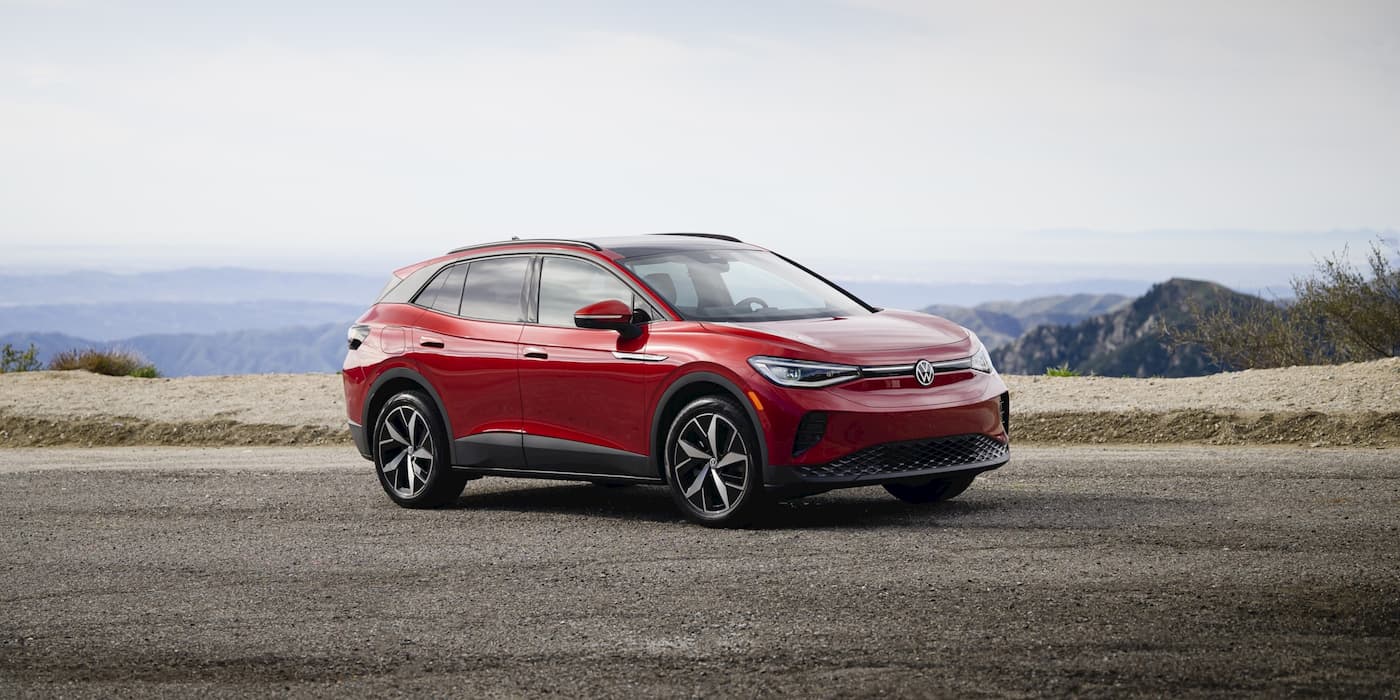
The ID.4’s exterior styling lands somewhere between purposeful and understated. It doesn’t chase attention with aggressive angles; instead, it leans into proportion—clean surfaces, aerodynamic contours, and a front end that reads as confident rather than theatrical. In US driveways and parking lots, that restraint becomes its own kind of magnetism.
Inside, the atmosphere is similarly calm. Materials and textures aim for a modern, airy feel, and the layout avoids visual clutter. The cabin doesn’t overwhelm you. It invites you to settle in, then focuses your attention on what happens ahead: the road, the weather, the pace of traffic.
Driving Dynamics: Smooth Power, Measured Confidence
Electric torque arrives with immediacy, and the ID.4 uses it with a disciplined hand. Acceleration is responsive without being frantic. The result is a drive that feels like it’s always ready—merging, passing, and climbing grades with a steady, unhurried composure.
Steering feel and body control strike a balance between comfort and competence. It’s not a sports sedan disguised as an SUV. It’s better described as a refined commuter with a sturdy backbone. Expect road noise and wind behavior to vary with tire choice and speed, but overall, the ID.4 aims for serenity rather than spectacle.
One of the most underrated benefits of a well-tuned electric platform is how predictable it is. You don’t have to constantly recalibrate your expectations around gear changes or shifting driveline behavior. The car simply responds—cleanly, quietly, consistently.
Cabin Space and Practicality: Where the ID.4 Becomes Real
The ID.4’s appeal isn’t limited to charging convenience or headline horsepower. Its practicality is what sustains ownership. Rear-seat room supports everyday usability—school pickup schedules, weekend errands, and those unexpectedly long drives where passengers want to stretch their legs.
Cargo practicality matters, too. A power-operated liftgate and a thoughtfully shaped trunk encourage you to pack with confidence. Fold the rear seats and the silhouette becomes more versatile, ready to accommodate bulky items, tools, or the occasional “we should totally bring everything” impulse.
Even the seating posture is built for lived-in comfort. Short trips remain restful, while longer routes stay manageable. In daily life, that’s a form of reliability—emotional reliability, not just mechanical.
Tech and Infotainment: Interfaces That Invite, Not Threaten
The digital experience in the ID.4 is designed to keep you oriented. Menus are generally straightforward, and the interface seeks to balance modern styling with usability. You won’t have to undergo a prolonged learning curve before you feel at ease.
Connectivity and driver-assistance features can be a deciding factor for buyers who want quiet confidence during highway travel. When well-implemented, assistance systems reduce cognitive load. They don’t replace attention, but they can make commuting feel less exhausting.
Still, every driver has different preferences. Some want minimal distraction; others want rich on-screen information. The ID.4’s approach aims to serve both, though experience will vary by software versions and regional configurations.
Efficiency, Range, and Real-World Charging Behavior
On paper, electric range is always a negotiation. Weather, speed, and tire dynamics can push you into conservative planning territory. What matters most is how the ID.4 communicates expectations—whether it helps you make sensible decisions instead of guessing.
When you charge regularly at home or in predictable locations, range becomes less of a daily anxiety and more of a background statistic. Public charging remains relevant, of course. But a vehicle that supports efficient habits—charging at off-peak times, preconditioning when available, planning stops without frantic rerouting—turns charging into a routine rather than an event.
Consider your route profile. If your life is mostly short-distance travel with occasional longer trips, the ID.4’s efficiency potential can feel particularly liberating.
US Production Updates: What Assembly Shifts Suggest
Production updates may look like corporate footnotes, but they eventually trickle down into the ownership experience. When Volkswagen adjusts how and where the ID.4 is built, it can affect supply timelines, trim availability, and the pace at which refinements reach customers.
One notable development is Volkswagen’s move toward U.S. assembly of the ID.4 flagship. Building locally can streamline logistics, shorten delivery pathways, and potentially enhance responsiveness when demand fluctuates. For buyers, that often translates into fewer “wait-and-wonder” moments and a clearer path to acquiring the configuration you want.
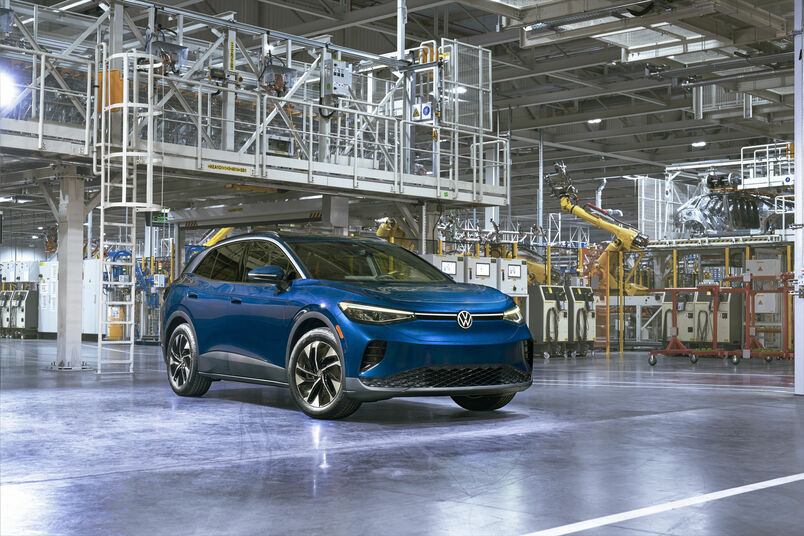
At the same time, the ID.4’s production narrative is not linear. When sales surge, manufacturers must balance throughput, cost structures, and upstream supply constraints. That can create short-term adjustments—sometimes expansion, sometimes recalibration. For readers, the key is to interpret these movements as signals of a market in motion, not a static product cycle.
What Buyers Actually Feel: Availability, Pricing Pressure, and Trim Logic
Production decisions influence the buyer journey more than most people realize. When manufacturing capacity grows or shifts, dealerships may see a broader selection of trims and colors. When capacity tightens, the “inventory roulette” returns—limited choices, delayed shipments, and more compromise on spec.
Pricing pressure can also ebb and flow alongside production decisions. If demand outpaces supply, pricing may harden. If supply improves, incentives and pricing dynamics can become more competitive. The ID.4’s value proposition depends not only on MSRP but also on what’s actually on the lot at the time you’re ready to buy.
Watch for a trend: locally assembled vehicles can sometimes move faster through the distribution chain, which can reduce the window between order and delivery. That timeline is more consequential than it sounds—especially for buyers who need a vehicle during a life event.
Ownership Experience: Service, Warranty Confidence, and Long-Term Care
Owning an EV is as much about peace of mind as it is about performance. A strong service ecosystem matters. When production is anchored in regional assembly, support networks often become more synchronized with actual demand patterns.
Routine maintenance is typically less frequent than with internal combustion vehicles, but that doesn’t mean ownership is hands-off. Tires, brake components, cabin air filtration, and software updates remain part of the cadence. The best ownership experiences come from owners who treat EV care as a disciplined routine rather than a mysterious science project.
Battery longevity expectations are a major concern for many buyers. The ID.4 is built with thermal management and protective engineering in mind. Over time, real-world degradation becomes a measurable story rather than a fear-driven guessing game. The most reassuring approach is to adopt sensible charging habits—avoid repeated extreme states of charge when daily routines don’t require them.
Who the ID.4 Fits Best in the U.S.
The ID.4 is strongest for drivers who want an electric SUV without the learning curve feeling like a second job. It suits families, solo commuters, and weekend adventurers who care about comfort as much as capability.
It also fits buyers who value practicality over bravado. If you regularly transport passengers or cargo and you want a vehicle that supports that life with calm efficiency, the ID.4 holds up well.
And if you’re tracking production updates, it’s worth recognizing the larger pattern: manufacturers are actively iterating on how they meet U.S. demand. That suggests the ID.4’s role in the lineup may continue to evolve rather than stagnate.
Final Thoughts: An EV Review That Also Reads the Future
The Volkswagen ID.4 isn’t just an electric SUV to test once and forget. Its ownership reality is shaped by how it’s built, how quickly it reaches customers, and how production strategy responds to the pulse of U.S. sales.
On the road, it delivers a composed, confidence-friendly experience—quiet acceleration, practical space, and a cabin designed for daily living. Off the road, the production updates hint at a model that’s adapting. Whether that means smoother delivery timelines, improved supply, or a more responsive manufacturing rhythm, the direction is clear: the ID.4 is increasingly tied to real-world market dynamics.
For buyers, the best move is to combine a test drive with production awareness. Feel the vehicle’s character now, then watch how assembly and supply choices continue to define what the ID.4 becomes next.