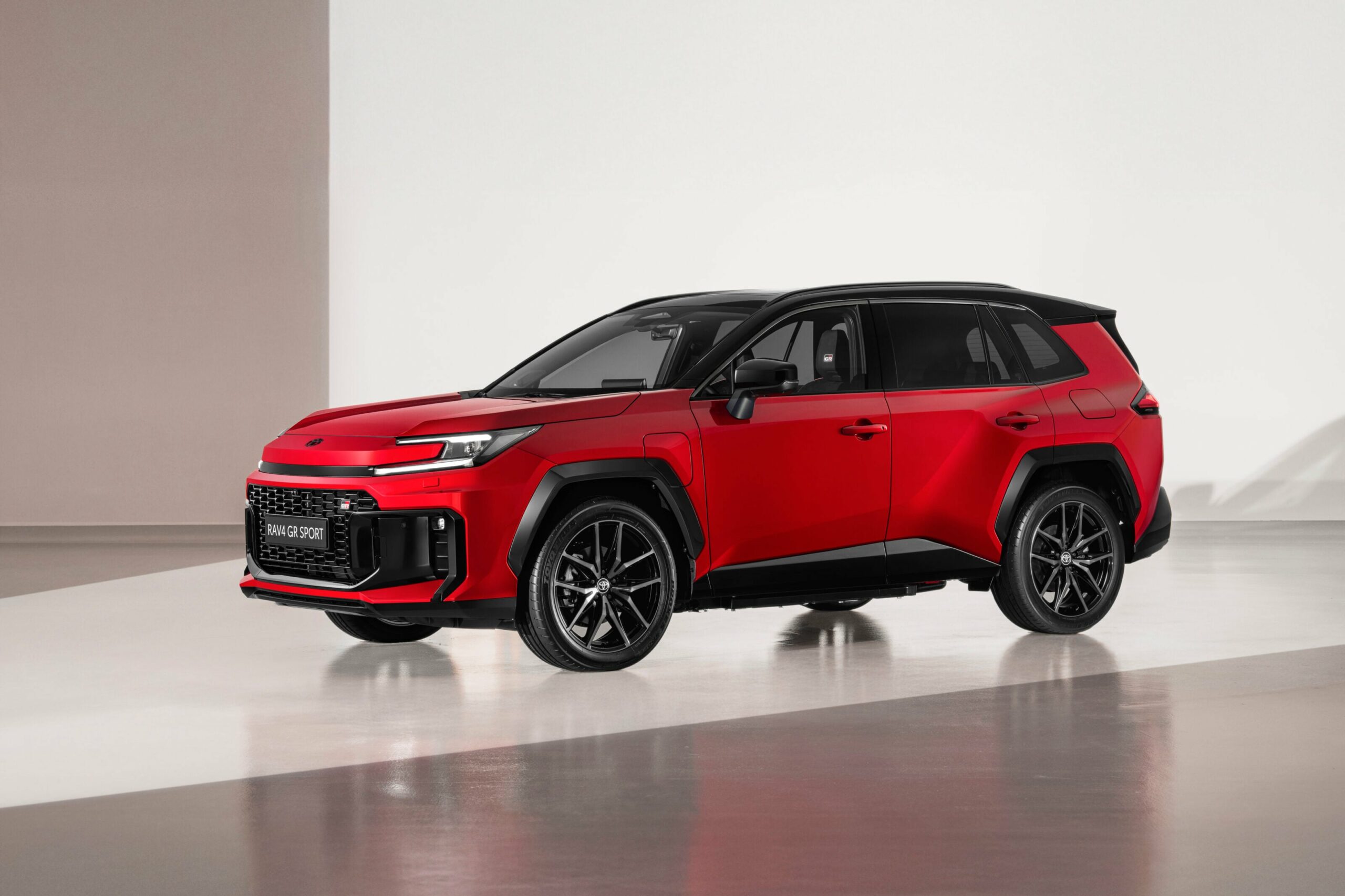
The Toyota RAV4 has always been a kind of compass for modern drivers—an all-weather promise that life can be navigated with confidence. Now, the next generation is poised to become something even more intriguing: a hybrid-first platform, with electrified variants designed to stretch the RAV4’s range of possibilities. The shift is not just about adding battery capacity or swapping badges. It’s about rewriting the rhythm of daily driving—quiet starts, smoother power delivery, and a more deliberate approach to efficiency. And as expectations evolve, so does the imagination behind what a RAV4 can be.
Readers will feel the change coming from multiple directions: exterior design cues, powertrain strategy, technology integration, and the practical, often overlooked details that determine whether an SUV truly fits into a driver’s life. Below is a guided tour of what to expect when the RAV4’s hybrid and EV ambitions begin to take center stage.
Hybrid-First Philosophy: The RAV4’s Electrified Core
The most notable direction is the move toward hybrid dominance. A “hybrid-only” framing doesn’t imply a single recipe. Instead, it suggests that the RAV4 lineup is being engineered around electrification as the default behavior—where the gasoline engine acts as a supporting actor rather than the main character. This approach can translate into frequent stop-and-go benefits, softer throttle responses, and improved real-world efficiency.
Hybrid systems also influence how the vehicle’s personality feels. In city driving, electric torque often arrives with minimal delay. That means stronger initial acceleration without the sensation of wrestling for power. On highways, the engine resumes a more traditional cadence, but with smarter blending that targets efficiency rather than raw sensation.
Importantly, readers should anticipate ongoing refinements rather than a single leap. Battery management strategies, inverter optimization, and transmission control logic can all be tuned to reduce energy waste. The end result, ideally, is a vehicle that feels effortless—less mechanical, more intuitive.
Redesigned Exterior Language: From Familiar to Future-Forward
Design tends to telegraph engineering intent. The next RAV4’s exterior direction signals a fresh chapter—cleaner surfaces, sharper lines, and a more confident stance that hints at aerodynamic housekeeping. Aerodynamics may not look dramatic on the spec sheet, but it can quietly improve efficiency and cabin calm.
Expect lighting elements to play a bigger role in the new identity. Whether through updated headlamp signatures, more expressive DRLs, or a redesigned rear, visibility and recognition become part of the vehicle’s character. Styling is also a practical instrument: improved airflow management around the front fascia and underbody can reduce drag and refine energy consumption.

PHEV Possibilities and EV Readiness: How “Electric” Might Show Up
While the RAV4’s future seems anchored in hybrids, there’s still room for electrified flexibility. PHEV plans—depending on final configuration—can provide a compelling compromise for drivers who want both daily electric commuting and longer-distance coverage without anxiety.
In practical terms, a PHEV RAV4 can transform routines. Short trips may be conducted on electric power with minimal engine involvement. Longer journeys can lean on the engine to extend range, turning charging from a weekly chore into a lighter, optional activity. This can be especially appealing to households that share a driveway and don’t want charging to dictate the calendar.
EV readiness also involves the vehicle’s architecture: battery placement, thermal management, and charging capability. Even when a PHEV is the bridge between fuel and full electrification, the engineering decisions made now shape the future. That’s why battery cooling design, onboard charging behavior, and software calibration matter far more than most drivers expect.
Technology and Driver Experience: Interfaces That Feel Less Like Gadgets
Electrification is one thing; the driver interface is another. The next RAV4 is expected to evolve into a more connected, more anticipatory cabin. That means software features that respond with context—navigation that considers energy usage, driver-assist systems that become more confident, and infotainment that feels less like a menu and more like a companion.
Short sentences, in this category, often matter: “Faster,” “clearer,” “quicker.” Drivers care about boot times, screen responsiveness, and the ease of switching between audio, navigation, and vehicle settings. Long sentences, meanwhile, reflect the deeper expectation: a cabin that reduces cognitive load so attention can stay on the road.
Expect more refinement in connectivity—wireless integration, improved voice interaction, and potentially enhanced over-the-air updates. The best outcome is a vehicle that improves after purchase, with calibration improvements that keep pace with real-world driving behavior.
Charging Realities: Planning for Home, Work, and the Unexpected
Charging discussions can sound abstract until they collide with everyday life. For hybrids, charging is often optional or non-essential. For plug-in variants, it becomes a lifestyle variable. A well-designed system reduces friction: dependable charging schedules, intuitive status indicators, and clear prompts that help drivers understand when and how to charge.
Readers can expect Toyota to pay attention to usability details: preconditioning for better battery efficiency, route planning that accounts for energy, and charging reminders that don’t feel like nagging. The most seamless experience is the one that stays mostly invisible—charging that occurs when it should, and a system that doesn’t demand constant supervision.
Then there’s the real world: forgotten cables, busy workplaces, and last-minute detours. Robust charging etiquette features—where available—can help manage those moments. Even the quiet act of confirming charging compatibility can reduce stress.
Performance and Efficiency: Where the Mathematics Becomes Emotion
Hybrid systems can be tuned for multiple priorities: efficiency maximization, smoother acceleration, or improved low-speed response. The next-generation RAV4’s electrified strategy likely aims to blend efficiency with a refined driving feel. That means less harshness during transitions between electric and engine power.
Efficiency improvements are not only about lower fuel use. They also influence long-term costs, brake wear, and overall driving smoothness. Regenerative braking can feel more natural when calibrated correctly. Too aggressive, and it can unsettle drivers; too gentle, and it loses its benefits. The goal is a predictable cadence—one that matches the driver’s expectations.
On the open road, stability and power management matter. A hybrid can deliver consistent acceleration while keeping the engine in its most efficient operating zones. That reduces the “searching” sensation some electrified powertrains exhibit when configurations are imperfect. When done well, it feels like a single, coherent system rather than a team of components negotiating in real time.

What Different Readers Can Expect: A Content Map
Not every reader arrives with the same question. Some want the big picture—what the lineup means for the future of compact SUVs. Others focus on details like charging behavior, battery performance, or how driver-assist systems evolve. To meet those different expectations, coverage of the next RAV4’s plans can be grouped into practical content categories.
Design-focused readers can expect narrative breakdowns of exterior changes: lighting, stance, aerodynamic cues, and how aesthetics connect to efficiency.
Technology enthusiasts can look for deep dives into infotainment logic, software update potential, connectivity features, and the way the cabin becomes more responsive over time.
Budget-conscious families benefit from discussions centered on operating costs: real-world efficiency, long-term maintenance expectations, and how regenerative braking can alter wear patterns.
EV-curious drivers want clarity around PHEV pathways, charging usability, and whether daily commutes can be primarily electric. The emphasis should be on real routine compatibility rather than theoretical range.
Adventure-minded commuters also deserve attention. Hybrid capability isn’t just about city traffic. It’s about confidence—consistent power delivery, predictable traction behavior, and energy management on varied terrain.
The Road Ahead: How the RAV4’s Next Chapter Could Land
The next Toyota RAV4 hybrid and potential EV-aligned plans aren’t merely a technical upgrade. They represent a cultural shift in how SUVs are imagined. The RAV4’s future is likely to be quieter, more efficient, and more software-driven—yet still grounded in the practical competence that made it a staple.
If the hybrid-first strategy proves well-calibrated, drivers will notice the difference in daily moments: smoother starts at intersections, fewer fuel stops, and a cabin that feels more organized than reactive. And if PHEV options broaden, the RAV4 could become a bridge vehicle for those moving toward full electrification without abandoning the freedom that long journeys require.
The next generation is, in essence, an evolution of trust—engineering that aims to keep the familiar strengths of the RAV4 while upgrading the way power is delivered and energy is managed. The compass is still there. It’s just pointing farther into the future.