The Toyota Corolla has always lived in the in-between space: not quite a novelty act, not quite a relic. It’s the dependable stagehand that never steals the spotlight, yet somehow keeps the whole show running. Now, expectations are building around a mid-cycle refresh—an event that typically arrives like a well-timed rearrangement of a familiar room. Nothing changes your life overnight, but the atmosphere shifts. The cabin feels newly composed. The exterior reads sharper. The details, once subtle, suddenly look intentional.
While exact specifications can vary by market, the pattern of these refreshes is remarkably consistent. Drivers shouldn’t expect a wholesale reinvention. Instead, they can anticipate a disciplined update—styling refinement, tech upgrades, and a more polished driving experience. Below is what readers can reasonably expect to see, from the first glance at the front fascia to the last minute before a long drive.
Why a Mid-Cycle Refresh Matters More Than It Sounds
A mid-cycle refresh is essentially Toyota’s pressure test of what already works. It examines feedback from early adopters, compares customer priorities across regions, and then tunes the vehicle like a calibrated instrument. Short-term, it keeps the Corolla competitive against newer compact sedans. Long-term, it preserves resale appeal by preventing the model from feeling visually outdated.
Think of it as an architectural renovation rather than a demolition. The foundation remains trustworthy, but the façade receives a fresh coat, the lighting is re-optimized, and the interior ergonomics get a second look. This is why the phrase “mid-cycle refresh” can be more meaningful than it first appears. It’s less about transformation and more about refinement.
Exterior Updates: Sharper Lines, Updated Proportions, New Attitude
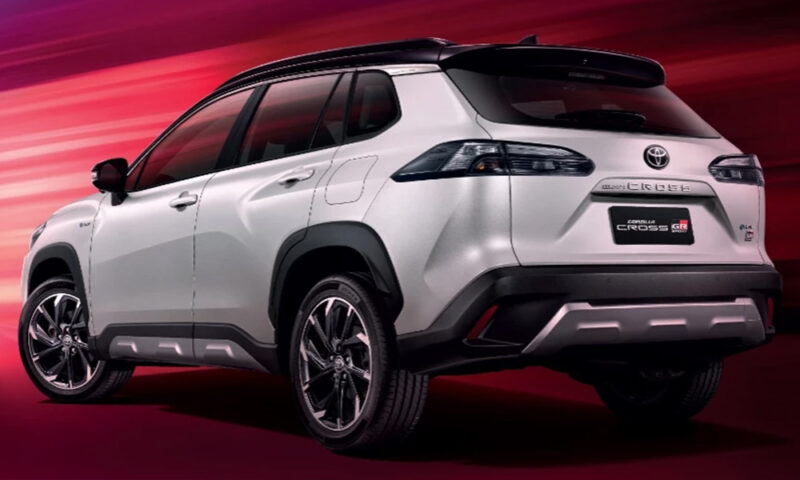
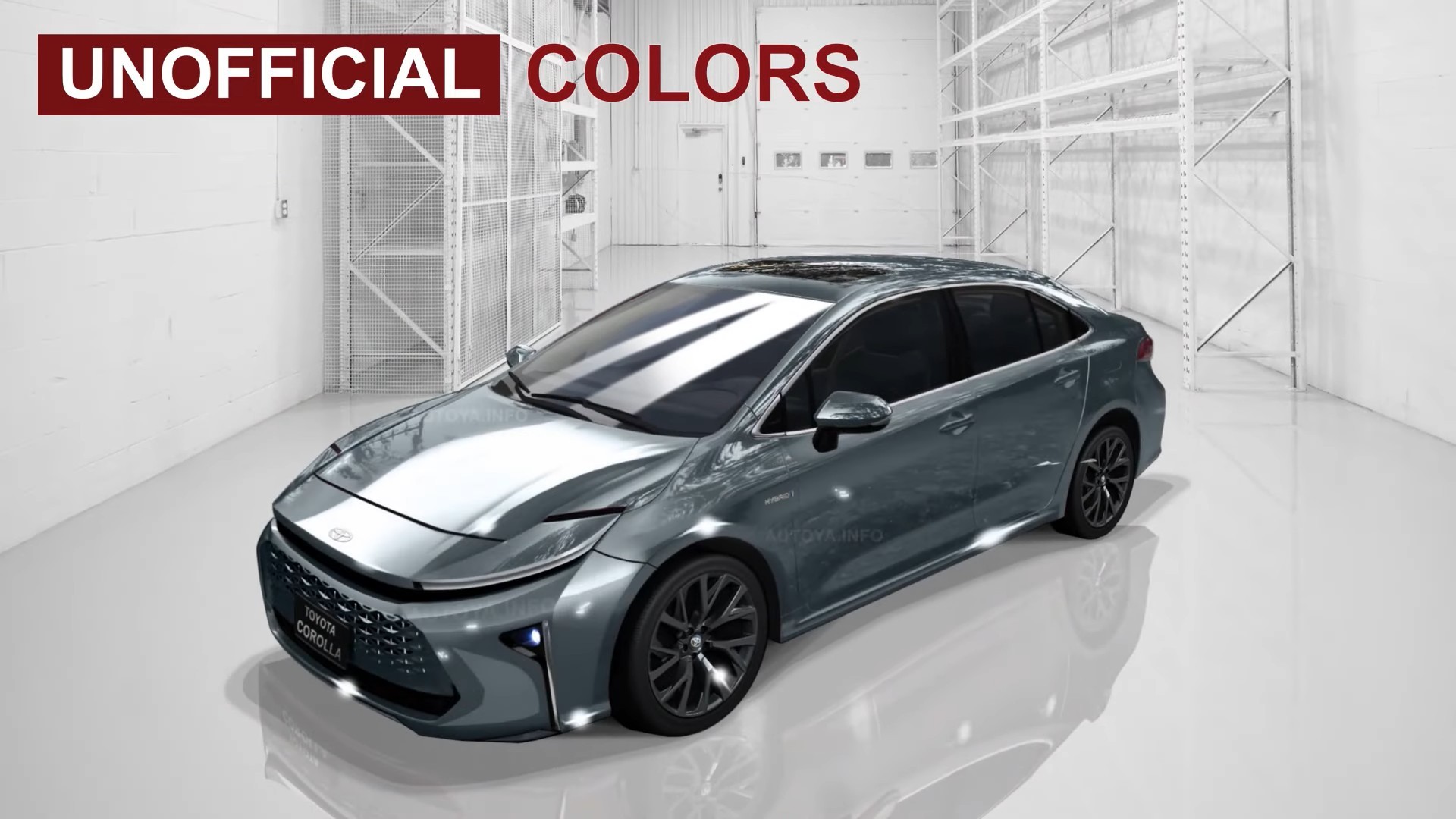
In the Corolla’s world, exterior changes often revolve around expression—how the car frames itself at street level. Expect refreshed lighting signatures, revised grille geometry, and subtle aerodynamic tweaks that make the silhouette feel more composed. Toyota has a knack for adjusting contrast: brighter edges, darker accents, and a sense of intentional spacing between panels.
These updates rarely shout. They whisper. Yet, from certain angles, the car looks “new” in a way that’s difficult to quantify. The front end may gain a more assertive stance. The rear could be rebalanced with modified lamp housings or trim accents that enhance visual continuity.
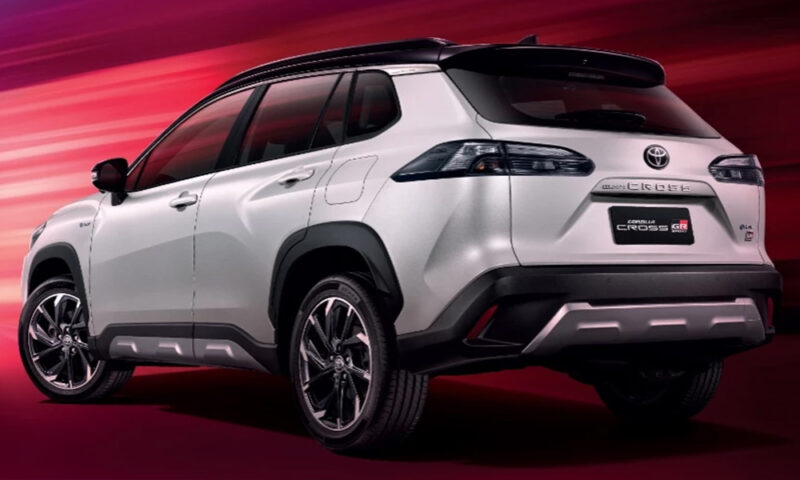
Even when the changes are incremental, they can significantly affect how the Corolla reads in motion. A refreshed design often reduces the visual “busyness” of older styling while increasing depth through contrast and surface tension.
Interior Evolution: A Cabin That Feels More Considered
The interior is where mid-cycle refreshes can deliver the most noticeable day-to-day difference. The Corolla’s cabin has traditionally offered practicality, but refreshes often rework the details that influence comfort: switch placement, trim texture, and display arrangement.
Readers should watch for updated infotainment interfaces, possibly with smoother screen responsiveness and a more modern layout. That matters more than people expect. When navigation and media controls sit logically within the line of sight, the driver spends less time negotiating the dashboard—more time scanning traffic and enjoying the road.
Material choices can also shift. Toyota frequently introduces new trim finishes that reduce glare, improve perceived quality, and make the cabin feel less “generic.” Even slight changes to stitching, soft-touch zones, or storage compartment design can subtly improve the sense of cohesion.
Expect short sentences to echo the driving mood: cleaner visuals, fewer distractions, better ergonomics. Longer ones, too, because cabin design is rarely about one feature—it’s about how features agree with each other.
Technology and Connectivity: The Screen Era Gets Better Manners
Modern drivers don’t simply want screens; they want screens that behave. In a Corolla refresh, technology updates typically target usability: faster processing, more intuitive menus, and improved connectivity options. Expect attention to smartphone integration, wireless pairing stability, and clearer response times.
Beyond infotainment, Toyota often improves driver-assistance presentation—how alerts appear, how lane guidance feels, and how safety systems communicate their boundaries. A well-tuned interface reduces cognitive load. That’s the goal: fewer interruptions, more confidence.
Depending on trim level, readers can also expect a more contemporary audio experience—sometimes through speaker refinement, sometimes through tuning changes that make bass less boomy and vocals more intelligible.
The most satisfying tech updates aren’t always the flashiest. They’re the ones you stop thinking about because they simply work.
Powertrains and Driving Feel: What’s Likely to Stay, What Might Get Tweaked
For the Corolla, powertrain changes—if they arrive—are usually pragmatic rather than radical. Toyota tends to preserve proven engines while refining calibration: throttle response, shifting logic (where applicable), and efficiency optimization. That means the car may feel slightly more eager at low speeds, or more composed during highway merges.
Hybrid models, where offered, often receive focus on efficiency and smoothness. Even minor adjustments to regenerative braking behavior can transform the sensation of city driving. The vehicle can feel more seamless, as if it anticipates the driver’s intentions.
Readers should also anticipate improvements to ride refinement. Mid-cycle updates frequently include adjustments to suspension tuning or damping characteristics. The result can be subtle: less harshness over sharp pavement, better stability through corners, and a calmer composure at cruising speeds.
Safety and Driver Assistance: More Assurance, Less Noise
Safety technology is the Corolla refresh’s quiet cornerstone. Toyota’s driver-assistance suite typically aims for earlier detection, improved tracking of vehicles and pedestrians, and refined behavior in complex conditions.
More advanced systems can add features like improved adaptive cruise logic or refined lane-keeping performance. What matters most is not simply whether a system exists, but how confidently it behaves under real-world stress—construction zones, variable lane markings, sudden speed changes, and those moments when weather turns everything slightly unpredictable.
Expect the refresh to place emphasis on reduced false alarms and clearer alerts. A well-designed safety interface shouldn’t interrupt; it should guide.
Trim Levels and Pricing Expectations: How Buyers Will Likely Choose
A mid-cycle refresh commonly reorganizes the trim hierarchy. Some variants get minor updates, others gain new packages, and a few lose or gain features based on demand trends. Buyers should expect clearer separation between entry-level practicality and higher-level comfort or convenience.
Pricing usually reflects the addition of updated tech, refined materials, and any newly standard safety elements. However, Toyota typically avoids dramatic step changes in cost. The objective is to keep the Corolla within reach while nudging it upward in perceived value.
For shoppers, this means comparing feature lists carefully rather than relying on assumptions based on the outgoing model. A small difference—such as an upgraded display, added driver-assistance components, or enhanced trim—can change the daily ownership experience significantly.
When to Wait, When to Buy: A Practical Buying Mindset
Timing can be everything. If the refresh is expected soon, buyers who want the latest features may choose to wait for the new model’s arrival. Those prioritizing value might find incentives on the outgoing generation, effectively buying the “last season” of the Corolla at a discount.
Either path has merit. Waiting can reward you with fresh aesthetics and updated systems. Buying earlier can reward you with lower out-of-pocket costs and a vehicle that already has proven reliability in the market.
A sensible approach is to define your priorities: If infotainment and safety UI matter most, waiting tends to pay off. If you want the core Corolla experience—efficient commuting, predictable handling, and everyday comfort—then the outgoing model may still be a smart purchase.
The Corolla’s Next Chapter: Familiar Yet Refreshed
Mid-cycle refresh expectations suggest a Corolla that feels more modern without losing its practical DNA. Exterior updates sharpen presence. Interior refinements elevate daily comfort. Technology improvements aim to reduce friction between driver intent and vehicle response. Safety enhancements seek better guidance with fewer distractions.
In short, the Corolla refresh is likely to be an exercise in tasteful restraint. It won’t upend what drivers love. It will simply make everything around that love work together more smoothly—like a well-rehearsed routine that suddenly feels effortless.
For readers, the best takeaway is this: pay attention to the details. A mid-cycle refresh is where those details accumulate, and where “almost the same” becomes “better in meaningful ways.”