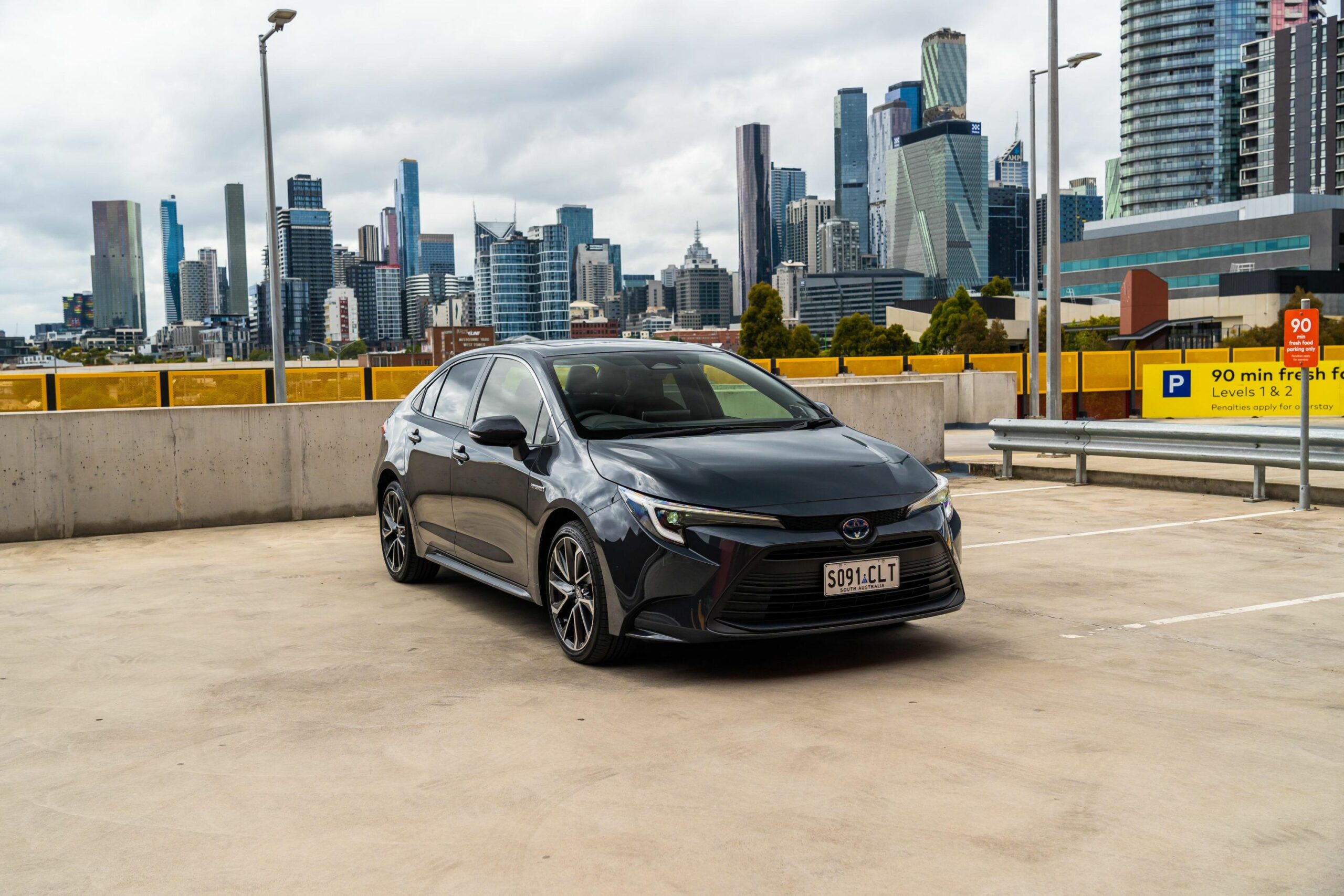
Is it possible to find a Toyota Corolla Hybrid that still lives under the $24k ceiling? The question sounds like a dare, doesn’t it? One part of you expects pricing to have inflated into something unrecognizable, while the other part remembers how reliably the Corolla has always managed to show up—efficient, practical, and quietly confident. Yet here’s the potential twist: the moment you start pricing trims, fees, and destination costs, the number you were staring at can suddenly begin to wobble. That wobble is the challenge.
Still, the story doesn’t end at the dealership counter. With a bit of strategy—timing, trim selection, and an eye for incentives—the “under $24k” dream can transform from a myth into a negotiable reality. Let’s unpack how the Toyota Corolla Hybrid fits into this budget narrative, why it’s more than just a fuel-saver, and what you should watch for before signing anything.
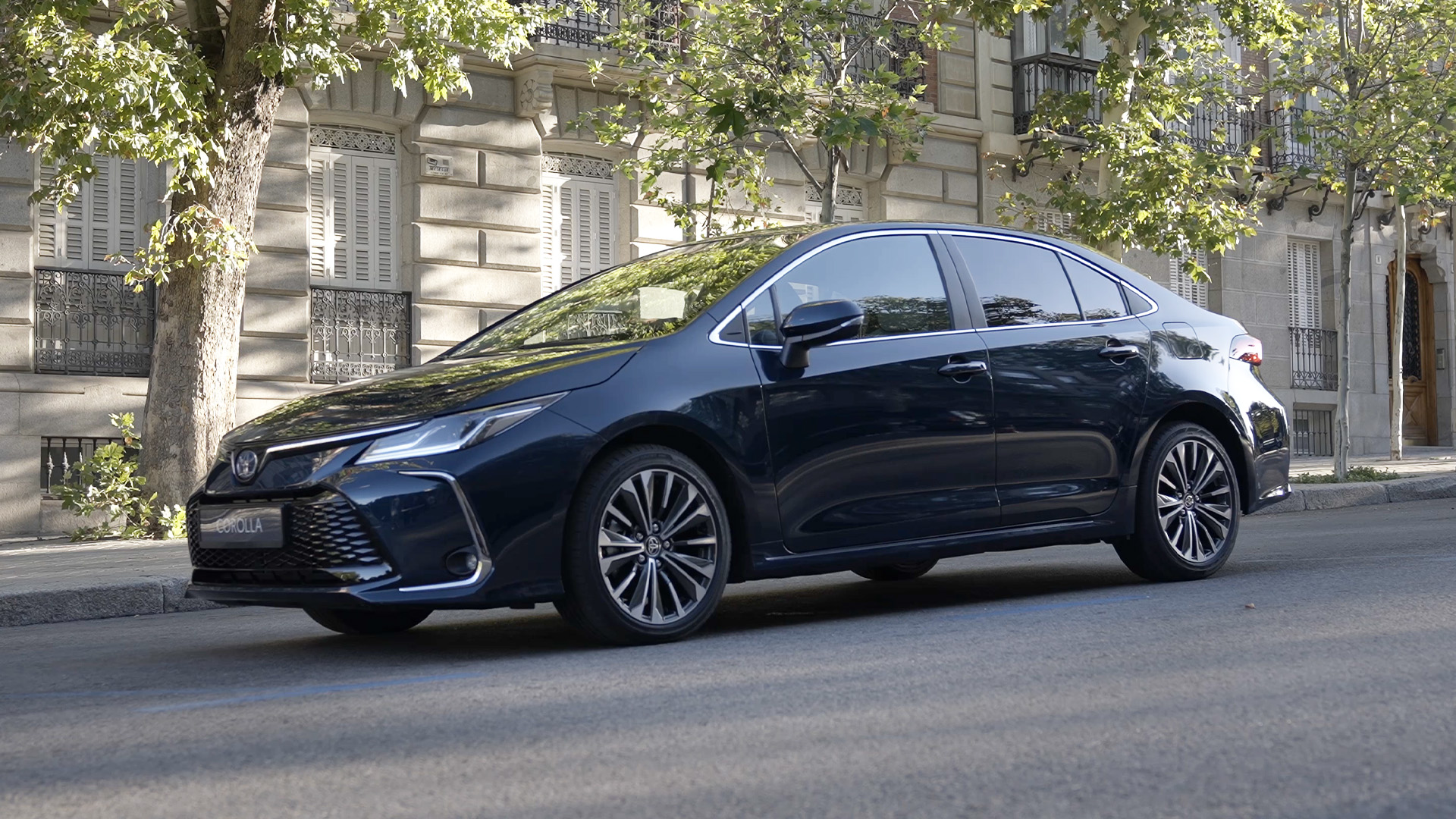
The $24k question: why it feels slippery
Pricing is rarely a straight line. It’s more like a storyboard where each panel adds context—and sometimes surprises. The base MSRP might tempt you, but the final number arrives wearing a few additional badges: destination charges, optional packages, dealer add-ons, and local taxes. Some of these are transparent and predictable. Others are negotiable, or at least preventable.
So the first challenge is not the price tag itself—it’s the interpretation. When someone says “under $24k,” do they mean MSRP, before tax, before fees, or after incentives? If you’re not careful, you can end up comparing apples to a toolbox of mixed numbers. Make it a habit to ask for an out-the-door estimate early. That one step keeps the whole conversation honest.
Why the Corolla Hybrid makes sense in today’s economy
The Corolla Hybrid isn’t merely a cheaper way to drive. It’s a different philosophy. Hybrids are built for the rhythm of real life: stop-and-go traffic, short trips, and daily commuting that rarely happens at a steady highway pace. In other words, it’s not just optimized for the brochure. It’s optimized for your actual route.
That matters because value isn’t only about purchase price. It’s also about what you spend after you buy. Fuel economy can soften the impact of price spikes at the pump. Maintenance patterns can also be favorable, especially when you drive consistently and keep up with recommended service schedules.
And then there’s the intangible benefit: fewer anxiety-inducing fuel stops. The Corolla Hybrid turns your routine into something calmer. That calm is its own kind of savings.
Trim selection: the fastest path to staying under budget
Here’s where the plot thickens. The Corolla Hybrid lineup often tempts you with features that feel essential—until they quietly nudge the price past your target. Trim selection can either be your superpower or your downfall.
If the goal is “under $24k,” prioritize configurations that align with your real needs. Consider which features you truly use every day. Heated seats in winter? Absolutely. A convenience package you rarely activate? That’s where money can evaporate like condensation on a summer windshield.
Think like a curator. Pick the essentials, skip the ornamental. It’s not about settling—it’s about choosing deliberately.
Options and packages: the hidden budget gremlins
Packages can be worth it, but they can also be a sneaky budget gremlin. Many buyers get attached to a look or a feature list and forget that add-ons stack. Once they stack, the price can drift away from “under $24k” faster than you can compare two browser tabs.
Before you accept any “recommended” bundles, ask two questions: What do I get? What do I really need? If the answer to the second question is vague, pause. Vague decisions are expensive decisions.
Also watch for dealership-installed accessories. Floor mats, protection films, and other items can be practical, but they should be priced transparently. If the numbers feel inflated, you can negotiate—or decline—without sacrificing the integrity of the deal.
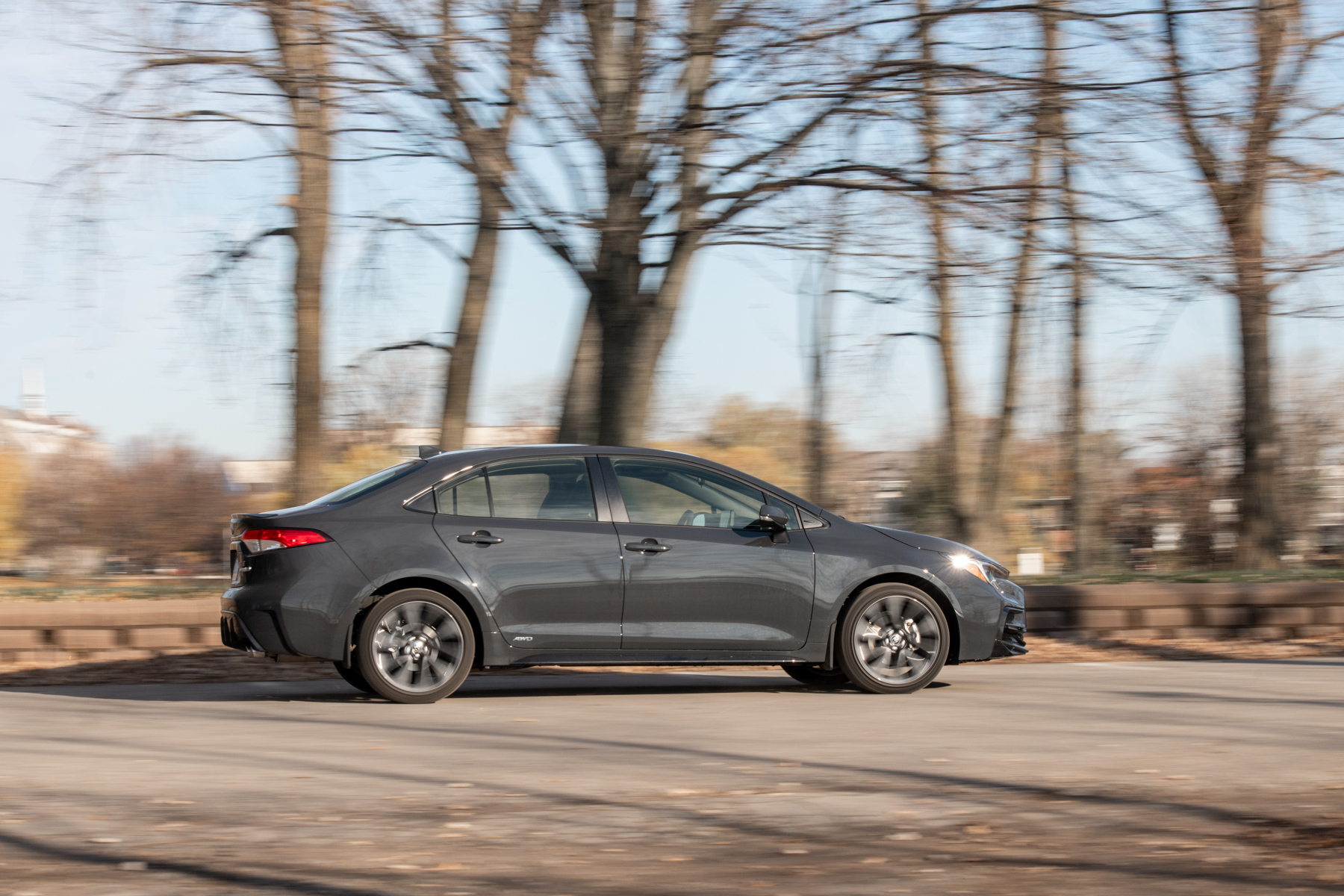
Incentives and timing: how timing can do the heavy lifting
Timing isn’t just about convenience; it’s about leverage. Incentives can shift month to month. Promotions may appear when inventories are building or when manufacturers adjust marketing strategies. Even regional availability plays a role.
If you’re serious about staying under $24k, consider being flexible about location and schedule. A vehicle that matches your criteria at one dealership might cost more at another. And sometimes the “best deal” shows up when you’re not rushing—because inventory turnover starts working in your favor.
Keep an eye on rebate offers, financing promos, and trade-in structures. Trade-ins aren’t automatically bad, but they can complicate pricing. The best approach is simple: confirm the vehicle’s selling price first, then discuss your trade. That prevents the numbers from hiding behind each other like actors in a stage play.
Ownership reality: the real test begins after purchase
Once the handshake is done, the Corolla Hybrid becomes a daily companion. Its hybrid system is designed to deliver sensible efficiency without demanding constant driver attention. The car manages energy intelligently, blending electric drive assistance where it makes sense.
Over time, fuel savings can add up, especially if your driving is typical commuter fare—city blocks, errands, brief stretches of highway, and everything in between. The Corolla’s reputation for durability helps too. A practical vehicle isn’t impressive only on day one; it’s impressive when it keeps showing up, quietly dependable, week after week.
Don’t ignore the basics: tire rotation schedules, brake inspections, and routine maintenance. Hybrids are not magic, but they can be remarkably economical when cared for properly.
Financing and affordability: don’t let payments deceive you
Budgeting isn’t only about sticker price. Monthly payments can trick the mind. A “manageable” payment might be created through a longer loan term or different interest assumptions. If you want to respect the spirit of “under $24k,” you should also understand the total cost over time.
Ask for a clear breakdown: loan term, interest rate, money down, and whether incentives affect the financing structure. Sometimes a lower MSRP isn’t the best deal if the financing costs balloon. Conversely, a slightly higher price can be worth it if interest conditions are favorable. The trick is to compare complete offers, not just the headline number.
What to check before you commit
Before signing, verify the details that can quietly change your outcome: the final price, all fees, tire and wheel condition, and any remaining warranty coverage. Confirm whether there are open recalls and whether the vehicle is eligible for applicable service programs.
Also take a short test drive with intention. Feel how the car accelerates at low speeds. Notice how it handles merging. Park it and evaluate visibility. The goal isn’t to fall in love at first sight—it’s to confirm the car fits your life.
And yes, ask about the hybrid system’s behavior in daily conditions. The transition between modes should feel smooth, not intrusive. If it doesn’t, you’ve learned something valuable before purchase.
So… is it still under $24k?
Maybe. But the real answer is: it depends on how you approach the hunt. If you treat the budget like a target range rather than a single rigid number, the Corolla Hybrid can become a realistic option. If you compare out-the-door pricing, resist unnecessary packages, and pay attention to incentives, you give yourself a genuine chance to land near—or below—that $24k mark.
The playful question remains, but it’s no longer a punchline. It becomes a challenge you can actually win. Bring curiosity, bring clarity, and don’t let the final number surprise you.
Final thoughts: the Corolla Hybrid’s quiet advantage
The Corolla Hybrid’s appeal has never been loud. It’s practical, efficient, and built for the daily choreography most of us can’t escape. If you manage the negotiation and understand how pricing is structured, the “under $24k” narrative can shift from wishful thinking into a defensible purchase plan.
And when you finally drive away, the best part isn’t just the price. It’s the feeling that you made a smart decision—one that respects both your budget and your time.