The modern crossover has a curious double life. By day, it’s the practical chariot for errands, school runs, and weekend getaways. By night, it becomes a kind of moving fortress—quietly engineered, relentlessly tested, and designed to absorb the chaos that crashes bring. It’s no wonder that safety awards like the IIHS Top Safety Pick+ draw so much attention. People notice the headline number first, but the real fascination often lives one layer deeper: in the discipline of how vehicles are protected, evaluated, and improved.
Below are five of the safest 2025 crossovers that have earned IIHS Top Safety Pick+ status. While “safe” can sound like a single, simple promise, it’s more accurately a mosaic—built from crashworthiness, advanced crash avoidance, and restraint systems working in concert. And yes, there’s a common observation that shows up everywhere: “Safety is just about avoiding accidents.” That’s only half the story. The rest is what happens when physics doesn’t cooperate.
1) The All-Weather Guardian: Mazda CX-30 (IIHS Top Safety Pick+)
Compact crossovers tend to get judged harshly—often dismissed as too small, too tight, too ordinary. The Mazda CX-30 defies that instinct. Its safety profile feels less like a single triumph and more like a well-rehearsed routine: protection for occupants, stability in demanding moments, and a thoughtful approach to accident prevention.
One reason it captivates drivers is its “confidence geometry.” That’s the sense that the vehicle remains composed when the road stops being polite—during sudden lane changes, unexpected braking, or poor traction. While headlines can summarize the outcome, the deeper appeal is that safety isn’t merely bolted on; it’s systematized.
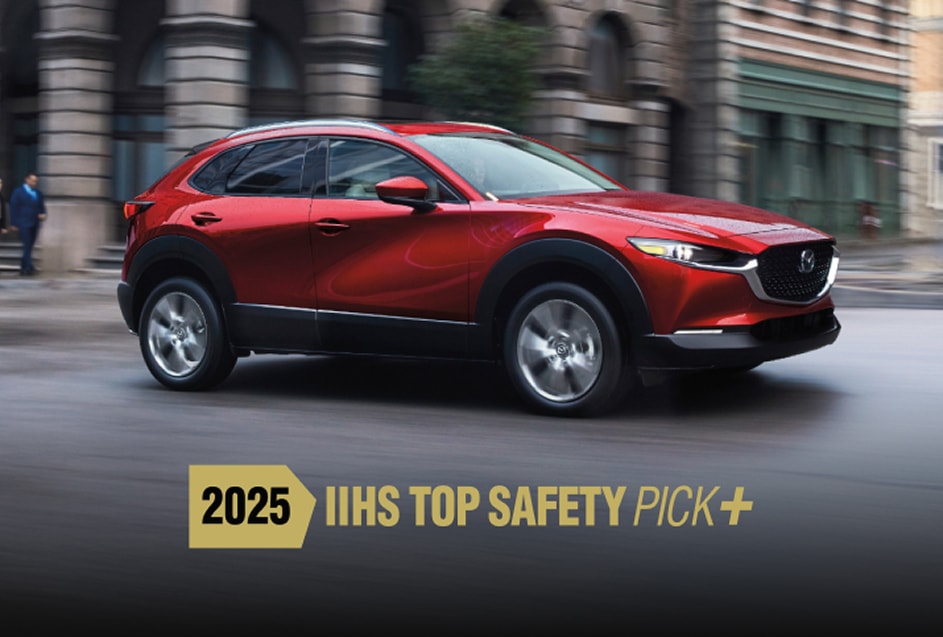
Common observation: “Smaller crossovers can’t match bigger ones.” The counterpoint is that modern safety engineering uses energy management, crumple zones, and restraint precision to protect occupants. In other words, size helps, but calibration matters more than people expect.
2) The Plug-In Priority: Mazda CX-90 PHEV (IIHS Top Safety Pick+)
The Mazda CX-90 PHEV adds a second layer of intrigue: it blends safety excellence with the practicality—or enthusiasm—for electrification. Plug-in hybrids often attract attention for fuel economics and environmental interest. Yet buyers who care about safety frequently discover something surprising: powertrain innovation doesn’t dilute structural integrity. If anything, it can heighten the sophistication of how the vehicle manages alerts, braking, and stability.
What makes this model fascinating is the way it handles the choreography of daily driving. Drivers don’t just want fewer crashes. They want fewer jolts—less uncertainty. Advanced driver-assistance features can reduce the cognitive load, allowing the driver to stay calm when traffic behaves like a living thing.
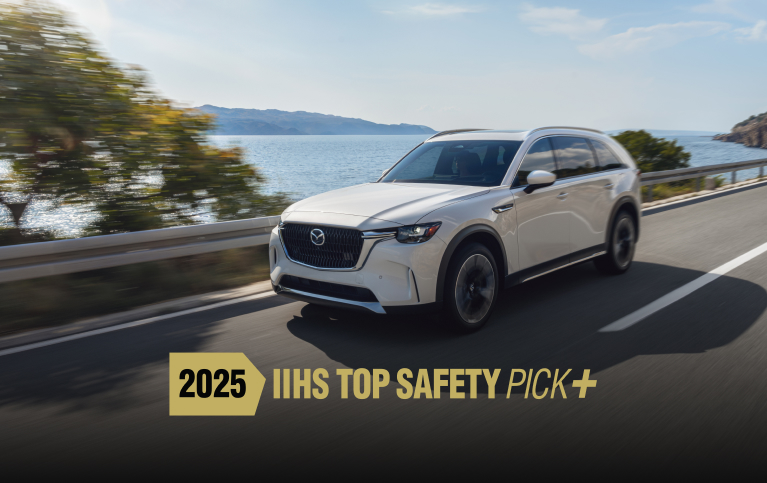
Deeper reasons behind the fascination: some people are drawn to safety because they feel responsible. A vehicle with top-tier crash ratings offers a kind of emotional insulation. It’s not just protection—it’s reassurance, delivered through engineering choices you can’t see but can feel in the aftermath of a near miss.
3) The Suburban Fortress: Honda’s Civic-Sized Crossover Effect (IIHS Top Safety Pick+)
There’s a pattern among the safest crossovers: they are not built as theatrical machines. They’re built as disciplined ones. Models like the Honda lineup’s crossover offerings often earn trust because their safety technologies tend to be cohesive—integrated rather than scattered.
In practical terms, that cohesion shows up when drivers face the “unavoidable problem moments”—late braking, glare, cross-traffic surprises, and unpredictable merging. IIHS Top Safety Pick+ recognition typically reflects a balance of crash avoidance and crashworthiness, which is precisely what skeptics overlook.
Common observation: “Assistance systems are only useful in perfect conditions.” The deeper truth is that these systems are engineered to perform across imperfect conditions—different speeds, different road types, and real-world testing scenarios. The goal is not perfection. The goal is reduction of harm.
4) The Comfort-First Safety Strategy: Hyundai’s Safety-Conscious Crossovers (IIHS Top Safety Pick+)
Hyundai has built a reputation for safety that feels strangely human: straightforward, consistent, and relentlessly focused on outcomes. For crossover shoppers, the appeal is often comfort paired with competence. Seats and cabin design matter, but so does how the vehicle behaves when the unexpected arrives.
The IIHS Top Safety Pick+ designation signals that the vehicle performs well in multiple categories. That matters because safety is not a single feature. It’s a chain. If one link is weak—say, headlight performance at night or restraint effectiveness in a crash—the chain can break when you need it most.
Long sentences have their place, but safety thinking deserves a rhythm. Short moments of impact should not turn into long-term consequences. A well-designed crossover reduces both the probability and severity of collisions, creating a quieter kind of control.
5) The Feature-Driven Shield: Kia’s Crossover Engineering Wins (IIHS Top Safety Pick+)
Kia’s safest crossovers are often admired for their “feature clarity.” Drivers don’t want an alphabet soup of systems. They want intelligibility: alerts that are useful, not frantic; braking that feels confident, not abrupt; assistance that respects the driver’s intent.
IIHS Top Safety Pick+ status reflects that balance. These vehicles typically demonstrate strength in crash tests while also providing robust performance in front crash prevention, headlight quality, and overall safety design.
Here’s the deeper reason the award fascinates: it’s a reminder that safety is measurable. It transforms abstract worry into concrete performance. People don’t just buy crossovers; they buy a prediction—about how the car will behave when reality refuses to cooperate.
What “Top Safety Pick+” Really Means for Real Drivers
It’s tempting to treat IIHS recognition as a trophy case item, something to polish with casual confidence. But the more meaningful interpretation is how the award reflects integrated engineering. A top score usually indicates the vehicle doesn’t merely pass one kind of test—it performs well across multiple scenarios that mirror daily driving risks.
Crashworthiness protects occupants after impact. Crash avoidance helps reduce the chance of impact in the first place. Headlight performance expands safe visibility, which is often overlooked until night driving becomes a problem. Seat and restraint design matter in the fraction of a second where the body needs to be guided—not thrown.
And then there’s the psychological dimension. Safety features can reduce decision fatigue. That matters because many accidents are not caused by reckless intent—they’re caused by misjudgment under stress, fatigue, and time pressure. A safer vehicle becomes a better partner for human limitations.
How to Choose the Right Safest Crossover for Your Needs
Look beyond the badge. Start with your typical environment: urban traffic, suburban intersections, highway commutes, and winter weather. Next, consider cabin layout. Do you frequently transport passengers, children, or cargo? Rear-seat protection and ease of restraint use can be just as important as headline ratings.
Pay attention to lighting, driver-assistance behavior, and braking feel. Even two vehicles with similar scores can differ in how confidently they communicate with the driver. Test drive is not indulgence; it’s verification.
Finally, match the powertrain to your routine. For example, a plug-in crossover can offer efficiency advantages if you can charge regularly. Efficiency affects cost; cost affects maintenance decisions; maintenance affects long-term safety. Safety isn’t a snapshot—it’s an ecosystem.
Final Thoughts: The Quiet Magnetism of Safety
Top Safety Pick+ crossovers carry a special kind of magnetism. They attract drivers who want more than style. They want steadiness. They want fewer emergencies and softer landings if an emergency happens anyway.
Safety awards may begin as a headline, but the fascination grows when you understand the deeper logic: protection is engineered, verified, and refined across scenarios. It’s not magic. It’s method. And method—especially when it keeps people safe—has a way of earning lasting trust.