There’s a particular kind of freedom that arrives when the car stops feeling like a chore. For many seniors, the daily act of getting in and out shouldn’t demand strategy—no awkward foot shuffling, no strained reaching, no fleeting panic about balance. In 2025, the conversation is shifting. It’s not merely “Which car has the most space?” or “Which one is safest?” Now the focus is also on something quietly transformative: easy entry and exit—wrapped in comfort, confidence, and a driving experience that feels less like navigation and more like arrival.
Consider this a subtle invitation to rethink what “family car” means at this stage of life. A family car can be an oasis. It can be a well-timed exhale after errands, an effortless gateway to weekend getaways, and a steady platform for passengers who may not move with the same agility they once did. The five options below share a common promise: make the doorway kinder, the seating position calmer, and the transition in motion more forgiving.
What “Easy Entry & Exit” Really Means in 2025
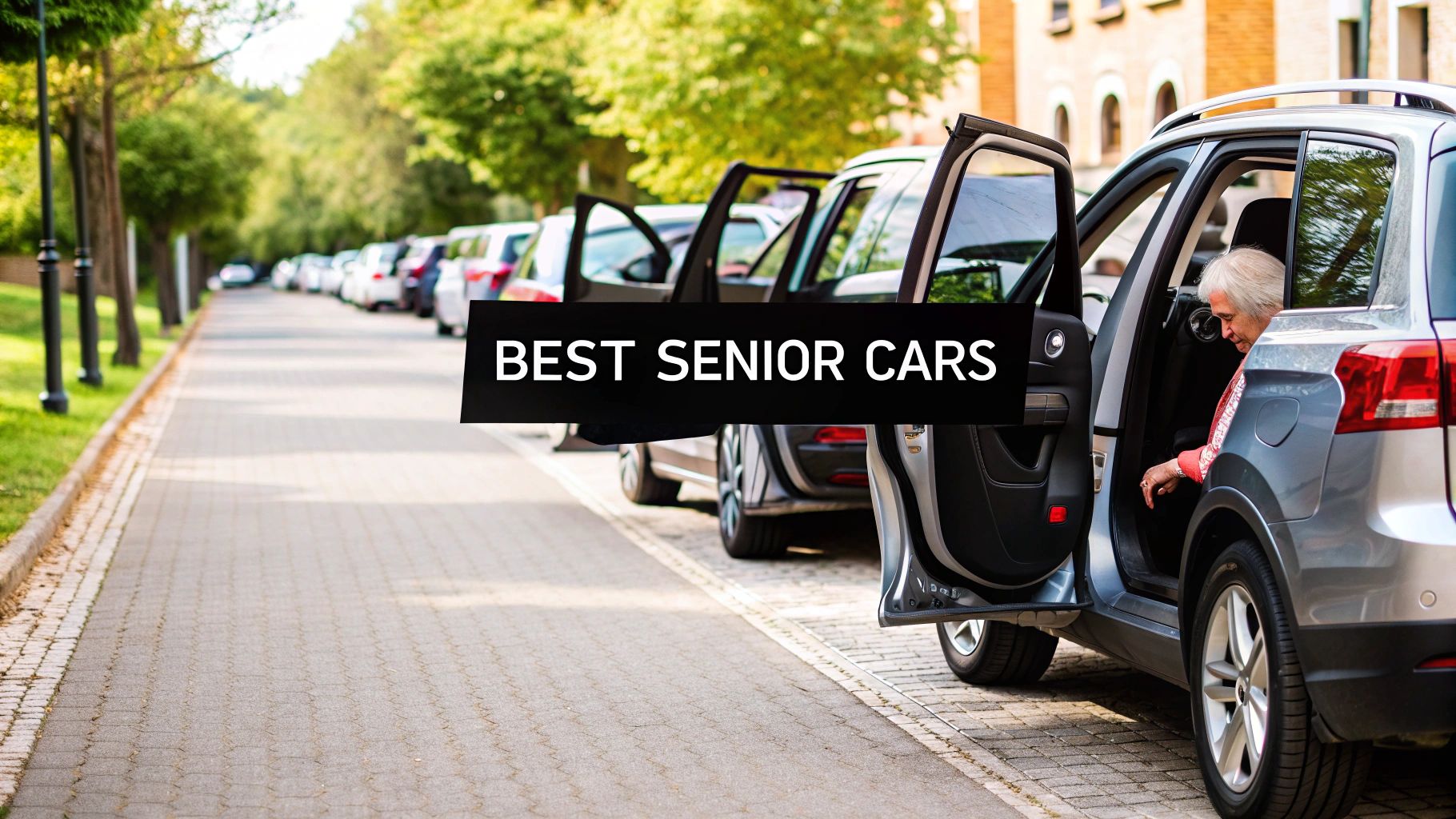
Easy entry and exit isn’t one single feature—it’s a choreography. The best 2025 family cars for seniors treat the whole approach: door shape, seat height, step-in clearance, visibility, and even the ergonomics of controls. A tall seat height can reduce the need to “drop” into a vehicle, while wide door openings and supportive door frames help reduce twisting.
Pay attention to how the car feels at the threshold. Is there a sense of stable footing? Can you locate the seat without hunting? Does the steering wheel and dashboard layout allow a natural posture rather than a contorted reach? In 2025, car makers are increasingly designing around human rhythms—especially for people who want to get on with living, not negotiating with gravity.
Beyond the physical, there’s a psychological layer: confidence. When drivers and passengers believe the car will cooperate, they relax. That relaxation sharpens situational awareness, reduces hesitation, and transforms each trip from “getting it done” into something almost ceremonial.
1) Toyota Grand Highlander: The Calm-Seat Family Workhorse
The Toyota Grand Highlander approaches family life with the steadiness of a well-balanced table. It’s not trying to be theatrical. Instead, it aims for predictability—especially around seating and sightlines. A higher seating position supports easier entry, and the interior layout is often praised for clarity. Controls are typically positioned with intuitive reach, which matters when mobility is slower or more measured.
For seniors, this model’s appeal is the way it reduces friction. Fewer awkward transitions, fewer “adjustments” before driving, and a driving position that feels less like folding and more like settling. Visibility can also play a quiet role in comfort; a commanding viewpoint reduces the effort of scanning traffic and parking scenarios.
Curiosity is natural here: some cars are “good,” but others change the emotional temperature of everyday routines. The Grand Highlander tends to fall into that second category.
2) Honda CR-V (Hybrid, Where Available): Efficient Confidence with an Upright Stance
The Honda CR-V has long earned its reputation as a practical companion, but in 2025 the story gets more intriguing: efficiency without sacrificing the sense of ease around getting in and out. Many drivers appreciate the straightforward approachability of the CR-V—its layout feels friendly, and its driving position often supports a more upright posture.
Hybrid variants can add another layer of calm. Smooth power delivery and efficient operation can reduce the fatigue that sometimes comes with stop-and-go driving. Fatigue matters. When the day is long, the least demanding tasks should remain just that—low demand. Easy entry supports that goal by shortening the “pre-drive effort” and making arrivals less strenuous.
Think of the CR-V as a familiar room you can rearrange. It’s adaptable for family needs, shopping bags, or a grandchild’s sports gear. Yet the real magic for seniors lies in how quickly it becomes part of the body’s comfort map.
3) Kia Telluride: Spacious Support for Group Travel
There’s something reassuring about a larger family SUV when it’s designed with humane ergonomics. The Kia Telluride brings a roomy cabin and a welcoming layout that can feel less cramped and more breathable. Wide doors and a supportive seating environment can ease the transition from pavement to driver’s seat, particularly when steps and reach are minimized by thoughtful design.
Family travel often means passengers with different needs. A car that feels steady for multiple body types becomes more than a vehicle—it becomes an agreement between people. Telluride’s spaciousness can accommodate that reality. Even the way you access the second and third seating rows matters. When getting in and out is simpler, the “family logistics” become less exhausting.
Curiosity point: you might notice that once entry is easy, everything else feels easier too—parking becomes less stressful, transfers from errands to lunch become smoother, and the day’s rhythm feels more continuous.
4) Subaru Outback: Grounded Versatility with a Doorway-Friendly Attitude
If you want the spirit of adventure without the sensation of rough labor, the Subaru Outback often fits the bill. It tends to offer an elevated stance that helps seniors avoid the deep descent associated with some lower-profile vehicles. This can make ingress less demanding, especially for those who prefer a more stable “step up” rather than a steep drop.
Beyond entry, the Outback’s overall versatility can be a daily gift. Grocery runs, long visits, weekend road trips—these are environments where a comfortable posture matters. The cabin’s practicality can reduce mental overhead: you know where things belong, and you spend less time adjusting bags or searching for controls.
Ask yourself the question most people avoid: what if the car could make your day feel lighter? The Outback is designed for a kind of lived-in ease—an everyday vehicle that doesn’t require heroic effort.
5) Volkswagen Atlas: A Family Giant Built for Easier Access
For families who need maximum space, the Volkswagen Atlas offers a confident scale. But size alone isn’t the point. In 2025, the better question is whether that scale translates into approachable entry and exit. The Atlas typically provides a supportive seating height and a cabin that can feel expansive rather than overwhelming. That matters when you want passengers to climb in without drama.
Easy access is especially valuable when you’re traveling with multiple generations. Older relatives may need more time and stability; children may move quickly; everyone wants to feel safe and comfortable in motion. A car that makes entry straightforward reduces the likelihood of rushed positioning.
There’s a distinct narrative shift at play here. Rather than treating car access as an obstacle, the Atlas frames it as something engineered—an everyday convenience that invites more spontaneous plans. And that invitation is where true curiosity lives.
Safety and Comfort: The Unseen Guardians
Easy entry and exit is not just convenience—it’s safety. Reduced awkward twisting can help lower strain. Better visibility can reduce uncertainty when pulling out or navigating busy parking lots. Supportive seats can encourage correct posture. Meanwhile, driver-assistance technologies can provide a second set of eyes, particularly in tricky intersections or when reversing.
Look for features that reinforce confidence: well-lit interior controls, clear instrument visibility, and assistance systems that support braking and lane awareness. Even the simplest elements—such as straightforward door operation and comfortable seat firmness—can influence how secure a driver feels during transitions.
When safety improves, independence grows. And when independence grows, family life changes. Visits feel more attainable. Errands feel less like chores. The day’s horizon expands.
How to Choose the Best Match for Your Body and Your Routine
Not every senior-friendly car will feel the same for every person. Mobility ranges are varied; comfort preferences are personal. Start with the routine: where do you park, how far do you walk, and what type of doors do you face in daily life? Consider lighting at access points, the height of surrounding steps, and whether you transfer to the seat unassisted or with the help of support.
When test-driving, practice the motions you perform at home. Enter slowly. Set the seat to a supportive height. Notice how your legs and hips behave. Sit comfortably with both arms at reachable distance. Evaluate how the steering wheel feels in your posture. Then exit calmly—without rushing, without forcing.
Long sentences can’t capture this well: the goal is to find a car that feels like it meets you halfway.
Making Every Trip Feel Like an Arrival
The best 2025 family cars for seniors don’t simply move people from point A to point B. They reshape what those points mean. A driveway becomes a starting line, not a hurdle. A shopping trip becomes a brief escape rather than an endurance event. Visiting friends turns from complicated to spontaneous.
Easy entry and exit is the kind of improvement you feel instantly. Yet its benefits accumulate quietly over time—through comfort, confidence, and the freedom to keep living at your own pace. Choose the car that invites you in with less effort and sends you out with steadier footing. In doing so, you don’t just upgrade transportation—you upgrade the story your days get to tell.