What if your next compact car didn’t just get you from point A to point B, but also helped guard your future budget? Imagine turning the keys, merging into traffic, and—weeks later—opening a resale listing that still feels pleasantly high. Resale value can be elusive, a bit like finding the perfect parking spot on the first try. Yet the pattern is real: certain 2025 compact cars tend to hold their worth better than others, largely because buyers trust the formula—reliability, brand gravity, and everyday practicality.
Here’s a playful challenge: pick one compact from this shortlist—Honda Civic, Toyota Corolla, and Mazda3—then ask yourself a tougher question. If you owned it for five years, would you feel confident it would still command a strong price at trade-in time? Let’s turn that question into a roadmap, exploring the top compact contenders for 2025 resale durability, with a special focus on how these three nameplates build value over time.
Ready? The road to a better resale number starts now.
The Resale Value Mindset: What Actually Protects Your Money?
Resale value isn’t simply about popularity. It’s a blend of predictable ingredients. Buyers often pay a premium when a car has a reputation for long-term dependability. They also factor in maintenance convenience and the likelihood that parts and service are readily available. In other words, resale value is where engineering meets psychology.
There’s also a practical side: depreciation curves. Some cars lose value quickly early on, then stabilize; others bleed more steadily. The ones with stronger resale usually share traits like consistent demand, strong financing ecosystems, and resale-minded features. Think of it as market inertia—when the car keeps pulling attention even after the initial excitement fades.
To set expectations, remember that mileage, condition, and accident history matter. But if you’re choosing the car in the first place, you can stack the odds in your favor.
#5: The Compact Wild Card—Mazda3 (Where Style Meets Long-Term Appeal)
The Mazda3 has a reputation that feels quietly confident. It doesn’t shout for attention; it seduces. That design discipline can translate into resale strength because buyers perceive it as “not just another appliance.” The compact market is crowded, yet a Mazda3 tends to hold a distinct identity—an intangible advantage that becomes very tangible when someone shops used.
Resale-friendly factors often include strong build quality perception and a drive feel that remains satisfying years later. When owners enjoy a car, they frequently keep it clean and maintained—conditions that help resale prices. Also, Mazda’s brand positioning supports a loyal customer base, which helps reduce “buyer uncertainty” at the dealership or online.
Potential challenge: if you’re the type who rotates cars every couple of years, the resale benefit may feel less dramatic. You’ll still gain value stability, but the headline effect tends to reveal itself after longer ownership. If you want the Mazda3 to pay back, keep it in excellent condition and document service history like a meticulous librarian.

#4: Honda Civic (The Resale Gravity King of Everyday Life)
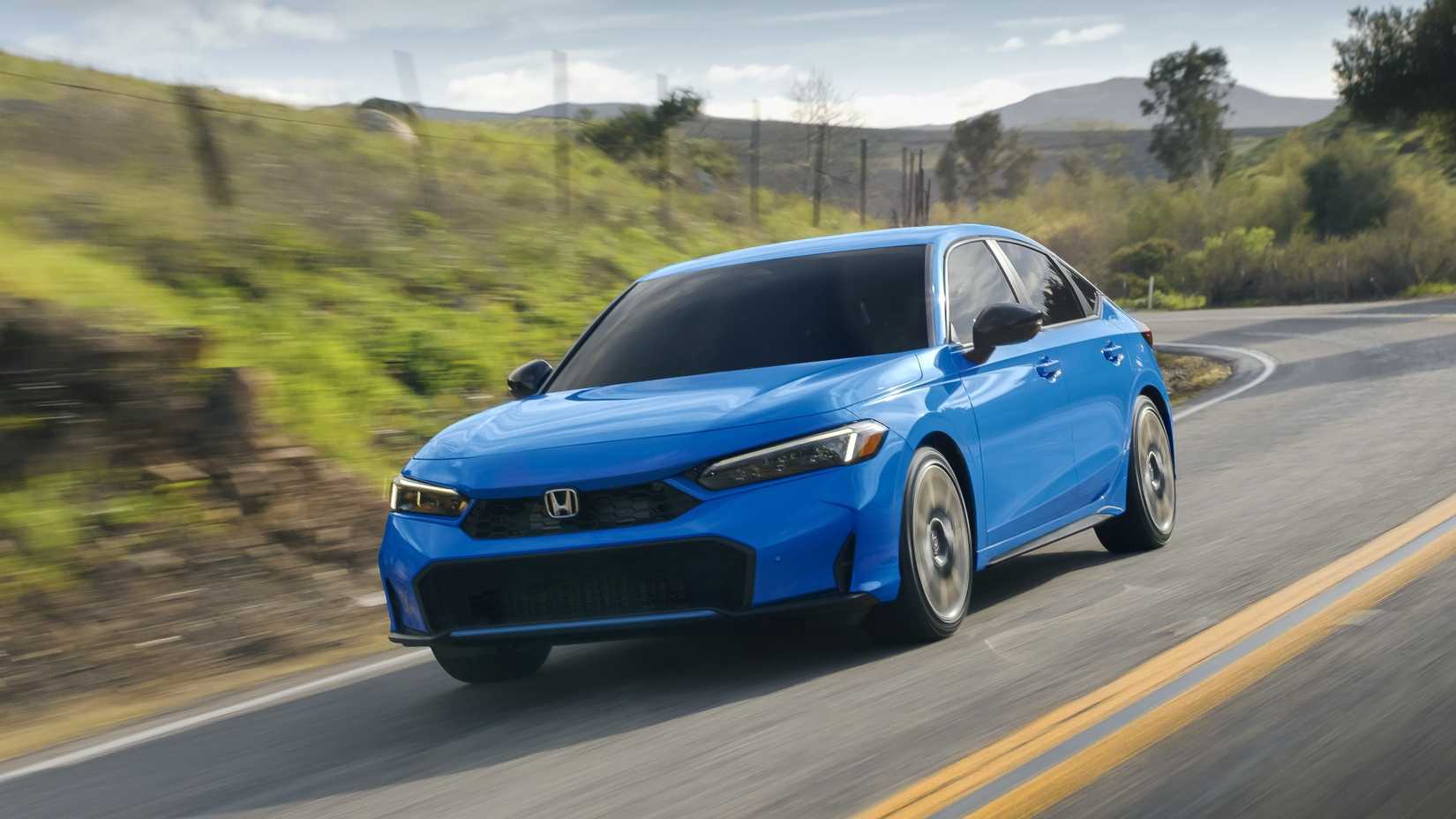
The Honda Civic has long been a benchmark for compact value. It’s the car people trust when they want fewer headaches and more predictable ownership. That trust creates a powerful feedback loop: because many buyers want Civics, the used market remains competitive. When demand stays high, resale prices tend to behave better.
Part of the Civic’s strength is its practical versatility. It’s not only good at commuting—it’s good at errands, road trips, and life changes that involve more stuff than the brochure implies. Buyers also recognize that Honda’s widespread service network reduces the friction of maintenance. In resale terms, convenience is currency.
Potential challenge: the Civic’s popularity can sometimes lead to pricing volatility depending on trim and market cycles. If you buy a less desirable configuration at the wrong time, the resale experience may feel less heroic. Your best strategy is to prioritize trims that consistently sell well, then maintain the car carefully.
In short: the Civic doesn’t merely survive the used-car spotlight—it performs in it.
#3: Toyota Corolla (A Reliability Myth That Keeps Holding Up)
The Corolla occupies a special lane in the compact world: the lane where “boring” becomes “brilliant.” It’s not flashy, but it’s dependable in ways that influence how long-term buyers decide. Over the years, Corolla ownership has cultivated confidence. That confidence is exactly what the resale market rewards.
Resale value often improves when a car has a well-established pattern of durability. Corolla models typically benefit from a strong track record, plus broad availability of parts and service. That combination reduces uncertainty for the next owner. And in the used market, uncertainty is what drives discounting.
Potential challenge: if your Corolla is heavily used for short trips, wear items may accumulate sooner than expected—especially tires and brakes depending on driving patterns. The fix is simple: keep an eye on maintenance intervals, use quality tires, and treat your Corolla like it’s going to represent you at the dealership later. Because it will.
The Corolla’s charm is that it doesn’t require belief. It earns trust through continuity.
#2: The Civic vs. Corolla Debate: Which One Keeps Its Shine Better?
Here’s where the plot thickens. Many shoppers end up choosing between the Civic and Corolla, and the decision can feel like picking between two dependable anchors. Both brands tend to hold value well; both have loyal followings; both have service networks that make ownership less intimidating.
So what’s the real difference for resale?
Civic often carries a slightly sportier brand perception depending on trim, which can help keep certain enthusiast-friendly configurations in demand. Corolla, meanwhile, often wins on the “set it and forget it” reputation, appealing to buyers who prioritize long-term steadiness above all.
Potential challenge: don’t decide only by headline features. Decide by likely buyer behavior. If you plan to sell in about five years, think like the next shopper. Which trim will be easier to finance? Which will be easier to insure? Which will be easier to shop for locally? The answer frequently aligns with trims that stay consistently stocked across the market.
Resale is a market conversation. Speak its language.
#1: Best Overall Resale Value Pick (Civic, Corolla, or Mazda3—But With a Twist)
If this were a simple ranking, it would be easy. Yet resale performance depends on trim selection, condition, and market timing. Still, one nameplate often tops “most resilient” lists because of demand depth: the Honda Civic. Its consistent buyer interest, balanced practicality, and broad appeal make it a dependable candidate for resale strength.
That said, the “best” choice for you might differ. If you value long-term mechanical confidence, the Toyota Corolla can be the more satisfying wager. And if you want a compact that feels more like a personal statement while still remaining resale-aware, the Mazda3 is a strong contender—especially when maintained meticulously.
Here’s the twist: the best resale value isn’t only about the car you buy. It’s about the way you own it. Wash it regularly. Fix small issues early. Keep receipts. Avoid damage. Choose tires and brakes that match the car’s intended use. The resale market punishes neglect, even if the brand reputation is excellent.
How to Maximize Resale Value in Real Life (Not Just on Paper)
Now for the part that makes the biggest difference: your ownership habits. Keep service records. Use OEM or reputable-equivalent parts. Don’t ignore warning lights. Keep interior surfaces protected from harsh sun. Address chips and cracks early—cosmetics matter more than people think, especially for buyers browsing photos.
Also, consider timing. Selling during healthier demand windows can raise your outcome. And when it comes time to trade, be honest about condition. A transparent car history reduces buyer friction, which can preserve price.
Finally, choose the trim you can live with—and the buyer can understand. Complex options can help you enjoy the car, but if the market prefers simpler configurations, your resale might lag. It’s a delicate balance between personal preference and resale chemistry.
Final Thoughts: Which Compact Will Still Feel Worth It Later?
So, which compact car should you bank on for 2025 resale durability—Honda Civic, Toyota Corolla, or Mazda3? If you want the lowest anxiety path, the Civic and Corolla are the safe harbors, each with a distinct flavor of confidence. If you want a compact that balances identity with value retention, the Mazda3 can be a delightful choice—provided you keep it in top shape.
Take the playful challenge seriously: imagine your future self five years older, standing in front of a used-car listing. Which car would you want to see? The answer will guide your purchase more accurately than any spreadsheet.
Choose wisely, maintain diligently, and let resale value become a quiet reward—not a surprise expense.