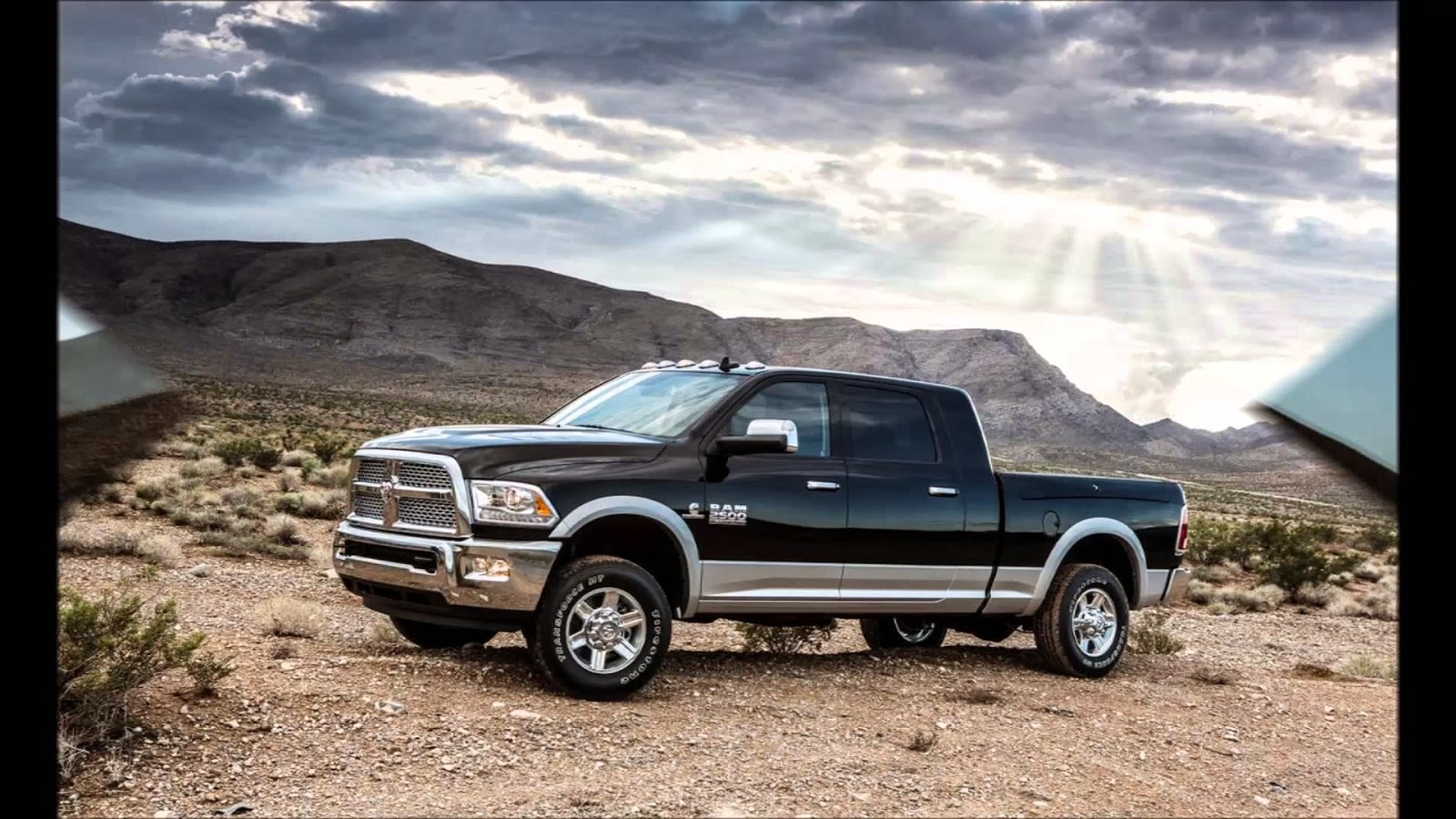
The Ram Chassis Cab – 4500 5500 is built for the kind of work that rarely allows second chances. It arrives with the poise of a machine designed to shoulder responsibility: a platform that prioritizes payload, durability, and the unglamorous practicality demanded by fleets, contractors, and upfitters. In the real world, this isn’t a “weekend truck” conversation. It’s a daily operations conversation—route planning, jobsite variability, and the constant calculus of uptime. If your business lives in the margins—where efficiency, maintenance access, and configuration flexibility become the difference between profit and delay—this review lays out what readers should expect, from capability to ergonomics, from powertrain behavior to long-horizon ownership.
This review unfolds as a guided walkthrough: first, the truck’s purpose and design philosophy; then the variants and how the 4500 and 5500 distinguish themselves; next, a close look at performance, handling, and braking confidence under heavy loads. After that, it addresses the practicalities that upfitters care about, including cab layout, chassis provisions, and serviceability. Finally, it moves into ownership realities—fuel economy expectations, maintenance considerations, and the decision-making framework that helps you select the right configuration.
Purpose and Design Philosophy of the Chassis Cab
A chassis cab is less about arriving “finished” and more about providing a trustworthy foundation. The Ram 4500 and 5500 embrace that philosophy with a sturdy frame architecture and a layout meant to accommodate purpose-built equipment. Think of it as a blank canvas engineered with serious intent: the truck should integrate seamlessly with bodies, crane systems, utility packages, flatbeds, and specialized service conversions.
Where conventional pickups often prioritize styling and comfort first, the chassis cab prioritizes structural soundness and operational versatility. That translates into a design that supports heavy-duty work cycles and simplifies the realities of equipment installation. Shortcuts are avoided in favor of predictable mounting points and practical cable routing. Even the small details—like access clearances and component placement—tend to matter more when the truck spends its life under the hood.
Ram 4500 vs Ram 5500: Choosing the Right Work Class
The “4500 5500” naming isn’t just marketing shorthand; it’s a practical decision boundary. While the exact specifications can vary with configuration, the intent is consistent: the 5500 occupies the higher-capacity tier, offering more room for payload and vocational demands. The 4500 suits operations that require substantial strength but may not always push the limits of maximum load.
Readers should approach this as a use-case mapping exercise. How often will the truck run fully loaded? What type of cargo or equipment is being hauled or carried? Are there recurring “spiky” days—events where weight and distribution become complex? If your jobs frequently demand heavy gross loads, the 5500 tends to align better with the mission profile. If your work is demanding but more variable, the 4500 can provide a sensible balance between capability and cost.
Beyond raw capacity, the selection also influences component stress patterns over time. A truck operating near its ceiling repeatedly accumulates wear differently than one that carries a more moderate load fraction. That means the choice of 4500 versus 5500 isn’t only about today’s job—it’s about the truck’s long-term fatigue life and maintenance rhythm.
Powertrain and Performance Under Load
Heavy-duty performance isn’t measured by quarter-mile bravado; it’s measured by torque availability, driveline resilience, and the ability to maintain momentum when climbing grades or starting from a stop on uneven surfaces. The Ram Chassis Cab approach emphasizes work-ready propulsion rather than theatrical acceleration.
Under load, you want predictable throttle response and minimal drama in transmission behavior. Readers can expect an engine and drivetrain calibration that accounts for the heat and vibration profile of sustained duty cycles. That includes gearing that helps preserve controllability when the truck is hauling maximum payload or towing with vocational equipment.
Braking, too, becomes part of performance in the real sense. When weight is substantial, your stopping system must remain consistent rather than fading into long pedal travel. The truck’s brake strategy is designed to manage kinetic energy efficiently while supporting confident control on descents, especially when the truck is carrying a load that shifts slightly with road texture.
Ride Quality and Handling for Fleet Work
A chassis cab spends its time in places that don’t politely introduce themselves: construction zones, uneven loading docks, crosswinds in open corridors, and roads with frequent seams and patches. Ride quality in this context doesn’t mean softness; it means stability and predictability. A well-tuned suspension and steering calibration help reduce driver fatigue and keep cargo movement restrained.
Handling also matters when the truck is longer and configured with vocational equipment. Turning radius, steering feel, and trailer tracking (when applicable) become daily factors. A truck like this is engineered to behave consistently rather than “fight” the driver during tight maneuvers at jobsites.
Short sentences help here because the truth is straightforward: confidence is the goal. When a fleet can trust the truck in varied conditions, it reduces hesitation, rework, and the small operational losses that stack up across months.
Cab Layout, Driver Environment, and Usability
The driver’s workstation is where the truck stops being a machine and becomes a tool. In the chassis cab format, the cab’s usefulness is defined by visibility, ergonomics, and ease of daily routine—entering and exiting, accessing controls, and conducting checklists without unnecessary contortions.
Readers can expect a driver-focused environment built for prolonged shifts. Seat comfort and steering reach aren’t luxury items here; they are productivity multipliers. A calm cabin can be the difference between steady attention and fatigue-induced mistakes.
Visibility is another unflashy advantage that carries weight—literally and figuratively. A clear line of sight reduces the risk of minor collisions during loading and unloading. In fleet operations, those “minor” events often become expensive, especially when down-time is accounted for.
Chassis Provisions and Upfitter Compatibility
The chassis cab is essentially an integration platform. Upfitters evaluate trucks with a specialized mindset: frame strength, mounting options, component clearances, and the feasibility of running electrical and hydraulic lines without compromising safety or serviceability.
While exact configurations vary, readers should generally anticipate a structure designed for compatibility with a range of vocational equipment. The goal is to avoid cobbled solutions. Reliable upfit compatibility supports smoother installation timelines, reduces the likelihood of future modifications, and can improve resale value by maintaining a coherent build standard.
Think of it as reducing friction between engineering and reality. The truck should accept equipment and workflows without becoming a perpetual troubleshooting project.
Fuel Economy Expectations and Operating Cost Reality
Fuel economy for a heavy-duty chassis cab is not a simple number—it’s a relationship between load, route topology, driving style, and duty cycle. Readers should treat fuel efficiency as a planning variable rather than a promise. A truck operating under constant load with frequent starts will behave differently than one running mostly highway miles with steady throttle.
What matters most is transparency in expectations. Heavy-duty work prioritizes capability first, but operating cost can still be optimized through proper routing, tire selection, scheduled maintenance, and driver training. In practice, the “best” truck is the one that stays reliable while consuming predictable resources.
Short answer: fuel economy will not mirror passenger vehicles. Long answer: cost efficiency improves when the truck matches the mission profile and maintenance is consistent.
Maintenance, Serviceability, and Long-Term Ownership
Owning a chassis cab involves planning for a long horizon. Components experience stress from vibration, thermal cycles, and continuous duty. The best outcomes come from routine inspection, timely fluid changes, and attention to wear items before they become failure events.
Serviceability becomes crucial—easy access panels, organized component layout, and sensible maintenance intervals help reduce labor time. That’s where the truck’s design philosophy becomes visible: a heavy-duty platform should make it straightforward to keep systems healthy rather than turning maintenance into a labor-intensive scavenger hunt.
Reliability isn’t just about avoiding breakdowns; it’s about minimizing surprise. A predictable maintenance cadence supports scheduling discipline, which protects profitability.
Who This Truck Is For: Scenarios That Fit Perfectly
The Ram Chassis Cab – 4500 5500 review is ultimately a matchmaking exercise. This truck tends to be ideal for organizations that require robust configurations: utility fleets, emergency services conversions, construction logistics, towing with specialized gear, and contractors who depend on equipment that transforms the truck into a working system.
If your operation includes frequent upfits, the chassis cab platform becomes even more valuable. The ability to configure without reinventing the base vehicle can streamline fleet standardization. And when standardized builds are achievable, training, parts stocking, and maintenance workflows become more efficient.
In short, it fits when capability, integration, and uptime matter more than ornamentation.
Final Verdict and How to Decide
The Ram Chassis Cab – 4500 5500 stands as a purpose-built foundation for heavy-duty vocational life. Readers can expect a truck designed to support payload ambitions, integration requirements, and the operational rhythm of demanding workplaces. The 4500 suits many serious use cases with a pragmatic balance, while the 5500 often aligns better when heavy-duty capacity is not occasional—it’s routine.
The most effective decision process begins with mapping job profiles to truck class, then selecting the configuration that reduces future friction during upfit and maintenance. A chassis cab is only as good as the system built on top of it, so choosing a platform with strong compatibility and service access can prevent years of frustration.
For fleets and contractors who measure success in uptime and consistency, this truck earns its place. It doesn’t ask for admiration—it earns trust through utility, durability, and the quiet competence required to keep work moving when the schedule is unforgiving.