Here’s a playful thought: what if your plug-in hybrid could shed its value more slowly than your coffee mug after a late-night spill? It sounds whimsical, but it’s not a fantasy—some PHEVs depreciate far less than others. The real question is mischievous in a practical way: if depreciation is the invisible passenger in every purchase, are you better off buying outright or leasing to keep that passenger from taking up too much seat space?
Now, imagine a potential challenge. You spot a PHEV that looks like a bargain—until you zoom in on ownership costs, resale assumptions, and how the used market treats battery technology over time. The number on the price tag can be friendly. The curve of depreciation can be downright theatrical. Let’s walk through how to think about PHEVs with the lowest depreciation and how to decide whether buying or leasing fits your financial temperament.
Why PHEV depreciation can feel like a moving target
Depreciation isn’t just one number. It’s a composite of market psychology, technology cycles, and fuel-price reality. PHEVs sit in a particularly interesting zone because buyers often value both flexibility and efficiency—but the used-car market can be picky about “future-proofing.”
Several forces tug at the depreciation timeline:
First, brand reputation and demand stability matter. Some models have a loyal following that keeps resale values healthier. Second, battery perception plays a larger role than many owners expect. Even when warranties cover battery capacity, shoppers still worry about degradation narratives. Third, policy and charging infrastructure can change quickly. A tax incentive today can disappear tomorrow, shifting demand patterns.
And then there’s the human factor: many buyers are benchmarking against pure electrics, asking whether a PHEV is “already obsolete.” That anxiety can accelerate depreciation for some models. Others, however, manage to remain “sensible” even as technology evolves.
The PHEVs that typically hold value better (and why)
“Lowest depreciation” doesn’t mean “no depreciation.” It means the decline is slower, more controlled, and sometimes shockingly resilient. In practice, the PHEVs that tend to depreciate less often share traits that the resale market rewards.
Here are the common characteristics you’ll usually see:
Strong mainstream demand: If the model sells well new, there’s typically more liquidity in the used market. More liquidity usually means less dramatic price slippage.
Reputation for durability: Owners who don’t experience costly surprises create positive word-of-mouth, and that tends to anchor resale values.
Efficiency that matches real life: If the PHEV’s electric range and charging practicality deliver consistent outcomes, buyers feel less like they’re gambling on a lifestyle fit.
Trim strategy and packaging: Models with fewer confusing option packages (or those that concentrate popular features in common trims) can be easier to shop for later.
Practical takeaway: When comparing PHEVs, don’t only look at the current price. Look at the “ownership story” buyers will tell themselves years later.
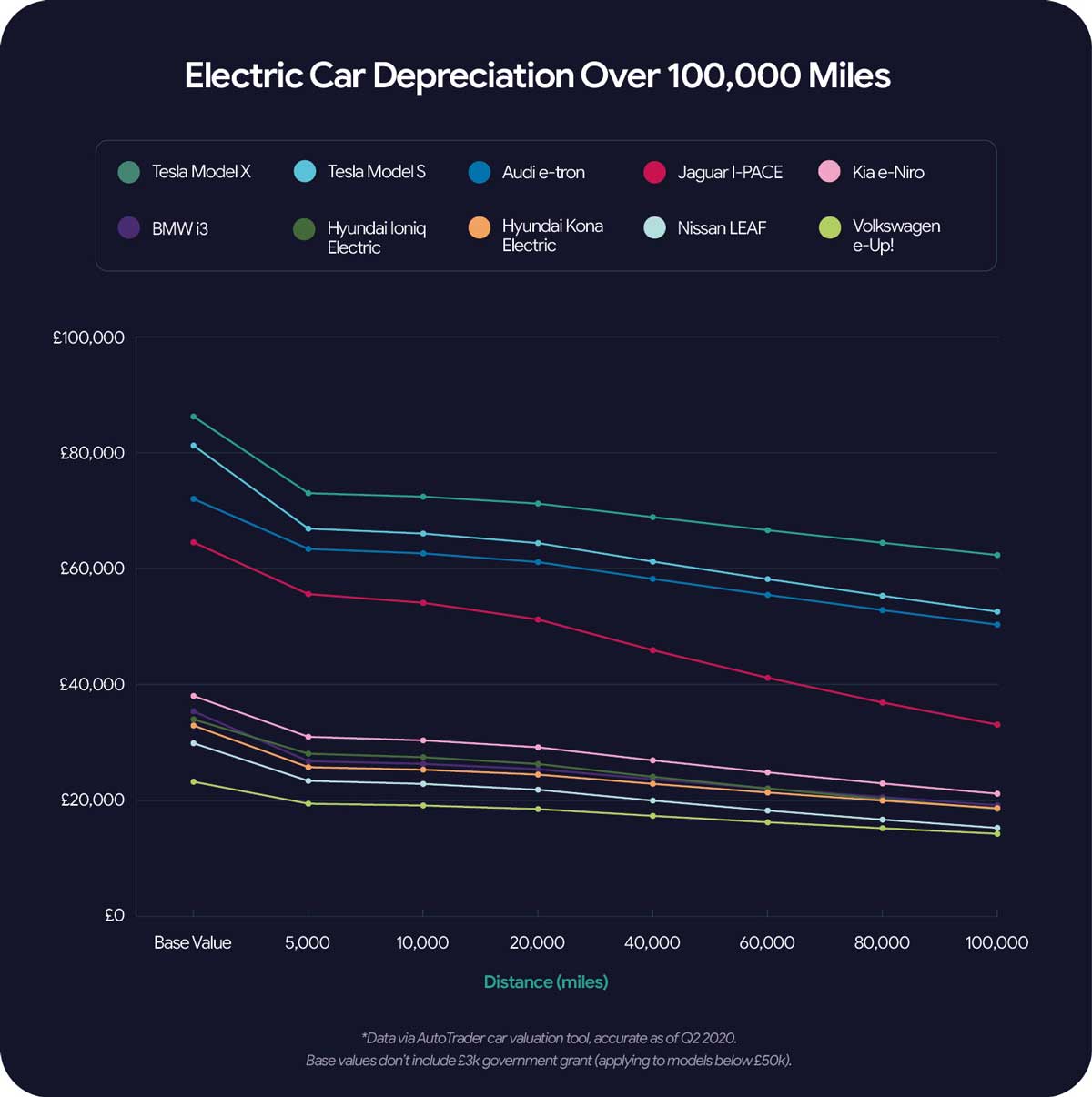
Buy vs Lease: the hidden math behind depreciation
Buying is like planting a flag. You absorb the depreciation risk, but you also keep the upside if resale stays strong. Leasing is like booking a season pass. You pay for time and flexibility, and depreciation becomes less of an uncertainty—often capped by the lease’s residual value assumptions.
Here’s the key distinction:
When you buy, your financial fate is tied to what the market pays for your exact model, trim, mileage level, and service history when you decide to sell.
When you lease, your financial fate is tied to the contract’s residual value and mileage rules. You may pay less upfront, and you can walk away at the end—although you may relinquish potential resale upside.
But leasing isn’t automatically “safer.” If residual values are set aggressively low—or if your lease terms penalize real-world driving—you can still feel depreciation in your wallet.
How low-depreciation PHEVs change the buy vs lease equation
Low depreciation is a powerful lever. If a PHEV model tends to hold its value, buying becomes more compelling. Why? Because the biggest cost in many ownership scenarios—value loss—shrinks.
In such cases, buying can behave like a quasi-investment (not in the stock-market sense, but in the “less money evaporates each year” sense). You might also benefit from long-term flexibility: keep it past the typical lease horizon, tailor your usage, and avoid mileage overage charges.
Still, leasing can be strategically brilliant for some drivers. If you’re the sort of person who enjoys being early rather than late—if technology refresh cycles make you restless—leasing can reduce the stress of predicting future market sentiment.
So the question becomes: do you value certainty, or do you value ownership freedom? Low-depreciation PHEVs make ownership feel less risky. But leasing can remain attractive if you want to avoid the “what if the market turns colder?” gamble.
Mileage, tyres, and paperwork: the boring details that swing resale
Depreciation theories are elegant. Life is messier. Two cars can have identical models, yet one sells dramatically better because of condition, documentation, and wear patterns.
For PHEVs—especially ones you plan to sell—you’ll want to be annoyingly consistent:
Keep mileage realistic: High mileage typically compresses resale. Leasing also punishes mileage, but the structure differs.
Maintain service history: A clean record signals reliability and reduces buyer skepticism.
Protect the exterior and interior: Wear is visible. Scratches, dents, and worn trims can turn into price cuts during negotiation.
Treat charging habits as part of ownership: If you can charge regularly, you can often maximize the everyday electric experience—buyers notice patterns.
In the resale market, buyers don’t buy your intentions. They buy your evidence.
Battery anxiety vs warranty comfort: how it affects depreciation
For PHEVs, battery-related concerns can be a psychological brake pedal. Buyers wonder: will charging habits matter? Will capacity fade? Are repair costs scary?
Here’s where warranties and transparency help. A strong warranty reduces perceived risk, which can dampen depreciation. Additionally, if a PHEV platform has a reputation for mature battery management systems, the used market tends to be more forgiving.
However, the challenge is that public narratives can change faster than engineering. If buyers start worrying about a specific generation’s thermal management, depreciation can shift even if objective performance remains stable.
Therefore: when assessing “lowest depreciation,” consider not only historical behavior but also how the brand communicates battery health and service pathways.
Making the decision: a practical checklist for your situation
Before committing, ask a few direct questions—short ones, but sharp:
Will you keep the car long enough for low depreciation to matter? If you plan to sell or upgrade quickly, leasing may align better.
Do you drive within lease-friendly mileage? If yes, leasing costs can become predictable. If not, buying might reduce the risk of overage penalties.
Do you have reliable charging access? Charging reliability supports real electric range use, which can improve resale confidence.
Are you comfortable tracking ownership performance? If you enjoy monitoring service and condition, buying can reward your care with better resale outcomes.
Consider your personality. Some people love the ritual of owning and keeping. Others prefer the calm of returning keys and starting fresh. Neither approach is “right.” The financial outcome depends on how depreciation interacts with your timeline.
Conclusion: choose the path that matches your tolerance for uncertainty
PHEVs with the lowest depreciation can turn a stressful ownership decision into a calmer one. Buying can shine when the model’s resale strength is proven and your long-term use aligns with the realities of maintenance, mileage, and condition. Leasing can shine when you want to cap risk, maintain flexibility, and avoid the emotional weight of future market unpredictability.
So, what’s the playful answer to the opening question? A PHEV doesn’t just “hold value.” It holds value when you match it to your driving life and your time horizon. Pick the strategy—buy or lease—that makes depreciation feel like background music rather than a loud, repetitive chorus.