You’ve got a plug-in hybrid electric vehicle (PHEV) and you’re ready to roll—chargers in the garage, a road trip playlist queued, and maybe even that one curbside spot you swear is “always available.” But here’s the playful question: will your charging cord be your best sidekick, or your most annoying quest item? The challenge is surprisingly practical. A PHEV charging setup isn’t just about electricity. It’s about portability, reliability, weather resistance, daily convenience, and whether you’ll curse the moment you discover the cord doesn’t reach.
In this article, the spotlight lands on two competing approaches: the portable PHEV charging cord versus a hardwired charger. Think of it as a choice between a nimble tool you can take anywhere and a fixed installation that behaves like it’s been living there forever.
Understanding the Players: PHEV Charging Cord vs Hardwired Charging
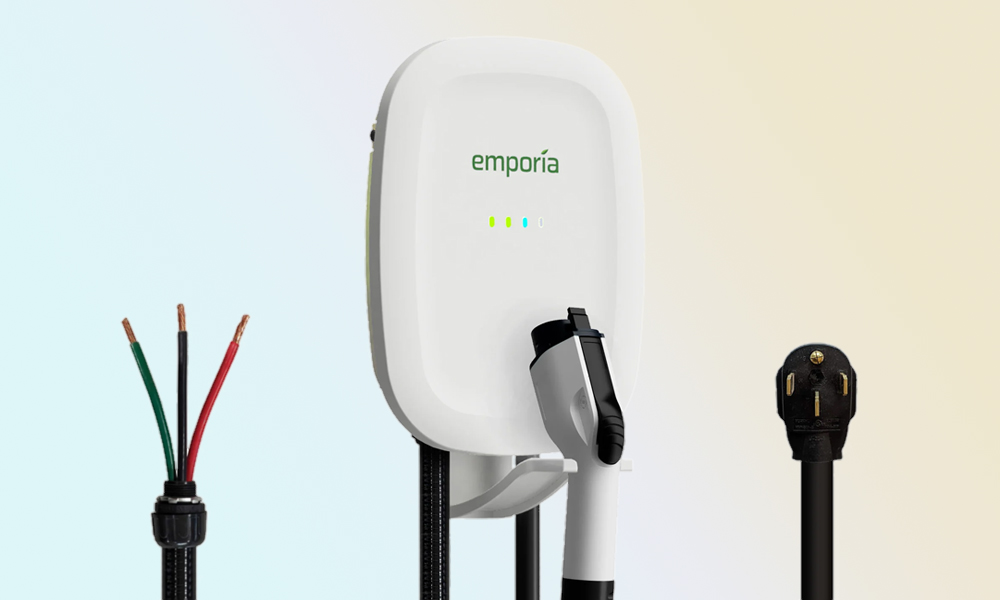
A portable PHEV charging cord is typically part of your vehicle ecosystem. It’s designed to plug into an outlet—often at home—and carry power where you need it. It may be basic, may be enhanced with smarter safety features, and usually demands that you manage it: coil it, store it, protect it from clutter, and keep an eye on wear.
A hardwired charger, by contrast, is installed directly to the electrical system. No “grab-and-go” cable routine. Instead, the charging connection is built into the architecture of your space—more permanent, more consistent, and often more elegantly integrated into your daily life.
Now the twist: PHEVs often live a double life—some miles on electricity, some on fuel. That means the charging experience must be dependable on ordinary days, not just heroic weekend moments.
Portable PHEV Charging Cord: Pros You’ll Actually Feel
Let’s start with the advantages that quietly improve your routine.
1) Mobility and flexibility
Portable cords can be used at different locations, assuming compatible outlets are available. That flexibility matters if you rent, if you move sometimes, or if you occasionally need to charge where you park rather than where you own.
2) Lower commitment
No permit drama, no installation schedule. You can begin charging quickly—often the same day you get the vehicle (or the cord arrives). The onboarding is frictionless, and the learning curve is mostly about outlet compatibility and safe usage.
3) Cost control
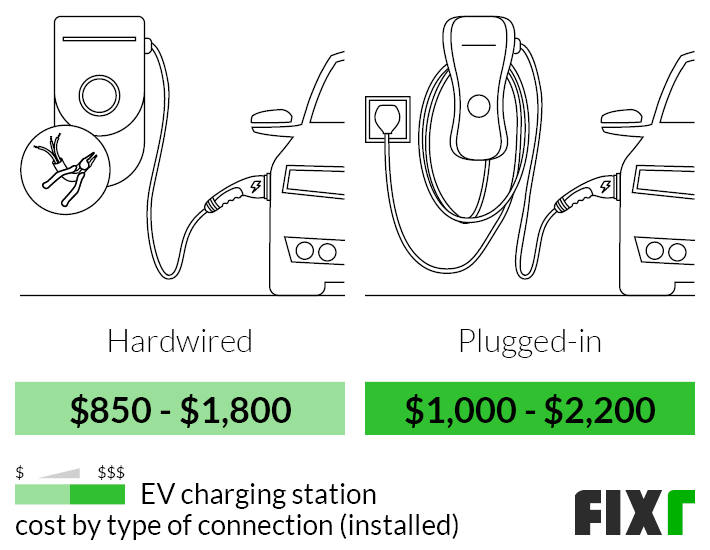
In many cases, portable solutions are the most budget-friendly route. You avoid paying for electrical work, mounting, and wiring upgrades. Even if you later decide to upgrade, the portable cord remains useful as a backup or travel companion.
4) Easier troubleshooting
If something behaves oddly—say, inconsistent charging—you can swap cords or test different outlets with less structural disruption. The problem is more likely to be accessory-based than infrastructure-based.
Portable chargers feel like a multi-tool: not always the fastest, but frequently the right answer.
Portable PHEV Charging Cord: Cons That Can Creep In
Now for the drawbacks—the ones that don’t always show up immediately.
1) Cord management is real
There’s a choreography involved: retrieving the cord, negotiating door clearance, avoiding tripping hazards, and storing it properly. If the cord lives in a messy garage, expect wear and possibly connector issues. Coiling incorrectly or repeatedly stressing the cable can contribute to premature deterioration.
2) Weather and exposure concerns
If your charging routine involves outdoor outlets or semi-exposed parking, the cord becomes exposed to moisture, temperature swings, and grit. Even with safety ratings, outdoor use demands careful attention—dry connections, proper routing, and protected storage.
3) Performance variability
Charging speed can depend heavily on the outlet type, wiring conditions, and whether the outlet is dedicated. A “good enough” setup at home may not replicate well across other locations.
4) Potential outlet strain
Using older wiring or overloaded circuits can lead to overheating risks or reduced charging reliability. The portable cord itself might be fine, but the outlet infrastructure may not be.
Portable cords are convenient, but they don’t absolve the user from responsibility. They invite participation—and sometimes that participation becomes tedious.
Hardwired Charging: Pros That Make You Stop Thinking About It
Hardwired chargers are the “set it and forget it” option—except you still enjoy the results.
1) Higher consistency
With a hardwired installation, the charging connection is stable and predictable. You eliminate the routine of plugging and unplugging repeatedly from a standard outlet. That consistency can matter for daily reliability, especially during busy schedules.
2) Reduced physical wear on connections
The plug-and-unplug dance is less frequent. Fewer mechanical cycles often mean fewer opportunities for connector wear or outlet looseness.
3) Cleaner, safer cable routing
Hardwired systems typically include more integrated cable management—hooks, fixed mounting, or engineered storage solutions. The result is a less chaotic environment and fewer tripping hazards.
4) Better fit for long-term ownership
If the vehicle stays in the household for years, a hardwired charger can be the more future-proof choice. It also tends to pair well with electrical upgrades like dedicated circuits.
Hardwired charging has a certain confidence to it—like an established routine rather than a temporary workaround.
Hardwired Charging: Cons You Should Consider Before Committing
Every upgrade comes with a trade-off, and hardwiring is no exception.
1) Installation complexity and cost
Hardwired chargers require professional installation, which usually involves electrical assessment, possible panel upgrades, and permitting. The timeline can stretch, and costs can climb beyond the initial charger price.
2) Less portability
If you move residences, the installation might not travel with you. The charger can often remain at the property, but ownership arrangements may vary. In some cases, you may need to redo the setup at the new location.
3) Reduced adaptability to unusual locations
Portable cords can handle “location improvisation.” Hardwired charging is optimized for the home base. If you frequently park elsewhere, you may still need alternative charging options.
4) Electrical system dependence
Hardwired charging relies on the permanence of your electrical infrastructure. If the circuit is improperly designed or if future electrical demands change, adjustments may be necessary.
Hardwired charging isn’t a gamble—it’s a commitment. Make sure your home setup aligns with your lifestyle now and in the next few years.
The Real Decision: What Matters Most for PHEV Owners
To choose wisely, think beyond raw speed. A PHEV’s charging routine is often about frequent replenishment, not marathon sessions. That means your best option depends on your parking habits and tolerance for logistics.
Choose a portable cord if:
You want quick setup, occasional charging away from home, and budget flexibility. You may also prefer a solution that you can keep using even if your home setup changes.
Choose a hardwired charger if:
You charge at home regularly, you value convenience, and you prefer an installation that behaves like household infrastructure—reliable, tidy, and ready every time.
And here’s the subtle puzzle: many people start portable and later move to hardwired once they realize how often they plug in. If you’re unsure, a hybrid strategy can be pragmatic—portable for flexibility, hardwired for the home routine.
Safety and Practicality Checklist (No Drama, Just Good Habits)
Whether you go portable or hardwired, charging should feel boring—in the best way.
Portable cord essentials:
Route cables carefully, avoid sharp bends, store the cord properly, and verify outlet compatibility. Keep connections dry. If the cord or connector shows wear, replace it rather than “hoping it improves.”
Hardwired essentials:
Ensure the charger is installed by a qualified professional and designed for your panel capacity. Periodically inspect the installation area for signs of corrosion, water intrusion, or physical damage.
In both cases, keep an eye on indicator behavior and charging performance. If something feels off—heat, unusual delays, intermittent charging—address it promptly.
So, Portable or Hardwired? The Punchline Answer
Portable cords bring freedom and low commitment. They’re adaptable, quick to deploy, and easy to keep as a backup. But they ask you to manage the cable like it’s part of your daily routine, which can be charming—or exhausting.
Hardwired chargers deliver consistency, cleaner usability, and a calmer charging life. They’re a more substantial investment and less mobile. Yet for frequent home charging, they can turn “charging effort” into a background process.
Ultimately, the best choice is the one that matches your real-world behavior: where you park, how often you charge, how you handle equipment, and whether you want charging to be a task… or a default setting.
Now the playful challenge returns: if you had to charge tomorrow morning, which option would make you smile instead of sigh? Choose the setup that makes that answer easy.