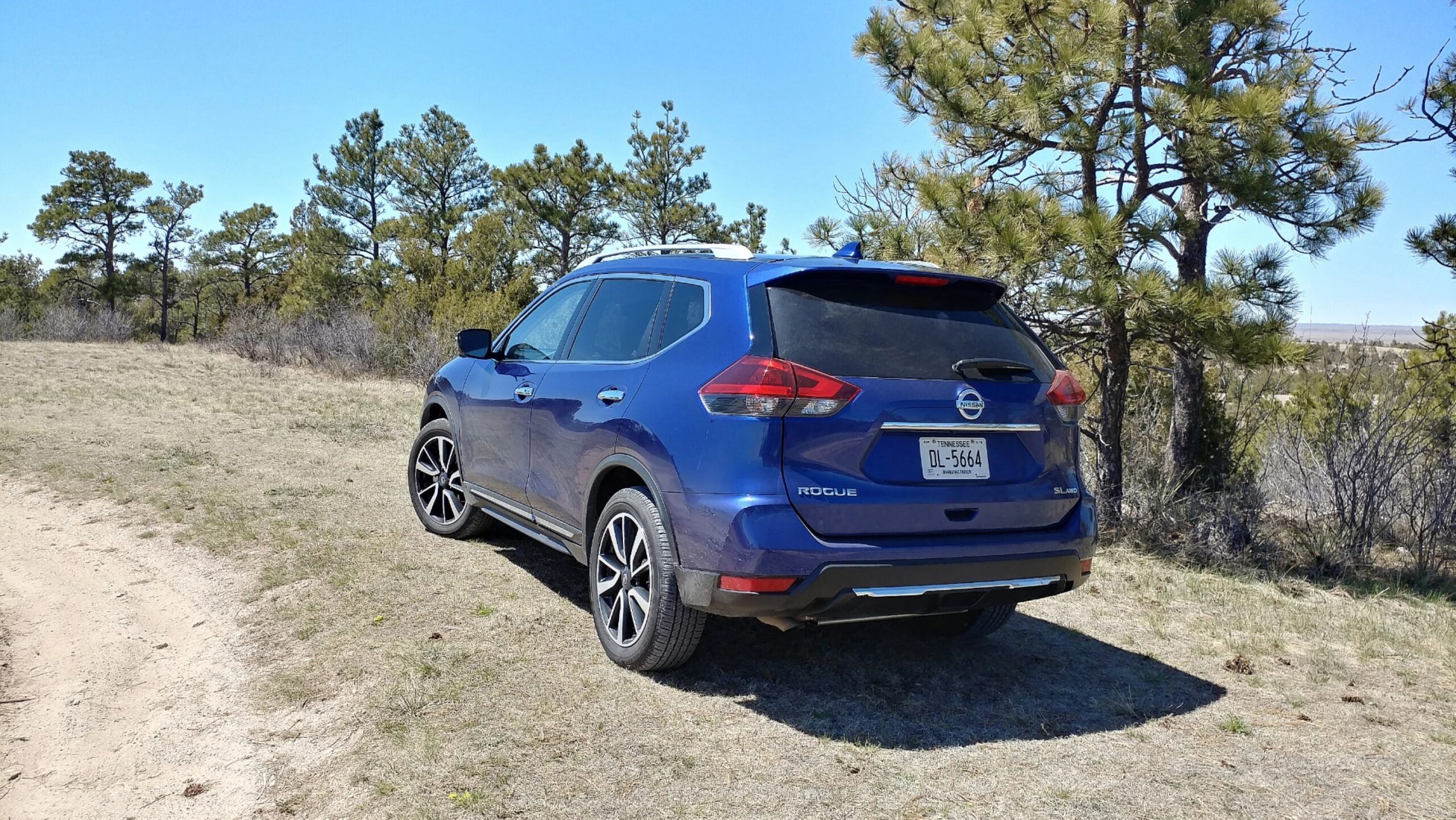
The Nissan Rogue has always carried itself like a confident traveler—quietly competent, never flashy, yet somehow hard to ignore once you share the road with it. Now, add ProPILOT Assist, and the character shifts. It’s as if the Rogue gains a second set of eyes—steady, patient, and always scanning ahead. In this review, ProPILOT Assist isn’t treated as a gadget; it’s treated as a traveling companion, one that turns long commutes from a chore into a calmer ritual. The question isn’t whether the system works. The question is how it feels when you’re actually driving.
ProPILOT Assist tested on a Rogue turns the familiar routine—lane changes, highway merges, steady cruising—into something more fluid. Not effortless in the movie-magic sense. More like a well-rehearsed choreography, where the car anticipates your intent and smooths the edges. It doesn’t replace the driver. It amplifies the driver. And in that distinction lies its unique appeal: it’s supportive technology, not theatrical automation.
First Impressions: A Familiar Body, a New Kind of Control
At a glance, the Rogue’s design remains rooted in practicality. Yet ProPILOT Assist gives it a different posture on the road. You notice it most during those moments when you’d normally relax your focus for a second—an open stretch of highway, a gentle curve, the monotony of traffic flowing at a steady pace. The system’s presence is subtle. It becomes a metronome for attention.
The cabin also supports that sensation. It feels like a cockpit designed for human judgment, with the tech sitting in the background like an experienced co-pilot. When the lane-keeping and adaptive cruise elements engage, the car seems to settle into its own lane of thinking—precise, not twitchy.
:format(webp)/cdn.vox-cdn.com/uploads/chorus_asset/file/9487671/Nissan_ProPILOT_Assist_04.jpg)
ProPILOT Assist Breakdown: What It Does, and What It Doesn’t
ProPILOT Assist is best understood as a set of coordinated behaviors rather than a single trick. Think of it like a three-part instrument: one segment watches the lane markings, another regulates distance, and a third helps keep the car aligned and predictable under common driving conditions.
On highways and interstates, adaptive cruise control helps manage speed relative to traffic. It’s like having a conscientious shield between you and the chaos ahead—closing distance when appropriate, easing off when the flow compresses. Lane support helps maintain position, gently correcting course when drifting is detected. The system’s strength is consistency. It doesn’t lurch. It doesn’t yank. It nudges.
Just as important: ProPILOT Assist doesn’t erase the need for attention. It’s more of a safety net than a parachute. The driver remains the author of the route. This design philosophy—support without surrender—is part of the Rogue’s charm. You feel guided, not governed.
Lane Keeping in Motion: The “Human-Scale” Precision
Lane keeping is where many driver-assist systems either shine or stumble, and ProPILOT Assist lands in a sweet spot. During straight-line driving, the Rogue stays composed, tracking lines with a calm sort of conviction. In mild curves, it behaves like a skilled navigator adjusting course without drama.
When road paint is crisp and visibility is strong, the system feels almost serene. It’s the kind of steadiness that lets your shoulders drop. Yet when conditions get less cooperative—faded lane markings, glare, complicated intersections—the system becomes more cautious. That restraint matters. A system that behaves responsibly under uncertainty builds trust, even if it means backing off when the environment turns messy.
The result is a driving rhythm that feels unusually “mechanically polite.” It honors your steering inputs and reinforces them, like a firm handshake rather than an overpowering shove.
Adaptive Cruise Control: Smoothing the Long Haul
Adaptive cruise control turns the Rogue into a more relaxed commuter. Speed changes don’t feel like abrupt decisions; they feel like adjustments made by someone who has been doing this for years. On a typical test route—highway segments punctuated by slower traffic—the system threads through transitions with a kind of forethought.
One of the most intriguing moments comes at the interface between open road and congestion. The Rogue doesn’t behave like a robot trying to conquer physics. Instead, it reads the flow, recalibrates distance, and settles into a pace that feels natural. That naturalness is what makes ProPILOT Assist memorable. It’s not just maintaining a number on a screen; it’s managing space and time.
In stop-and-go conditions, the system’s performance depends on how smoothly the traffic moves and how quickly the vehicle ahead accelerates. ProPILOT Assist works best when traffic behavior is reasonably predictable. When it isn’t, the system remains attentive—again, cautious rather than reckless.
Driver Engagement: The Art of Keeping Control
ProPILOT Assist encourages engagement through design. The system invites you to stay aware, not to disengage. That’s crucial. A driver-assist setup that demands attention can feel intrusive—unless it uses that requirement to preserve confidence.
The Rogue’s interface supports this with clear feedback. You’re aware when the system is active. You know what it’s doing. And when it’s time to take over, the transition doesn’t feel like a jump scare. It feels like switching from autopilot to conversation—still calm, still under your command.
In practice, this makes ProPILOT Assist feel less like “hands-off driving” and more like “mindful driving.” It reduces fatigue without erasing responsibility. That balance is not glamorous, but it is deeply valuable.
Real-World Appeal: Why the Rogue Feels Special
The most compelling part of this test isn’t whether ProPILOT Assist performs on paper. It’s whether it changes how you experience a day. With the system enabled, the Rogue becomes the kind of vehicle that turns long highway miles into something closer to effortless endurance.
The unique appeal is its temperament: supportive, measured, and practical. It doesn’t overwhelm the driver with alerts. It doesn’t demand constant micromanagement. It just keeps you on track—literally and emotionally.
And because the Rogue is already known for comfort and versatility, ProPILOT Assist doesn’t feel like a gimmick bolted onto an otherwise ordinary car. It feels like a harmonizing layer. Like putting a steady hand on the steering wheel of life when the road gets repetitive.
Where to Expect Strength—and Where to Expect Limits
ProPILOT Assist works best when the environment cooperates: clear lane markings, consistent traffic behavior, and predictable road conditions. In these scenarios, the system shines with its smooth, human-scale corrections.
When conditions become erratic—construction zones, confusing lane layouts, poor lighting, heavy rain, or unconventional lane geometry—the system may reduce assistance or require more driver input. That limitation is not a flaw; it’s an honest boundary. It’s better to be conservative than to be overconfident.
The takeaway is simple: ProPILOT Assist is a tool for everyday driving, not a magic wand for every scenario.
Verdict: A ProPILOT Experience Worth Trusting
After testing ProPILOT Assist on the Nissan Rogue, the impression is clear. This system doesn’t chase the illusion of full autonomy. Instead, it offers something rarer: dependable help that improves comfort while respecting human control.
The Rogue still feels like a Rogue—practical, comfortable, and ready for real errands and real road trips. But ProPILOT Assist sharpens its strengths. It turns highway travel into a calmer experience. It reduces fatigue. It smooths the drive without stealing the steering wheel from your decisions.
ProPILOT Assist, in the end, feels like a quiet promise: the road can be demanding, but the car won’t make it harder. It will make it steadier. And on long stretches of asphalt, that steadiness is the difference between merely getting there—and arriving with a little more ease.