When considering the purchase or lease of a Nissan Frontier, understanding its depreciation curve is paramount. Depreciation not only influences the vehicle’s value over time but also significantly affects long-term ownership costs, insurance premiums, and overall financial strategy. This analysis delves into the multifaceted world of Nissan Frontier depreciation, offering discerning insights to help buyers and lessees navigate one of the most crucial factors in their automotive decision-making process.
Understanding Nissan Frontier Depreciation Dynamics
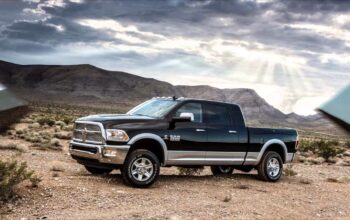
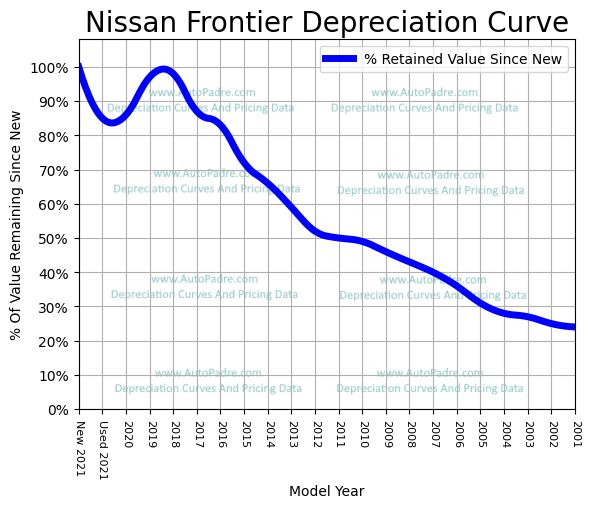
The Nissan Frontier has carved a niche in the midsize pickup segment, blending rugged reliability with affordability. Like all vehicles, it experiences depreciation—a decline in value from its initial purchase price. However, what sets the Frontier apart is the unique trajectory of its depreciation curve, characterized by an initial steep drop followed by a more gradual decline.
This depreciation pattern means that the biggest hit to the vehicle’s value occurs within the first few years of ownership. Traditionally, new vehicles begin losing about 20-30% of their value in the first year alone, and the Frontier is no exception. Following that precipitous plunge, the rate levels out, suggesting relative value stability in subsequent years. This stabilization makes the Frontier an attractive candidate for buyers seeking lasting value beyond the standard new-car ownership experience.

The Nuances of Buying: Long-Term Value and Equity
Opting to purchase a Nissan Frontier involves a certain financial commitment upfront, but it offers the potential for equity build-up and long-term flexibility. Buying means you own the vehicle outright after loan payoff or immediately if paying cash. This ownership transfers residual value back into your pocket, which can be leveraged through resale or trade-in opportunities.
The depreciation curve underscores the importance of timing. Buyers who plan to keep the Frontier beyond the initial steep depreciation years can capitalize on its slower value decline later. This translates into a more cost-effective ownership model over five to seven years, especially compared to financing frequent vehicle replacements.
Moreover, purchasing allows for customization without concern for lease restrictions. Modifications to the Frontier’s rugged frame, performance enhancements, or aesthetic upgrades can enhance personal satisfaction—and if done judiciously, maintain or even enhance resale appeal.
Leasing the Nissan Frontier: Cost-Efficiency and Flexibility
Leasing presents a very different proposition, one that decouples the owner from long-term depreciation exposure. Lease agreements allow drivers to enjoy the newest model of the Nissan Frontier with lower monthly payments, as the lessee essentially pays for the depreciation and use over the term rather than the full vehicle cost.
This arrangement is ideal for individuals prioritizing short-term costs and the ability to upgrade regularly. Leasing shields the driver from the mechanical unpredictability and higher maintenance costs of aged vehicles, often bundled with the benefits of warranty coverage throughout the lease. However, this convenience comes with stipulations—mileage limits, wear-and-tear clauses, and the absence of equity accumulation.
Financially, leasing Nissan Frontiers during peak depreciation years minimizes direct fiscal impact from the steep value loss, aligning cost more closely with actual vehicle use rather than ownership per se. For urban dwellers or those using the truck for light-duty tasks, this can be a shrewd economical choice.
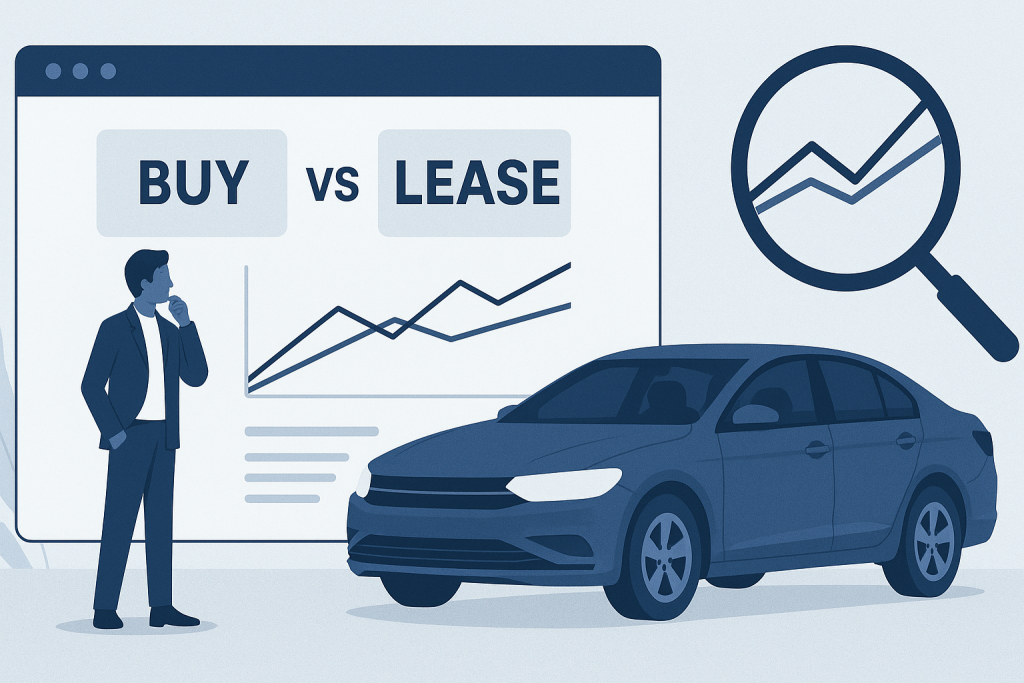
Comparative Financial Implications of Buy vs Lease
Evaluating the total cost of ownership versus leasing requires a holistic view that encompasses depreciation, interest rates, maintenance, taxes, and fees. Buying a Nissan Frontier typically results in higher initial costs but lower cumulative expense if held long enough. Leasing reduces upfront costs and monthly payments but can become more expensive over multiple lease cycles without ever owning an asset.
Depreciation plays a pivotal role here. Vehicle price gap between buy and lease payments often mirrors how quickly the Nissan Frontier loses value. Leasing companies capitalize on this depreciation curve to structure payment plans that aim for financial prudence from their end, while buyers must contend with this factor when reselling or trading. Understanding these intricacies can empower prospective Frontier drivers to tailor their financial plans conscientiously.
Impact of Depreciation on Insurance and Taxes
Ownership type influences more than loan payments and resale value—it also affects insurance premiums and tax liabilities. Depreciation determines the insurable amount and, consequently, the fees associated with coverage. Newer models attract higher premiums due to replacement cost valuations, which gradually adjust downward with depreciation.
Moreover, sales tax frameworks differ markedly between buying and leasing. Buying entails a lump-sum tax based on the entire vehicle price, while leasing spreads tax obligations across monthly payments. Recognizing how depreciation moderates insurance and taxation can further streamline financial expectations.
Strategic Considerations Based on Usage and Lifestyle
Deciding between buying and leasing a Nissan Frontier transcends pure economics. Lifestyle, driving habits, and personal preferences weigh heavily. Buyers who rely on their truck for heavy-duty work or frequent off-roading might prefer ownership to avoid lease penalties related to wear and mileage beyond the contractual limit. Conversely, those who desire the prestige, technology, and advanced safety features available in newer models might find leasing more attractive to stay current.
The Frontier’s depreciation curve lends itself to either strategy, depending on how one aligns vehicle value with anticipated utilization and financial goals. For families or individuals seeking a reliable pickup with enduring value, buying appears advantageous. For trend-conscious drivers with short-term needs, leasing offers a compelling option.
Environmental and Technological Factors Influencing Depreciation
As automotive technologies evolve rapidly—especially in fuel efficiency, electrification, and safety systems—the depreciation of traditional internal combustion engine (ICE) pickups like the Nissan Frontier is subject to new forces. Upcoming environmental regulations and market shifts towards electric vehicles (EVs) could accelerate depreciation rates for gasoline-powered trucks over the next decade.
Buyers must consider this evolving landscape when evaluating long-term value. Leasing mitigates exposure to potential rapid depreciation triggered by technological obsolescence, whereas buying necessitates a thoughtful calculation of risk and reward considering future market trends.
In conclusion, the Nissan Frontier’s depreciation curve is more than just a statistic—it is a compass guiding savvy automotive decisions. Whether choosing the certainty of ownership or the flexibility of leasing, understanding how value erodes over time facilitates not only smarter financial planning but also a satisfying vehicle ownership experience. Armed with these insights, drivers can confidently navigate the crossroads of buy versus lease, tailoring their choices to maximize value, utility, and enjoyment with this sturdy and versatile pickup truck.