The Mitsubishi Outlander has always felt like a clever negotiation between ambition and restraint. It’s the kind of car that doesn’t shout for attention. Instead, it leans in—quietly offering space, practicality, and a value proposition that reads like a well-kept secret. In the 3-row crossover segment, where every seat and every dollar is constantly under scrutiny, the Outlander tries to do something rarer than simply being “good.” It tries to be complete.
Think of the Outlander as a Swiss Army knife on four wheels: not every tool is the most exotic, but the set is cohesive. You don’t buy it for one moment. You buy it for the long arc—school drop-offs, weekend detours, family road trips, and the everyday errands that quietly become the real story of ownership.
Below is a value-focused review of the Mitsubishi Outlander, with a spotlight on its 3-row appeal and the unique charm that makes it feel less like a compromise and more like a plan.
Design and Presence: The Calm Confidence of a Utility Shape
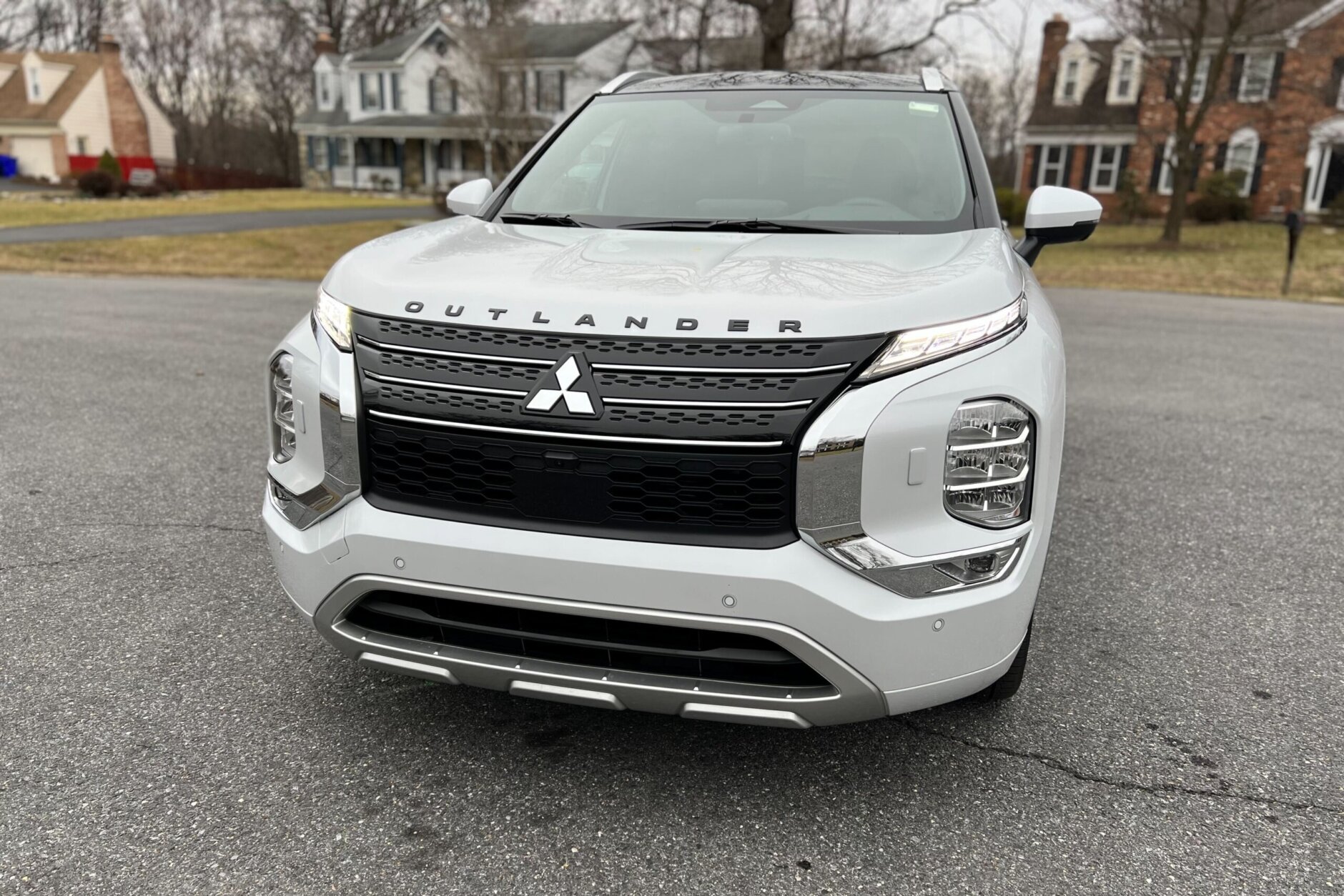
From a distance, the Outlander doesn’t chase automotive theatrics. Its exterior styling is composed, almost architectural. You notice the proportions first: a balanced stance that promises room without pretending to be something it isn’t. The result is a vehicle that looks ready for errands and capable for escapes, like a sturdy suitcase that still feels stylish even after years of travel.
Up close, the materials and details align with the philosophy of “purpose first.” In this class, that’s not a drawback—it’s a kind of honesty. The Outlander’s design language suggests durability, not fragility. It’s the visual equivalent of a well-organized garage: nothing is flashy, but everything is where it should be.
3-Row Layout: Space as a Lifestyle, Not a Feature
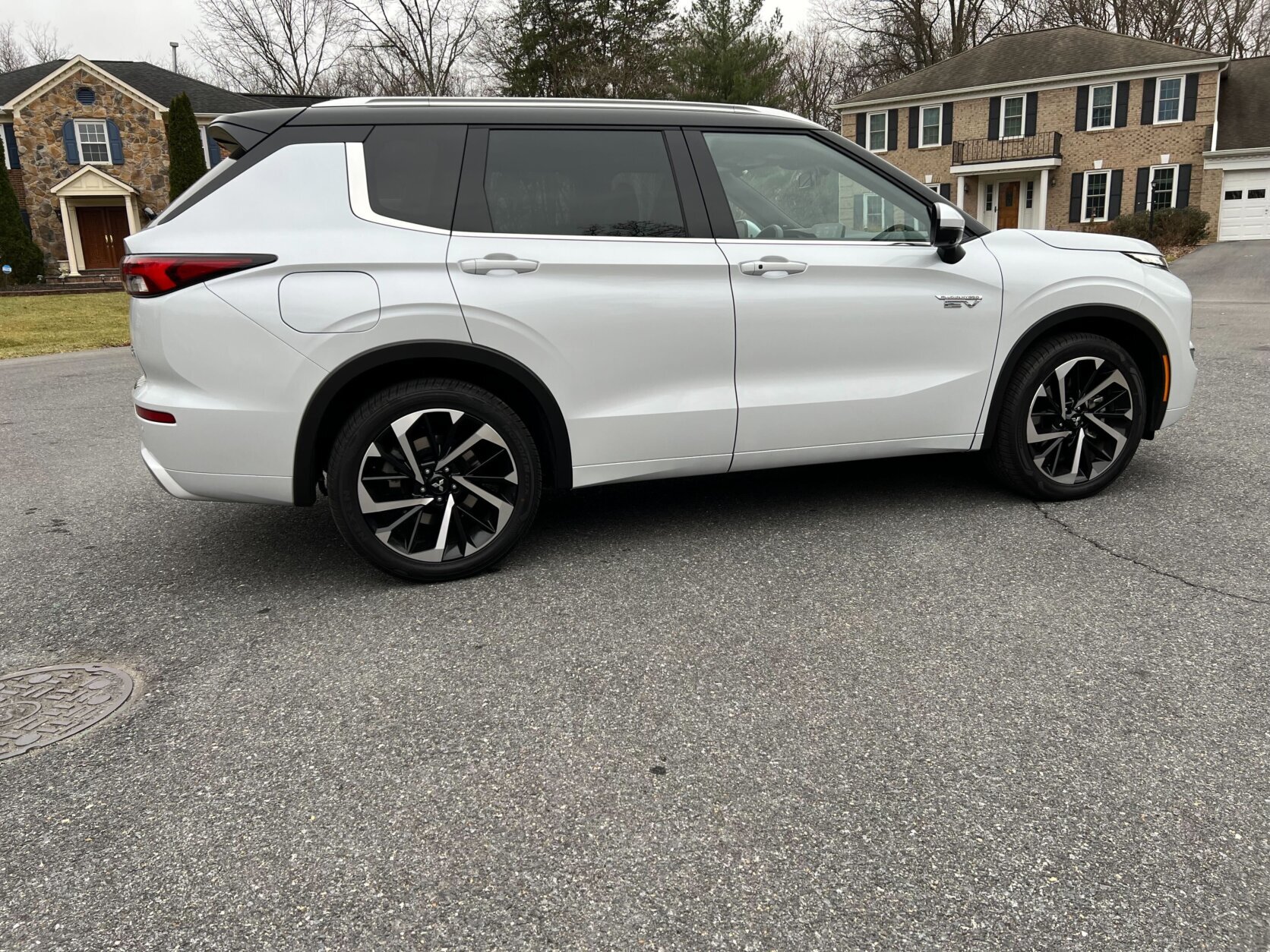
The defining question for any 3-row crossover is simple: will it work when life gets complicated? The Outlander’s 3-row setup aims to make family logistics feel less like arithmetic and more like flow. With the third row folded, cargo space becomes an accommodating pocket for groceries, sports gear, and luggage. With it in use, the car shifts from “carrier” to “companion.”
Third-row comfort won’t always match dedicated minivan proportions, but the Outlander’s arrangement is designed to reduce the usual penalties. Seat access is predictable rather than awkward. Headroom and legroom feel intentionally planned rather than incidental. This matters because the third row isn’t only for “occasionally.” It’s for those moments when you actually need it—when plans expand, guests arrive, or the group grows by one more than expected.
Picture the 3-row system like a folding bridge. In the moment you need it, it’s there, stable and usable. It’s not the longest span in the world, but it carries weight reliably.
Interior Comfort: A Cabin That Feels Practical, Not Penalizing
Step inside and the Outlander continues the theme: a cabin built around usability. Controls are positioned with a driver’s perspective in mind. The seating arrangement supports both short trips and longer drives without turning your back into a negotiation.
Cabin storage is another quiet strength. Compartments, door pockets, and cup holders don’t feel like afterthoughts. They behave like a system that anticipates the messiness of everyday life—receipts, chargers, snacks, water bottles, and those small items that multiply without permission.
The upholstery and trim choices lean toward comfort and resilience. This is the kind of interior that can handle real use. That may sound mundane, but in a family vehicle, mundane reliability becomes luxury.
Infotainment and Technology: Navigating Without Drama
Technology in the Outlander doesn’t come off as a gadget parade. Instead, it plays a functional role—keeping you connected and informed while still letting the drive stay the focus. The infotainment setup is built for everyday readability, quick access, and straightforward operation.
For road trips, the appeal is what isn’t frustrating. Responsive menus, clear displays, and connectivity that feels dependable reduce mental overhead. It’s not about novelty; it’s about momentum. The car stays in the background where it belongs, like a steady metronome for your journey.
Performance and Efficiency: A Calm Engineered Balance
The Outlander’s driving character is tuned for balance. It aims to feel composed in normal traffic, confident on merging lanes, and stable during highway stretches. You get a drive that doesn’t demand attention at every turn. That’s valuable for daily life, where the goal is not to become an amateur racing analyst—it’s to arrive without fatigue.
In models like the Outlander PHEV, the engineering philosophy becomes even more intriguing. The vehicle can be thought of as a two-mode thinker: part of the time it operates with the quiet thrift of electrification, and part of the time it behaves like a conventional crossover when conditions require it. That flexibility can translate to meaningful savings depending on your routine. Commuters can treat city miles like low-friction chess moves—careful, efficient, and surprisingly satisfying.
In this segment, efficiency isn’t just a number. It’s the difference between planning around gas stops and planning around memories.
Safety and Driver Assistance: Confidence, with Guardrails
Safety systems matter most when you’re not thinking about them. The Outlander’s suite of driver-assistance features is designed to reduce workload and help prevent common incidents—lane drift, inattentive gaps, and slower reaction times that happen to everyone.
Think of these technologies as a discreet second set of eyes. They don’t replace driving, but they act like friction reducers. In busy commutes, that can feel like a subtle cushion. On long drives, it becomes an ongoing reduction in stress.
Value Proposition: The Outlander’s Real Superpower
Value is more than price—it’s the ratio between what you pay and how many real-life situations the vehicle can handle. The Outlander’s 3-row structure is the cornerstone of that value. Instead of forcing you to compromise between size and budget, it delivers a practical family footprint without turning the wallet into a casualty.
Maintenance and ownership costs also tend to fit the expectation of this category. Reliability, parts availability, and everyday drivability create a sense of ownership that feels steadier than the segment average. This isn’t a car that asks for constant vigilance. It’s a vehicle that keeps its promises.
In other words, the Outlander behaves like a long-term lease on convenience. You’re not just buying transportation. You’re buying a routine that runs smoothly.
Who It’s For: The Family Planner, the Weekender, and the Practical Romantic
The Mitsubishi Outlander makes the most sense for drivers who want room and versatility without turning the vehicle purchase into a financial crisis. It suits growing families, riders who frequently shuttle friends, and anyone who wants third-row capability for those “we should bring everyone” days.
It’s also appealing to people who appreciate subtle engineering character. The Outlander doesn’t chase trend-chasing. It supports a more grounded philosophy: choose the right space, then use it.
If your lifestyle is a tapestry of weekday tasks and weekend freedom, the Outlander becomes a dependable loom.
Final Verdict: A Value 3-Row Crossover with Quiet Momentum
The Mitsubishi Outlander Review ultimately reads like a study in purposeful steadiness. Its 3-row crossover design addresses the practical realities of family movement—space, comfort, flexibility—while preserving a value-forward mindset. The cabin feels usable. The technology feels livable. The drive feels composed.
More than anything, it carries itself like a plan you can trust. Not flashy. Not fragile. Just capable—an efficient blend of utility and confidence that makes the everyday feel a little more manageable and the big trips feel a little more possible.
If you’re looking for a 3-row crossover that treats value as more than a marketing phrase—an SUV that meets you where life happens—the Outlander is ready to step into the role.