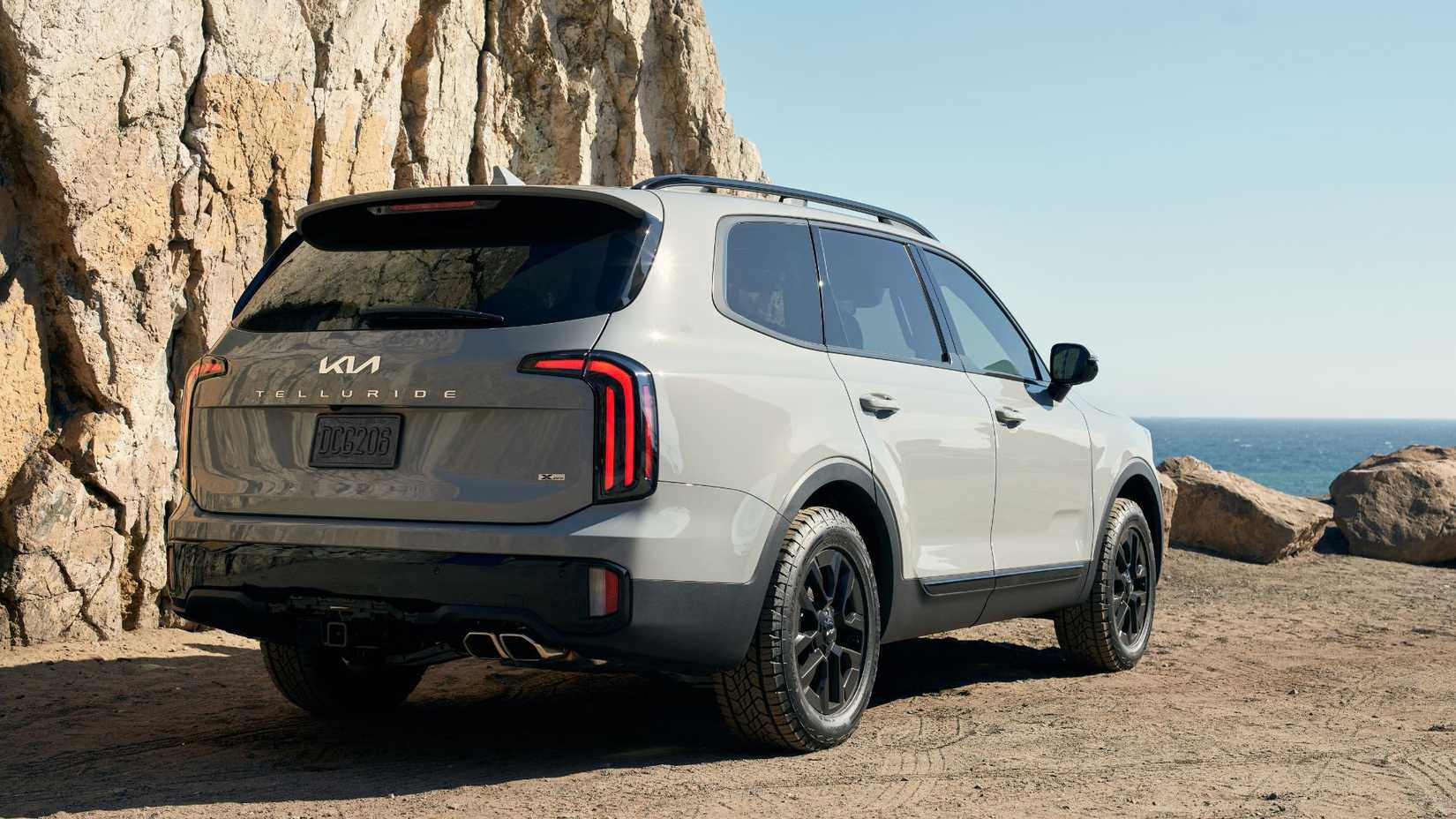
The Kia Telluride has long been a lesson in confident space—three rows that feel less like an afterthought and more like a promise. Yet the automotive world is changing its accent. Hybrids are no longer whispered about in the margins; they’re discussed at the center of the conversation, where efficiency meets convenience and where powertrains evolve faster than design trends. The idea of a Kia Telluride Hybrid turns that familiar formula into something more intriguing. Not simply a new engine, but a shift in perspective—one that asks what “family-ready” really means when the road begins to demand less fuel and more intelligence.
So what do we actually know so far? The answer is a mosaic: signals from the industry, patterns in how Kia approaches electrification, and the kind of visual language that typically precedes a deeper reveal. What’s certain is the direction of travel. What’s unfolding is the story behind the traveling itself.
Why a Telluride Hybrid feels inevitable
Large SUVs have always walked a tightrope: they must satisfy space requirements, towing expectations, and the emotional needs of drivers who want confidence on every merge. But modern regulations and consumer priorities have changed the math. People still want room; they just want it with a lighter environmental footprint and fewer trips to the pump.
The Telluride’s appeal makes it an ideal candidate for hybridization. It already speaks the language of practicality. A hybrid version, then, becomes more than a powertrain upgrade—it becomes an argument that efficiency can coexist with presence. That’s the promise that piques curiosity: not that the Telluride will be “different,” but that it will be better aligned with how families actually move—commutes, errands, school runs, and weekend detours that stretch across multiple climates.
Design continuity: evolution rather than reinvention
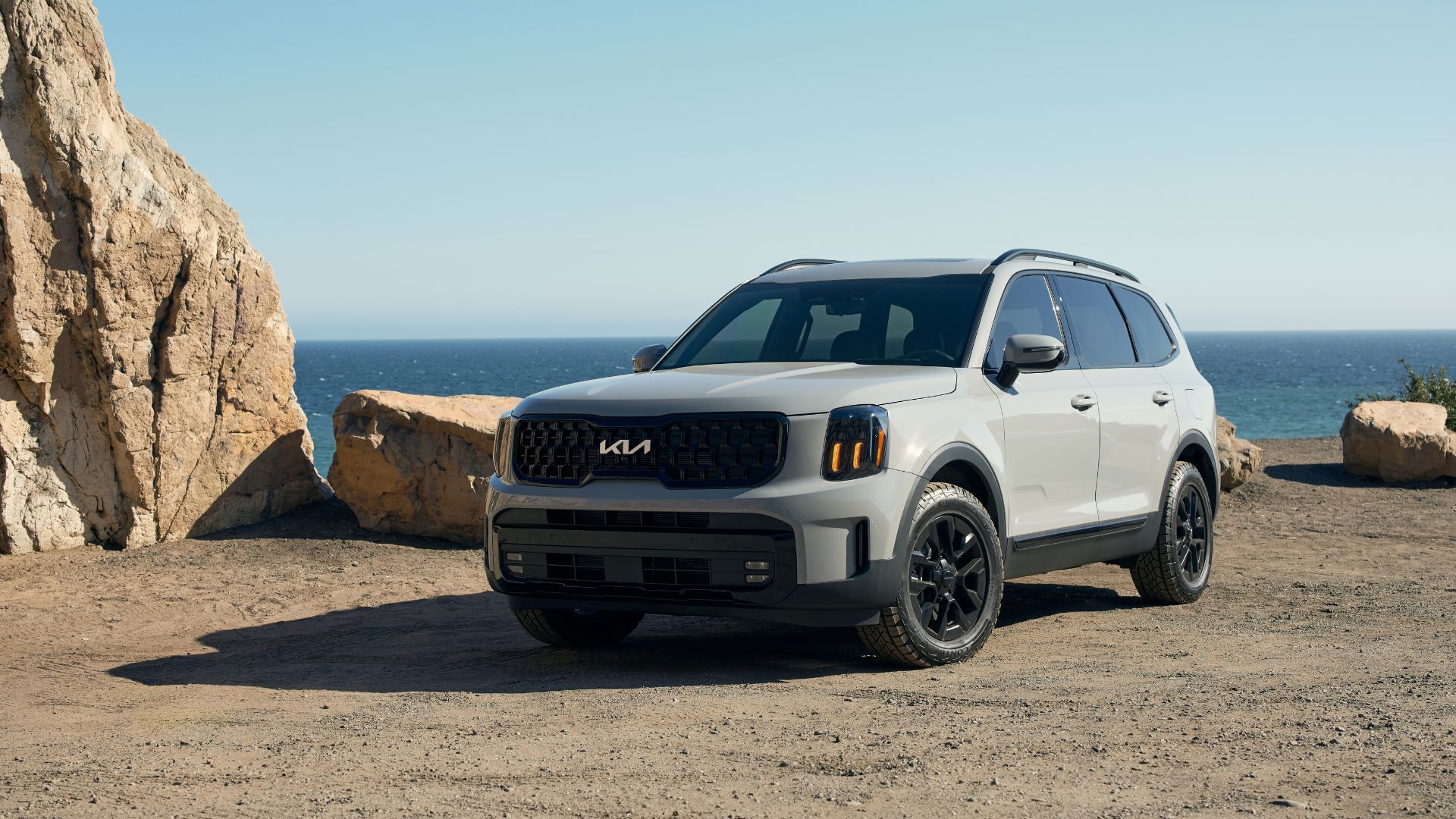
A hybrid model rarely needs a dramatic external overhaul to be credible. Usually, the changes are subtle—quiet visual cues that suggest internal transformation. Expect the Telluride’s signature shape to remain intact: the bold front fascia, the purposeful stance, and the way the cabin layout is designed around real-life use, not showroom fantasies.
Look for hybrid-specific details that may appear as refined styling: updated lighting elements, revised badging, and aerodynamic improvements that support efficiency. The goal isn’t to shout “electrified.” It’s to whisper “optimized.” That distinction matters. It preserves the Telluride’s recognizable identity while allowing the hybrid version to feel purposeful rather than temporary.
Performance with a different cadence
Traditional engines deliver power in a familiar rhythm—accelerate, climb, coast. Hybrid systems, by contrast, often bring a new cadence: electric torque that arrives with immediacy, smoother transitions between power sources, and a driving experience that can feel both relaxed and alert.
The most compelling aspect of a Telluride Hybrid isn’t raw acceleration claims alone. It’s what the hybrid architecture can do for everyday dynamics. Think about stop-and-go traffic where the engine doesn’t need to constantly restart. Think about hill climbs where the electric portion can bolster torque. And think about the way a hybrid can make long trips feel less like labor.
There’s also the psychological effect of refined responsiveness. A vehicle that feels composed at low speeds can make the whole driving day feel lighter. That’s not a minor detail—it’s a perspective shift, one that changes how a driver interprets effort.
Fuel economy expectations (and why they matter beyond numbers)
Fuel economy is the headline metric, of course. Yet its real value is broader. Better efficiency can reduce overall operating costs. It can also make long-distance travel less stressful—fewer fueling stops, more predictable routes, and a calmer relationship with planning.
Hybrids also tend to shine in urban and suburban driving where traffic cycles repeatedly interrupt momentum. A Telluride Hybrid would ideally translate that advantage into scenarios families actually face: school drop-offs, errands with unpredictable timing, and commutes that feel longer than they should.
But there’s another layer. Efficiency isn’t just about the fuel burned. It’s about thermal management, system durability, and the engineering discipline behind how power is allocated. A hybrid powertrain is a choreography. When it’s done well, you don’t notice the complexity—you only notice the ease.
Battery and charging: the practicality question
Hybrid strategies come in different forms, and the details matter. A hybrid can be designed primarily for regenerative efficiency without frequent external charging. Alternatively, a plug-in hybrid approach would introduce a new routine: charging at home or work, then enjoying enhanced electric driving for shorter trips.
Either path has implications. A non-plug-in hybrid emphasizes convenience and simplicity. A plug-in hybrid emphasizes flexibility—using electric power for certain legs of the journey and switching to hybrid operation when longer range is needed.
The curiosity here is simple: which philosophy will Kia choose for the Telluride? For families, the “right” answer is the one that fits lifestyle patterns. A vehicle should not demand a complicated relationship with electricity. It should invite one.
How it could affect towing and real-world capability
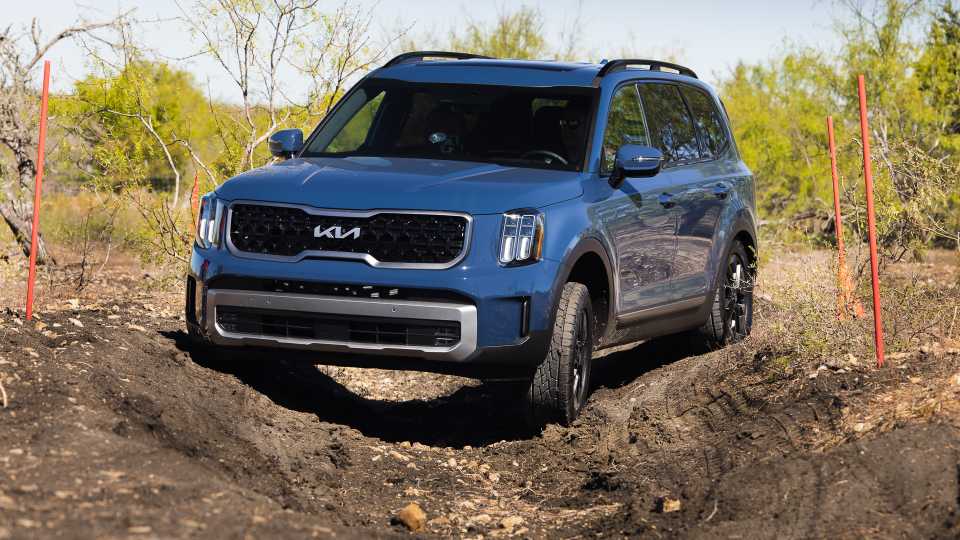
For a three-row SUV, capability isn’t theoretical. It’s the weekend, the trailer, the packed road trip, and the occasional need to move something heavy without drama. A Telluride Hybrid must preserve the practical confidence drivers buy the model for.
Hybrid systems introduce additional considerations—weight distribution, component placement, and how power is managed under load. Yet manufacturers often engineer these systems to keep towing performance competitive within the class.
What would be most reassuring is a hybrid powertrain that doesn’t “feel” weaker when it matters. Drivers don’t want to think about the battery’s state of charge while merging uphill. They want seamless transitions and predictable output. That’s where a well-tuned hybrid becomes more than efficient—it becomes trustworthy.
Cabin experience: quieter travel, smarter control
Hybrid powertrains can bring an unexpected benefit: cabin quietness, especially during slow-speed driving or gentle acceleration. Less engine noise can make the cabin feel more refined—like the vehicle is protecting your attention rather than competing for it.
There’s also the “brain” factor. Hybrid vehicles typically rely on more sophisticated control strategies to decide when to use electric power, how to harvest energy through regenerative braking, and how to optimize efficiency across changing terrain. That logic can make the vehicle feel smoother and more intuitive.
The likely direction is a Telluride that remains family-focused but adds a layer of sophistication—less mechanical harshness, more natural pacing. Sometimes that’s the difference between a car you tolerate and a vehicle you enjoy.
Technology and driver-assist: where electrification meets anticipation
The hybrid version may also arrive alongside evolving infotainment and driver-assistance features. While those technologies aren’t exclusive to hybrids, automakers frequently bundle improvements around major model updates. The result can be a Telluride Hybrid that feels like a step forward in safety, convenience, and connectivity.
Expect seamless integration: clearer navigation, more responsive interfaces, and driver-assist systems designed to reduce fatigue—especially during long trips. The goal isn’t novelty. It’s relief. When a vehicle helps you stay oriented, it changes how you experience distance.
The shift in perspective: from fuel to flow
At the heart of the Telluride Hybrid concept is a philosophical pivot. The traditional mindset treats fuel use as a necessary cost. The hybrid mindset treats efficiency as a form of flow—energy captured, redirected, and refined through every stoplight and every gentle deceleration.
This is why the curiosity is justified. A hybrid can redefine what “power” means for a family SUV. Power becomes not only what the engine can produce, but what the system can orchestrate across conditions. The Telluride remains the Telluride, yet its inner rhythm could become more elegant.
What to watch for next
As the Telluride Hybrid story develops, attention will likely center on details that shape daily life: powertrain configuration, battery approach, estimated efficiency, and how the vehicle performs under real loads. Drivers will want clarity on charging behavior, drivetrain responsiveness, and how seamlessly the system blends power sources.
Equally important are the signals that often arrive late in the cycle: refined exterior cues, updated trim availability, and the way Kia tunes the calibration to match the Telluride’s character. A hybrid SUV should not feel like an experiment. It should feel like a natural evolution.
Outro: a Telluride that asks for fewer compromises
The Kia Telluride Hybrid isn’t just a new variant; it’s a proposal. A proposal that spacious practicality can become more efficient without becoming less capable, and that the next chapter of family driving can feel quieter, calmer, and more intentionally engineered.
For now, what we know forms the beginning of a narrative rather than a finished blueprint. But even that beginning is persuasive. It suggests a vehicle built for the moments that matter most—commutes that don’t drain patience, road trips that don’t inflate costs, and everyday errands that feel effortless. If the Telluride Hybrid delivers on its promise, the shift in perspective will be undeniable: the journey won’t just be powered. It will be managed.