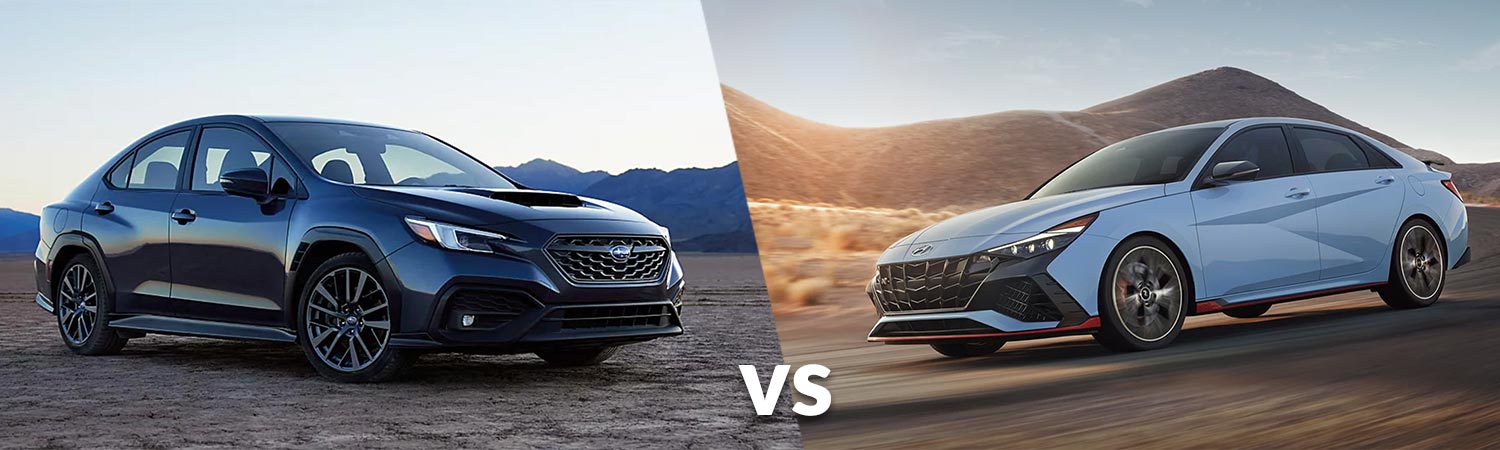
The moment you step into the world of performance sedans, one question tends to echo in the background: should you go with the sharp-edged charm of the Hyundai Elantra N, or the time-tested aggression of the Subaru WRX? On paper, both arrive wearing the badge of “enthusiast.” In practice, they feel like two different philosophies of speed—one engineered to feel surgical and quick to respond, the other tuned for confident traction and a rally-bred kind of composure.
It’s a common observation that the Elantra N and the WRX seem to be chasing the same audience: drivers who want daily usability but refuse to drive like everyone else. Yet the fascination runs deeper than spec sheets. These cars don’t merely compete; they tempt. They pull at different instincts—some drivers crave a more immediate, thermally efficient kind of enthusiasm. Others want the steady confidence of a platform that’s been chasing loose surfaces for decades.
This showdown isn’t just about which sedan is faster in a straight line. It’s about why each one feels irresistibly alive. Let’s walk through the machinery, the character, and the subtle reasons these models keep appearing in conversations long after the test drive ends.
Two Sedans, Two Personalities: What “Performance” Actually Means
The first thing you notice is how each car frames performance. The Elantra N often feels like it’s reacting to your intent a fraction sooner. It brings a deliberate sense of immediacy, the kind that makes you lift less, turn earlier, and trust that the next input will be rewarded. Short bursts feel electrifying. Long pulls feel controlled.
The WRX, meanwhile, carries performance as a form of stability. It’s not simply about speed—it’s about traction you can lean on. Even when the road turns chaotic, the WRX’s relationship with grip can feel almost reassuring, like a co-pilot who knows exactly how much to hold back. That confidence can be addictive on wet pavement, cold mornings, and every commute that secretly wants to become a spirited drive.
Underneath both impressions is a truth enthusiasts often overlook: “fast” is not a single sensation. It’s a blend of throttle response, chassis balance, steering behavior, and the way the car manages heat, load, and grip as the drive unfolds.
Engine Energy and Throttle Behavior: The Feel-Good Gap
Power numbers matter, but the throttle signature matters more. The Elantra N tends to invite aggressive inputs without demanding ceremony. It’s a car that encourages cadence—tap, hold, shift focus, and then repeat. There’s a certain mechanical clarity in the way it gathers pace, and it often makes drivers feel like they’re steering with their feet, not just their hands.
The WRX approaches energy differently. Its personality is more layered, especially when you’re pushing through corners. You may feel the engine working with traction systems and drivetrain logic, smoothing power delivery into something cohesive. It’s less “snap” and more “push”—a steady insistence that keeps pulling when you want it to keep pulling.
One deeper reason for the fascination is how each engine communicates with the driver. The Elantra N tends to speak in sharper sentences. The WRX speaks in paragraphs—more gradual, more reflective, but often more satisfying once you’re fully engaged.
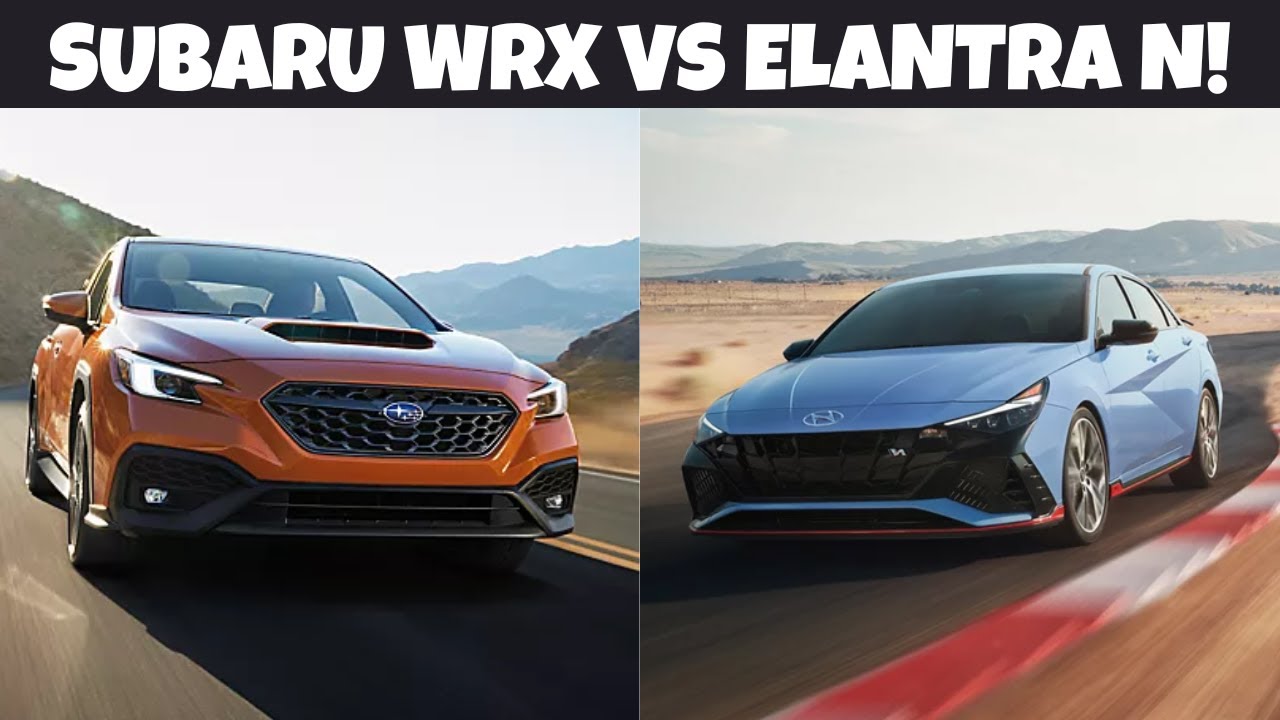
All-Wheel Drive vs. Traction Strategy: Grip Is a Philosophy
Many comparisons boil down to a simple question: which car delivers better traction? But that’s only the visible tip. The deeper story is how each vehicle handles the entire journey from drivetrain to tire contact patch. The WRX’s all-wheel-drive character can create a feeling of predictable traction, especially under acceleration while exiting corners. It’s the kind of system that can make power feel less like a gamble.
The Elantra N’s traction approach can feel more dynamic—less about constant distribution and more about tuning the car’s response to weight transfer and driver input. It often feels “eager,” and in spirited situations that eagerness can be profoundly entertaining. It may demand slightly more finesse, but it also provides a rewarding sense of engagement, like you’re shaping the outcome rather than simply benefiting from it.
Enthusiasts often develop loyalty not because one car is objectively superior, but because one fits their preferred rhythm. Some drivers want to exploit traction confidently. Others want to orchestrate it.
Transmission and Shifting Character: How Enthusiasm Gets Translated
Shifting is a language. Even when you’re using an automatic or a performance-oriented setup, the car’s behavior communicates intent. The Elantra N often feels like it’s designed for quick decision-making, with shifts that don’t interrupt momentum in a way that breaks the flow. Short trips across gears feel brisk, and the overall experience can feel like a well-edited sequence.
The WRX, with its rally-bred heritage, carries a shifting identity that many people instantly understand: it’s mechanical, direct, and built for repeatability. The sensation of getting into the powerband and keeping it there can be a kind of reassurance. The WRX can make you feel like you’re building speed brick by brick, rather than sprinting between highlights.
That difference becomes a fascination magnet. Drivers don’t just buy performance—they buy the emotion of repetition, the confidence that the next run will feel similar to the last.
Braking and Corner Confidence: The Quiet Triumphs
Braking is where performance sedans reveal their true priorities. Fast cars that don’t slow well can feel nervous. The Elantra N typically emphasizes braking response and pedal confidence, which contributes to that “turn in and commit” feeling. When the car slows predictably, you can brake later without fear. That translates into faster lap potential, but it also makes everyday driving feel more composed.
The WRX’s braking character tends to align with its traction strengths. With the ability to keep pulling under varying conditions, it becomes easier to trust the entire chassis in transitions. When you combine confident deceleration with stable cornering behavior, the result is a performance sedan that feels like it’s willing to keep up—whether the road is dry and smooth or damp and slightly unpredictable.
Quiet triumphs matter. The best performance cars don’t just look exciting. They behave like tools: consistent, reliable, and ready when you ask for more.
Chassis, Steering, and Body Control: The Art of Staying Composed
Steering feel is one of those topics enthusiasts argue about as if it were science, and yet it’s deeply emotional. The Elantra N often communicates front-end behavior with a lively immediacy. The car can feel eager to rotate, and it rewards drivers who enjoy making the car do what they planned. Body control becomes part of the drama, not merely a background requirement.
The WRX tends to cultivate balance through poise. Even when you push hard, it often feels like it stays within a framework of stability. The chassis can feel less “twitchy” and more “certain,” which makes it easier to build confidence mid-corner. That reliability can be especially appealing to drivers who want performance but don’t want to feel like the car is demanding constant attention.
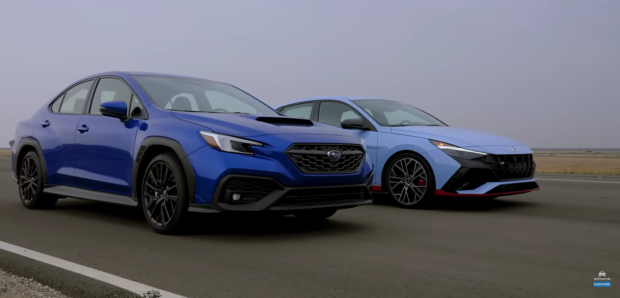
Daily-Drive Usability: The Seduction of Practical Speed
Here’s the twist: both cars are built to live with you. That matters because a “performance sedan” that can’t survive daily life becomes a weekend artifact. The Elantra N often feels friendly in normal driving—easy to manage, quick to switch modes, and entertaining without requiring you to be constantly on guard. The cabin experience can feel modern and intentionally sporty.
The WRX is similarly approachable, but it delivers usability with a different mood. It’s the sort of car that feels ready for variable weather and unpredictable roads. That ability can make the WRX feel more versatile than its performance label suggests.
The fascination deepens here: people don’t just want speed. They want a car that turns routine miles into small moments of anticipation.
Sound, Personality, and the Psychology of Driving
Performance sedans are also theater. The Elantra N often leans into audible character, adding a sense of occasion to acceleration. Even if you’re not chasing lap times, the feedback can make you want to drive it longer, just to feel the rhythm again.
The WRX offers a different kind of auditory satisfaction—less about manufactured drama and more about a textured mechanical presence. It feels grounded in heritage, and that emotional weight can matter as much as horsepower.
Why do these cars keep pulling attention? Because sound and feel create memory. A test drive becomes a story you retell, and the next time you see one on the road, that story wakes up.
Reliability, Ownership, and the Long Game
Enthusiasts often remember the first smile, but they eventually evaluate the long game. Ownership includes maintenance costs, parts availability, and the general durability of components under spirited use. Both models are designed to be driven hard, but they may ask for different habits. Heat management, tire wear, and brake demands can vary dramatically based on driving style.
The deeper reason this comparison remains compelling is that it forces buyers to choose what kind of relationship they want with their car. Some want maximum immediacy and playful engineering. Others want a more traditional performance structure with traction-first confidence.
So Which One Wins? A Choice of Instincts
If you crave a performance sedan that feels reactive, quick to respond, and eager to turn every drive into an event, the Elantra N is likely to feel like a match. It’s engineered to encourage spirited input, and its overall character tends to reward confidence.
If you value stability under power, traction-first confidence, and the comfort of a system built for varied conditions, the Subaru WRX often wins hearts. Its rally-bred mindset translates into a confident driving experience that can feel reassuring even when roads get complicated.
Ultimately, the “winner” isn’t purely about who covers the quarter-mile faster. It’s about which car makes you feel most connected—whether through immediacy, composure, or the satisfying logic of how power reaches the ground.
Outro: The Allure That Keeps the Debate Alive
The Elantra N vs. WRX showdown endures because both cars offer more than speed. They offer identity. They turn performance into a personal ritual: choosing a mood, selecting a route, and letting the drivetrain and chassis do their part. One day you might want the surgical energy of the Elantra N. Another day you might want the traction-rich confidence of the WRX.
And that’s the deeper fascination—these cars don’t just compete in specs. They compete in the driver’s imagination. They promise that every drive can become a little more vivid, a little more deliberate, and a lot more fun.