In 2025, choosing between gas, electric, and hybrid vehicles feels less like picking a single “winner” and more like selecting the right operating system for your life. Your commute, charging access, budget rhythm, climate, and even how you think about maintenance all tug the decision in different directions. A gas car can feel effortlessly familiar. An electric car can feel like a new way of moving through the world—quieter, cleaner at the tailpipe, and governed by battery realities. A hybrid often plays the diplomat, negotiating between two power sources when conditions are unpredictable.
What makes sense in 2025 is rarely universal. Instead, it’s contextual. The question becomes: which drivetrain best harmonizes with your daily patterns and your long-term risk tolerance—financially, practically, and environmentally?
Why 2025 Is a Different Conversation Than Earlier Years
The drivetrain debate has shifted. Earlier arguments often centered on whether electric cars were “good enough.” Now the conversation is more nuanced: range confidence, charging time tolerance, electricity pricing, local infrastructure, and the evolving economics of ownership. Hybrids, meanwhile, have matured from novelty into a sensible bridge—particularly for households that can’t reliably charge at home.
In 2025, readers also expect more than a simple comparison table. The best content explains trade-offs with specificity: what happens on cold mornings, during highway treks, or when a road trip schedule collides with a slow charger. The right choice is still yours—but the map to that choice is clearer than ever.
The Gas Car: Familiarity, Flexibility, and Known Maintenance Rhythms
A gas vehicle remains the baseline of convenience. Refueling is quick, predictable, and broadly accessible. You can add fuel while grabbing groceries, and most owners never need to think about power delivery curves, connector types, or charger availability.
From a maintenance perspective, gas cars follow a well-worn script. Oil changes, filters, spark plugs, belts—these are routine expectations rather than surprises. That predictability can be comforting, especially for drivers who prefer mechanical legibility over technology-dependent troubleshooting.
There is also a psychological advantage in how gas cars handle uncertainty. If you forget to plan a route or you deviate from the schedule, the system still works. Gas does not require charging appointments, and it tolerates erratic driving patterns with fewer “battery management” constraints.

Still, gas comes with trade-offs. Fuel prices can be volatile, and tailpipe emissions remain a persistent drawback. Over time, a gas-only purchase can feel like betting on continuity in energy markets—something that may or may not align with your long-term priorities.
The Electric Car: Efficiency, Quiet Power, and Battery Reality
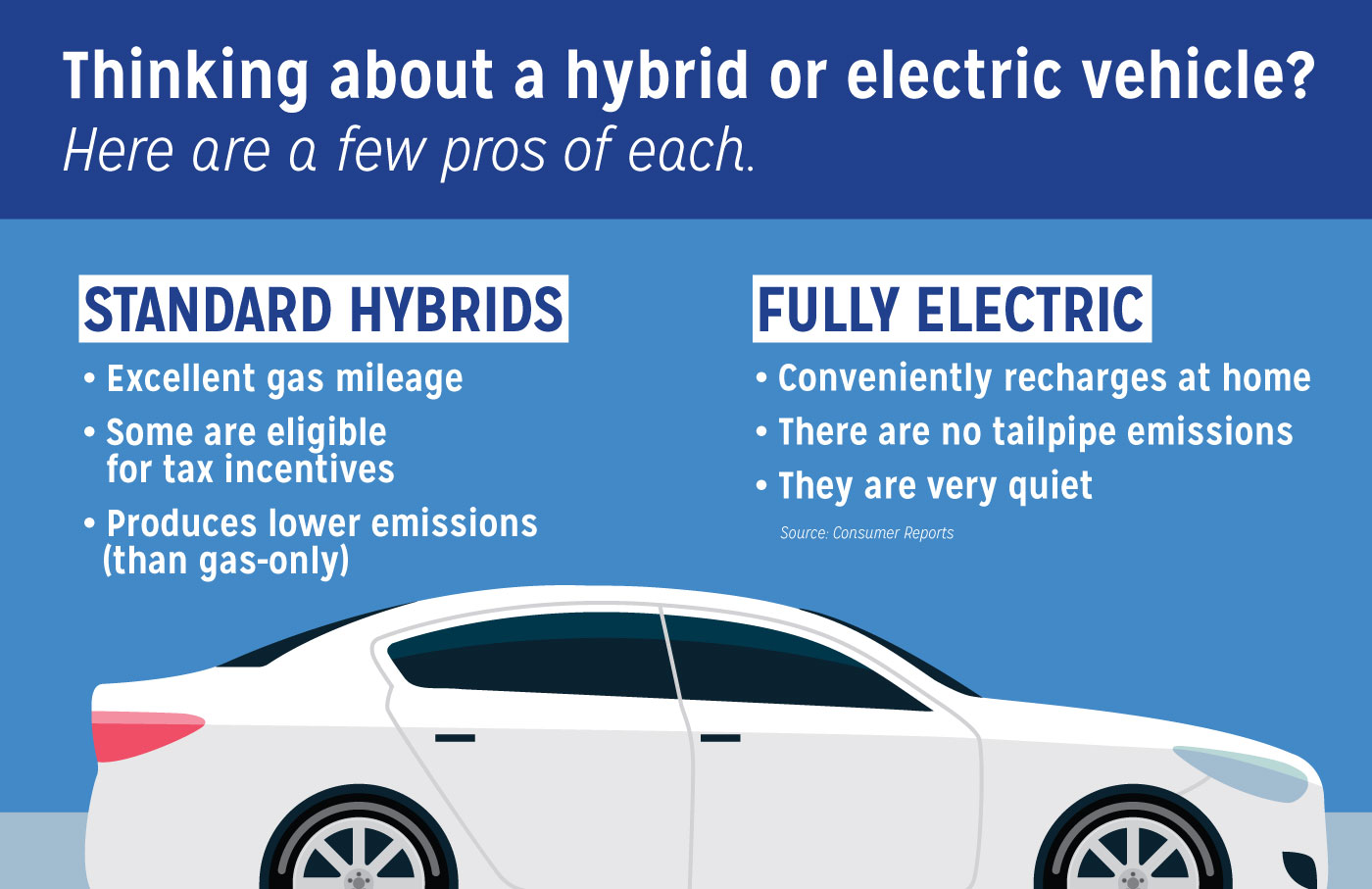
Electric vehicles (EVs) offer a distinct kind of motion: instant torque, smooth acceleration, and a near-silent cabin that turns commuting into a less stressful ritual. Their efficiency is also a strong point. In simple terms, less energy is wasted between the wall and the wheels compared to combustion-based systems.
But EV ownership in 2025 is a relationship with infrastructure. Charging can be easy—if you can charge at home. Home charging transforms daily use into a mostly invisible process. Plug in overnight, wake up full, and let electricity do its quiet work.
For those without home charging, the calculus changes. Public charging networks can be excellent in some regions and inconsistent in others. Even when chargers exist, variability matters: speed, availability, payment friction, and the time you’re willing to spend waiting.
Range expectations also deserve careful interpretation. Manufacturers often cite impressive numbers under ideal conditions. Real-world range shifts with temperature, driving speed, elevation, and weather. Cold weather can reduce effective range by stressing the battery and warming the cabin. Long highway drives may convert a “promised” range into a more conservative one.
Battery degradation is another theme readers should understand in plain language. Batteries generally retain capacity, but the rate of change depends on temperature management, charging habits, and how often you run near empty or frequently charge to maximum limits. Many modern EVs include sophisticated thermal systems, yet habits still influence longevity.
The Hybrid: The Middle Path With Momentum
Hybrid cars—especially in 2025—are designed for drivers who want reduced dependence on fuel without fully committing to charging logistics. The classic advantage is flexibility. Hybrids can use an electric motor at lower speeds or during stop-and-go driving, while the engine can kick in when additional power is required or when the battery needs replenishing.
This makes hybrids particularly compelling for mixed commuting. If your day includes short trips, traffic lights, and frequent stops, the electric assist can lower fuel consumption. If your route extends into highway territory, the engine helps maintain progress without forcing charging stops.
However, hybrids aren’t “free efficiency.” They often deliver better fuel economy than gas cars, but not at EV-level efficiency. The trade-off is that you don’t have to manage charging the way you would with a battery-electric vehicle. It’s a form of operational convenience—like having a spare tool in the trunk rather than building a whole workshop at home.
Hybrid complexity is worth mentioning. There are more components than a gas-only car: battery packs, power electronics, and sometimes regenerative braking systems with distinct behavior. That doesn’t automatically mean higher risk, but it does mean the service ecosystem matters. Choose brands and models with strong dealer support and a clear maintenance plan.
Ownership Costs: Fuel, Electricity, Depreciation, and the Shape of Your Budget
To decide which drivetrain makes sense, many readers need a budget narrative rather than a spreadsheet. Gas costs tend to be straightforward: a recurring spend tied to miles driven and current fuel prices. EV costs split into electricity rates, charging efficiency, and sometimes public charging premiums.
Electricity pricing can vary dramatically based on region and time-of-use plans. Some households can charge primarily at off-peak rates, turning electricity into a surprisingly controlled line item. Others may face higher rates or unreliable charging access, causing EV costs to move around more than expected.
Depreciation is the wildcard in all categories. EVs can experience rapid changes in pricing depending on battery technology, incentives, and market demand. Gas cars can depreciate predictably, but fuel-economy standards and consumer preferences still shift. Hybrids often hold value differently—sometimes benefiting from broad appeal and the absence of “charging barrier” skepticism.
When evaluating costs, consider not just the sticker price, but your tolerance for uncertainty. A gas car may deliver steadier expenses. An EV can deliver lower per-mile energy costs, but requires confidence in charging access and future resale dynamics. A hybrid may sit in between—often with fewer lifestyle constraints.
Where Each Drivetrain Fits Best: Real Life Scenarios
Think in scenarios, not labels.
If your daily life is short-trip heavy and you can charge at home: an EV often becomes the most elegant solution. You start each day with energy already waiting, and regenerative braking recovers some momentum lost in stop-and-go traffic.
If you have long road trips and reliable public charging is uncertain: a gas or hybrid can feel more frictionless. The ability to refuel quickly can outweigh theoretical efficiency.
If you don’t have home charging and you still want electrification benefits: a hybrid frequently makes sense. You gain some electric driving benefits without treating charging like a recurring chore.
If you live in a harsh climate: the decision hinges on heating loads and range behavior. EVs can still work well, but the range and charging time planning must become more intentional. Gas cars avoid battery cold surprises but retain their emissions and fuel volatility.
Charging and Infrastructure: The Invisible Logistics of Electric Ownership
Charging isn’t just hardware—it’s a schedule. Even if you never run out of battery, you still want to understand how charging speed changes with temperature and battery state. Charging to very high levels often takes longer and may be less efficient than charging to moderate percentages.
For home charging, installation considerations matter: outlet capacity, electrical upgrades, cable management, and the safety of long-term use. For public charging, readers should learn to check charger reliability, payment methods, and whether stations are frequently occupied. An EV is easiest to love when charging is boring.
Hybrid owners don’t face this same infrastructure question. Their “charging” mostly happens through regenerative braking and the engine, which keeps logistics simpler—especially for people who dislike planning.
Environmental Impact: Tailpipe Emissions, Upstream Energy, and Practical Hope
Environmental reasoning can become abstract quickly. In 2025, the most grounded approach separates tailpipe emissions from broader energy sources. EVs produce zero tailpipe emissions, but the electricity’s origin influences overall emissions. Cleaner grids reduce the footprint significantly.
Gas vehicles have persistent tailpipe emissions regardless of how efficiently they’re engineered. Hybrids reduce fuel consumption and therefore reduce emissions compared to conventional gas cars, but they’re still not emission-free at the tailpipe.
Many drivers choose based on their “sphere of control.” If you can charge with relatively clean electricity and you value lower local pollution, EVs align strongly. If you want a step toward lower emissions without charging constraints, hybrids can be a practical compromise.
The Content Readers Expect: How to Choose the Right Type of Information
To make a real decision, readers typically need three kinds of content—each with a different purpose.
Guides: These explain how charging works, how hybrids recover energy, and what to expect during cold weather. A good guide reduces anxiety by replacing vague claims with usable advice.
Scenario breakdowns: These map choices to lifestyles: apartment dwellers, suburban commuters, families with road-trip habits, and frequent travelers. Scenario content feels like a conversation, not a lecture.
Ownership narratives: These cover the “day after purchase” reality—how often people actually charge, what maintenance feels like, and where surprises tend to appear. Narratives help readers picture themselves behind the wheel, not just understand specs.
When these three content forms work together, the decision becomes less about ideology and more about fit.
Final Verdict: Which Makes Sense in 2025?
In 2025, the “best” drivetrain depends on how you live. Gas makes sense when you prioritize instant refueling, widespread access, and predictable mechanical routines. Electric makes sense when you can charge reliably—especially at home—and you want efficiency, quiet performance, and reduced tailpipe emissions. Hybrid makes sense when you want electrified benefits without the charging logistics of a fully electric lifestyle.
The most sensible approach is to match the drivetrain to your routines and constraints. Choose based on your commute length, charging access, climate, budget flexibility, and your willingness to plan energy logistics. When the vehicle’s strengths align with your daily rhythm, the decision stops feeling like a gamble—and starts feeling like momentum.