Buying an electric vehicle can feel like stepping into a room where the rules are familiar, yet the lighting is subtly different. The steering wheel may behave the same. The dashboard may still glow with reassuring icons. But beneath the surface, the entire rhythm of ownership shifts—quietly at first, then unmistakably. An EV isn’t only a car. It’s a new way of thinking about electricity, distance, and time.
This guide is designed to provoke that shift in perspective. Not with hype, not with vague slogans, but with practical clarity—so you can choose with confidence and curiosity in equal measure. If you’ve been wondering whether an EV truly fits your life, or you’ve already started comparing models, you’re in the right place.
Start with Your “Real” Driving Profile
Before comparing battery sizes or horsepower, map your life. Not your commute on a perfect day—your commute on the day it’s raining, when the heater is on, when traffic stretches. An EV’s efficiency can be influenced by weather, driving style, speed, and even how much weight you routinely carry.
Write down your typical weekly mileage. Then ask: How many trips are truly short, and how many are occasional long hauls? If your driving is mostly local, you may benefit from the nimbleness of smaller, less expensive EVs. If you regularly cross state lines or rely on infrequent trips that are non-negotiable, prioritize range confidence and fast-charging capability.
Think of range as a budget, not a promise. Some days you spend more; most days you spend less. Understanding how you “spend” will prevent buyer’s remorse and sharpen your decision.
Understand Range: Estimation vs. Certainty
Range numbers are useful, but they are also atmospheric—captured under standardized conditions that rarely match real life. Your actual range may be lower in winter or higher in moderate temperatures, especially if your route favors steady speeds.
To gain real clarity, look for indicators that hint at energy consumption. Pay attention to efficiency ratings, and consider how regenerative braking might help your scenario—particularly if you often navigate stop-and-go traffic. Regeneration can feel like borrowing energy from your own deceleration, returning it when you need it most.
When range is tight, your choices become more deliberate. Charging speed, charger availability, and time windows suddenly matter as much as the car itself.
Charging at Home: The Quiet Superpower
Home charging is where EV ownership often becomes effortless. Plugging in at night transforms electricity into motion while you sleep—an arrangement both practical and oddly satisfying. Many owners describe it as making the act of refueling disappear from their day-to-day routine.
However, home charging isn’t automatically plug-and-play. You’ll want to assess your electrical setup, decide whether you need a Level 2 charger, and consider the placement of charging equipment. Even the length of the cable can shape convenience.
Also, calculate your charging economics. Compare electricity costs, time-of-use pricing if available, and consider incentives in your region. The best savings often come not from guessing, but from understanding your local tariff structure.
For those without home access—such as residents of apartments or shared housing—planning becomes more intentional. It’s still possible to thrive as an EV driver, but you’ll likely rely more heavily on public charging networks.
Public Charging: Learn the Choreography
Public charging is no longer rare, yet it is still uneven. The charger you find may be busy, out of order, or slower than advertised depending on power-sharing. This is why the art of charging is partly technical and partly strategic.
Before purchase, research where chargers are located along your typical routes. Note which networks offer reliable uptime, which stations have multiple stalls, and how often charging occurs during your travel windows. The goal isn’t just availability—it’s reliability.
Familiarize yourself with charging standards and connector types. You should also understand charging curves: many EVs charge quickly at lower percentages, then taper as the battery fills. Translation: the last portion of charging often takes longer, so plan stops with that reality in mind.

Battery Health and Longevity: What Actually Matters
The battery is the heart of an EV, but battery anxiety is frequently overstated. Most modern EVs include thermal management systems and sophisticated battery monitoring. Still, you should understand how to protect longevity through everyday habits.
Avoid consistently charging to 100% when it isn’t necessary. Many drivers use settings that stop at a lower target for routine days. If your vehicle offers a “daily charge” mode, it’s worth using. Similarly, extreme heat or cold can affect performance and charging speed, so preconditioning features—when available—may become more than a luxury.
Range retention over time varies by manufacturer and use patterns. The best defense is predictable, moderate behavior: don’t live at the extremes unless you truly need to.
Electric Costs: The Hidden Spreadsheet
Electric vehicles change more than your garage—they change the numbers you carry around in your mind. Electricity pricing, home charger efficiency, and local incentives can significantly impact your long-term cost.
Consider maintenance savings too. EVs typically have fewer moving parts than internal combustion vehicles, and that can translate into less frequent servicing for certain systems. Still, tires, brake service intervals, and cabin air filters remain part of ownership. Regenerative braking may reduce brake wear, but it doesn’t eliminate the need for brake system checks.
Look at total cost of ownership rather than monthly payment alone. A lower sticker price might be offset by higher insurance costs or reduced efficiency. Insurance, in particular, can vary dramatically based on model, repair costs, and regional pricing.
Performance and Driving Feel: The Torque Surprise
Electric torque arrives quickly. That instant response can feel thrilling—or overwhelming—until your right foot learns the new language. Acceleration may be smooth in one mode and razor-sharp in another.
But performance isn’t just about speed. It’s about how the vehicle handles grades, how confidently it merges, and how predictable it feels when you’re driving with a full passenger load. If you have hills, look at energy consumption under load. If you have frequent highway driving, consider whether the vehicle’s efficiency holds at steady speeds.
Most importantly, test the car in conditions that resemble your own life. A short test drive on a flat road can mislead. A longer drive with realistic stops can reveal whether the vehicle fits your pace.
Technology, Driver Assistance, and Your Comfort with Complexity
EVs often arrive with an ecosystem of software: infotainment, navigation, energy apps, and driver assistance features. These systems can be wonderfully helpful—especially navigation that accounts for charging stops or predicts arrival state-of-charge.
Yet software can also be a moving target. Features may improve through updates, or your preferences may require tinkering. Decide how comfortable you are with screens, menus, and evolving digital features.
If you value simplicity, prioritize straightforward controls and easily understood charging workflows. If you enjoy customization, you may appreciate a richer app ecosystem that offers more granular energy monitoring.
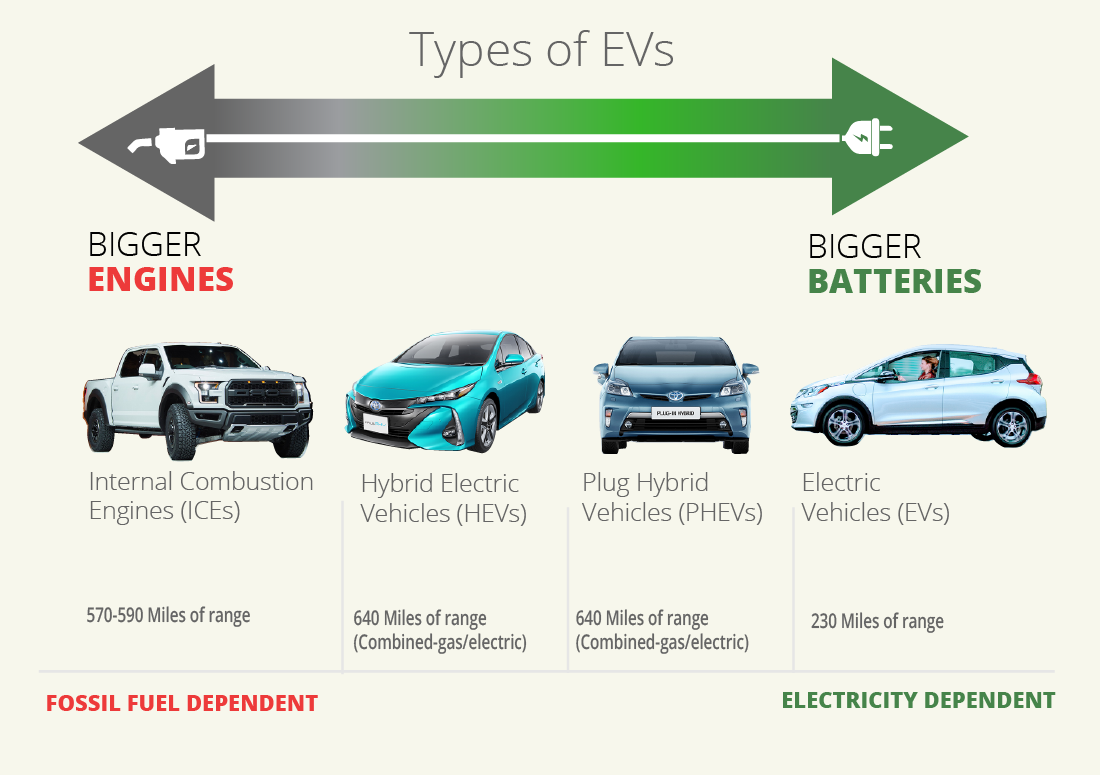
Choosing the Right EV Type for Your Lifestyle
Different buyers want different things from an EV: maximum efficiency, fastest charging, spaciousness, or affordability. Some may prefer a compact footprint to simplify parking. Others may prioritize cargo space for weekend errands and longer trips.
There are also different philosophies within EV design. Some models emphasize aerodynamic efficiency; others lean into performance. Consider what you want to feel every day: serene calm, confident acceleration, or practical flexibility.
When choices multiply, focus on constraints. Your home charging situation. Your charging access along routes. Your typical passenger and cargo needs. Your tolerance for planning. The “right” EV isn’t the fanciest one—it’s the one that harmonizes with your routines.
The Test Drive That Actually Answers Questions
A well-chosen test drive can compress months of speculation into a few clear sensations. Drive at different speeds. Use regenerative braking settings if the vehicle offers them. Try the climate controls—heat and defrost can reveal how the vehicle manages energy.
Also, ask about charging onboarding. The best purchase experience includes guidance on charger setup, recommended charging habits, and the vehicle’s navigation logic. The goal is to leave with certainty, not with questions that will surface only after you’ve signed.
Bring your real expectations: your commute distance, your winter needs, your weekend patterns. The car should meet your day, not your imagination.
Conclusion: Buy with Curiosity, Drive with Confidence
An EV buying decision is less about chasing the newest technology and more about choosing a future-proof routine. When you understand your driving profile, interpret range realistically, plan your charging choreography, and consider long-term costs, the process becomes surprisingly grounded.
Let the shift in perspective happen: from “How far can it go on a single charge?” to “How easily can I live with its rhythm?” When the answer feels right, the purchase becomes more than a transaction. It becomes a quiet upgrade to your everyday life—cleaner, smoother, and unmistakably yours.