What if your weekend plans included a dirt road, a trailhead detour, or a “just a shortcut” lane that turns out to be anything but paved? The thrill of light off-roading is half the fun—and half the test. Crossovers promise practicality for everyday life, yet the real magic starts when you step beyond the curb and let the undercarriage breathe. One of the most reliable predictors of confidence on uneven ground is ground clearance. It’s not a gimmick; it’s the buffer between your tires and the world’s harsher geometry.
So here’s the challenge: imagine you’re rolling toward that scenic overlook, and the road begins to chatter under the wheels—ruts, rocks, and low-slung dips. Which crossover can keep its composure, stay unbothered, and let you “light off-road” without sounding like it’s negotiating every bump?
Why Ground Clearance Matters More Than You Think
Ground clearance is the vertical distance between the lowest part of a vehicle and the ground. In practical terms, it determines how easily a crossover can pass over obstacles without scraping the underbody. But the story doesn’t end with one number. Different crossovers expose different undercarriage components—skid plates, exhaust routing, and suspension geometry. A slightly higher clearance can translate into fewer contact moments, fewer vibrations, and less anxiety when traction gets sporadic.
Think of clearance as your vehicle’s “proximity tolerance.” On polished roads, most cars feel invincible. On broken surfaces, the undercarriage becomes the real personality test. A crossover with stronger clearance also tends to handle approach and departure angles more gracefully, making it less likely to snag when you crest a mound or descend into a shallow wash.
Light Off-Roading Isn’t Extreme—It’s Tactical
Light off-roading isn’t about conquering boulders or crawling at walking pace for hours. It’s about exploring responsibly: gravel lanes, sandy edges, wet trails, uneven parking lots, and the kind of off-road detours that happen when GPS decides to be adventurous. In this realm, ground clearance becomes a deciding factor for comfort and control, not just survival.
What makes the task “light” is your chosen limits. You’re not trying to defeat mud walls. You’re trying to move efficiently over irregular terrain while preserving tire health, maintaining traction, and avoiding high-risk contact with rocks or curb-like ridges.
In other words: clearance helps you keep moving, but technique keeps you from getting stuck.
Search for the Full Package: Clearance + Angles + Tires
Many drivers chase clearance like it’s a lone hero, but the best results come from an integrated setup. A crossover may have respectable clearance, yet still struggle if its approach angle is cramped or its departure angle is timid. Approach angle affects how well the front end climbs onto obstacles. Departure angle determines how smoothly the rear clears dips and ledges.
Then there are the tires. Off-road-ready tires don’t need to be full-blown all-terrain monsters, but they should provide sidewall strength and tread that can bite on loose surfaces. A crossover on more appropriate tires will often feel “taller” even when clearance stays the same, because it resists squirm and maintains grip.
In the end, clearance creates space, but traction creates forward momentum.
How to Read Ground Clearance Claims Like a Pro
Numbers can mislead. One crossover’s published clearance might vary based on wheel size, drivetrain configuration, tire selection, and suspension tuning. Larger wheels can change overall ride height and tire profile; aftermarket modifications can alter the relationship between body and ground. Even trim levels may differ due to suspension calibration or underbody protection.
To evaluate a crossover realistically, look for clues beyond a single measurement. Watch for factory mentions of underbody skid protection, all-wheel-drive capability, and off-road modes. These features often pair with higher clearance or with suspension designed to travel more freely.
A smart question to ask is: “Does this vehicle look like it expects rough roads?” If it includes protective elements under the engine and a stance designed for uneven ground, clearance likely has a purpose rather than being a marketing line.
Spotlight on Crossovers That Tend to Shine for Light Off-Roading
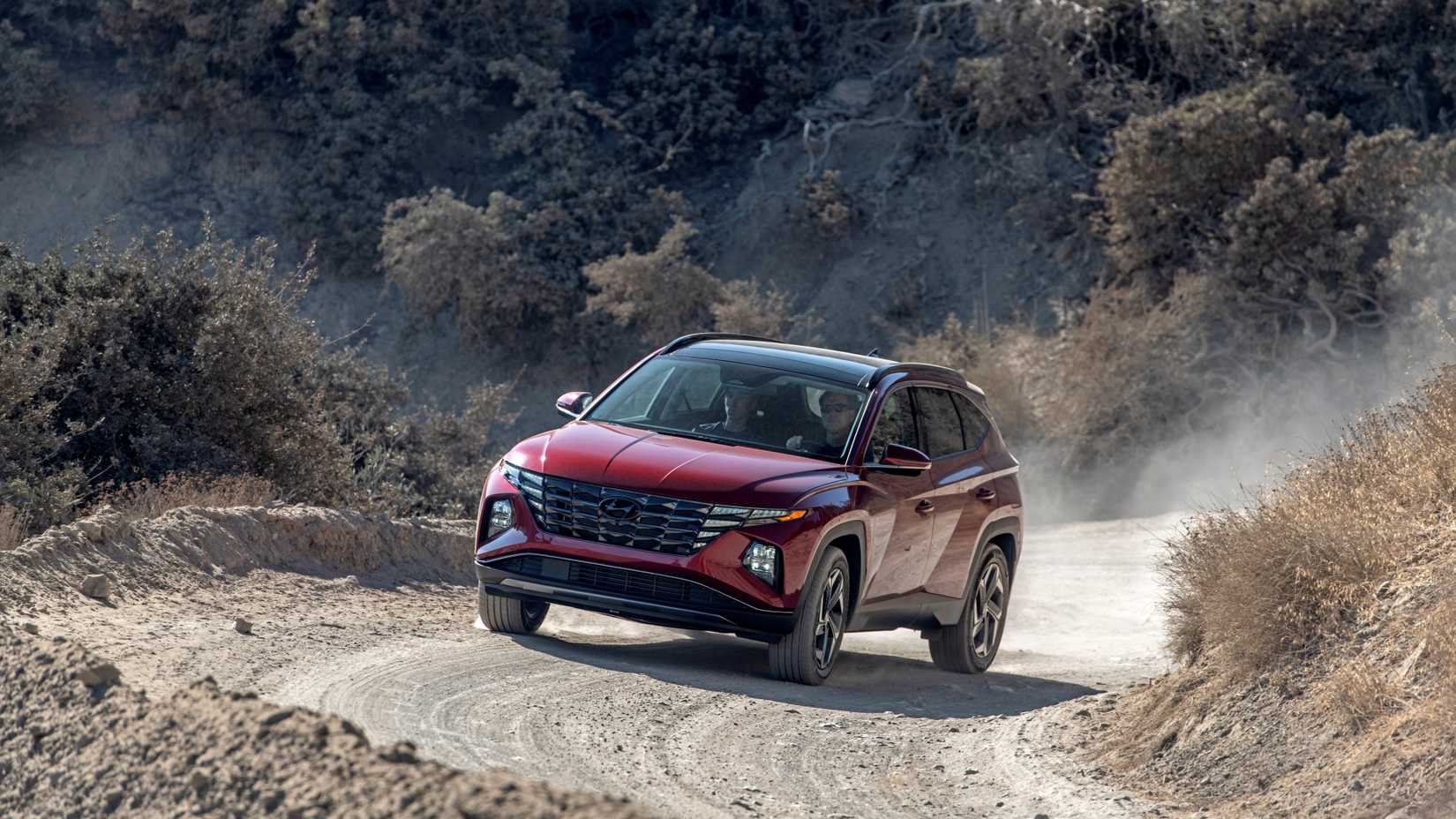
Some crossovers are engineered for the urban commute, while others wear a slightly more rugged attitude. Look for trims labeled with off-road styling cues, higher ride heights, or performance-oriented all-weather setups. Models like the Hyundai Tucson XRT often attract attention because they blend everyday usability with a more adventurous stance—an appealing combo for drivers who want freedom without sacrificing comfort.

The real test is whether the vehicle can handle routine obstacles—ruts, rough driveways, rocky gravel, and slope transitions—without making you feel like every drive is a careful negotiation. When clearance is matched with sensible tire selection and stability control that doesn’t panic, light off-roading becomes playful rather than stressful.
Driving Techniques That Keep Clearance Working for You
Even with generous ground clearance, your driving decisions matter. Slow down before the uncertain parts. Let the suspension absorb imperfections instead of bouncing the chassis. Cross uneven terrain at angles when necessary, but avoid aggressive wheel-to-wheel transitions that can lift tires off the ground.
When approaching a dip, keep a steady throttle. Sudden acceleration can unsettle traction. Sudden braking can cause weight transfer that makes the front or rear scrape. Also, be mindful of clearance at the edges—rocks love the corners, not just the center line.
If the surface is wet, treat the vehicle like it’s wearing invisible gloves that get slippery when they’re soaked. Smooth inputs preserve traction, and traction preserves clearance advantages.
Comfort and Confidence: The Human Factor
Ground clearance isn’t only about metal-to-stone avoidance. It changes the feel inside the cabin. Fewer impacts under the vehicle typically mean less noise, fewer jolts, and a calmer steering response. That calmness matters on long gravel stretches, where the driver’s fatigue can creep up faster than you expect.
A crossover with better clearance often inspires a more relaxed posture. Your shoulders drop. Your eyes move from “Where is that rock?” to “Where am I going next?” That shift is the essence of light off-roading: the transition from vigilance to enjoyment.
Common Mistakes When Choosing (or Using) High-Clearance Crossovers
One mistake is treating ground clearance as a substitute for all-wheel traction. Clearance helps with height obstacles; it doesn’t automatically solve slippery surfaces. Another mistake is overconfidence—taking a route that looks friendly on a map but turns into a rock garden once you’re there.
Also, don’t forget maintenance. Tires in poor condition can undermine grip, and worn shocks can reduce suspension control, making obstacles feel harsher. If you want clearance to stay your ally, keep the vehicle healthy: rotate tires, monitor alignment, and maintain braking performance.
Light Off-Roading Checklist: The “Before You Turn the Wheel” Moment
Before committing to that gravel lane, run a quick mental checklist. Confirm tire pressure appropriate for the terrain, verify you have functional all-wheel-drive and traction settings, and scan the path for low points where the underbody might kiss the ground. If you see ruts, choose a line that avoids the deepest channel.
And remember: not all obstacles are about height. Some are about stability. Loose gravel can turn sudden steering inputs into a game of roulette. Steady speed and gentle correction win more often than bravado.
Conclusion: Choose Clearance, Then Choose Your Adventure
Crossovers with best ground clearance turn casual exploration into something richer—less about surviving the road and more about participating in it. When the undercarriage stays safely above the rough edges, the vehicle feels eager rather than vulnerable. Add the right angles, supportive tires, and a driving approach that respects loose surfaces, and light off-roading becomes a recurring joy instead of a one-time gamble.
So the next time your route tempts you with that questionable shortcut, don’t just wonder if you can make it. Wonder how good it will feel once your clearance buys you the breathing room to keep going.