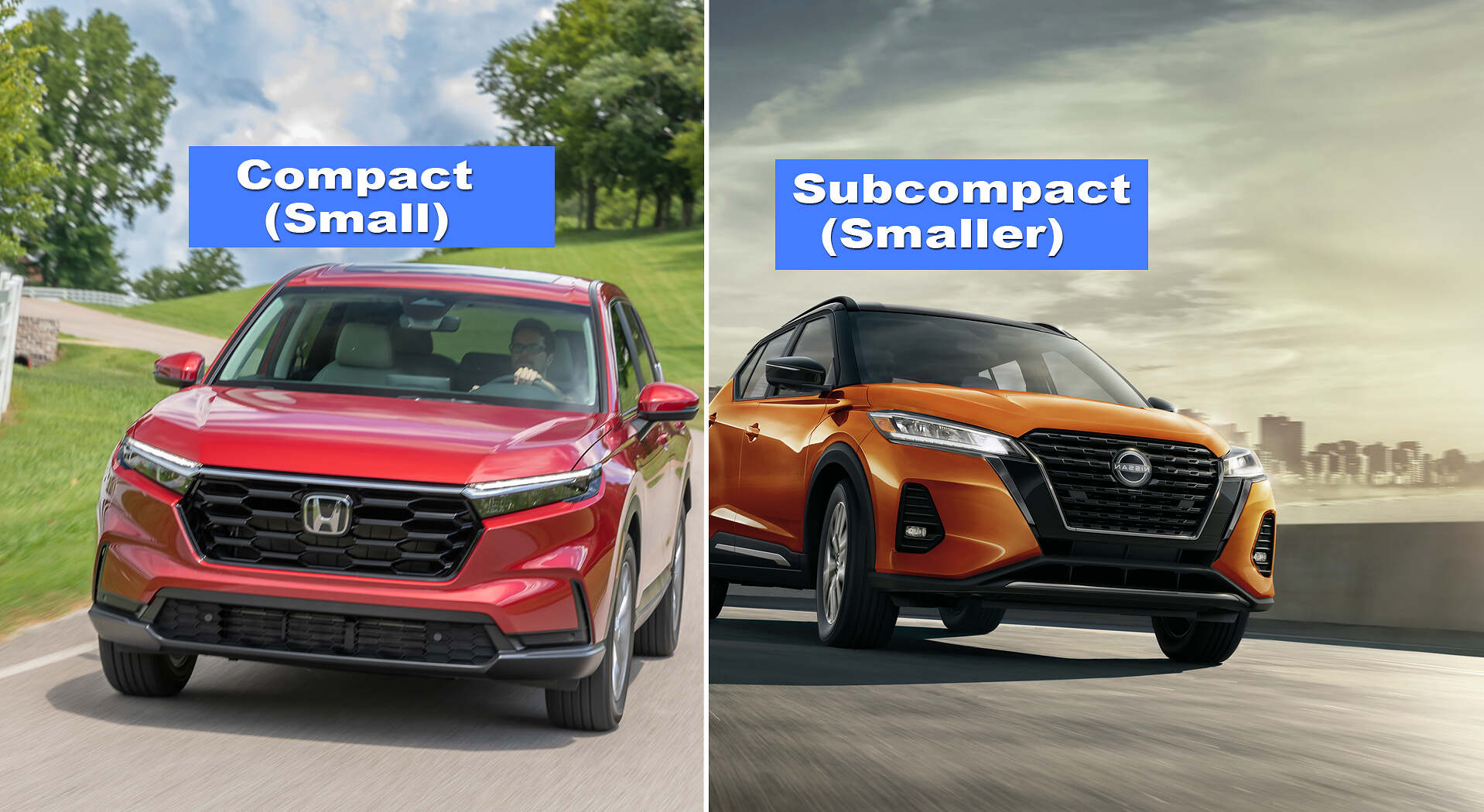
Choosing a crossover can feel like walking into a three-lane highway of possibilities: compact, subcompact, and midsize—each with its own rhythm, each with a different fuel for daily life. Yet the decision is rarely about horsepower alone. It is about how the vehicle inhabits your routines, how it carries your seasons, and how it makes room for the moments you didn’t plan on.
Think of crossovers as portable climates. A compact crossover is a well-tuned apartment—efficient, practical, and easy to live in. A subcompact crossover is a nimble studio that slips through tight spaces like a whispered secret. A midsize crossover is the guest house on the property—more space, more comfort, more room for company. None is inherently superior. They simply speak different dialects of convenience.
Understand the Crossover “Size Logic” Before You Compare Trim
Before you scroll through options and pricing tiers, anchor yourself to a simple idea: size influences everything downstream—visibility, cargo geometry, ride quality, and even how the vehicle “feels” at speed. Compact crossovers often strike a sweet balance between maneuverability and internal volume. Subcompacts trade some of that volume for easier parking and lower costs. Midsize crossovers, meanwhile, emphasize composure: fewer compromises when you’re carrying people, gear, or both.
A useful metaphor: imagine your household as a traveling theater troupe. Subcompacts pack the essentials and keep the show moving through narrow streets. Compacts add stagehands—extra storage and more forgiving ergonomics. Midsize offers the whole set, including backstage room for costumes, equipment, and long rehearsals.
Compact Crossovers: The Balanced Bridge Between City and Weekend
Compact crossovers tend to be the “bridge models.” They can commute without drama and still handle the long pull to a mountain trailhead. You’ll notice the difference most in everyday usability: rear-seat legroom that doesn’t feel like a negotiation, cargo that’s wide enough to load without contortions, and a driver’s viewpoint that remains confident even in crowded parking lots.
Fuel economy is often a headline advantage here, especially if you select powertrains optimized for everyday traction. The key is to read the fine print on how real-world driving affects consumption. Stop-and-go traffic and aggressive acceleration can turn advertised numbers into mirages.
Compact crossovers are also compelling because they typically offer a “reasonable compromise” on tech and safety. Many models provide driver-assistance features that feel more like a co-pilot than a gimmick—lane centering, adaptive cruise, and collision detection that reduces the workload during long commutes.
Subcompact Crossovers: Urban Agility With a Surprisingly Big Personality
If your days are shaped by tight streets, angled parking, and frequent errands, a subcompact crossover can feel like a sleek pocketknife—compact, capable, and always within reach. These vehicles are often easier to thread through traffic and simpler to maneuver in places where bigger cars behave like oversized boats.
Yet subcompact doesn’t mean “small-minded.” Many offer clever interior packaging. The best ones use thoughtful seat design and storage cubbies to reduce the friction of daily life. You may not get a cavernous trunk, but you can gain a kind of mental relief: the ability to park quickly, pull out smoothly, and avoid that constant “will this fit?” calculation.
Choose subcompact if your lifestyle is light-to-moderate in gear. Think: groceries, gym bags, school commutes, weekend brunch, and the occasional road trip where you pack efficiently. If your family carries bulky items frequently or you routinely haul more than a couple of suitcases, subcompact may begin to feel like a shoebox after a few months.
In that case, your purchasing strategy should focus on trim selection that maximizes usability—premium infotainment screens, ergonomic seating, and cargo features such as rear seat configurations and liftgate practicality.
Midsize Crossovers: Comfort as a Competitive Advantage
Midsize crossovers are where the conversation shifts from “Can I fit it?” to “Will it feel good for everyone?” These vehicles are built for longer stays inside the cabin. The ride tends to feel more composed over uneven pavement, the cabin often delivers more quiet, and passengers are less likely to complain about legroom on extended drives.
Consider midsize if you regularly transport multiple riders or if your weekends involve more than errands. Road trips, family events, and moving-day logistics all benefit from additional cargo volume and more stable dynamics at highway speeds.
There’s also an emotional payoff. A midsize crossover can create a sense of arrival. It’s the difference between driving “to get there” and driving as part of the journey. Even the way the cabin frames the road—how it cushions acceleration, how it controls body motion—can change your relationship with daily travel.
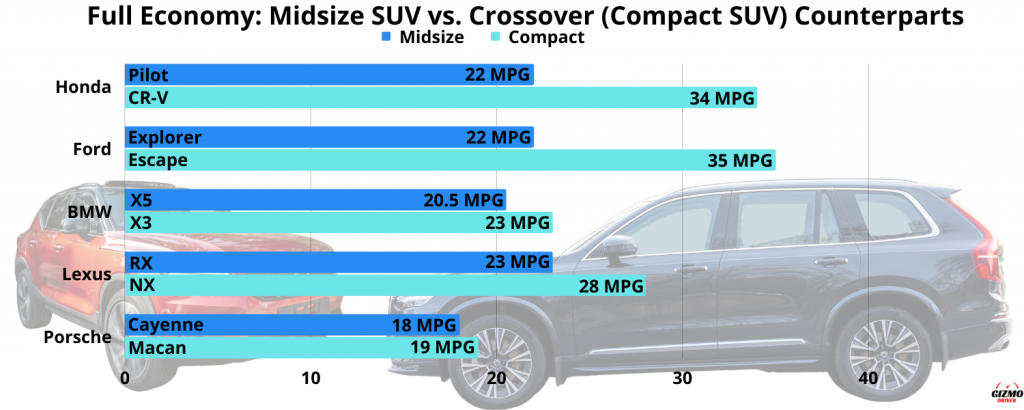
On fuel economy, midsize models may not always match compact or subcompact efficiency. However, they often compensate through smoother power delivery and more relaxed cruising. The real decision is how often you drive, how you drive, and how much comfort you value per mile.
Fuel Economy: Treat It Like a Compass, Not a Trophy
Fuel economy comparisons can tempt you into a single-number obsession. But the better approach is to treat efficiency like a compass that points to the most suitable vehicle for your terrain. If you spend most of your time in stop-and-go traffic, your consumption pattern will differ sharply from a driver who mostly cruises on freeways.
Look at how each size class pairs with its engine and transmission. Some crossovers use advanced drivetrains that smooth power delivery, reducing waste. Others prioritize responsiveness. Your goal is to align the vehicle’s character with your driving habits.
Also consider total cost of ownership: fuel, insurance, maintenance, and depreciation. A subcompact might save at the pump, but a compact or midsize could retain value better depending on brand, demand, and reliability trends.
Space and Storage: Cargo Geometry Matters More Than Trunk Volume
People often think cargo space is only about square inches. Yet cargo geometry—the shape, the height, and the ease of loading—often determines whether the vehicle feels practical. A midsize crossover might have a larger trunk, but if the opening is awkward, it still becomes a chore. Conversely, a compact crossover with smart cargo features can feel more usable than a larger model with less accommodating design.
Check how the rear seats fold, whether you can load long items safely, and if there are tie-down points for stability. For family life, small conveniences—rear air vents, cupholders, accessible door pockets—are the quiet heroes of daily routines.
Safety and Driver Assistance: The Invisible Seatbelt for Your Attention
Modern crossovers often offer a range of driver assistance systems. These features can reduce stress, particularly during commutes and in unpredictable traffic. The best systems feel seamless, like a gentle hand guiding you rather than a strict voice scolding you.
Look for adaptive cruise control, blind-spot monitoring, rear cross-traffic alert, and lane management. Test whether the system interfaces naturally with your driving style. Some drivers prefer subtle interventions; others value strong steering prompts. You’ll know during a test drive when the technology matches your expectations.
Technology and Ergonomics: The Cabin as a Command Center
Technology isn’t just screen size. It’s about how quickly you can find controls without taking your eyes off the road for too long. A well-designed crossover places frequently used functions within easy reach. The interface should feel like an instrument panel, not a maze.
In compact and subcompact models, infotainment and storage compartments often aim to maximize efficiency. In midsize crossovers, the cabin can feel more layered—more surfaces, more comfort-driven touches, and a sense of quiet luxury even in non-luxury trims.
How to Choose: A Simple Decision Path
Start by writing down your three most common scenarios. If the answer repeatedly involves tight parking and daily errands, lean toward subcompact agility. If you need the everyday balance of space, comfort, and efficiency, compact is often the most harmonious choice. If you regularly move people and gear with minimal fuss, midsize becomes the logical next step.
Then prioritize your “must-haves.” Are they related to safety, cargo flexibility, driver comfort, or entertainment? Once your priorities are clear, the size becomes less of a gamble and more of a strategic fit.
Test Drive Like a Critic, Not a Tourist
A test drive should be a guided inspection of reality. Try the parking maneuver that you dread. Drive on the road type you actually use—city corners, highway stretches, or uneven surfaces. Notice how the vehicle transitions between speeds. Observe how the seats support you over time, even if your route is short. A crossover that feels comfortable immediately might not be comfortable after a longer ride, and that distinction is worth catching early.
Bring a mindset of comparison. Compare visibility, steering effort, pedal behavior, cabin quietness, and how the vehicle handles acceleration when merging. The “right” crossover won’t just impress you at first touch—it will feel composed under pressure.
Outro: Find the Crossover That Fits Your Life’s Rhythm
Compact, subcompact, and midsize crossovers are not competing species; they’re different solutions to the same question: how do you want to move through your days? Subcompact models offer nimble liberation. Compact crossovers provide a balanced bridge. Midsize vehicles deliver comfort with a steadier kind of confidence.
Choose the one that feels like it belongs to your routine. The best crossover doesn’t demand you change your life—it quietly adapts to it. When that happens, the decision stops being about specs and becomes about ease, belonging, and the small thrill of pulling away smoothly—again and again.