The Chrysler 300 has always carried itself like a rumor that refuses to die—big, confident, and slightly theatrical. Yet when people say “last call,” they don’t mean it the way you might with a limited-time promotion. They mean it like a chapter ending. The question hanging in the air is deceptively simple: is this really the final curtain for the Hemi V8, or is it merely the final act of a familiar arrangement? In this review of the 300’s swan song energy, we’ll address a common observation—how quickly enthusiasts assume the story is over—and we’ll follow that assumption to the deeper reasons the 300 still holds a strange, magnetic fascination.
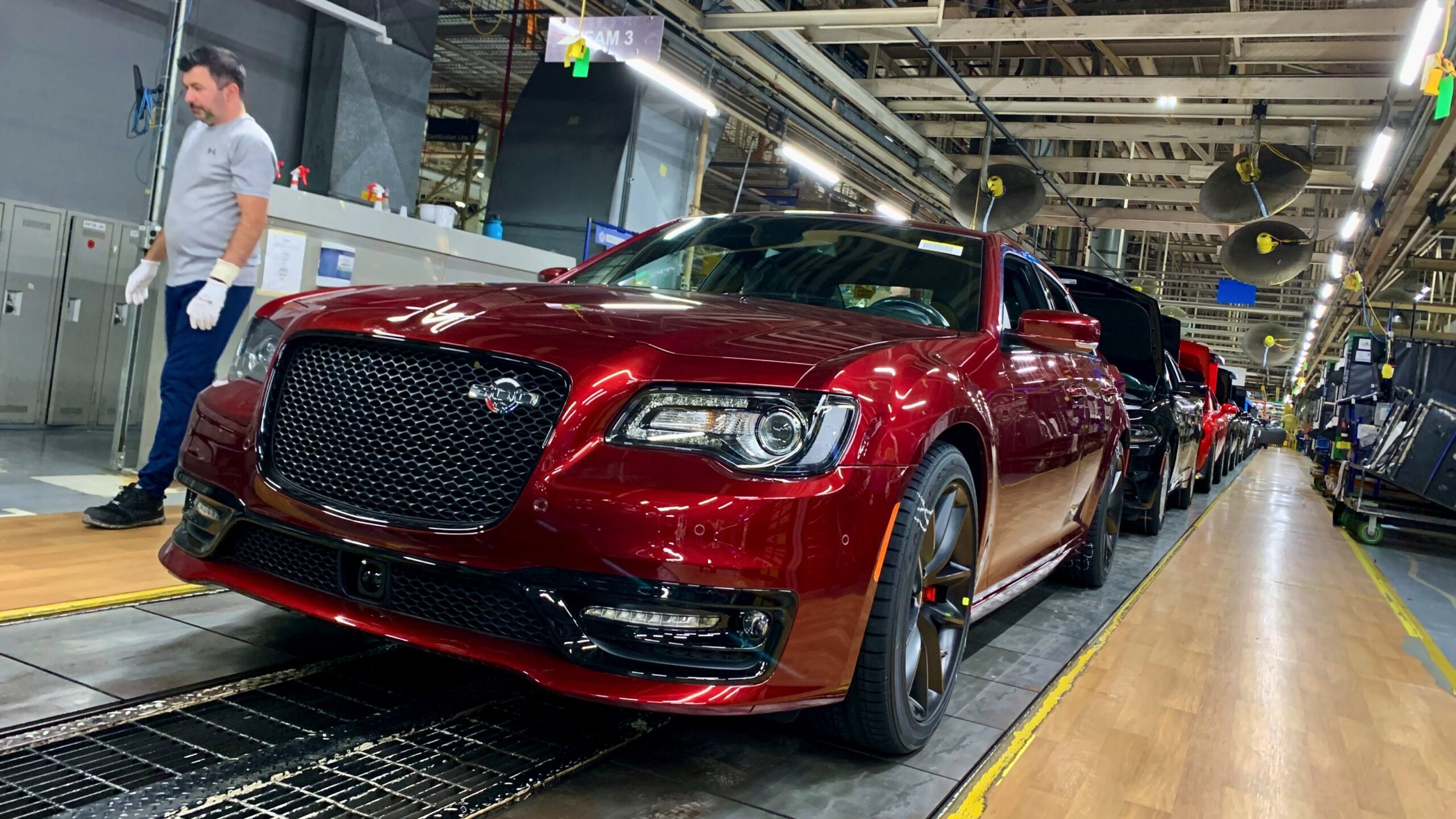
There’s a particular kind of sound that turns heads before the engine ever moves. A V8 cadence doesn’t just accelerate; it performs. Even the images associated with the “final” spec feel ceremonial, as if the factory itself is signing the last page in ink that won’t fade.
First Impressions: The 300 Looks Like a Statement, Not a Vehicle
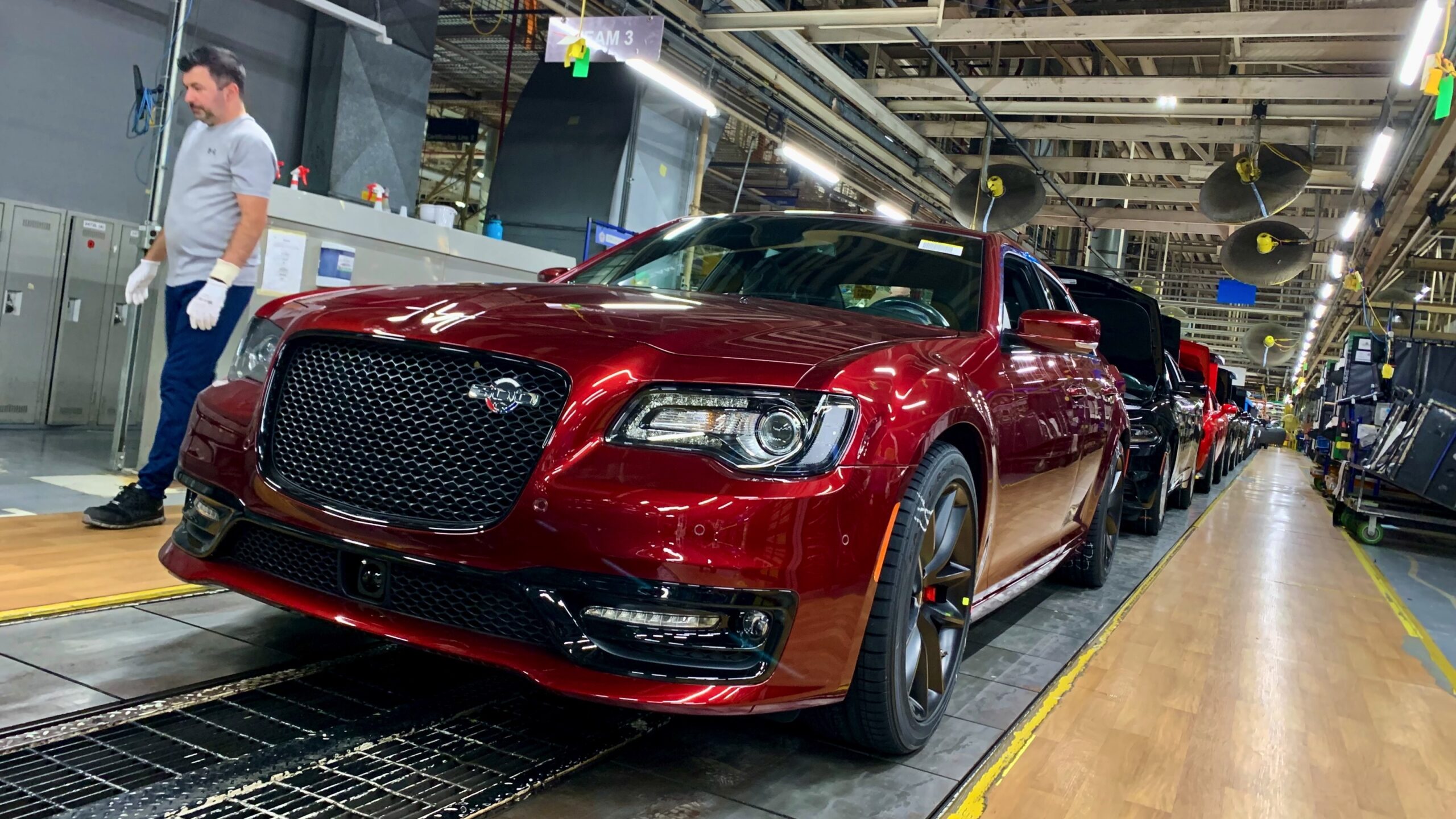
The first common observation about the Chrysler 300 is that it looks unchanged—big grille, long hood, and the kind of stance that reads as unbothered. People often interpret that continuity as stagnation. It isn’t. It’s a deliberate design dialect, one that values recognizability over reinvention.
In the 300, proportion is the persuasive tool. The hood feels almost mythic in its length. The body line doesn’t rush; it glides. That’s why drivers tend to describe the car with narrative language—“it arrives,” “it announces itself,” “it holds court.” You don’t just see the 300; you witness it.
And that’s where the fascination begins to deepen. The 300 isn’t trying to win every metric. It’s chasing something harder to quantify: a specific emotional geometry. It aims to make you feel that the road is part of a larger scene.
Powertrain Reality: The Hemi V8 as a Signature, Not a Spec Sheet
When enthusiasts talk about the Hemi V8, they usually do it in absolutes. It’s either there, or it isn’t. That’s the common observation: once the V8 chapter closes, the identity collapses. But the deeper truth is more nuanced. The Hemi’s value isn’t just horsepower numbers; it’s character.
The engine’s behavior—its response timing, its tonal texture, its willingness to pull without performing contortions—creates a kind of driving continuity. You don’t have to convince the car to be lively. You simply ask, and the 300 answers.
In the “Last Call” conversation, the 300C stands as a reminder that an engine can be a brand within the brand. Even if two vehicles share similar acceleration on paper, the one with the V8 personality often feels more complete. It feels like the experience was authored, not assembled.

Driving Feel: Big Car Comfort with an Unexpected Moxie
There’s a stereotype that big sedans are serene to the point of passivity. The 300 doesn’t reject that idea; it reshapes it. Yes, it prioritizes comfort. But it also retains an edge—an ability to move with purpose when you decide the moment requires it.
On city streets, the 300 can feel like a moving lounge. Steering inputs feel measured rather than twitchy. Seats typically invite long distances, and the cabin’s atmosphere leans toward relaxed confidence.
Then comes the shift in intent. When you press for more, the V8’s presence changes the tempo. The car doesn’t just go faster; it changes mood. The exhaust note rises into a more emphatic register, and the sedan becomes something closer to a grand tourer—still comfortable, but no longer merely agreeable.
That duality—comfort with charisma—is one of the reasons the 300 remains compelling even as the industry pivots. Many new cars optimize for efficiency and silence. The 300 optimizes for memory.
The Common “It’s Over” Take—and Why It’s Often Wrong
It’s easy to say, “If this is the last Hemi, then the magic is gone.” That’s the common observation, and it’s partly understandable. People build identity around powertrains, and powertrain change is dramatic.
But fascination rarely dies when the last model year arrives. It migrates. Enthusiasts start collecting evidence—photos, clips, stories. The “last” versions become reference points in the mythology of a platform. The car becomes a symbol for everything it represented: a throwback to torque-forward engineering, a refusal to apologize for scale, and an embrace of sound as part of the product.
There’s also a deeper psychological reason. The 300’s appeal is intertwined with an era when performance could be straightforward. A Hemi V8 isn’t buried under algorithmic layers. It’s tangible. It responds like a physical instrument.
So even if production ends, the fascination can intensify. The final run turns the car into a relic—imperfect, real, and emotionally louder than the numbers on a window sticker.
Design and Craft: The Art of Remaining Familiar
Design is often treated as a finish, but in the Chrysler 300 it functions more like a signature. The exterior communicates authority without needing to shout with aggressive aero. The grille reads like a handshake between classic Chrysler identity and modern styling cues.
Inside, the 300 tends to feel grounded—again, not minimalistic, not overly futuristic. It’s more about tactile reassurance than gadgetry. The cabin invites you to settle in. That matters, because the Hemi’s presence is most enjoyable when you’re not constantly searching for the next “feature” to justify the experience.
Long sentences in design language can be just as important as short bursts. The 300’s proportions don’t blink. They persist. That persistence mirrors the reason people keep returning to the Hemi V8: it isn’t merely fast; it’s continuous.
Why the “Last Call” Matters to Enthusiasts More Than It Seems
A last-call event is never only about the product. It’s about timing—about capturing a moment before it becomes historical. Enthusiasts don’t just buy cars; they buy eras. The 300’s final Hemi-era narrative lands because it arrives at a time when internal combustion is being redefined everywhere.
That redefinition creates contrast. A V8 feels like a different philosophy. It’s less about calculated efficiency and more about expressive willingness. That willingness is what makes the 300 difficult to forget.
In this sense, the “Last Call” isn’t a goodbye. It’s a spotlight. It encourages people to watch closely, listen carefully, and remember that mechanical character is a finite resource.
Verdict: A Review of a Moving Moment
The Chrysler 300 review, especially through the lens of a potential Hemi V8 farewell, isn’t simply about whether the car is good. It’s about what it allows you to feel. It lets you experience propulsion as a sensory event—one that involves vibration, exhaust resonance, and the satisfaction of a responsive throttle.
If you expected the final 300 to feel like a compromise, it often won’t. It feels like intention—an intentional blend of size, comfort, and aural drama. And if the broader industry moves toward quieter power, the 300’s distinct identity becomes even more valuable.
Final thought: the fascination with the Chrysler 300C’s last Hemi isn’t only nostalgia. It’s admiration for a kind of engineering honesty—where sound and torque still play starring roles.
Outro: The Sound That Outlasts the Model Year
When people say “last call,” they tend to picture a door closing. In reality, they often witness a door unlocking for storytelling. The Chrysler 300’s final chapter doesn’t remove the thrill; it preserves it, intensifies it, and hands it to the future as a reference point.
Because a great car doesn’t vanish when production ends. It changes location. It lives in memories, in clips, in garage conversations, and in the way a driver’s face changes when the V8 clears its throat and decides to move.