Some cars feel like they were designed for speed. Others feel like they were designed for life. For many seniors, the choice of a plug‑in hybrid in 2025 comes down to something more intimate than horsepower: ease of entry, calm ergonomics, and controls that behave like a well‑tuned instrument. The common observation is simple—“It’s easier to drive.” But the deeper fascination is that a well‑considered plug‑in hybrid can reduce cognitive load. When the cabin is intuitive and the driving motions are familiar, the whole experience becomes less of a chore and more of a ritual.
Plug‑in hybrids also carry a quiet promise: you can enjoy electric‑like driving for everyday trips and keep the confidence of a conventional powertrain for longer routes. That combination, when paired with thoughtful accessibility features, can feel almost tailor‑made for people who value independence.
Why Plug‑In Hybrids Feel Different for Seniors
It’s not merely the “hybrid” part. It’s the choreography of power. In a plug‑in hybrid, electric driving often handles the gentle beginnings—pulling away from a parking space, gliding through neighborhood traffic, or creeping along in a quiet residential lane. These are the moments that can become fatiguing when controls are complex or visibility is compromised.
Deeper still, plug‑in hybrids tend to encourage a forgiving rhythm. Regenerative braking can help slow the car with a smoother, more predictable deceleration. Many 2025 models also provide driving modes that let you match the car’s behavior to your comfort—whether you prefer the car’s subtle assistance or a more traditional feel.
And there is another factor people don’t always name: the relief of not needing to “think ahead” about every stop. When electric range is used for the errands you actually run, the remainder of the day can unfold with less mental budgeting.
Easy Entry: The Ergonomics That Matter Most
When seniors talk about “easy entry,” they’re often describing a bundle of practical details: seat height, door opening width, step‑up height, and how naturally the body transitions from standing to sitting. The best plug‑in hybrids for 2025 treat accessibility like a design discipline, not an afterthought.
Look for a driving position that feels upright rather than cramped. Seats that offer a wide, steady base reduce side‑to‑side twisting. Power seat adjustments—especially when they can be set to a memory position—act like a personal concierge, storing comfort rather than forcing you to recalibrate each time.
Doors also matter. A car with a more generous door opening can reduce the “reach and rotate” motion. That can be crucial for joint comfort, especially during routine tasks like getting in for groceries or stepping out after a short trip.
If the model includes a power tailgate or hands‑free access, loading becomes more fluid. Even the placement of controls—window switches, gear selector, and climate knobs—can influence whether the act of driving feels effortless or mildly exhausting.
Simple Controls: Designing for Familiarity
A driver’s comfort depends on predictability. In the ideal senior‑friendly plug‑in hybrid, the controls are where your hands expect them to be. The best systems reduce “mode confusion.” For instance, start/stop behavior should be intuitive, and the gear selector should not require overly precise movements.
In 2025, many manufacturers have improved usability by refining button layouts and reducing dependence on layered menus. Still, it’s helpful to consider how the interface is arranged on the steering wheel and center stack. Climate control should remain reachable without prolonged screen navigation. The audio and navigation systems should not demand a deep dive during a typical drive.
Pay attention to the placement and responsiveness of the touchscreen. A layout with clear physical feedback—where key functions can be toggled without hunting—tends to feel calmer. Short sentences matter here: quick recognition beats long learning. Gentle icons beats dense text. Simple confirmation beats ambiguous prompts.
There’s a subtle reason this matters beyond convenience. When controls are easy, the mind can stay in the present—traffic flow, lane position, pedestrians, the texture of the road. That steadiness can translate into safer, more relaxed driving.
Driving Modes That Promote Calm Confidence
Plug‑in hybrids often let you tailor the experience using driving modes such as EV, Eco, Normal, and occasionally tailored settings. For seniors, the most valuable modes are the ones that remove guesswork. EV mode can be ideal for short errands and city driving, because the car responds instantly and quietly.
Eco mode, meanwhile, can encourage smooth acceleration and earlier deceleration. That can feel natural when you’re conserving energy or maintaining a comfortable following distance. If a model includes a mode that prioritizes regeneration, it may help reduce the need for frequent brake pedal use.
But the deeper fascination is emotional: the sense that the vehicle is “listening.” When the response feels consistent across different roads, the driver trusts the car rather than second‑guessing it. Trust is an underappreciated feature.
Visibility, Mirrors, and Parking Ease
Visibility is the quiet engine behind confidence. Many seniors prefer cars with clear sightlines, minimal blind spots, and mirrors that adjust easily. Spot monitoring and camera views can dramatically reduce stress during parking.
Look for rear cameras with good resolution and wide dynamic range, especially if you plan to drive in dim conditions. Advanced driver assistance features—when they are unobtrusive—can act like an extra set of eyes. Blind‑spot monitoring reduces the need for repeated shoulder checks, which can be uncomfortable for some drivers.
Parking sensors and a camera that provides guidelines can also help reduce the fine motor effort involved in tight maneuvers. Small reductions in strain add up over time.
Charging Simplicity: The Real-Life Advantage
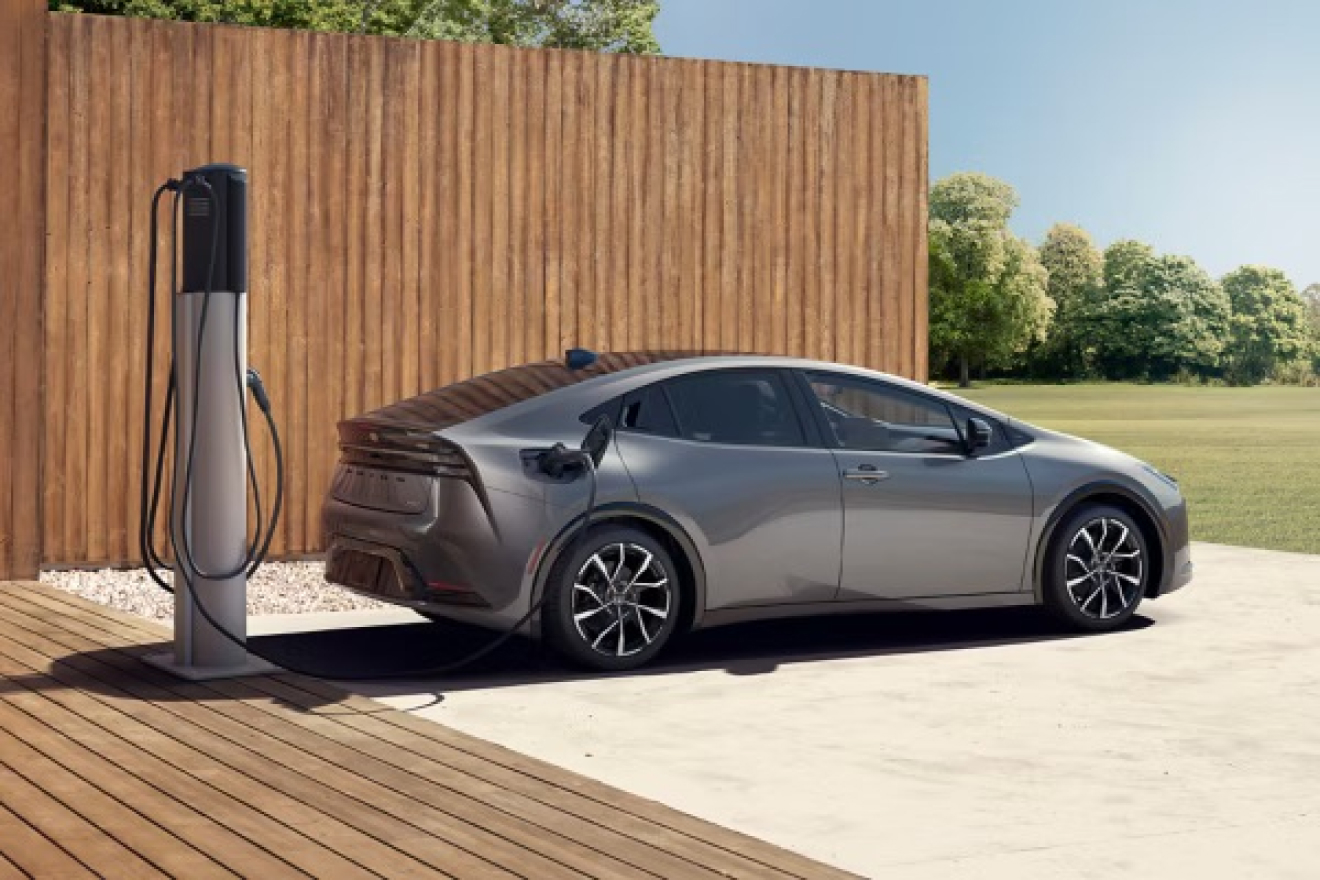
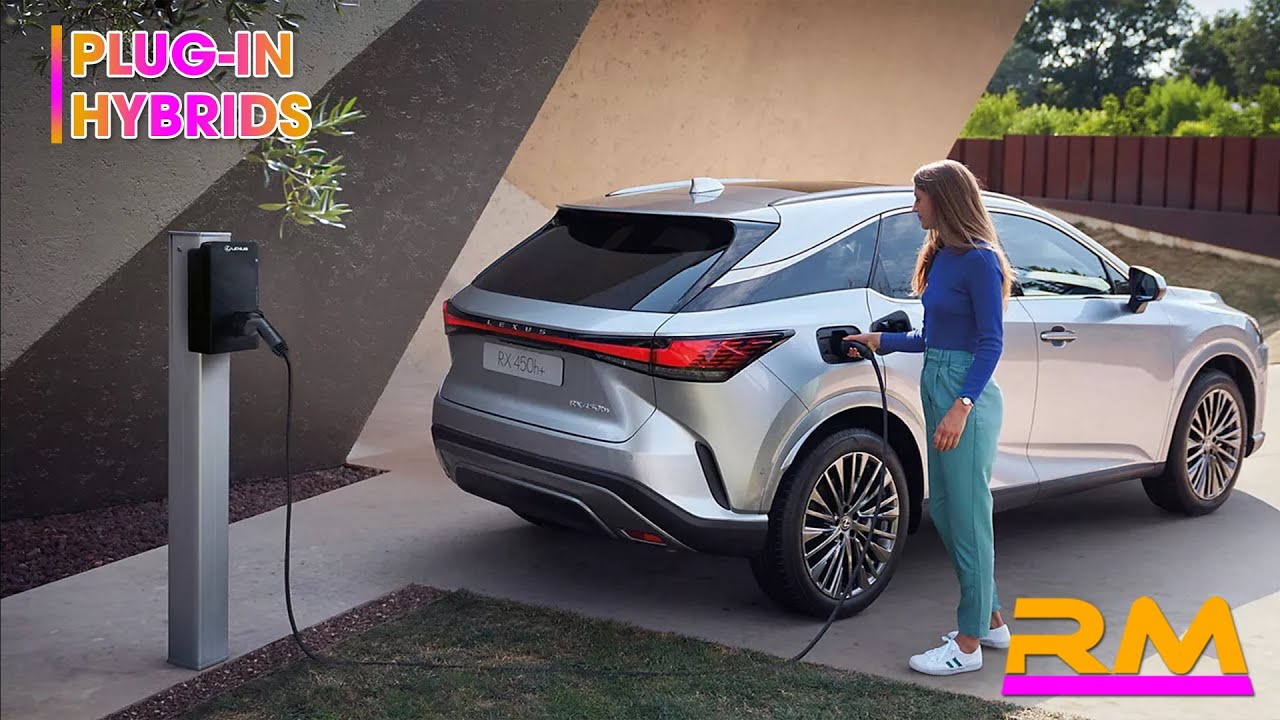
A plug‑in hybrid becomes truly “easy” when charging fits the rhythm of daily life. Some owners think the hardest part is the technology. Often, it’s the planning. The best 2025 plug‑in hybrids minimize complexity with straightforward charging menus, clear indicators, and dependable timers.
Many models support scheduled charging, allowing you to take advantage of off‑peak electricity. A simple app experience—one that shows estimated range, charge status, and notifications—can reduce uncertainty. If the vehicle provides a clear dashboard message like “Ready to drive,” it eliminates anxiety.
Even if charging happens at home, the car should also be friendly for quick top‑ups. A satisfying charging workflow is not glamorous. It’s practical. It reduces friction between intention and action.
Comfort Features That Feel Like Care
Comfort is not just softness. It’s how the car handles your day. Heated seats can be an ergonomic boon in colder months, while heated steering wheels can reduce stiffness before you even start moving. Automatic climate control is also helpful if it maintains steady temperatures without complex adjustments.
Noise insulation deserves attention. A quieter cabin reduces fatigue, especially on longer drives. Smooth suspension behavior can also make the road feel less demanding, helping drivers avoid the “brace and compensate” posture that sometimes develops on rougher surfaces.
In addition, convenient lighting—such as soft entry illumination and well‑placed reading lamps—helps when you’re moving around the car at dawn or dusk.
Safety and Assistance: Confidence Without Overwhelm
Driver assistance should feel like guidance, not interference. The best plug‑in hybrids for seniors provide safety features that are consistent and easy to understand. Lane centering that behaves predictably, adaptive cruise control that maintains distance smoothly, and collision avoidance systems that alert clearly rather than abruptly can all contribute to a steadier drive.
It’s also worth considering how the system’s alerts are presented. A calm, legible display helps reduce startle responses. Clear haptics or audio cues—without overwhelming repetition—can help drivers react appropriately.
There is a deeper reason safety tech matters. When drivers feel protected, they often relax their grip and posture. Relaxation can improve control. Control improves safety.
Choosing the Right Plug‑In Hybrid: A Senior-Friendly Checklist
Before selecting a model, it helps to evaluate it like a comfortable chair—test the stance, the reach, and the “moment of entry.” Start with the driver’s seat: can you sit down without twisting? Can you see the road immediately without leaning? Are pedals positioned comfortably for your stride and ankle comfort?
Next, check control reach. Can you adjust climate settings without searching? Can you operate key functions while keeping your eyes on the road? Test the gear selector and turn signals for effortless motion.
Finally, evaluate daily viability. Does the car provide enough EV range for typical errands? Is charging communication straightforward? Is there a clear process for returning energy—so the car feels useful, not complicated?
Real-World Reasons Seniors Fall for Plug‑In Hybrids
Some people shop for technology. Many seniors are drawn to a different promise: continuity. Plug‑in hybrids offer familiar driving mechanics while introducing an easier, quieter electric experience for frequent local trips. That blend reduces the intimidation some drivers feel when moving to a totally new kind of vehicle.
Also, there’s a deeper satisfaction in efficiency. When the car uses electricity for the errands that define a routine, the driver experiences tangible savings and reduced fuel anxiety. It’s not only about money. It’s about autonomy—knowing you can travel without feeling tethered to a single charging plan.
And when controls remain straightforward, the fascination becomes almost intuitive. The car supports your pace. It doesn’t demand attention to operate.
Conclusion: Independence, Made Effortless
The best 2025 plug‑in hybrids for seniors are the ones that make daily movement feel lighter—easy entry, simple controls, calm power delivery, and safety features that guide without overwhelming. The real win is not just “a better car.” It’s a more comfortable routine, a steadier mind, and a sense that the vehicle is built to meet you where you are.
Choose thoughtfully, test the ergonomics, and prioritize predictability. When the driving experience is effortless, the road can feel like it belongs to you again.