Every commuter has a moment of quiet arithmetic. It happens at the gas station, or during the monthly “electricity versus everything else” debate. The bill is never dramatic, yet it feels personal—like the road is charging you rent. In 2025, plug‑in hybrids land in a special sweet spot: they promise electric miles when you need them, then switch to gasoline when your schedule grows ambitious. The result isn’t just a fuel‑economy headline. It’s a different rhythm—one that makes daily travel feel a little less like compromise.
And there’s a deeper reason they keep pulling people back in. Many drivers initially chase savings as if savings were a finish line. But plug‑in hybrids tend to become a fascination project: a machine that negotiates between two energy worlds. It invites curiosity. It rewards pattern‑recognition. And once you learn how your commute “reads,” the car starts to feel almost adaptive.
Below is a commuter‑focused guide to the best 2025 plug‑in hybrids for balancing gas and electric savings, with the context needed to choose wisely—because the real win isn’t only the sticker number. It’s the way you drive, charge, and plan.

Why Commuters Are Suddenly Gravitating to PHEVs
Plug‑in hybrids sit at the crossroads of convenience and efficiency. Most commuter routines are, at their core, short‑range and repeatable: similar routes, similar durations, similar parking scenarios. That repeatability is exactly what a PHEV exploits. When you can plug in overnight, the engine becomes the backup plan rather than the default setting.
Yet the fascination goes beyond simple practicality. PHEVs have a psychological advantage: they reduce the emotional friction of “range anxiety.” You still have a gasoline safety net, which changes behavior. Drivers become less rigid, more willing to run errands, and less likely to treat every detour like a gamble. That behavioral shift often matters as much as the math.
Another subtle point: in many households, charging logistics are a puzzle rather than a technology question. PHEVs tolerate imperfect routines. If your charging is consistent most days, the car still captures value. You do not need utopian infrastructure to gain meaningful savings.
The Savings Equation: Electricity Is the Lead, Gasoline Is the Balance
To maximize gas & electric savings, the core idea is straightforward: use electricity as much as you reasonably can, and reserve gasoline for the segments where charging isn’t feasible. But “as much as you can” deserves nuance.
Electric advantage usually appears in stop‑and‑go traffic, short highway stints, and errands that fragment the day. The electric motor thrives where the engine would otherwise idle or perform inefficiently. Think of your commute as a mosaic: the more tiles you can cover with electric propulsion, the more your total cost per mile compresses.
Gasoline advantage becomes relevant when your schedule stretches—weekend trips, late‑day detours, unexpected late meetings. PHEVs shine here because they avoid the hard ceiling that pure EVs can impose. The gasoline engine isn’t merely a fallback; it keeps the car useful, which prevents the classic “it would be great if…” scenario.
In 2025, many models also improve driver interfaces that encourage efficient behavior. When a dashboard makes energy usage legible, drivers respond. People adjust their acceleration, their route choices, and their charging habits. That’s not just comfort. It’s optimization.
What “Best for Commuters” Really Means in 2025
Choosing the best 2025 plug‑in hybrid for commuting is not about picking the highest theoretical electric range alone. Real life is messier. The “best” commuter PHEV typically checks several boxes:
1) Usable electric range for your daily loop. If your commute is 20–40 miles round trip, your odds of returning to a full or near‑full battery state are strong. That’s where savings stack up.
2) Efficient combined fuel economy. Even if you drive electric most mornings, days arrive where charging is delayed or skipped. You want gasoline consumption to stay sensible then.
3) Smart charging and scheduling features. A car that can align charging with off‑peak electricity is quietly powerful. It turns your energy bill into a predictable rhythm.
4) Regenerative braking strength and smoothness. Commuters spend time in traffic. If regen is well‑tuned, you recover more energy and feel less “brake‑heavy” fatigue.
5) Cabin comfort and ergonomics. Efficiency is irrelevant if the commute leaves you tense. Seats, visibility, climate controls, and usability matter because they shape how you drive.
Top 2025 Plug‑In Hybrids to Consider for Commuters
Commuters tend to favor models that are both practical and easy to live with—vehicles that don’t punish you for imperfect routines. In 2025, several plug‑in hybrids stand out for everyday adaptability and strong cost‑control potential. Look for offerings that provide a coherent balance between electric capability, real‑world efficiency, and charging usability.
When evaluating specific trims or configurations, focus less on marketing superlatives and more on how the vehicle behaves during your typical week. The “best” PHEV is the one you can plug in consistently, drive electrically whenever possible, and trust when your day expands beyond plan.
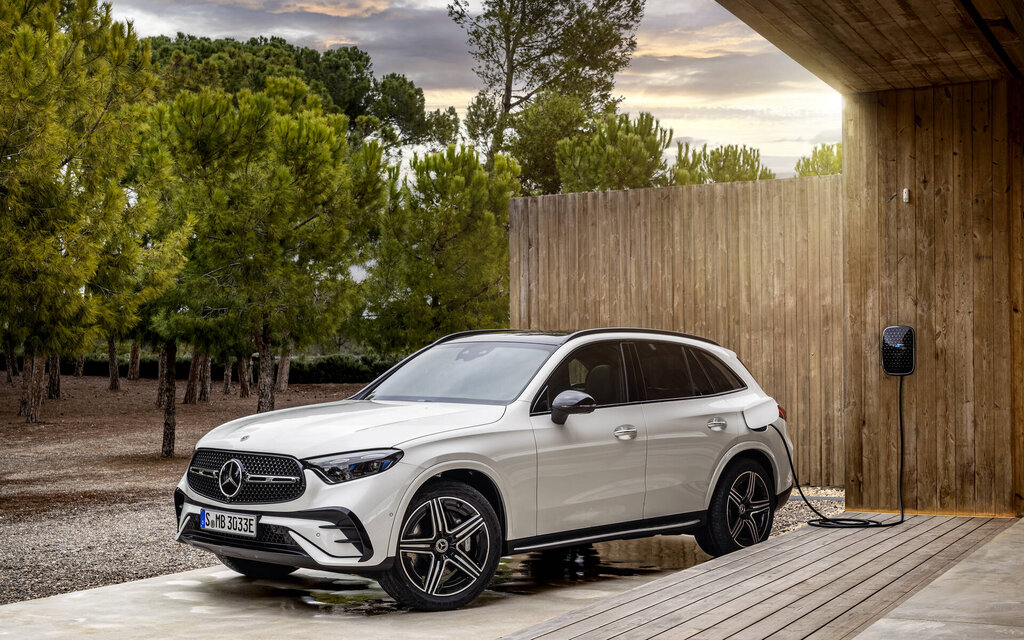
One option that many commuter‑minded shoppers examine is featured in this visual profile of plug‑in hybrid practicality. The fascination often begins with the promise of affordability paired with electric propulsion—because commuters don’t just want savings. They want savings that don’t require special effort.

Charging Reality: Home, Work, and the Art of Consistency
The fastest way to lose savings is to treat charging like an afterthought. The fastest way to gain savings is to make charging habitual. If you have home charging, schedule sessions to match your electricity pricing. Use the car’s charging timer, if available, so the battery isn’t competing with peak‑rate hours.
If you have workplace charging, the opportunity is bigger than it seems. A lunch‑break top‑up can replenish the battery for your return trip, turning the second half of the day into electric‑forward driving. That’s where the commute’s cost can drop noticeably—because it reduces the time the gasoline engine needs to run.
If charging is inconsistent, use the vehicle strategically. Plan for longer electric usage earlier in the day. Consider battery conditioning and climate pre‑set features. A pre‑heated or pre‑cooled cabin can reduce energy draw right after departure.
Driving Habits That Unlock Hidden Efficiency
Even the best plug‑in hybrid responds to technique. But the technique is not about hypermiling gimmicks. It’s about aligning your driving with how energy flows.
Throttle smoothness is one of the most underrated levers. Electric systems dislike abrupt transitions because they can demand more power than necessary. Gentle acceleration often preserves battery health and maintains traction efficiency.
Coast with intention when traffic allows. If your PHEV supports blended regen, the car may already manage deceleration to maximize recovery. Still, anticipating lights and speed changes helps you avoid wasting momentum.
Use EV mode when it makes sense. If EV mode is available, it is not merely a badge—it’s a tool. Use it for predictable traffic segments, local streets, and short highway stretches where the battery can carry you.
Choosing Between PHEVs: Compare More Than Range
Two plug‑in hybrids can show similar electric range numbers yet feel different in commuter life. Range is only the opening chapter. Consider:
Temperature impact. Cold weather can reduce effective electric miles. Look for vehicles with energy‑aware climate management.
Battery thermal management. Better thermal control usually means more consistent performance across seasons.
Regenerative braking feel. Some cars offer regen that’s easy to modulate; others can feel abrupt. Your daily comfort matters because you’ll repeat the pattern hundreds of times.
Software maturity. Effective energy dashboards, scheduled charging, and clear prompts help drivers use the vehicle’s strengths without guessing.
Are PHEVs the Bridge You’re Actually Looking For?
Many commuters see PHEVs as a “not yet” technology. But that view misses their unique utility. PHEVs are not just transitional. They are context‑responsive. They fit the real world—where schedules evolve, charging isn’t always available, and budgets must stay stable.
For drivers who want gas and electricity savings without betting everything on charging infrastructure, a plug‑in hybrid can be the most rational compromise. And oddly, that rationality fuels the fascination. The car becomes a cooperative system rather than a single‑track solution.
Practical Checklist Before You Buy
Before committing to a 2025 plug‑in hybrid, run a brief self‑audit:
• Track your commute for a week. Average miles and typical traffic days reveal your real electric potential.
• Confirm charging access. Home outlet, workplace availability, and cable reliability matter.
• Compare operating cost realistically. Use your estimated electricity rates and fuel prices, and consider how often you actually charge.
• Test drive with climate on. Heater and AC behavior can influence electric efficiency.
• Evaluate driver experience. The best savings plan in the world is irrelevant if the vehicle doesn’t feel pleasant to drive daily.
Conclusion: Commuter Savings, Reimagined
The best 2025 plug‑in hybrids for commuters aren’t merely efficient. They help reshape daily travel into something more controllable. When you can plug in consistently, the electric component becomes a dependable routine. When charging isn’t available, the gasoline backup prevents the practical penalties that can sabotage other electrified choices.
In the end, the fascination isn’t just about technology. It’s about agency—seeing your commute’s energy use, managing it, and watching costs soften over time. That’s the real reward of a PHEV: savings that feel earned, not accidental.