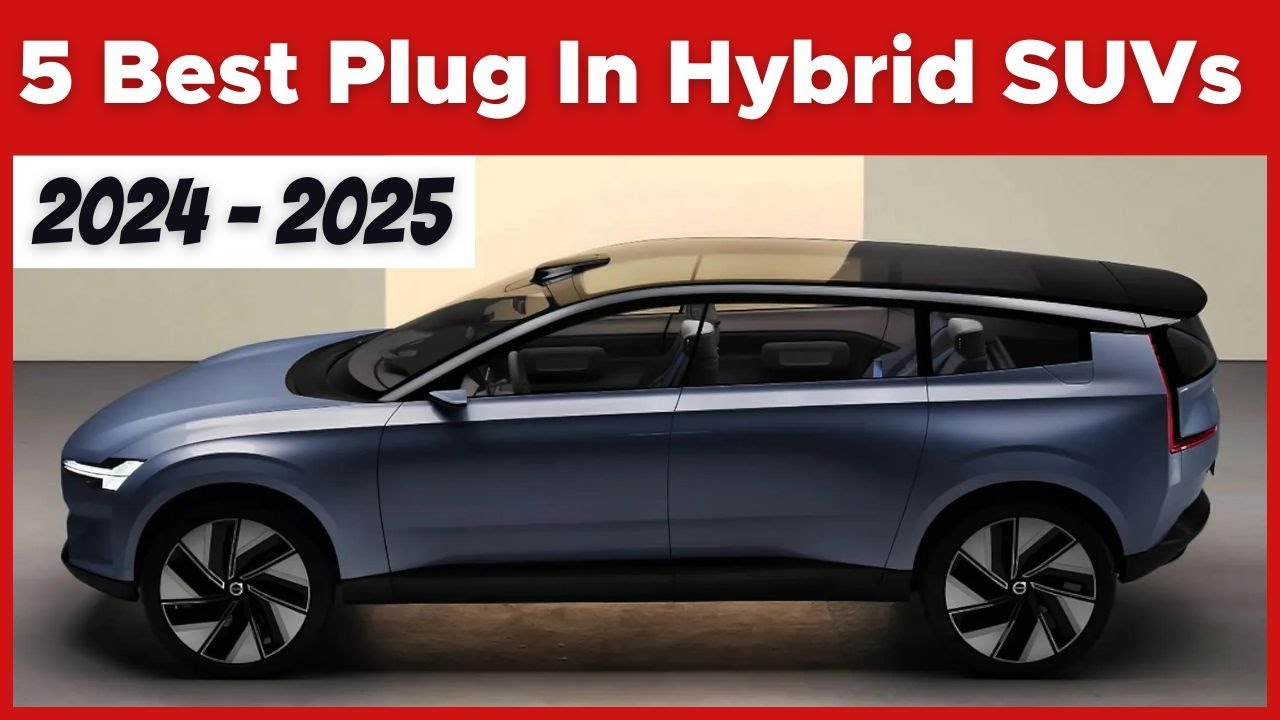
Family life rarely runs on a single kind of fuel. Mornings demand reliability, afternoons demand comfort, and weekend road trips demand range that doesn’t feel like a compromise. That’s where plug‑in hybrid SUVs for 2025 enter the picture—vehicles designed to blend efficiency with everyday usability. They aim to be practical first, and exciting second, which is exactly the order families usually prefer.
In this guide, you’ll find a broad map of what readers can expect: performance and efficiency realities, charging considerations, safety and family-friendly cabin design, and the subtle differences between model categories. Along the way, the focus stays firmly on families—people who pack snacks, manage schedules, and still want a vehicle that feels calm rather than chaotic.
Why Plug‑In Hybrid SUVs Fit Family Life in 2025
Plug‑in hybrid (PHEV) SUVs are essentially a two‑engine philosophy with one goal: versatility. They can drive short distances using electricity, then transition to hybrid operation when you need longer range. For families, this means school runs and errands can be remarkably low‑emission, while longer drives remain practical without hunting for chargers.
In 2025, the best options also show a more refined balance between “city glide” and “highway poise.” The steering feel, throttle mapping, and regenerative braking strategies tend to feel more deliberate than earlier generations. That refinement matters when you’re weaving through traffic with a toddler’s snack cup rolling in slow motion.
Expect to see recurring strengths across top family PHEVs: smoother power delivery at low speeds, improved thermal management for battery longevity, and cabin layouts that prioritize visibility and second‑row comfort. Some models also offer power‑folding seats, hands‑free liftgates, and additional USB‑C ports—small luxuries that become essential once you’ve used them for a week.
Understanding Battery Size, EV Range, and Real‑World Habits
The phrase “EV range” can be misleading if it’s treated like a guarantee. Battery capacity, climate conditions, tire selection, driving style, and even elevation can shift how far the electric motor carries you. The more helpful question is whether a vehicle’s electric capability aligns with your routine.
Most families live inside predictable rhythms: school drop‑offs, after‑school practice, groceries, and occasional local errands. If your daily mileage often falls within the SUV’s electric sweet spot, the plug‑in hybrid becomes a stealthy efficiency tool. Charge it overnight, wake up with a full “quiet tank,” and let the gasoline engine only step in when your day stretches beyond the script.
Look for features that support daily usability: scheduled charging, departure preconditioning, and clear energy dashboards. Some systems even help forecast where the battery will land by considering routes and typical driving patterns. The best family PHEVs make planning feel effortless rather than technical.
Charging at Home: The Practical Checklist
Charging is where ownership either becomes smooth or becomes a chore. Families benefit most from a simple plan. Ideally, home charging is available—usually via a Level 2 wallbox. The point isn’t luxury; it’s consistency. A predictable charge window reduces decision fatigue and makes the vehicle feel like an extension of your home routine.
When evaluating options, check for:
Charging compatibility: The vehicle should support the power level you can install at home.
Connector availability: Ensure it matches your charging setup.
Smart charging features: Scheduling, off‑peak optimization, and energy monitoring.
Preconditioning: Battery and cabin temperature management for more efficient electric driving.
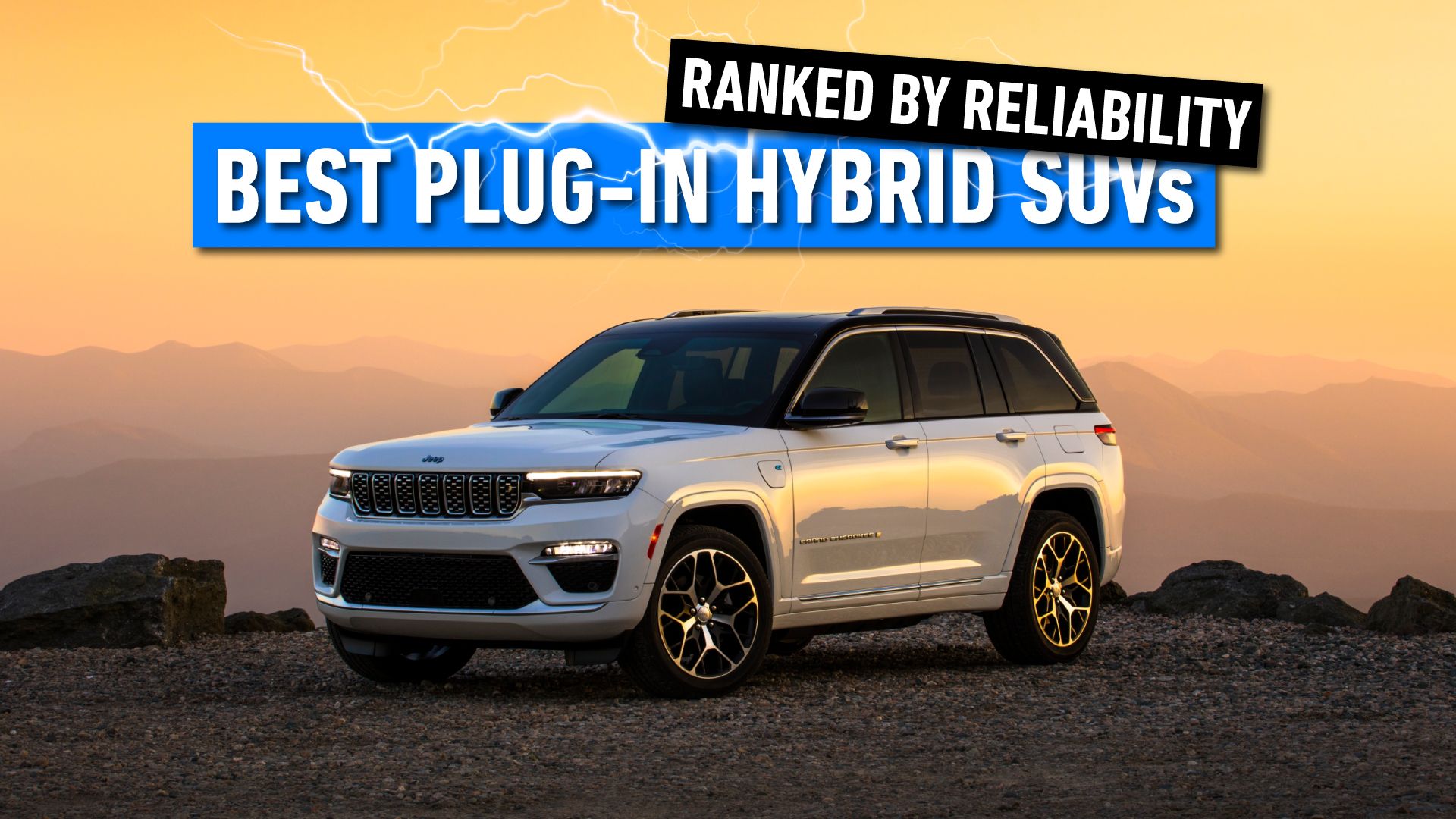
Even if you charge at public stations, families often return to home charging as the backbone. Public chargers are convenient for road trips, but home charging is what turns a PHEV into a habit rather than a schedule.
Safety Systems That Matter for Families
Family SUVs are evaluated in two dimensions: the incidents you want to avoid and the comfort you want if a moment goes wrong. In 2025 PHEVs, you’ll commonly find advanced driver‑assistance systems (ADAS) such as adaptive cruise control, lane centering, automated emergency braking, and blind‑spot monitoring.
However, what matters is not just the presence of features—it’s their behavior. The best systems are calm, consistent, and easy to trust. They should intervene smoothly rather than abruptly. When the system is well tuned, drivers can stay attentive without feeling bullied by technology.
Look for additional family‑oriented safety measures: 360‑degree camera views, front and rear parking sensors, pedestrian detection, and robust child‑seat anchors. Rear seat reminders, door alert systems, and tire‑pressure monitoring also contribute to safer daily life—small safeguards that prevent avoidable mistakes.
Second‑Row Comfort and Cargo Flexibility
The family test for an SUV is never theoretical. It’s booster seats installed without swearing. It’s stroller wheels fitting in the trunk. It’s the third grocery bag discovering a seam that suddenly limits space.
When reviewing 2025 plug‑in hybrid SUVs, pay close attention to second‑row legroom, seat squareness, and access. The best designs reduce “fighting for entry,” particularly when you’re handling carpool schedules. Sliding second rows can transform usability, though they’re not universal.
Cargo space also deserves a deeper look. PHEVs often package battery systems in ways that affect floor height and storage geometry. The most family‑friendly models offer low cargo lips, flexible load floors, and underfloor storage solutions that keep essentials tidy.
If your household frequently travels with bulky items—sports equipment, camping gear, or luggage—prioritize cargo wideness and access. A narrow opening can turn loading into choreography. Wider openings and power liftgates streamline the process, especially when hands are full.
Fuel Economy, Maintenance, and Long‑Term Ownership
PHEVs are often purchased for efficiency, but families stay for ownership confidence. In 2025, expectations include improved battery management and more mature hybrid control strategies. That translates into fewer “mystery behaviors,” like inconsistent electric usage or abrupt transitions between electric and engine power.
Fuel economy varies widely depending on charging frequency. If you charge regularly and drive mostly within electric capability, consumption drops dramatically. If you rarely plug in, the vehicle operates closer to a conventional hybrid SUV, which still offers benefits—but not the full plug‑in promise.
Maintenance expectations are another part of the narrative. Hybrids generally reduce wear on braking systems due to regenerative deceleration. At the same time, battery health and cooling systems become important. Choose vehicles with strong warranty coverage, clear service intervals, and maintenance networks that are easy to access in your region.
Family‑Friendly Technology: Infotainment, Connectivity, and Controls
Technology can be a comfort multiplier or a distraction hazard. The best 2025 plug‑in hybrid SUVs integrate infotainment in ways that keep focus on driving and family logistics.
Look for:
Responsive touchscreens: Quick reactions reduce frustration mid‑drive.
Voice control: Useful when hands are busy and eyes should stay forward.
Multiple connectivity options: USB‑C ports for phones, tablets, and streaming devices.
Driver profiles and memory settings: Parents often share vehicles; smart personalization matters.
Rear entertainment or tablet integration: Particularly for longer trips.
Also consider the user experience of energy monitoring. If the system can show how much electric power remains, what mode the vehicle is in, and what charging schedule is best, the PHEV becomes transparent rather than opaque.
Choosing the Right Model Type for Your Family
Not every family wants the same “kind” of SUV. Some families prioritize maximum third‑row flexibility, others prioritize maneuverability in tight neighborhoods, and others value towing competence for trailers or boats.
As you compare 2025 plug‑in hybrids, categorize your needs:
Commuter‑centric families: Prioritize electric range, charging convenience, and smooth daily driving.
Road‑trip families: Prioritize spacious cargo, supportive driver assistance, and efficient highway behavior.
Active families: Prioritize ground clearance, roof‑rack compatibility, and durable suspension tuning.
Multigenerational households: Prioritize second‑row access, rear‑air comfort, and clear climate control.
The best decision is the one that matches your real calendar. A PHEV works best when it fits your routines like a well‑worn key, not like a tool you remember only during emergencies.
Shortlist Guidance: What to Test Before You Buy
Before signing anything, schedule a test drive with intention. Bring the mindset of a family member, not a reviewer.
During the test drive, evaluate:
Low‑speed smoothness: Stop‑and‑go comfort reveals hybrid tuning quality.
Visibility: Check mirrors, window framing, and rear sight lines.
Door and seat ergonomics: Can kids and adults buckle seats without wrestling?
Noise levels: Listen at highway speed—calm cabins feel luxurious, even when you’re not trying.
Mode transitions: Watch for whether the switch from electric to engine feels graceful.
Cargo loading: Imagine your trunk filled with a week’s worth of reality.
Ask about software features that affect daily life: charging schedules, departure timing, and preconditioning. If the vehicle’s conveniences feel intuitive in the showroom, they will likely feel even better at home.
Conclusion: The Best 2025 PHEV Is the One That Fits Your Routine
The best 2025 plug‑in hybrid SUVs for families aren’t defined by one number. They’re defined by how seamlessly they integrate into mornings, commutes, and weekends. When electric capability matches daily needs, charging becomes routine rather than chore. When safety systems behave with confidence and the cabin accommodates everyday chaos, the SUV becomes more than transportation—it becomes a reliable partner.
Choose with clarity: evaluate charging practicality, test second‑row comfort, confirm cargo flexibility, and trust your senses during real‑world transitions. With the right match, a PHEV can make family life feel smoother—quiet when you want it, capable when you need it, and surprisingly efficient across the long arc of the year.