Ready to make your wallet do a little victory lap? Here’s a fun poser before we dive in: how far can you drive on a charge—and still keep your purchase price under $40,000 after the tax credit? It sounds almost too neat, doesn’t it? Now for the playful twist: imagine your budget as a tightrope. Step off by even a few thousand dollars and the whole deal gets shaky. That’s the challenge. In 2025, the “Best PHEVs Under $40,000 After Tax Credit” list is less about finding a single magic car and more about assembling the right combination of price, incentives, trim eligibility, and charging reality.
Let’s walk the tightrope carefully. We’ll cover what “after tax credit” truly means, how to spot the best PHEVs for real life, which use cases fit plug-in hybrid ownership, and how to choose confidently—without turning your driveway into a science project.
First, What Does “Under $40,000 After Tax Credit” Really Mean?
The phrase after tax credit can be a slippery little gremlin. It’s easy to assume it’s automatic, but eligibility is the real gatekeeper. In practical terms, the final effective cost depends on whether you qualify for the federal incentive, your tax liability, and the vehicle’s compliance status for the credit in 2025. Some shoppers also factor in state incentives, but this article keeps the focus on the federal piece as the baseline.
Think of the tax credit like a rebate that doesn’t fully “feel” real until you can actually use it against your taxes. If your annual tax bill is smaller than the credit amount, you may not capture the full benefit. Meanwhile, the purchase price and trim selection matter because some PHEVs land close to the cutoff but only qualify in certain configurations.
So, before you fall in love with a model, confirm three things: the credit eligibility for your specific trim, your ability to claim the full amount, and the final out-the-door numbers (not just the sticker). When those align, the under-$40,000 game becomes genuinely winnable.
Why Choose a PHEV in 2025 Instead of a Pure EV?
Plug-in hybrid vehicles are a tactical compromise—and in the best way. They offer electric driving for everyday errands while maintaining an internal-combustion safety net for longer trips. That reduces range anxiety without demanding that you install public-charging strategies into your lifestyle.
In 2025, this matters more than ever because charging habits vary wildly. Some drivers can charge at home like clockwork. Others rely on workplace chargers, shopping-center ports, or opportunistic charging. PHEVs meet you where you are. You can accumulate charge when it’s convenient, then glide through short commutes on electricity alone.
But here’s the key: the “best” PHEV is the one you actually charge. If you rarely plug in, the electric advantage shrinks. If you can charge regularly, you turn the vehicle into a daily driver that feels remarkably close to an EV—especially in stop-and-go traffic.
What to Look for in the Best 2025 PHEVs Under $40,000
Let’s treat this like a checklist, not a wish list. The top PHEV candidates typically score well in four areas:
1) Real-world electric range: More electric miles generally means more routine trips stay in the “electric-only” zone. Even if the rated range isn’t perfectly replicated, a higher-capacity battery can still translate into meaningful daily savings.
2) Fuel economy when the battery is depleted: Hybrid efficiency matters once electricity runs out. A great PHEV shouldn’t become a gas guzzler the moment you exceed your typical charging window.
3) Charging convenience: Home charging capability, cable flexibility, and onboard charging features can make ownership smoother. Look for straightforward charging behavior and clear driver-assist prompts.
4) Trim eligibility and package selection: The “under $40,000 after tax credit” threshold can hinge on trim. Some models come with multiple configurations, and the credit may not apply equally. Choose wisely, then verify.
Top Picks: Strong Contenders for Under-$40,000 (After Credit)
Now for the fun part: the shortlist. While pricing and eligibility vary by market, the best 2025 PHEVs in this bracket generally come from models with competitive MSRP and broad incentive qualification. Use this section to orient your search—and then validate details with current listings and your tax situation.
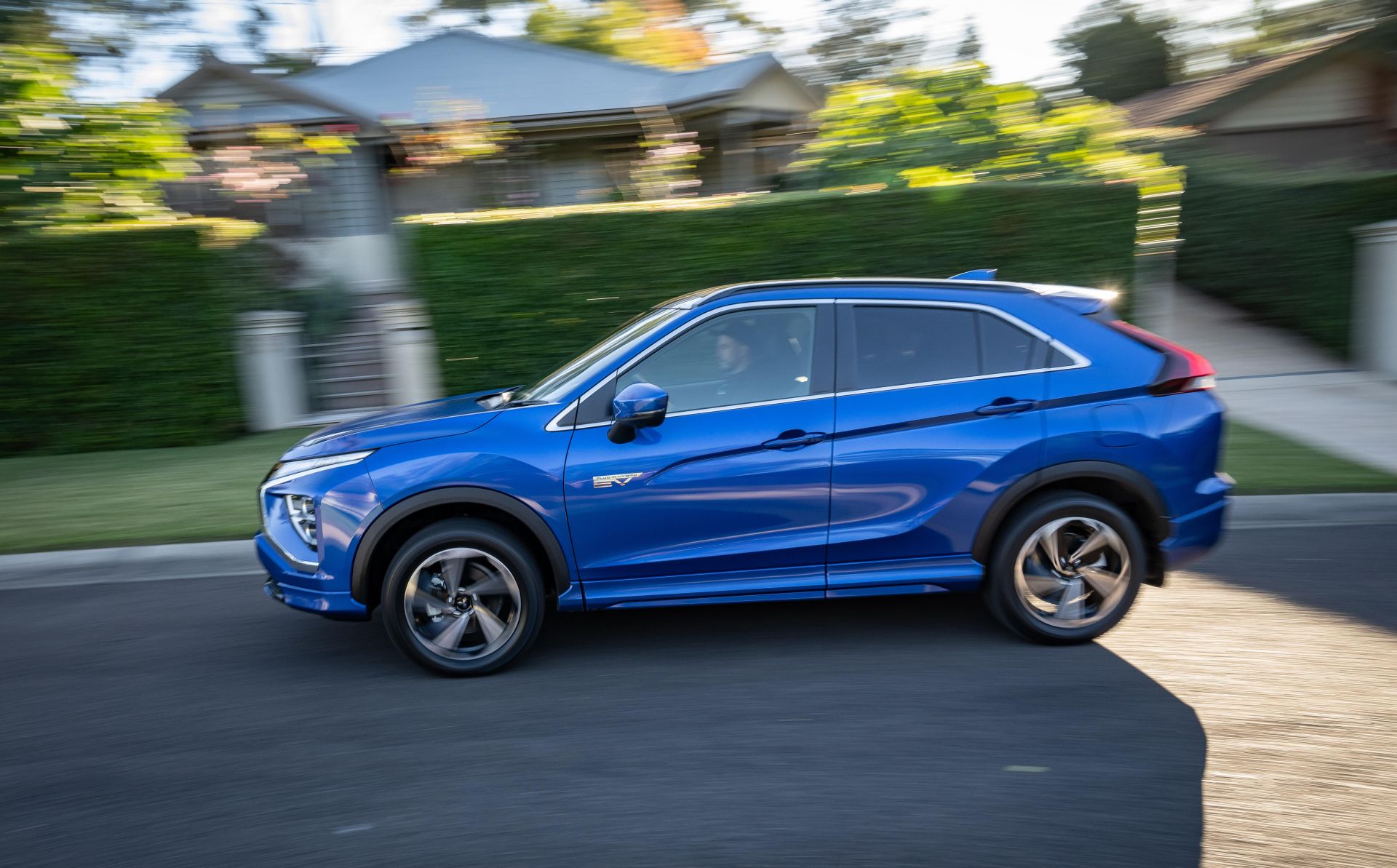
Mitsubishi Eclipse Cross Plug-in Hybrid (PHEV)
If you want a PHEV that feels ready for daily life without trying too hard, the Mitsubishi Eclipse Cross PHEV often stands out. It’s the kind of vehicle that leans practical—an antidote to overly complicated tech menus. Its plug-in nature can help you stack electric miles for commuting and short errands.
Here’s where the challenge enters again: if your charging routine is inconsistent, your “best deal” evaporates faster than a summer ice cream. But if you can plug in at home or reliably at work, the Eclipse Cross PHEV can become a comfortable, budget-respecting daily companion.
BYD PHEVs: When Value Meets Efficiency
BYD’s presence in the PHEV conversation tends to come with an eyebrow-raising theme: efficiency paired with aggressive value. In many “under budget” discussions, BYD becomes the default curiosity. And curiosity is a helpful starting point—because PHEVs aren’t just about specs. They’re about whether the vehicle’s behavior matches your driving rhythm.
Consider the BYD approach like this: if a car is priced strategically and designed with cost-aware engineering, the tax credit can tilt the effective purchase price into a more reachable zone. But eligibility is again the decisive factor. Confirm the trim status, confirm the incentive rules, and confirm how the credit applies in your situation.
When everything lines up, the result can feel almost subversive: a more modern plug-in experience within reach of a traditional budget.
How to Verify Federal Tax Credit Eligibility Like a Pro
This is where many buyers get caught in a bureaucratic labyrinth. The tax credit isn’t just “for PHEVs,” full stop. Eligibility depends on the vehicle and sometimes on how it’s configured and sold. In 2025, rules can evolve, and programs can be updated. A smart strategy is to verify the credit for the exact vehicle you’re considering, not a general model family.
Also, assess your tax posture. If your tax liability is lower than expected, the credit value might not fully benefit you. Think of it as optimizing a budget math problem rather than chasing a marketing headline.
Finally, consider whether any incentives stack. Some buyers can benefit from additional state incentives, which can amplify the “under $40,000 after credit” outcome. Still, always start with the federal picture to avoid overestimating the final cost.
Real-World Ownership: Charging Habits That Actually Matter
Let’s stop pretending charging is theoretical. The best PHEV is the one that fits your schedule. If you can plug in overnight, you’ll likely use electricity for commutes, school runs, and errands. That can transform the driving feel—quieter acceleration, smoother stop-and-go performance, and a “freshly charged” mindset every morning.
If charging is unpredictable, you’ll want to pick a PHEV with predictable hybrid behavior. Some drivers prefer a vehicle that can maintain sensible fuel economy without dramatic shifts in feel when the battery is depleted. That’s why test drives matter. Take note of how it transitions between modes. Listen for how it sounds during acceleration. Feel for whether it behaves like an ordinary car when the electric advantage isn’t present.
One last practical note: charging infrastructure planning. Even if you don’t install home charging immediately, ensure you have an accessible plan—because the car can’t charge itself out of goodwill.
Choosing the Right PHEV: A Decision Path You Can Follow
Here’s a clear sequence that keeps you from spiraling into comparison fatigue:
Step 1: Identify the exact MSRP range you can afford pre-credit, including fees and taxes. This prevents sticker shock later.
Step 2: Confirm which trims qualify for the federal tax credit in 2025.
Step 3: Estimate your realistic electric mileage using your typical commute pattern. Don’t over-forecast.
Step 4: Test drive with attention to drivability transitions and daily comfort.
Step 5: Decide whether you want a more “EV-like” daily experience (often tied to battery capacity and charging access) or a more “hybrid-first” approach.
Answer these questions honestly, and the “best” choice will emerge naturally—like a map snapping into focus.
Potential Pitfalls (So You Don’t Waste Your Momentum)
The most common traps are subtle. Some buyers focus solely on rated electric range and ignore charging logistics. Others obsess over headline pricing and forget eligibility verification. A third group assumes the tax credit amount applies without considering how their taxes work.
There’s also the matter of availability. A great deal is useless if the exact trim is perpetually out of stock. If timing matters, keep multiple candidates on your shortlist.
And remember this: the under-$40,000 after tax credit category is not a permanent kingdom. It’s a moving landscape. Confirm details close to purchase time.
Final Thoughts: The Real “Best” PHEV Is the One That Fits Your Life
So, can you find the best 2025 PHEVs under $40,000 after tax credit? Yes—if you treat the purchase like a well-orchestrated heist rather than a casual browse. Validate credit eligibility, choose a trim that qualifies, and align the vehicle’s strengths with how you actually drive and charge.
If you do that, the reward is more than savings. It’s the satisfaction of a sensible upgrade—electric where it counts, fuel-smart where it must, and budget-friendly enough to feel genuinely earned. Now the only question left is yours: will you be the driver who plugs in consistently and reaps the advantage—or will you let the best opportunity slip by?