
There’s a particular kind of peace that arrives when your family car feels genuinely prepared. Not “technically capable,” but ready—when school schedules tighten, when weekend getaways detour unexpectedly, and when the grocery run quietly turns into a small expedition. In 2025, the best family cars with the most cargo space aren’t just bigger. They’re smarter about how space is used, how access is designed, and how everyday bulk—strollers, coolers, sports gear—fits without turning your trunk into a puzzle box.
This guide maps out what readers can expect as they compare vehicles: practical cargo measurements, real-world packaging considerations, seating-flexibility strategies, and the subtle design details that make loading less of a chore. Along the way, you’ll also see how different family lifestyles—multi-child logistics, pet-friendly routines, long-road itineraries—reshape what “most cargo space” truly means.
Why Cargo Space Feels Bigger Than Numbers
On paper, cargo capacity can look like a single number. In life, it’s usually a composition. Floor shape matters. If the trunk opening is awkward or the wheel wells intrude, the usable volume shrinks—no matter how optimistic the headline figure appears. In 2025, many family-focused vehicles emphasize practical volume: flatter loading floors, configurable second rows, and wider openings that reduce the friction of packing.
Think of it like architecture. A storage room with good geometry will feel more spacious than one with the same cubic content but awkward angles. That’s why the best family cars balance measurements with packaging. You may even find that a slightly smaller advertised volume becomes more useful because it loads like a drawer instead of a maze.
The “Family Workflow” Test: Loading, Access, and Organization
Cargo space should support a workflow. Consider how you actually use the vehicle: quick grab-and-go, frequent short trips, and occasional full-capacity packing. Vehicles designed for families often include load-leveling features, fold-flat seating, and optional cargo organizers that turn empty space into a structured staging area.
Look for:
Wide trunk openings that reduce scraping and shoulder strain.
Low liftover height for strollers and coolers.
Split-fold rear seats that let you move bulky items without sacrificing people.
Tie-down points so the contents don’t slide like unwanted cargo poetry.
These details can transform “maximum cargo space” from an impressive spec sheet into something you’ll actually enjoy using.
How Seating Configurations Multiply Cargo
The most spacious-looking trunk often becomes secondary to rear-seat flexibility. Families rarely travel in a single configuration. Some days you need a full row for passengers, other days you’re transporting equipment, and sometimes you want the entire rear area as an adaptable living compartment.
In 2025, the standout family cars tend to offer seating systems that fold with minimal fuss—ideally creating a longer, flatter load floor. With split seats, you can carry oversized items while still accommodating a passenger in the back. This is especially valuable for scenarios like:
Two kids riding with a large sports bag on one side.
One child in a booster seat while a stroller and grocery bins share the other side.
A road-trip mix of luggage, a cooler, and a portable changing station.
In other words, “space” should be elastic. It should expand or compress based on the day’s choreography.
Best 2025 Family Cars for Maximum Cargo: What to Look For
When readers search for “the most cargo space,” they’re usually seeking one of two outcomes: maximum volume, or the most usable volume. The best 2025 options generally cluster in categories where these outcomes align.
1) Minivans often lead because they’re engineered for people-moving first. Their sliding doors and near-flat cargo floors make them feel like moving vans with better coffee stations and more kid-seat options.
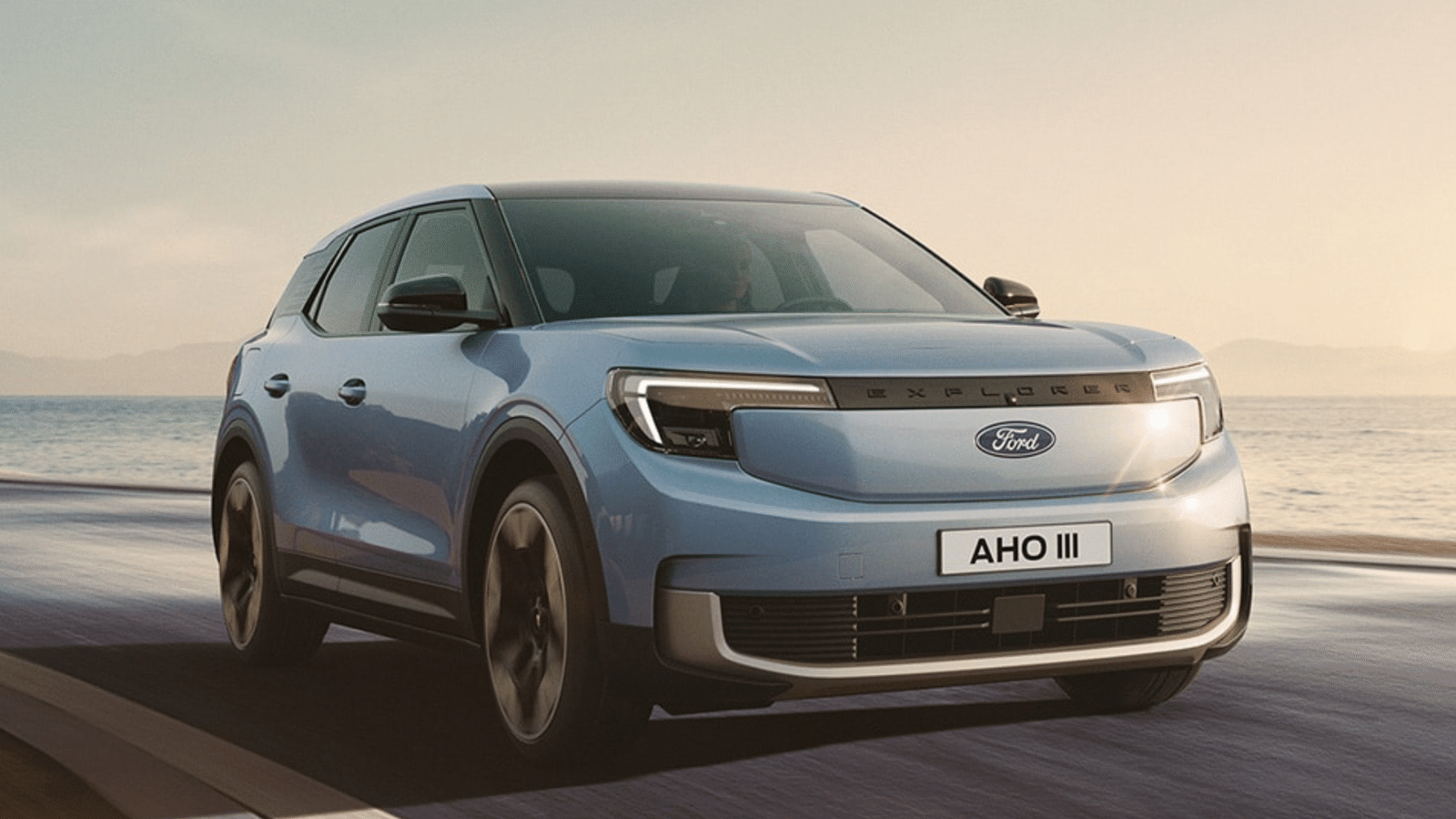
2) Large SUVs and crossovers deliver strong cargo volume with a commanding driving position. They’re ideal for families who want space plus road presence. The best models within this group provide a combination of deep storage and easy folding rear seats.
3) Wagons can be a quiet triumph for families who prefer a lower, steadier silhouette. When they’re designed well, they offer a surprisingly versatile load area with less “trunk lip” inconvenience.
Across all categories, the common thread is not just capacity—it’s how quickly you can transform cabin space into cargo space.
Minivans: The Cargo-Conductor for Busy Households
If your family life runs on calendars, minivans are often the most intuitive solution. They excel at turning complicated packing into routine. The sliding door layout makes it easier to load from the side, even in tight parking lots. That’s more than convenience; it’s time saved, frustration reduced, and fewer scraped knuckles.
Minivans also shine when rear seats fold into practical configurations. Many offer easy-to-use mechanisms that create a flat cargo floor. This matters for bulky items like duffel bags, folding chairs, and large storage bins. A flat floor means you can stack smarter, distribute weight more evenly, and reduce the tendency of soft items to tumble.
Large SUVs: Space with a Commanding View
Large SUVs tend to win the hearts of families who value versatility and visibility. They provide a roomy cargo area behind the third row, and when that third row is folded, the trunk becomes more like a well-structured vault than a narrow compartment. For families transporting strollers, coolers, and sports gear, that depth is critical.
Readers should also pay attention to the shape of the cargo opening. A larger opening can make a substantial difference when you’re loading frequently. If your trunk opening is narrow or high, you may lose a chunk of “real usability” even with impressive cargo volume.
Another detail worth considering is how the second row folds. The best vehicles allow a smooth transition to create a longer, flatter surface. This enables you to carry items like long toolboxes for school projects, bulky holiday decorations, or luggage that otherwise fights for space.
Crossovers and Three-Row Models: Compact Ambition with Big Potential
Some crossovers aim to deliver SUV-like utility with a slightly more efficient footprint. In 2025, certain three-row crossovers can offer competitive cargo capacity, especially when the third row is stowed. While minivans may still feel more cargo-centric, well-designed crossovers can surprise families with how neatly everything fits.
For many households, the ideal scenario is a vehicle that can handle daily life—commutes, pickups, errands—then pivot into road-trip mode without a complicated reconfiguration. That’s where modern cargo solutions matter: sliding cargo covers, organizer compatibility, and fold mechanisms that encourage “use it regularly,” not “use it occasionally.”
Wagons and Estate-Style Options: Understated Storage Power
Wagons often attract families who want a blend of practicality and driving confidence. Their cargo bays frequently offer a wide opening and a low cargo lip. That can be a game-changer for kids’ accessories—strollers, car seats, and sports equipment—because it reduces the awkward lifting and lowering that happens every week.
Because wagons are typically designed around cargo carriage, their rear compartments can feel like extensions of the passenger cabin. The result is a more natural loading experience, with fewer blind spots and a smoother workflow.
Key Cargo Features That Matter in Daily Life
The best family cars with the most cargo space usually include a cluster of helpful amenities. These features don’t always show up in the headline numbers, but they define how effortless packing feels.
Consider:
Cargo dividers to separate groceries from sports gear.
Adjustable floor heights to create a smoother loading profile.
Power liftgates for hands-free convenience (especially with kids and bags).
Fold-flat seat backs to create a single continuous cargo plane.
Weather-resistant materials for muddy cleats, wet towels, and spontaneous rain.
These elements make the trunk less like a storage cavity and more like an organized utility space.
Choosing the Right Amount of Cargo Space for Your Family
“Most cargo space” sounds absolute, but your best number is the one that fits your rhythm. Start with a simple inventory: how many seats are usually occupied, what items travel most often, and whether you frequently load oversized objects.
If you’re a stroller-and-sports-family, you might prioritize floor flatness and opening size. If you’re traveling with luggage and coolers, depth and access matter more than narrow volume. If you often carry gear to events, look for tie-down points and organizer-friendly designs.
Small details become decisive: the ability to fold seats quickly, the comfort of loading heavy items, and the extent to which the trunk can swallow chaos without making it your problem.
Planning Ahead: How to Pack Efficiently for Maximum Usability
Even the most cargo-rich vehicle benefits from smart packing. Use bins to reduce rummaging. Place heavy items low and forward to maintain stability. Keep frequently used items within easy reach so you’re not performing an impromptu disassembly of your trunk.
If you’re traveling, consider a “front-of-car kit” for essentials: snacks, wet wipes, first-aid, chargers, and a small garbage bag. Keep it accessible. In the back, stack luggage and bulky items with an eye toward distribution. Good organization turns cargo space from a measurement into a system.
Final Thoughts: The Best Choice Is the One You’ll Use
The best 2025 family cars with the most cargo space are not merely cavernous. They’re communicative—designed to help you move through the day with less friction. They reward you with easy loading, flexible seating configurations, and cargo layouts that feel natural rather than improvised.
When the weekend arrives and the trunk opens like a promise, you’ll recognize the difference. Cargo space is only “maximum” if it’s usable. Choose a vehicle that supports your family’s real routines, and the road ahead will feel—quietly, unmistakably—more manageable.