The year 2025 has a peculiar rhythm. Prices still feel inflated, yet the horizon looks brighter—mainly because the story of “tax incentives” has quietly reshaped what many shoppers consider affordable. Spend enough time watching friends hover over shopping carts and it becomes obvious: electric cars are no longer a niche curiosity. Still, the common observation remains stubbornly true—people ask whether an EV under $35,000 is truly attainable after the incentive dust settles.
Part of the fascination is emotional, not just arithmetic. There’s a particular thrill in imagining mornings without gasoline anxiety. The deeper reason is that EVs compress multiple desires into one purchase: quieter commutes, a sense of technological modernity, and the satisfaction of buying into a system that doesn’t punish you every time oil prices twitch.
This guide explores the best 2025 EVs under $35,000 after tax incentives. Not as a listicle with hand-waving, but as a thoughtful walk through the conditions that make “under $35,000” real. Then you can decide which vehicle matches your life, not just the sticker.
Why “Under $35,000” Feels Different After Incentives
On paper, many 2025 EVs start above the psychological ceiling of $35,000. Then incentives arrive like a fiscal tide, pulling the effective price downward. The catch is that incentives are not uniform. Eligibility depends on factors such as income thresholds, vehicle configuration, battery sourcing rules, and whether you can claim the credit at tax time.
That complexity is also why people keep asking the same question: “Is it really under $35,000 when the paperwork is done?” The answer is sometimes yes, but the path is rarely identical for two households. A family with steady tax liability may experience a smoother reduction. Another buyer might qualify for a different type of benefit—rebates, state credits, utility offers, or dealer adjustments that function like indirect incentives.
In other words, the vehicle’s sticker price is only one coordinate. The final “all-in” cost is a triangulation: MSRP, incentives, financing structure, and the likelihood that the credit will actually be realized in your situation.
Tax Incentives in 2025: The Practical Reality
In 2025, buyers have to treat incentives with a kind of disciplined optimism. The best deals are not merely “cheaper EVs,” but EVs whose eligibility remains intact during the exact purchase window. When incentives change, the market responds quickly. A model that looked like a bargain one quarter can become pricier the next, not because the car suddenly transforms, but because eligibility rules and pricing strategy shift.
That’s why it’s smart to approach the search like an investigator. Confirm the current status of the federal credit (and any overlapping state or local incentives) before you fall in love with a trim. Also pay attention to whether the credit is already reflected in the price at the point of sale or whether it arrives later through tax filing.
Consider the deeper fascination here: shoppers are not only buying a car—they’re buying into a future where incentives act like a bridge. That bridge turns “too expensive” into “finally plausible,” at least for certain buyers under certain conditions.
What Makes an EV Worth It Under $35,000
When a budget shrinks, value must expand. Under $35,000, the best 2025 EVs tend to share several traits:
1) Usable range for real commutes. The most important number is not “max theoretical range.” It’s range reliability at typical speeds and temperatures.
2) Charging simplicity. An EV that charges predictably—especially with home charging—feels cheaper than one that requires frequent, stressful fast-charging trips.
3) Battery and warranty confidence. Buyers may not read every clause, but they sense when a brand’s warranty posture is sturdy.
4) Comfort and practicality. A car can be “affordable” and still feel cramped or annoying in daily use.
These factors are where fascination becomes loyalty. People don’t adopt EVs just because they’re electric; they stay because the ownership experience is smoother than expected.
Top Picks: Best 2025 EVs Under $35,000 After Tax Incentives
Below are the most promising categories and examples of models that frequently land within the target effective price once eligible incentives are applied. Actual eligibility depends on your tax situation and the exact trim and purchase date.

Cheapest EVs with incentive compatibility are often the most sensible starting point. These models tend to prioritize essential EV fundamentals: efficient drivetrains, manageable battery packs, and interfaces that don’t feel like a tech demo from a lab.
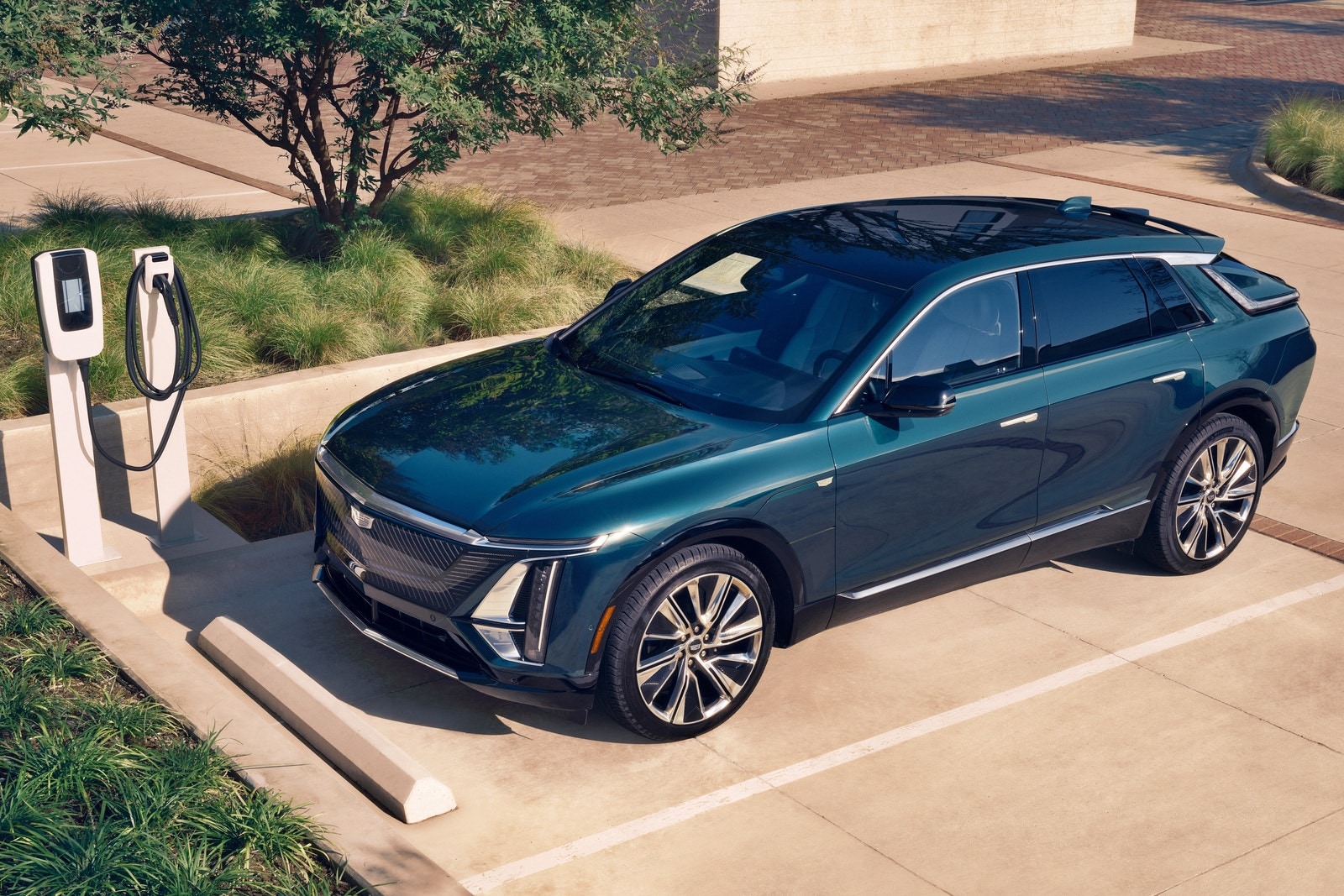
Premium-leaning EVs that occasionally qualify can also appear on the affordability map, depending on whether you receive the credit in full and whether your trim selection remains eligible. In these cases, the vehicle’s value shows up in materials, ride composure, and onboard features that reduce “small frustrations” over time.
How to Choose the Right EV: Range, Charging, and Daily Use
Many buyers get trapped in a single metric. They focus on range because it feels tangible. But ownership is a choreography of charging habits. Think about your real routine:
Where do you park most nights? If you can charge at home, range anxiety shrinks dramatically. A shorter-range EV can still be perfect when your vehicle “replenishes” while you sleep.
How far do you drive on the busiest days? If your calendar contains occasional longer trips, confirm whether fast-charging support matches your route. The best EVs under $35,000 often excel in predictability rather than bragging rights.
Do you have curbside limitations? Apartment dwellers and renters may rely on public charging. In that scenario, charging network reliability matters as much as advertised speed.
Uncommon but true: charging infrastructure is an invisible cost center. When it works smoothly, the EV feels affordable. When it doesn’t, the EV starts to feel like a puzzle you didn’t sign up for.
Financial Nuance: Monthly Payments vs. Effective Price
Incentives can reduce the effective price, but financing structure can blur the benefits. A lower MSRP might not automatically translate into a smaller monthly payment if terms stretch or interest rates differ.
Before signing, ask a clean question: “What is my all-in effective cost after incentives, fees, and taxes?” Then compare that number across a few models. Sometimes a vehicle that is slightly higher on the sticker ends up cheaper after incentives and fees, especially when availability and documentation are handled efficiently.
This is where the fascination deepens: shoppers aren’t just evaluating cars. They’re evaluating risk. Incentives reduce risk when they are confirmed and claimable. Uncertainty increases risk when eligibility is vague.
Ownership Costs Beyond the Purchase Price
EV affordability isn’t only about tax credits. Maintenance is often simpler, but it’s not zero. Tires wear differently, and brake systems behave in a new cadence due to regenerative braking. Also consider insurance costs and charging electricity rates.
If home charging is feasible, the economics can become quietly favorable. If not, public charging prices may erase some of the early savings. Still, EV ownership can remain cost-effective when you combine predictable charging with smart driving habits—gentle acceleration, planned route charging, and realistic speed expectations.
That rhythm—planning, charging, returning to the routine—is part of the “hook” that makes EV adoption feel like a lifestyle shift rather than a temporary experiment.
Common Mistakes to Avoid When Shopping Under $35,000
Even careful buyers stumble. The most common pitfalls are:
Ignoring eligibility timing. Incentives can be tied to purchase date and configuration.
Overlooking trim differences. Some trims include features that affect total cost and sometimes eligibility.
Assuming all incentives stack. Federal, state, and local offers may not combine the way shoppers hope.
Choosing a car only for range numbers. Comfort, charging access, and usability often decide long-term satisfaction.
These mistakes are less about ignorance and more about human nature. It’s easier to chase a headline deal than to verify eligibility like a professional auditor. Yet the most rewarding purchases are the ones where diligence quietly prevents disappointment.
Final Thoughts: The Best 2025 EV Is the One That Fits Your Life
The best 2025 EV under $35,000 after tax incentives is rarely the “cheapest” in the simplistic sense. It’s the one that becomes affordable for you—after incentives, after taxes, after financing terms, and after you understand how charging fits your days.
Yes, the sticker matters. But so does the invisible layer: eligibility certainty, charging convenience, and long-term usability. When those align, the EV stops being a compromise. It becomes a quietly thrilling upgrade—one that feels less like purchasing something new and more like stepping into a better system.
Choose with clarity, verify incentive eligibility early, and test the vehicle the way you’d test a promise. The reward is not only cost savings. It’s the relief of driving without the constant mental tax of fuel prices, and the confidence that your everyday routine can be both modern and affordable.