The 2026 Nissan Altima returns with a familiar promise: a comfortable midsize sedan experience without forcing shoppers into a luxury-budget mindset. Yet the question that follows every test drive is never purely about comfort. It’s about value, traction, and whether “all-wheel drive” is still an afterthought—or if it has become something genuinely persuasive. In this review, the spotlight stays on the 2026 Altima’s AWD proposition, but the story widens quickly: performance character, interior ambience, tech usability, and the little day-to-day details that decide whether the car feels like a bargain or simply a compromise.
If you’re the kind of driver who keeps one eye on spreadsheets and the other on road conditions, the Altima’s AWD angle matters more than many rivals where traction is an optional checkbox. Here, it’s positioned as a practical upgrade for real weather and real commuting, not just for marketing gloss. The result is a sedan that aims to feel planted, even when the forecast refuses to cooperate.
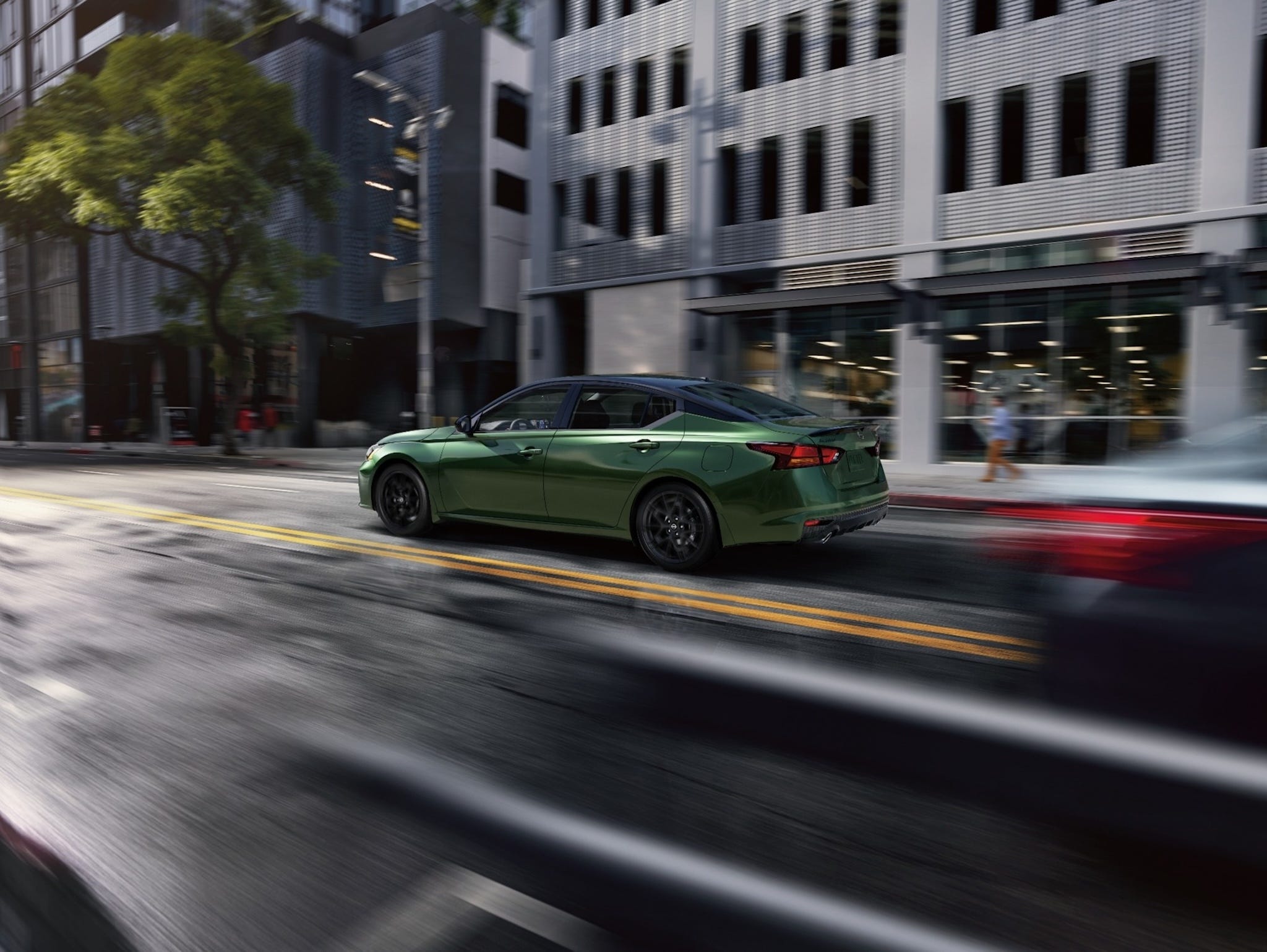
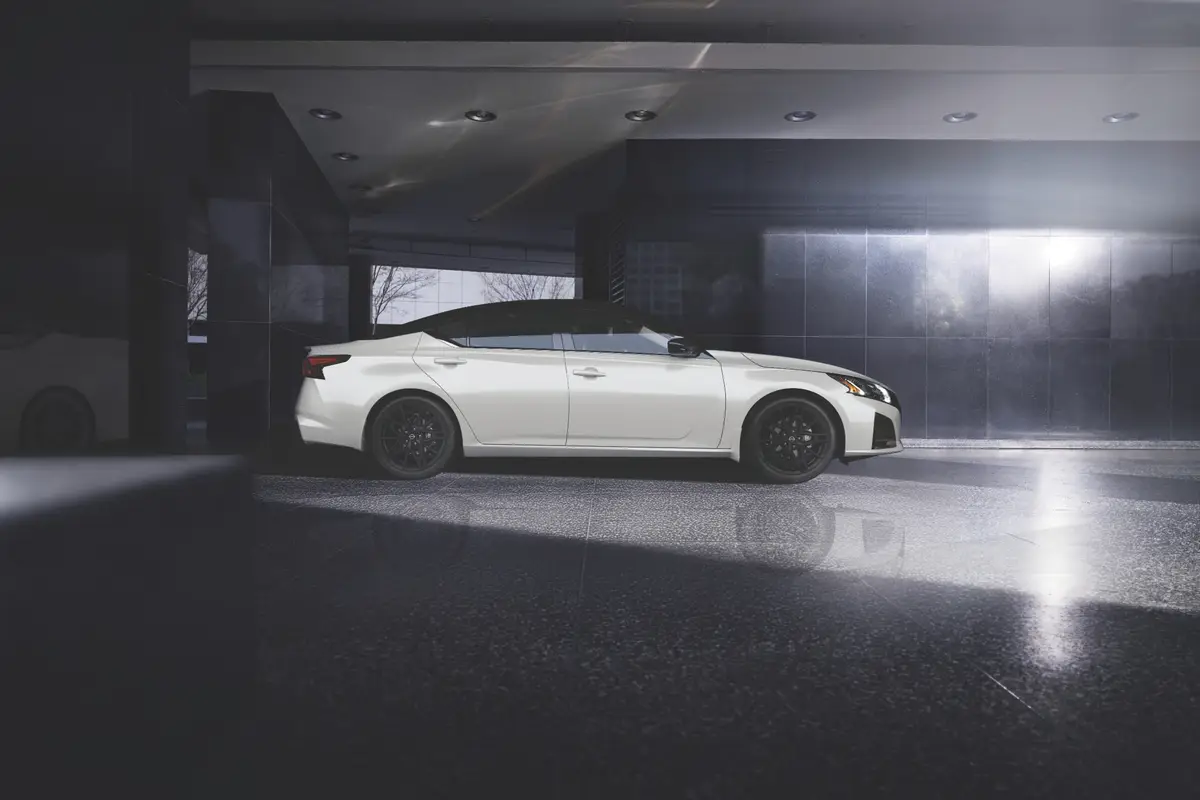
To set the tone, here’s a look at the Altima’s exterior presence—sleek, streamlined, and clearly designed to score points at a glance.
Quick Snapshot: What the 2026 Altima Is Trying to Be
The Altima has never been a brute-force type of car. Instead, it plays the long game: smoothness, predictable handling, and a layout that feels easy to inhabit. In 2026, that philosophy continues, with AWD intended to broaden the car’s usefulness. Think of it as the difference between a sedan that’s comfortable on weekdays and one that stays composed when weather turns moody.
What makes an AWD bargain truly compelling isn’t only the drivetrain. It’s the way the drivetrain interacts with the whole car—steering feel, ride calibration, and how confidently the chassis takes corners without turning the cabin into a drum. The best bargains feel coherent. The 2026 Altima aims for coherence.
AWD Still a Bargain? The Value Behind Traction
“Bargain” is a loaded word, but in the automotive world it usually boils down to: does the added cost buy meaningful capability, or is it a sales add-on? With the 2026 Altima, AWD’s relevance is easiest to understand when you consider typical ownership patterns. Many buyers aren’t tracking lap times; they’re navigating rain-slick commutes, cold mornings, and uneven pavement. In those scenarios, traction isn’t theoretical. It’s the difference between controlled motion and white-knuckle hesitation.
A practical AWD system can also improve driver confidence, especially when tires are properly matched to conditions. Even when traction limits remain, the sensation of the car responding calmly—rather than lunging or flailing—creates a kind of trust that’s hard to quantify.
Of course, it’s worth remembering that AWD isn’t magic. It can help with grip, but it doesn’t replace good tires, prudent speeds, or responsible braking distances. The Altima’s pitch is best interpreted as “more reassurance,” not “untouchable physics.”
How It Drives: Steering, Ride, and the Mood of the Chassis
On the road, the Altima’s character is closer to a well-dressed negotiator than a showy performer. It prioritizes composure and smoothness, which matters because AWD can sometimes add mechanical complexity that buyers fear will make the ride harsher. The 2026 model’s intent is to keep the sense of balance—an easygoing glide at cruising speeds—while still offering stability in less cooperative conditions.
Steering feel should be intuitive rather than twitchy. In city driving, the goal is quick maneuverability without nervousness. On highways, the goal is effortless tracking, where small inputs don’t create exaggerated corrections. A bargain AWD sedan earns its keep by minimizing driver workload.
Cornering performance tells a similar story. You’re not chasing maximum lateral grip; instead, you want predictable rotation and progressive feedback. If the car communicates traction limits clearly, it feels more expensive than it costs.
Performance and Efficiency: The Tradeoffs That Matter
Performance isn’t only about acceleration. It includes how the vehicle behaves under everyday throttle requests—merges, passing, and gentle climbs where the engine works harder than it does on level ground. Buyers who consider AWD typically want reliability of response more than headline numbers.
Fuel economy is also part of the bargain equation. AWD can reduce efficiency compared with two-wheel drive versions, but the question is whether the drop is reasonable. The most satisfying AWD vehicles keep the penalty civilized, so your daily routine doesn’t feel like a tax.
Transmission behavior matters too. Smooth downshifts and controlled engagement help the car feel less like a machine and more like an extension of your intent. That’s where value becomes noticeable—less strain on the driver, fewer awkward moments, and better overall rhythm.
Interior Comfort: Where the Altima Builds Its Case
The Altima’s cabin is designed to feel welcoming first, flashy second. It’s a space meant for commuters, families, and anyone who spends more time behind the wheel than they want to admit. Materials and fit should feel durable and tidy, not overly precious. There’s a difference between “nice” and “easy to live with,” and the Altima leans toward the latter.
Seating comfort is where long drives stop being a chore. Proper cushioning reduces fatigue. Good seat geometry supports posture without forcing you into a rigid stance. And the view outward—mirrors, windows, and dashboard shaping—impacts confidence, especially on busy roads.
Climate control performance also affects the perception of quality. Consistent temperature distribution and responsive airflow can make the cabin feel more expensive, even when the budget says otherwise.
Tech and Infotainment: Usability Over Novelty
Modern tech can become a distraction if it’s designed as a toy rather than a tool. The 2026 Altima’s infotainment approach should focus on clarity and speed of operation—menus that don’t require deciphering, controls that respond without delay, and connectivity that behaves like it remembers you.
Expect a digital ecosystem that supports everyday life: smartphone integration, navigation confidence, and audio performance that stays intelligible at cruising speed. Driver-assistance visuals should be legible at a glance, not buried in layered complexity.
Some buyers enjoy gadgets; many buyers simply want them to work. The best value is when the technology fades into the background—quietly present, rarely frustrating.
Safety and Driver Confidence: AWD’s Partner in Peace of Mind
AWD helps you move; safety systems help you survive the unpredictable. In a midsize sedan, the alignment between traction and driver-assistance features determines whether confidence is real or manufactured.
Look for coverage that supports everyday risk scenarios: lane keeping, adaptive cruise behavior, automatic emergency braking, blind-spot awareness, and smart parking assistance. The most reassuring systems act smoothly, with timing that feels natural. The worst ones feel intrusive or slow to react.
A bargain AWD sedan becomes compelling when it pairs traction with intelligent sensing—when the car doesn’t just grip the road, but also watches for trouble and warns you in time.
Design and Practicality: The Little Things Add Up
Exterior design is more than curb appeal. Aerodynamic details can influence cabin quietness and highway stability. Interior practicality influences daily satisfaction—storage placement, cupholder usability, and how naturally passengers settle into the rear seat.
Trunk space matters for groceries, travel gear, and those spontaneous decisions that always happen at the worst possible time. A well-designed sedan offers enough volume without forcing the owner to play Tetris.
Ergonomics—where controls fall under your hand, how the steering wheel and seat positioning relate, and whether the driving position feels adjustable without fuss—often determines whether the car becomes “your car” or remains “a car.”
Who Should Buy It? Matching the Altima to the Driver
The 2026 Nissan Altima with AWD makes the most sense for drivers who want a comfortable sedan with weather-friendly capability. If you frequently handle rain, snow, or variable traction surfaces, AWD becomes a logical safeguard. If your routes are mostly urban, the Altima’s ease of maneuvering and calm ride still matters, but AWD’s value shines most when roads are inconsistent.
It also fits shoppers who want to avoid overpaying for a “status” badge. A bargain AWD sedan doesn’t ask you to compromise comfort; it tries to deliver comfort while adding traction confidence.
Final Verdict: AWD Still a Bargain—But Only If You Choose Wisely
The 2026 Nissan Altima’s core strength is its insistence on practicality. AWD is positioned less as a thrill and more as a reassurance system for everyday life. If you’re seeking a midsize sedan that feels composed, friendly, and ready for changing conditions, the Altima can deliver genuine value.
Yet the bargain must be earned through details: tire selection, your driving habits, and how the AWD system fits your climate reality. When those variables align, the Altima’s AWD proposition feels less like a marketing checkbox and more like a smart ownership decision.
In the end, the 2026 Altima isn’t trying to dominate headlines. It’s trying to win the quieter battles—commutes, errands, rainy mornings, and the kind of driving that never makes it into a commercial. For many buyers, that’s exactly where the best bargain lives.