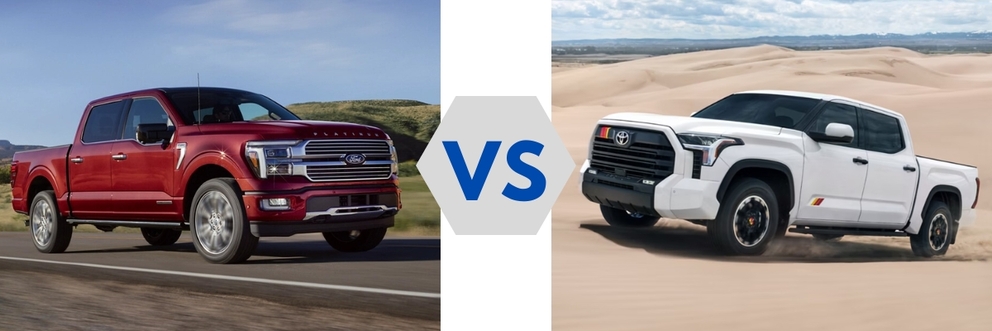
When it comes to full-size pickups, the 2025 Toyota Tundra and Ford F-150 are titans battling for supremacy. Both trucks boast powerful engines, impressive towing capacities, and striking designs. However, when delving into the heat of the competition through the lenses of reliability and resale value, the analysis gains a new dimension. This comprehensive dive explores these pivotal factors, arming prospective buyers with nuanced insights that go beyond horsepower and payload, shaping smarter long-term decisions.
Reliability: The Bedrock of Trust
Reliability is the cornerstone upon which truck ownership rests. It dictates peace of mind during tough endeavors as much as it impacts long-term ownership costs. The Toyota Tundra has long built a reputation for near bulletproof dependability, cultivated through refined engineering and robust quality control. The 2025 edition carries this legacy forward, featuring a reinforced frame and drivetrain components designed to weather punishing workloads and rugged terrain.
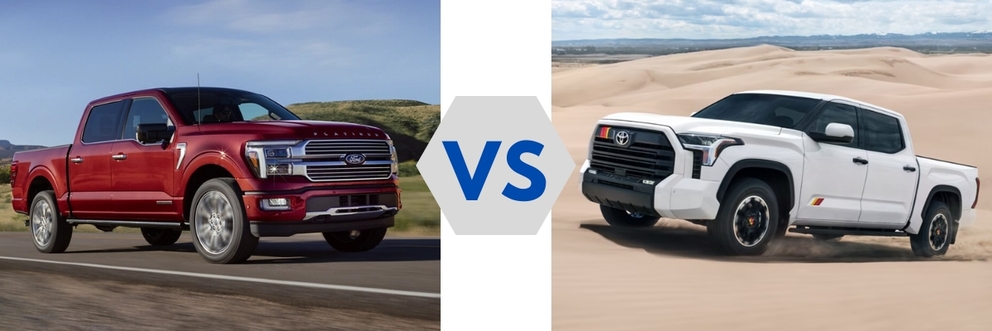
Conversely, the Ford F-150, a perennial bestseller in the United States, leverages decades of incremental innovation and extensive testing. Its wide array of powertrains—from efficient turbocharged six-cylinder engines to formidable V8 options—offers options fine-tuned for durability and everyday usability. Ford’s investment in cutting-edge materials, like high-strength steel and aluminum, aims to balance toughness with weight savings, a combination beneficial for longevity and fuel economy.
Historical reliability data compiled from vehicle owner surveys and third-party analyses places the Tundra slightly ahead in terms of fewer major repairs and longer-lasting components. Notably, Toyota’s conservative engineering choices and attention to minimizing electronics complexity in the Tundra tend to reduce the number of system failures. Meanwhile, Ford’s extensive electronics and advanced driver assistance systems, although impressive, can introduce potential points of vulnerability.
Resale Value: Maximizing Your Investment
For many truck buyers, resale value is as critical as purchase price. A truck must not only perform well during its tenure but also retain its worth when it’s time to move on. The Toyota Tundra has emerged as a kingpin in this arena, consistently commanding robust resale prices years after the initial sale. This resilience ties back to the Tundra’s steadfast reliability and Toyota’s overarching brand prestige for durability.

The Ford F-150, though slightly more variable in retained value, benefits from its staggering popularity and broad market presence. The truck’s myriad configurations and trims cater to a vast demographic, facilitating quicker turnover in resale markets. Ford’s proactive introduction of new technologies and features often injects fresh appeal into used models, sometimes counteracting depreciation.
However, nuanced blue-book tracking reveals that Toyota trucks typically depreciate at a slower pace. This is partly attributed to the Tundra’s fewer reported issues, but also to the strong perception of reliability among buyers in the used truck segment. The result is often less of a gap between new and used pricing, supporting higher returns on resale.
Comparative Ownership Costs and Warranty Coverage
Reliability and resale value only tell part of the story; ownership costs and warranty protections further contextualize how these trucks perform economically in the long run. Toyota’s limited warranty on the 2025 Tundra includes basic coverage and powertrain protection, providing buyers with a reassuring safety net against unforeseen mechanical failures.
Ford matches this coverage with competitive warranty terms and frequently offers promotions aimed at total cost of ownership reductions, such as prepaid maintenance packages. Moreover, the widespread availability of Ford service centers and competitive parts pricing can mitigate expected expenses, enhancing ownership satisfaction.
Routine maintenance and repair frequency tend to be lower for the Tundra, largely thanks to its simplified mechanical design. This can translate into fewer trips to the shop and lower cumulative costs over typical ownership periods. Ford’s sophisticated engine management systems offer technological advantages but may require more specialized servicing in specific scenarios.
Technological Advancements Impacting Reliability
While barebones mechanical reliability remains critical, modern trucks heavily depend on electronic aids and infotainment systems—areas where complexity can affect true dependability. The 2025 Ford F-150 excels with a slew of driver-assist technologies, advanced infotainment interfaces, and digital instrumentation. These features not only elevate comfort and safety but can also introduce additional variables into reliability assessments.
The Toyota Tundra balances technology with pragmatism, incorporating essential modern conveniences without overwhelming the driver with excessive systems. This strategy often results in fewer software glitches and a more intuitive user experience. The interplay of advanced tech and mechanical foundation here points towards a truck less prone to random breakdowns of electronic origin.
The Emotional and Practical Considerations
Reliability and resale value often reflect broader emotional responses to brand identity and ownership experience. Toyota’s corporate ethos, emphasizing longevity and incremental refinements, nurtures customer loyalty and confidence. The Tundra owner can feel assured that their vehicle will perform day after day, year after year, with minimal drama.
Ford’s image centers on innovation and versatility. The F-150 appeals to drivers eager for contemporary amenities and a truck that feels cutting-edge. Nevertheless, embracing novelty can involve trade-offs in settled reliability and residual value. Practical buyers weighing these intangible factors should consider how well each truck aligns with their lifestyle and usage patterns.
Conclusion
Choosing between the 2025 Toyota Tundra and Ford F-150 in the arenas of reliability and resale value presents a compelling juxtaposition of philosophies and strengths. The Tundra champions steadfast durability and exceptional resale retention, bolstered by a tried-and-true mechanical foundation and restrained complexity. Meanwhile, the Ford F-150 delivers dynamic innovation and broad appeal, capturing a diverse audience with its advanced features and flexible configurations.
In the end, discerning buyers evaluating these trucks should prioritize what aligns best with their long-term expectations. For those craving a rock-solid vehicle that holds value fiercely over time, the Toyota Tundra shines brightly. For enthusiasts who prize cutting-edge technology alongside solid dependability, the Ford F-150 offers a winning combination. Both trucks stand as titans in their own right, embodying distinct paths to excellence in reliability and resale performance.